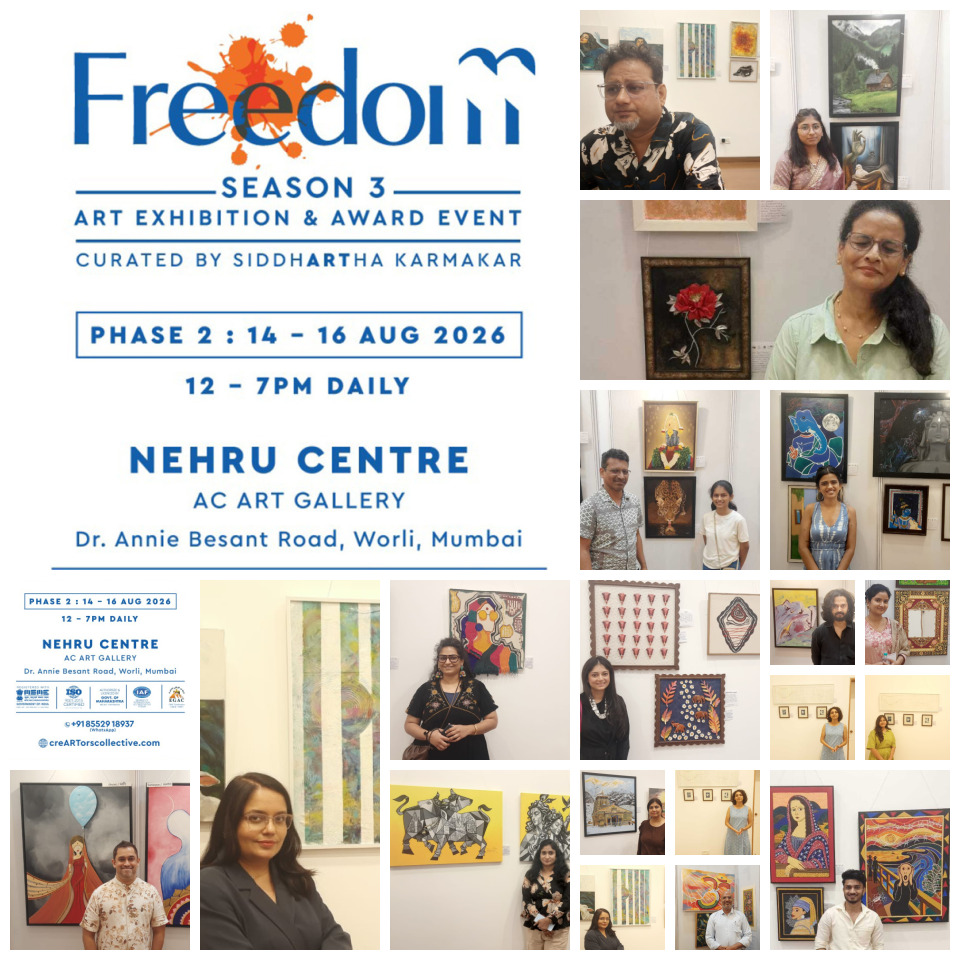
Siddhartha Karmakar a curator and a master in fine arts from Kolkata. Has made tremendous efforts to bring these artist together, who have displayed various forms and concepts through their art. He aims to give a platform to new and emerging artists through these group art shows in Mumbai, Pune and Kolkata.
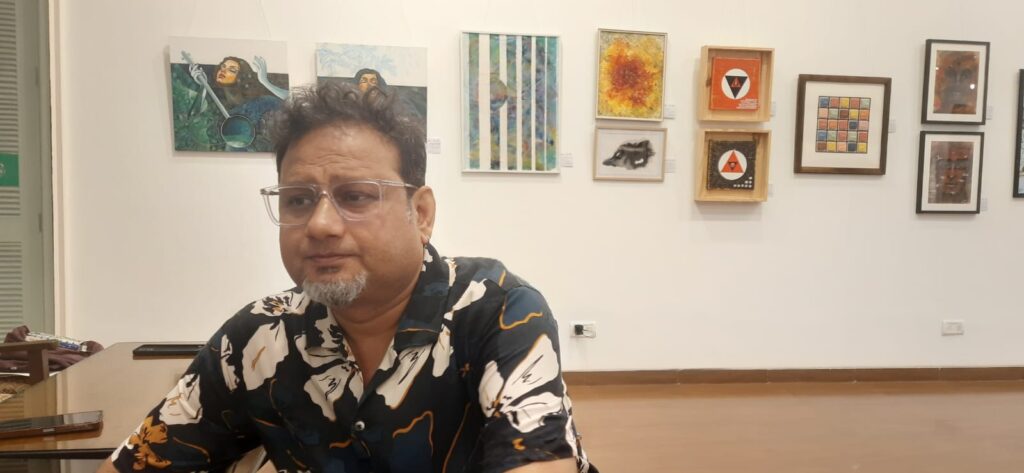
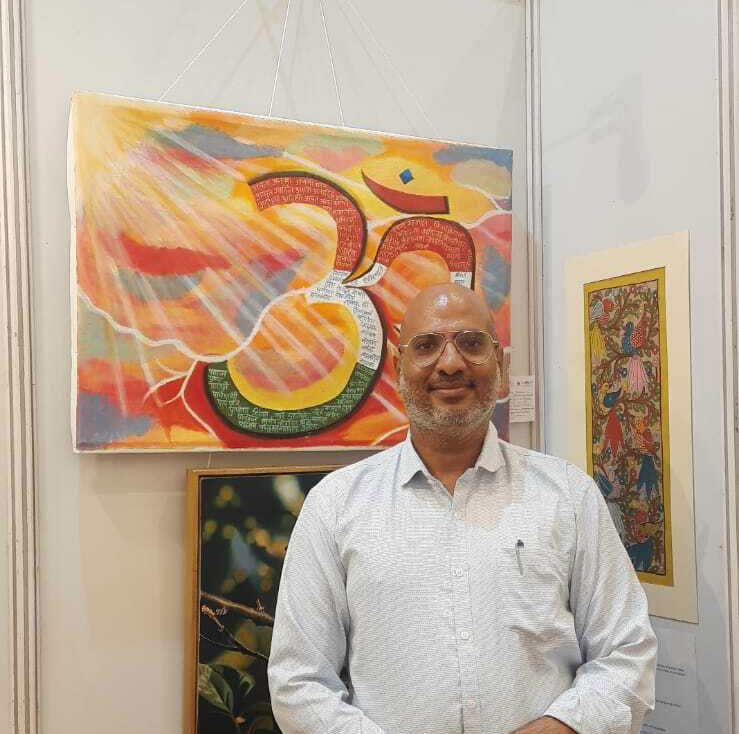
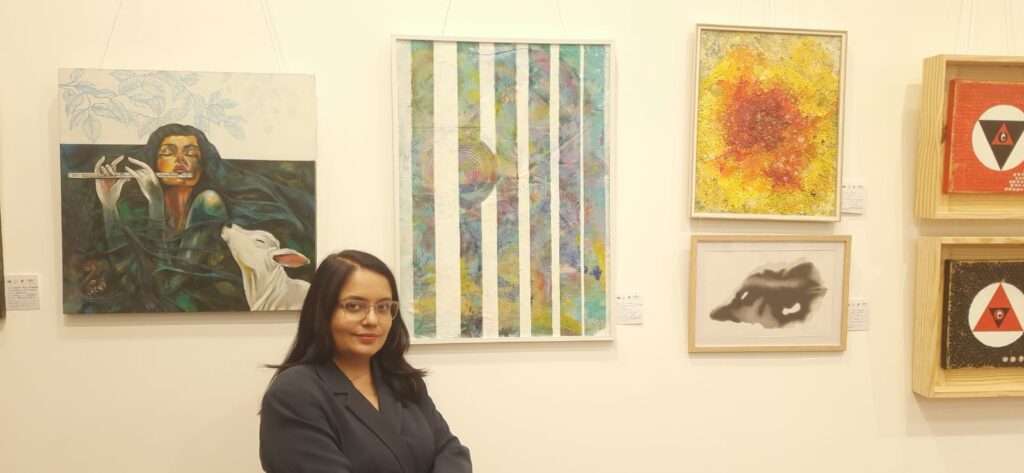
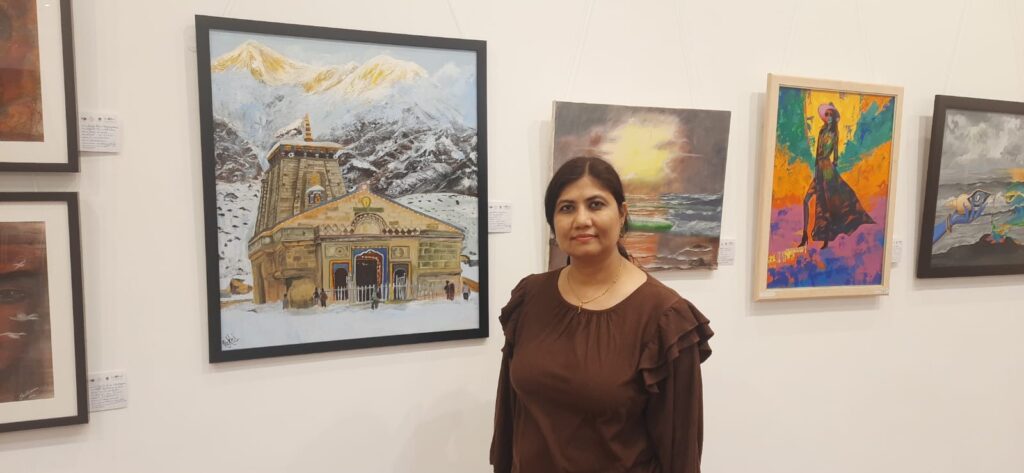
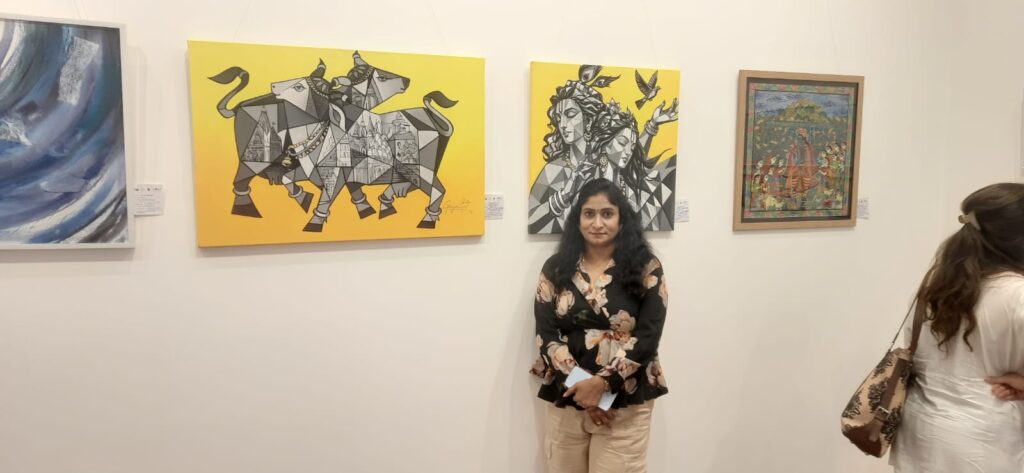
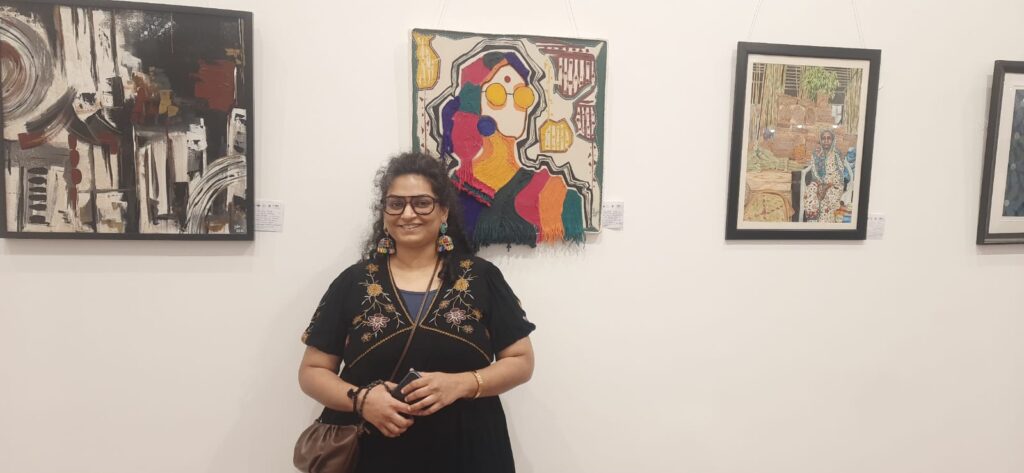
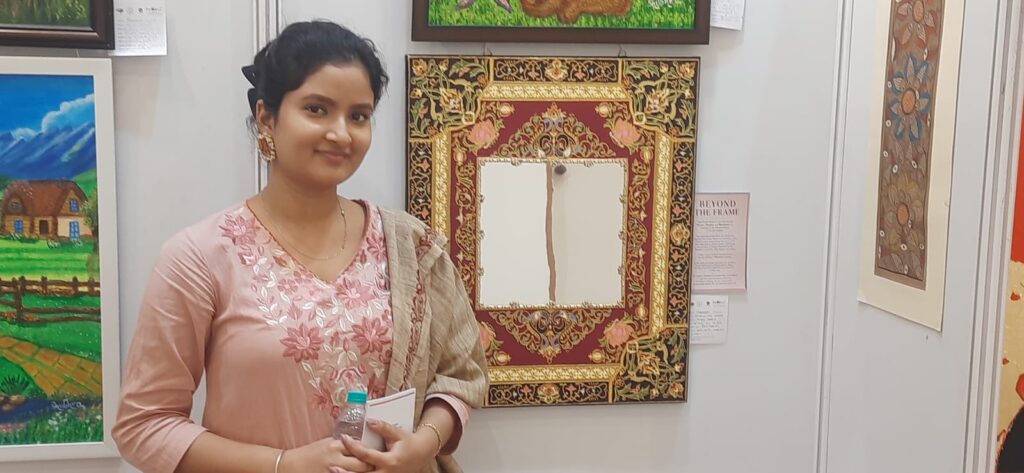
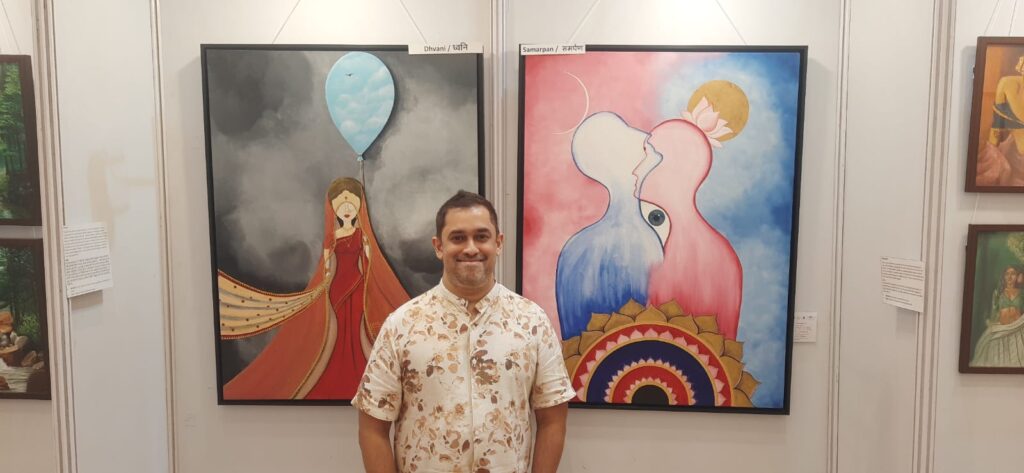
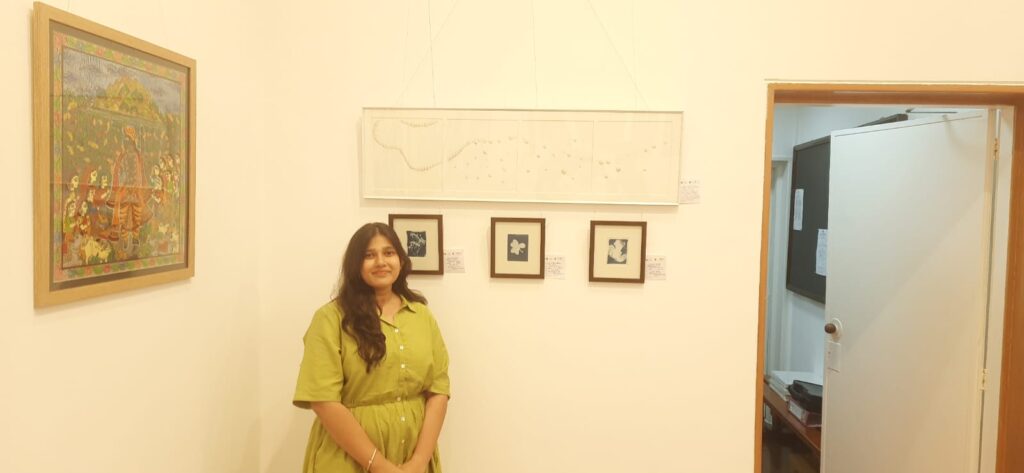
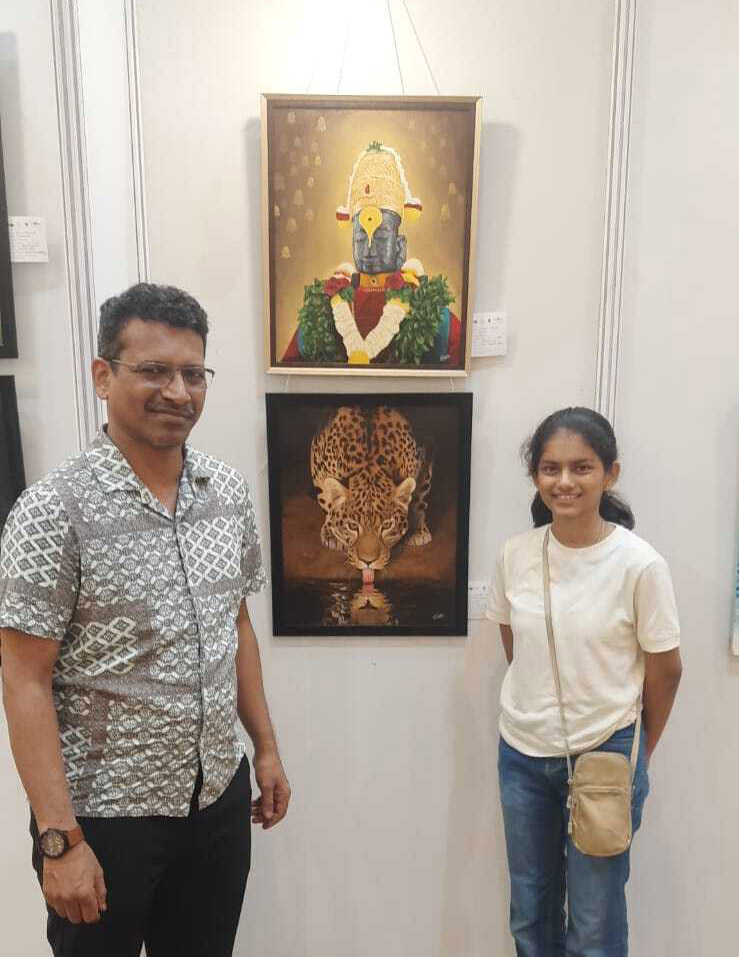
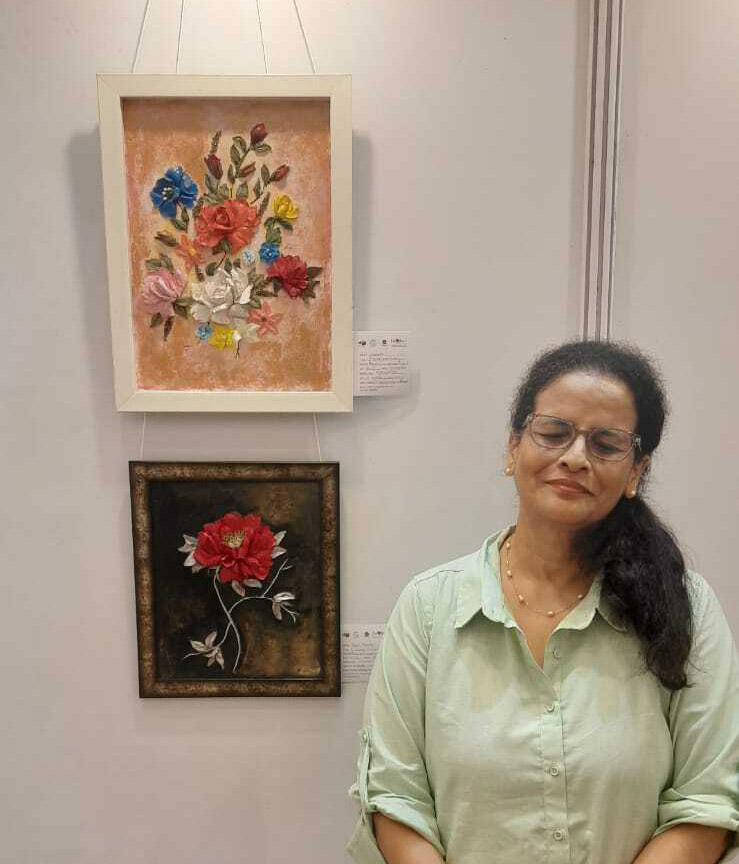
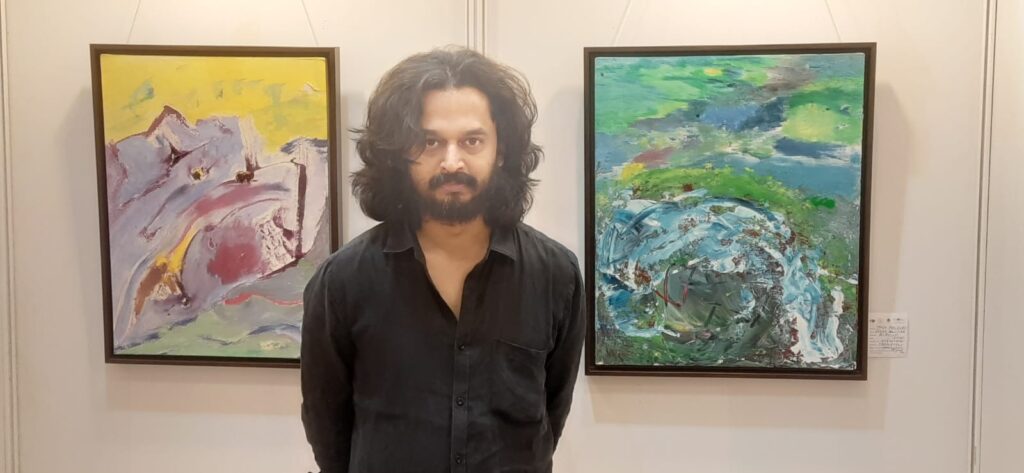
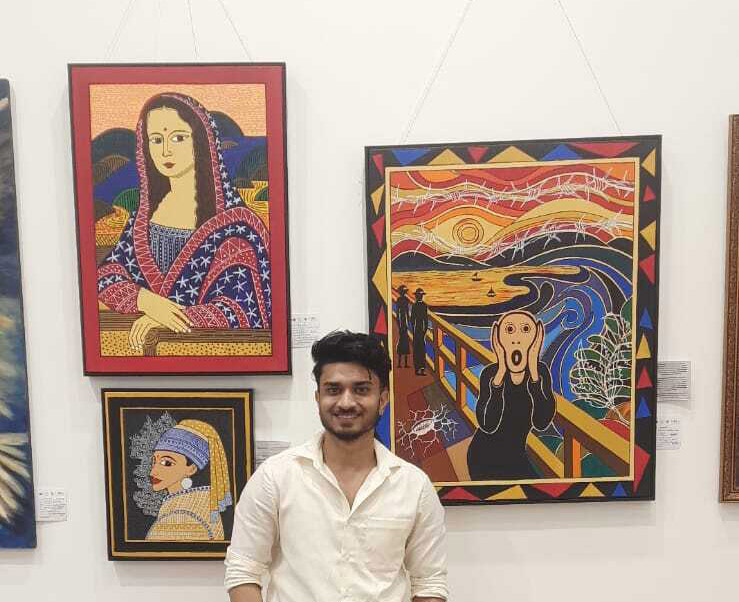
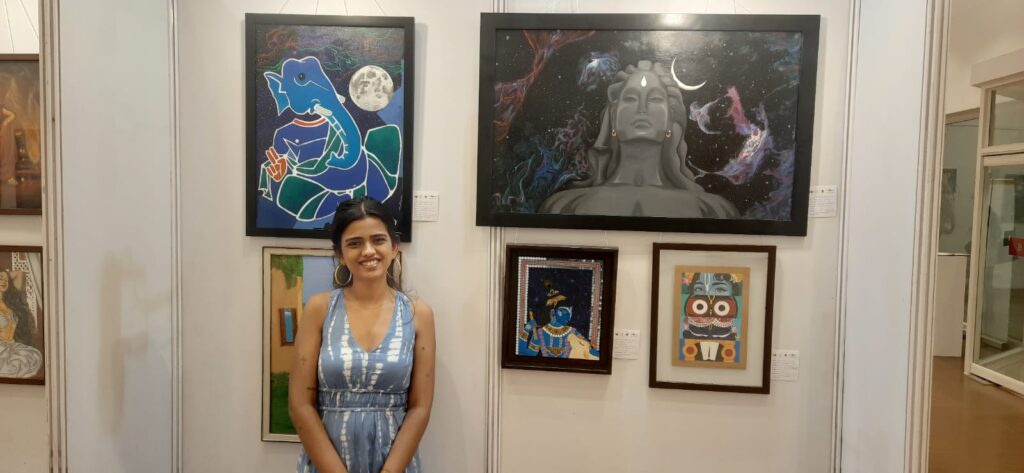
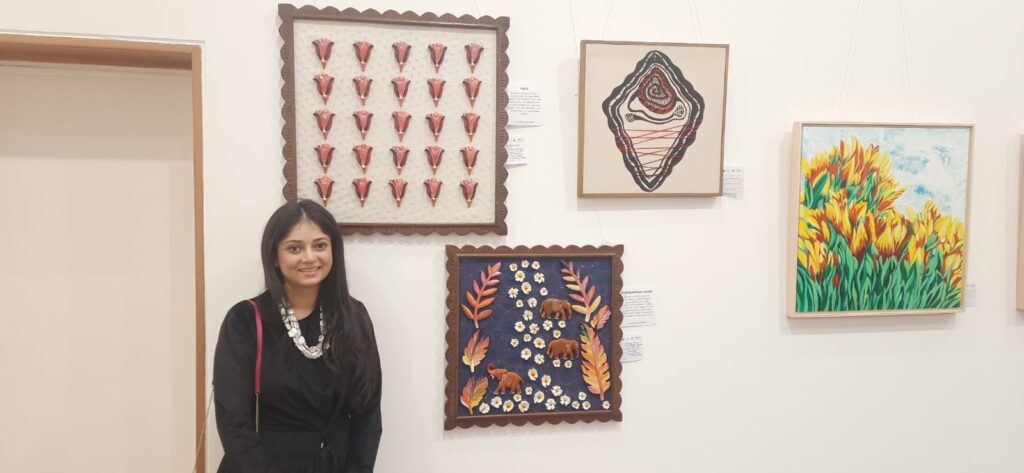
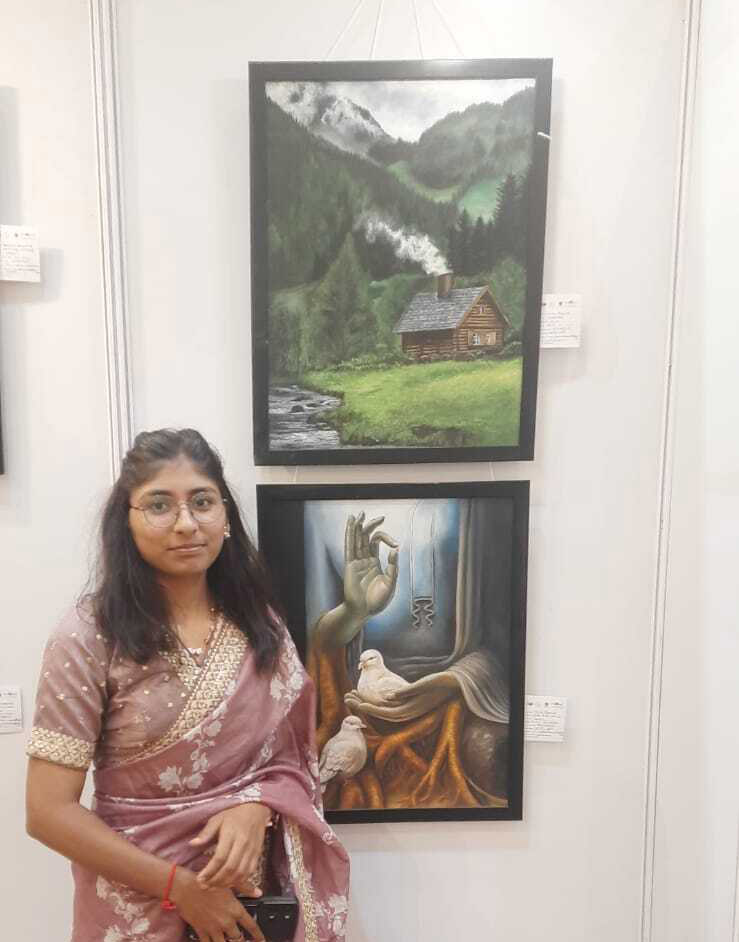
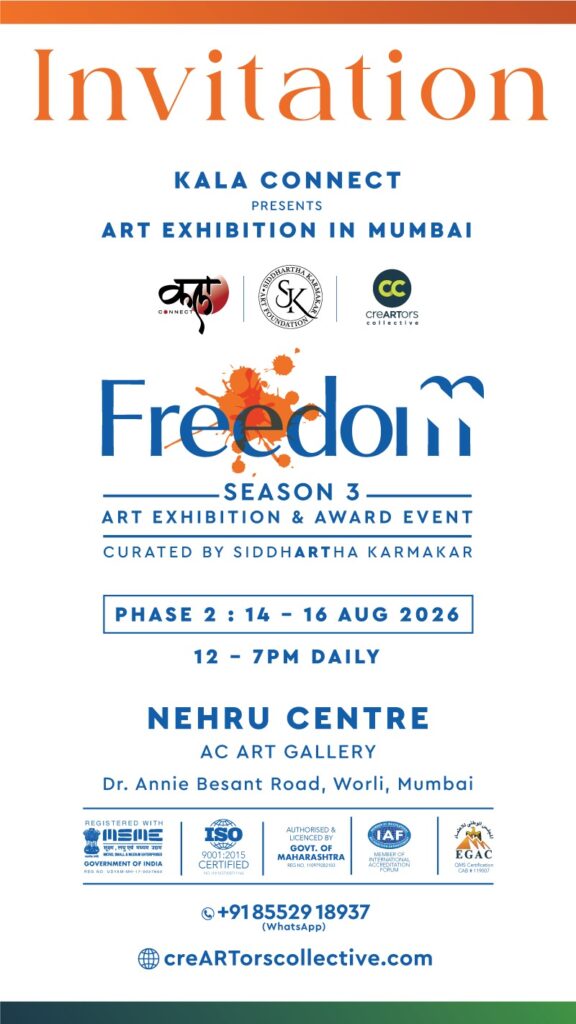
Freedom 3, an exhibition and award event at Nehru Centre Art Gallery, from 11 to 16 August, 2026.
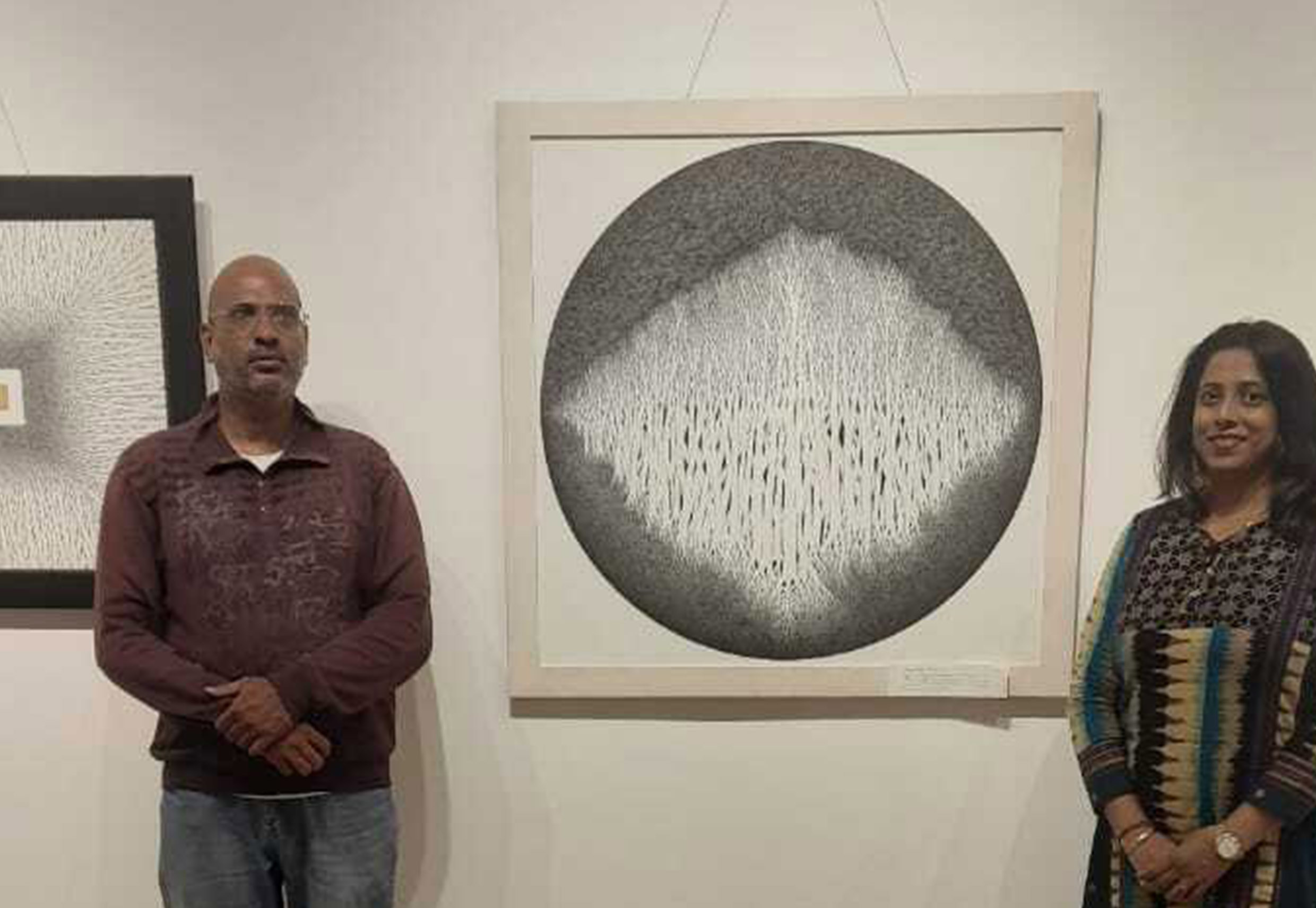
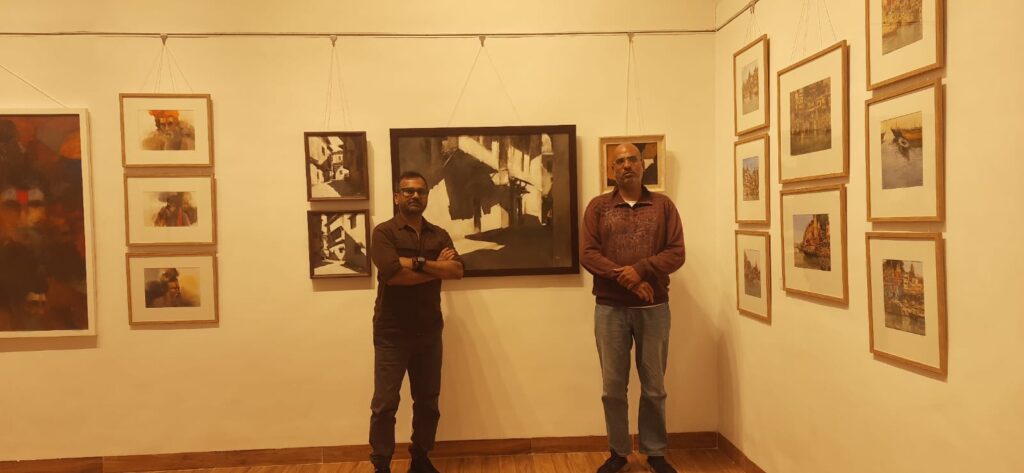
Shailesh Meshram holds a degree in Fine Art from Chitrakala Mahavidyalaya (Nagpur School of Design). His artistic journey began early with numerous college group exhibitions centered on plein air painting. Professionally, he serves as the Creative Director at Seagull Advertising, seamlessly blending commercial design with fine art.
Fresh off the energy of his debut show at the prestigious Jehangir Art Gallery—an experience that has left him deeply inspired—Shailesh lives by a simple ethos: paint with passion, create with honest purpose, and devote genuine focus to every piece.
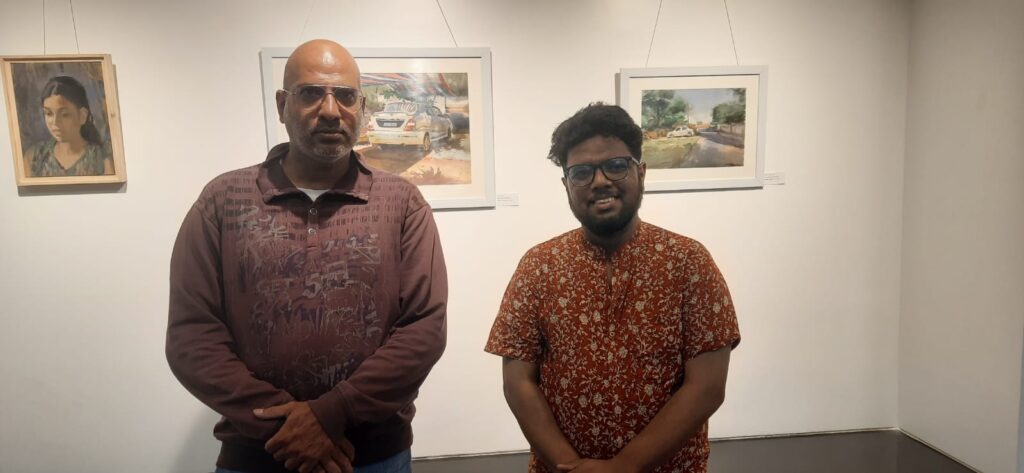
Krushna Gaikwad is an emerging artist hailing from Nashik and currently based in Ghatkopar, Mumbai, where he teaches at a private institution. After completing his undergraduate fine arts degree in Nashik, he earned his Master’s degree from the prestigious Sir J.J. School of Art.
Marking his debut show at the iconic Jehangir Art Gallery, Krushna reflects on this milestone as the realization of a artistic journey set into motion during his formative student years.
Pradnya is a seasoned communications professional who manages a PR agency in Mumbai, delivering strategic media relations and public affairs solutions for major corporate clients.
Beyond her corporate achievements, Pradnya carries a deeply personal legacy shaped by her late father—a renowned artist known for his immense patience and profound creative devotion. Deeply moved when reflecting on their relationship, she views the artistic heritage and values passed down by him as her greatest treasure, continuing to inspire both her personal life and her approach to public relations.
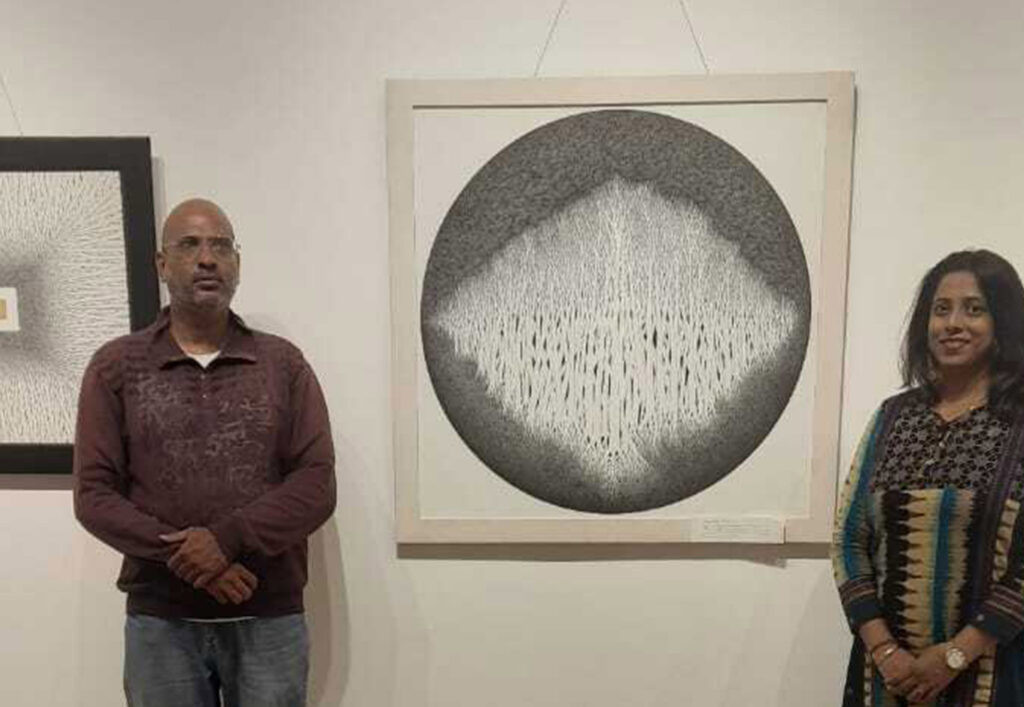
Parshvanath Nandre is a visionary contemporary artist who splits his time between Mumbai and Kolhapur. An alumnus of the renowned Dalvis Art Institute, Nandre held his very first exhibition in 1992 at his village college. Over the decades, his work has gained international acclaim, featuring in exhibitions across New Delhi, London, South Korea, and Ahmedabad.
A pioneer in material exploration, Nandre is celebrated for introducing and developing a signature technique using cut canvas—an innovative medium that adds a sculptural dimension to flat space and establishes him as a leading force in modern artistic experimentation.
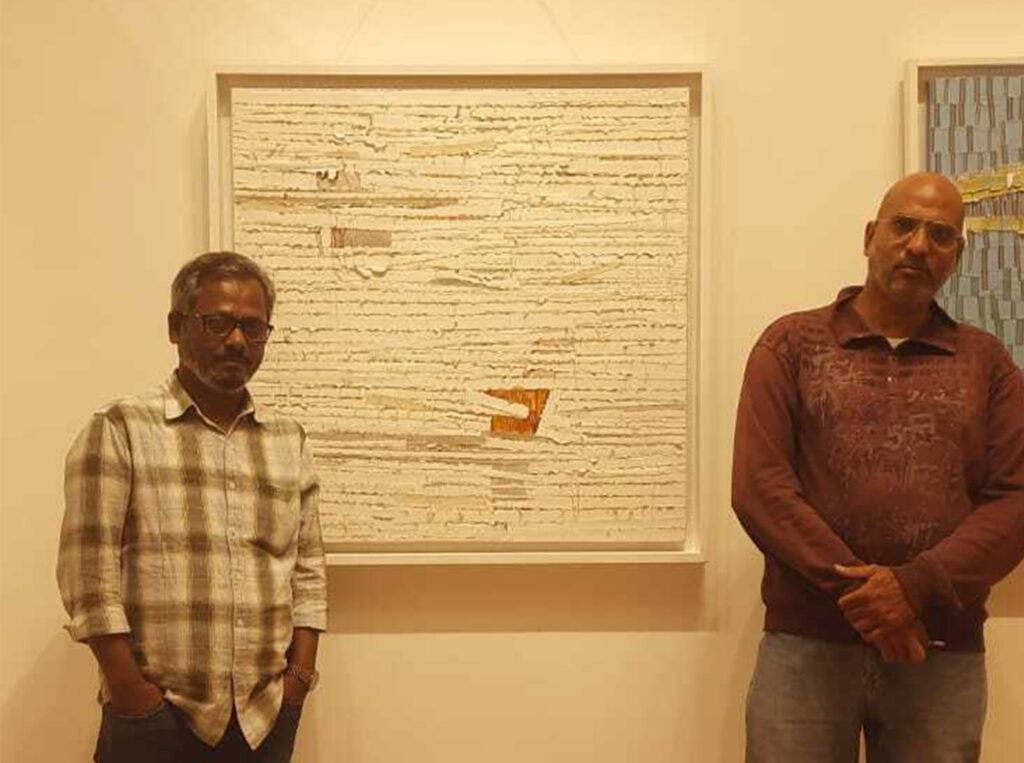
Jehangir sets yet another wave of art and culture celebrating India Indepedence day.
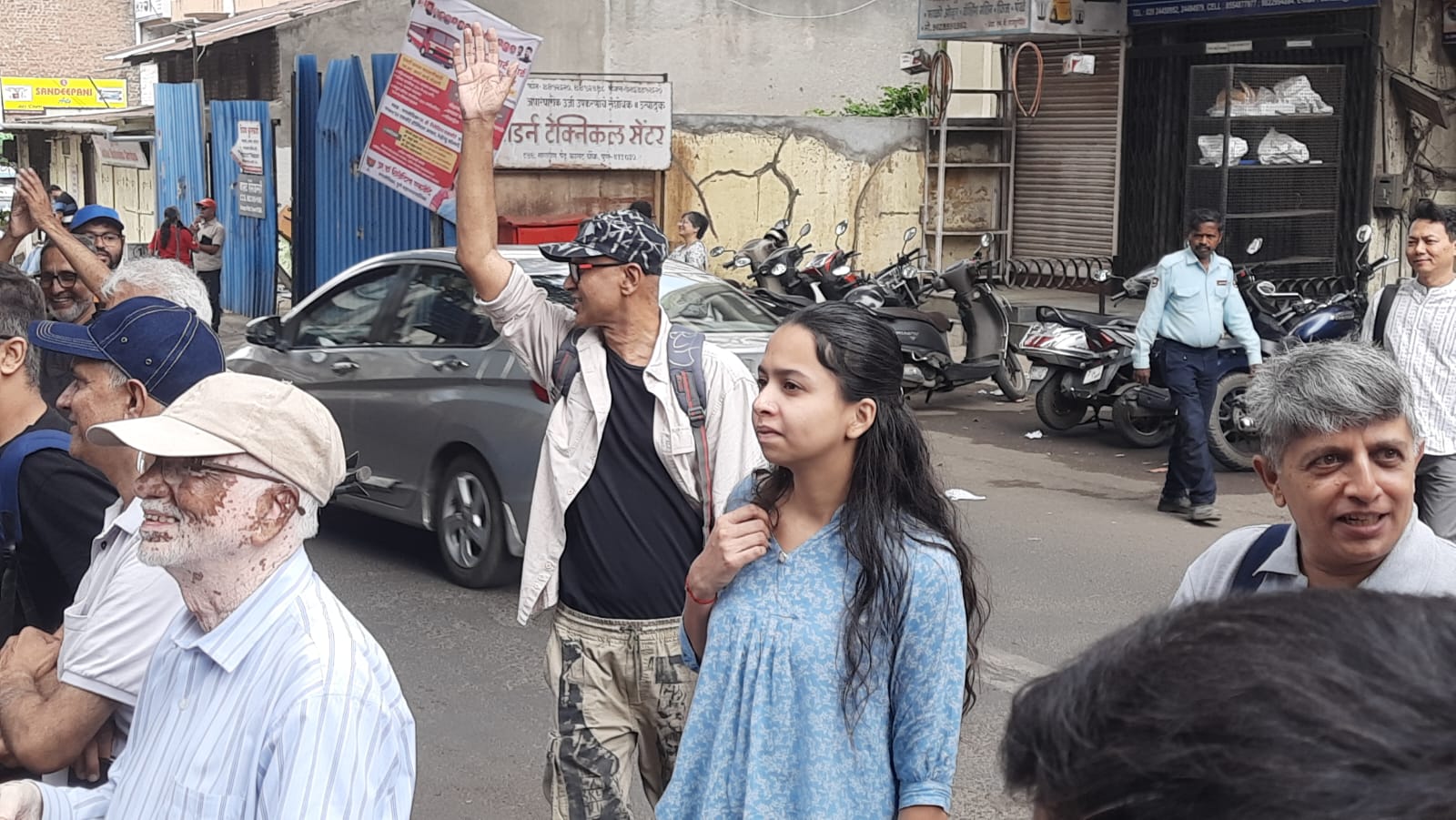
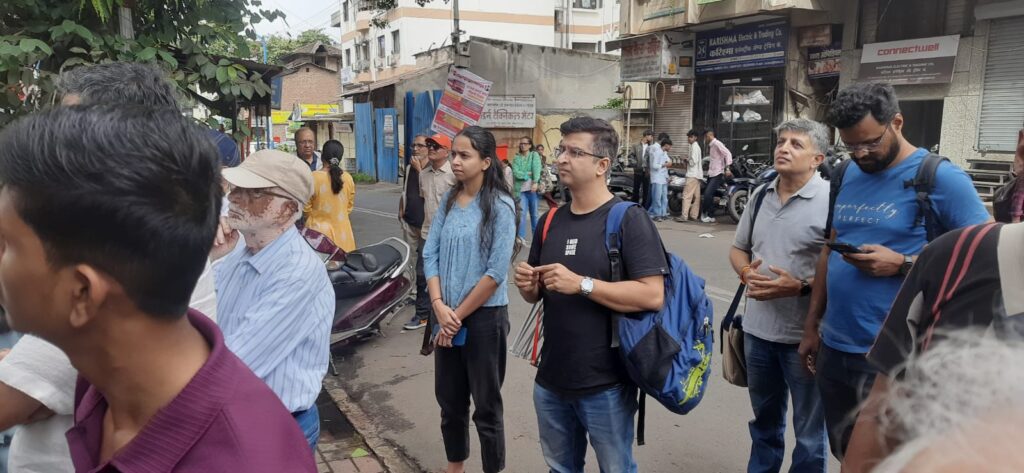
In Black TShirt Mr. Suraj Thite.
An ace sketcher, Mr. Suraj Thite, is a favourite of every urban sketcher in Pune and is known for his double-spread sketches. He has been with Urban Sketchers for more than 5 years and has been sketching like a pro. If you want to know about his sketching techniques, he will be demonstrating at the Asia Link during November 2026. If you want to read any books regarding the same there is an Urban Sketching Techniques series.
Suraj is also a very good sketch artist for other mediums and is very approachable in sharing his techniques. He is very regular and you can find him every Sunday morning at the Urban Sketchers Meet.
Completing 11 years, founder Ar. Sanjeev Joshi explains his excitement.
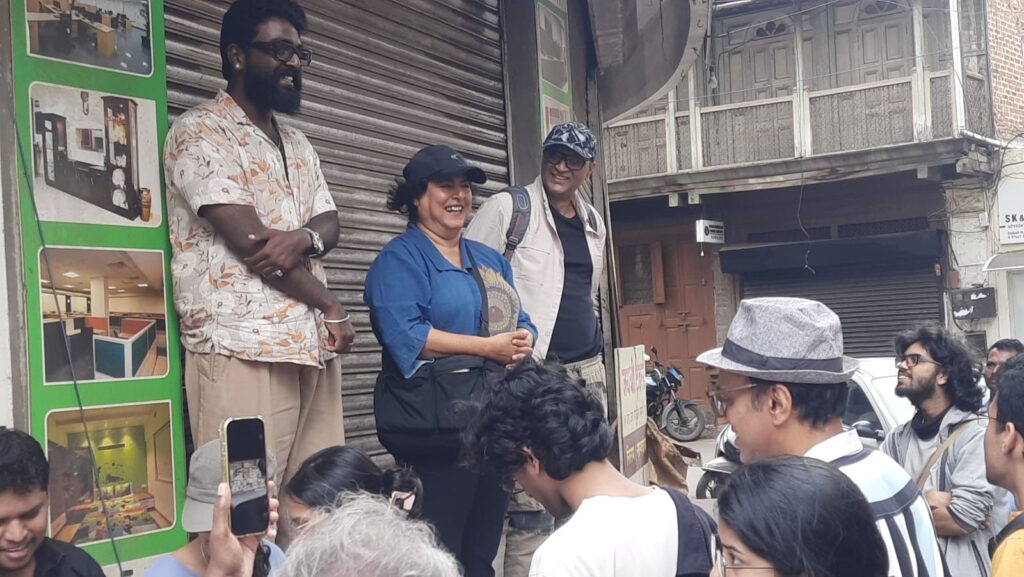
From right Mr. Anirudhha Dighe, Farah Irani, Ar. Sanjeev Joshi.
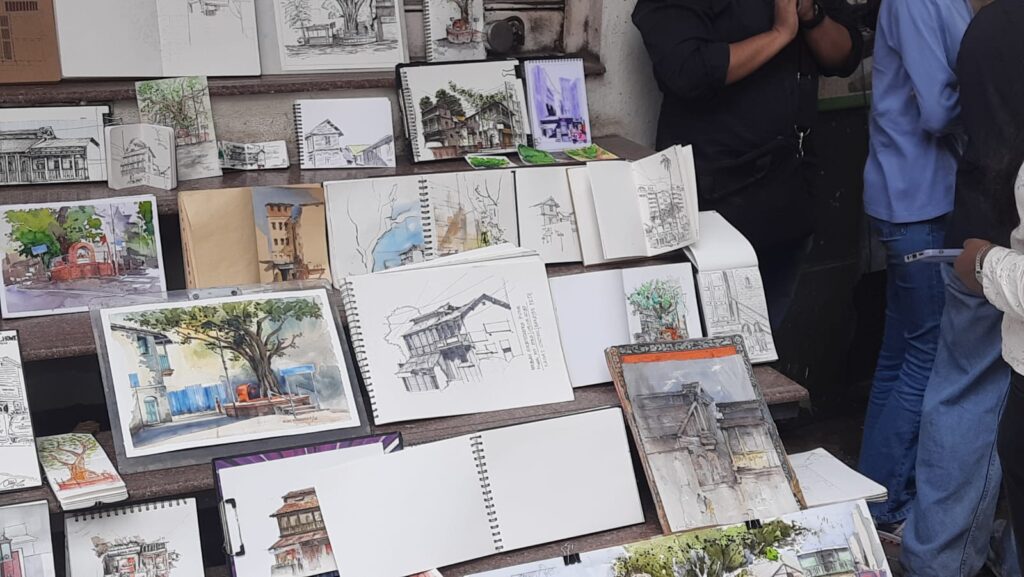
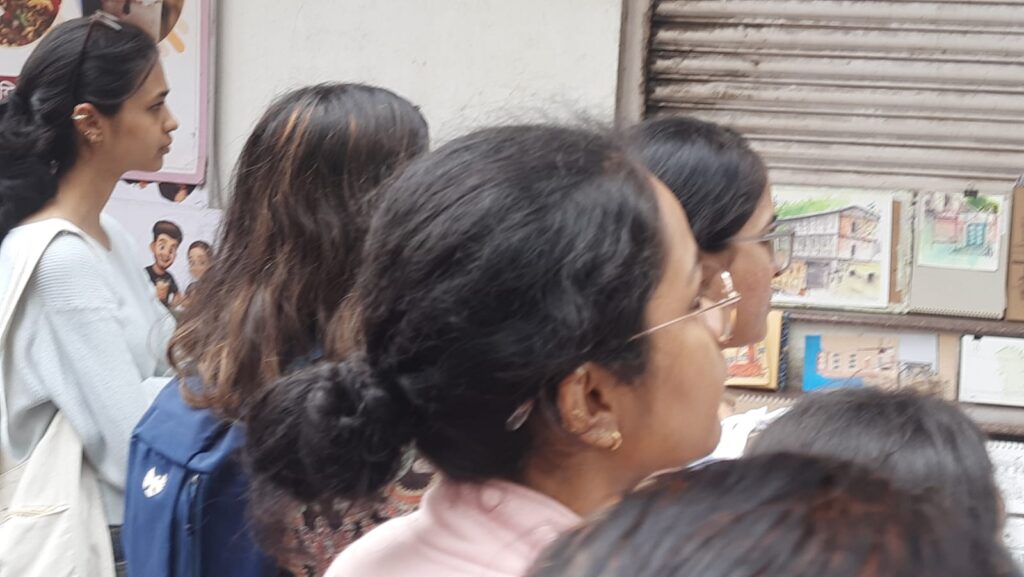
Urban Skechers will be hosting the Asia Link Meet in Pune at the St. Vincent School, next Sunday, we will try to check the school and explore the venue a little, stay tuned until then.
Sunday Meet at Narayan Peth, Urban Sketchers have another moment of joy a completion of 11th anniversary.
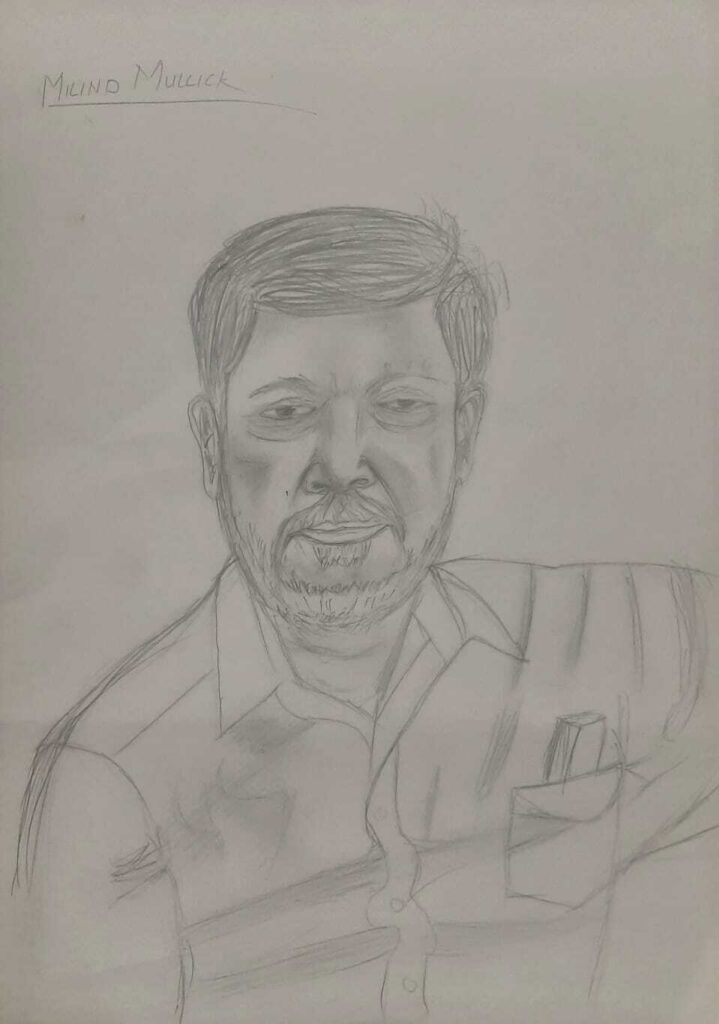
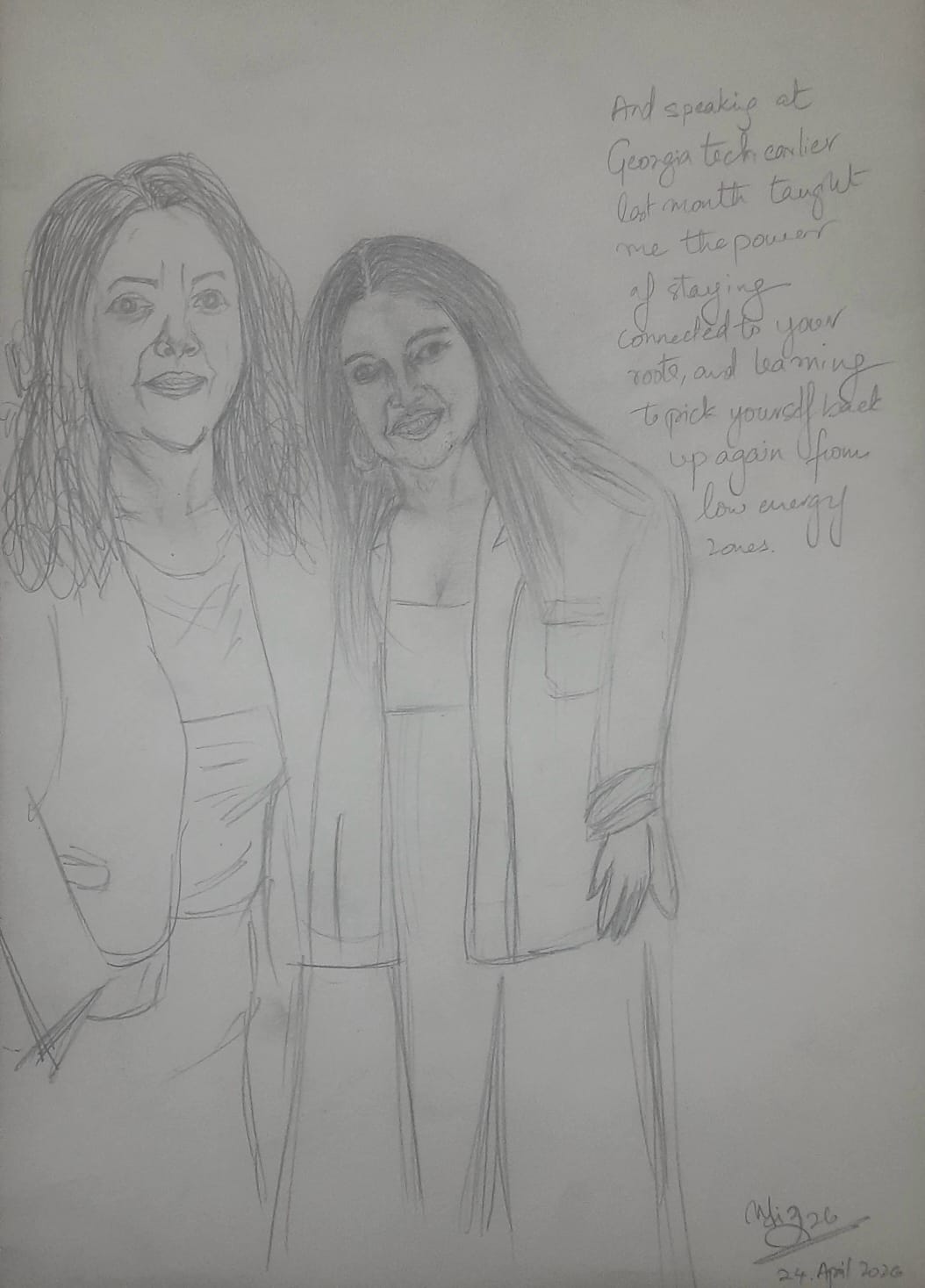
Sketch by Moiz Mamoowala, Pencil.
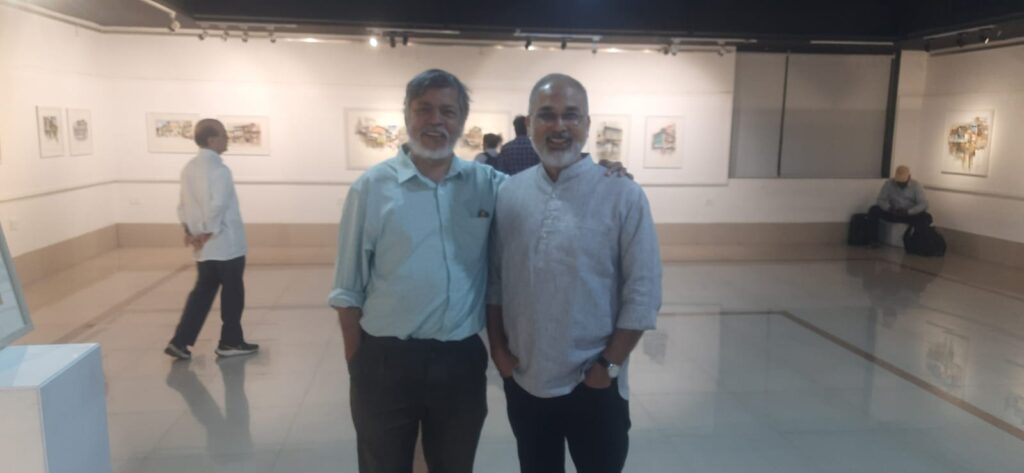
Photo at Raja Ravi Verma Art Gallery, Pune. (Right Shri Milind Mulick and Shri Charahaus Panditji).
An artist who has shaped and trained many artists and built the careers of thousands, he has completed over 10,000 workshops. He has a series of books on watercolour and a passion for painting at least one painting daily. It was a delight to interact with Shri Milind Mullick; he has been a great inspiration to me and has shared many life-changing insights and advice.
A few questions to Shri Milind Mullick.
Q1) Please could you share any 3 of the most special moments in your life that can help us be inspired by your experience?
Q2) How is your art show experience today as compared to your days during college and as an emerging artist?
Q3) What advice do you have for the new-age artist and students to make their mark in the art industry?
Q4) What joy does it bring to your professional and personal life by making art a profession first and then a passion?
Q5) AI seems to bring a lot of worry among artists. What do you feel can be the next big revolution for artists to tackle AI?
Q6) How has the art market made progress globally, and how do you think that Indian artists should reach out to the global market?
Milind Mullick shares his experience of being an artist and how art has always been a passion.
About the Temple
The Vitthal Temple (Shri Vitthal-Rukmini Mandir) in Bhugaon, located off the Paud Road / Mulshi corridor on the outskirts of Pune, serves as a key spiritual hub for the local village community and nearby neighborhoods. Dedicated to Lord Vitthal (a form of Vishnu) and his consort Rakhumai (Rukmini), it holds particular significance within the Warkari devotional tradition.
Key Highlights & Features
- Deities: The central sanctum (garbhagriha) houses idols of Lord Vitthal and Goddess Rukmini.
- Community & Devotional Significance: Like most traditional village Vitthal temples across Maharashtra, it hosts daily pujas as well as community bhajans and kirtans, especially on Thursdays, Saturdays, and Ekadashi days.
- Local Landmarks: Located near Paud Road in Bhugaon, close to key landmarks like Manas Lake and the surrounding western suburbs (Bavdhan, Kothrud).
Practical Information
| Attribute | Details |
| Location | Bhugaon (Mulshi Road / Paud Road), Pune, Maharashtra – 412115 |
| Primary Deities | Lord Vitthal and Goddess Rukmini |
| Peak Days | Devashayani (Ashadhi) Ekadashi, Prabodhini (Kartiki) Ekadashi, and weekly Ekadashi days |
| General Timings | Open daily from early morning (~6:00 AM) to evening (~8:30 PM / 9:00 PM) |
This Sunday brings joy to urban sketchers, having tea with Ar. Sanjeev Joshi explains my confusion about another architect by the same name in Baroda. He explains how he made urban sketching his passion and describes his newest track pants featuring calligraphy and his quote, “no money”.
Urban Sketchers meet has a lot of work put behind the scenes, and full credit goes to our co-ordinators, Mrs Devyani Pathak and Mr Aniruddha Dighe. A robust team that has put in selfless efforts to bring each meet a very lucrative idea and has inspired many students, hobbyists, and professionals.
Below is map for Vittal Temple, Bhugaon
Urban Sketchers Sunday meet at Vitthal Temple.
“Devika is the student head or ‘Gundi’ —spearheading an elite team of ten students who have achieved remarkable excellence in watercolour and fine arts. Her exceptional skills shine through her abstract work, inviting us to look deeper and engage with her vision. Beyond her art, she has meticulously scheduled a lineup of programs tailored for students, aspiring artists, and music lovers alike.”
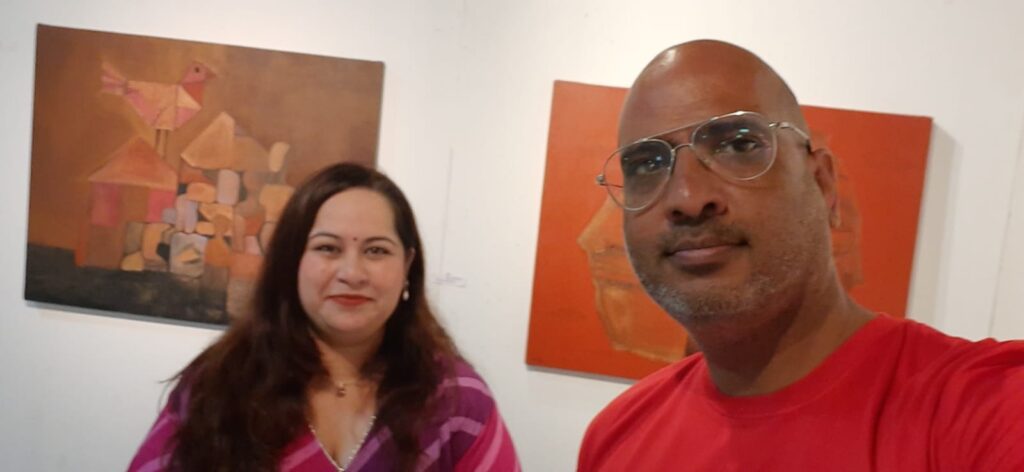
Milind Mullick, a name in synonymous with water colour and art, with 10,000 workshops and many accolades in his cap, has made extensive efforts to reach out to art students to gather and celebrate this evening at Raja Ravi Verma.
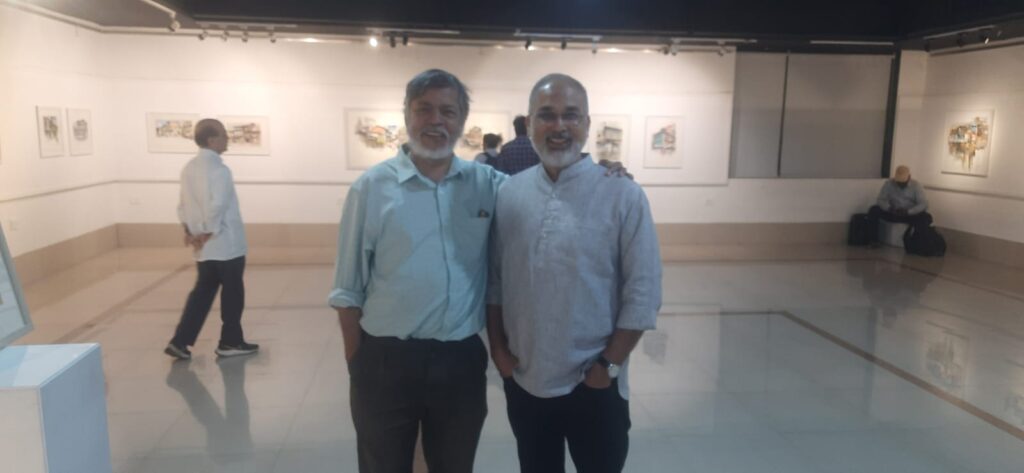
The only ship that never sinks is the friendship between Charahuas Pandit ji and Milind Mullick, from yeh dosti ham nahi todenge to the toss of the coin to the yarri hain imaan meri yaar meri zindagi, let’s jam on the guitar along with the students and team.
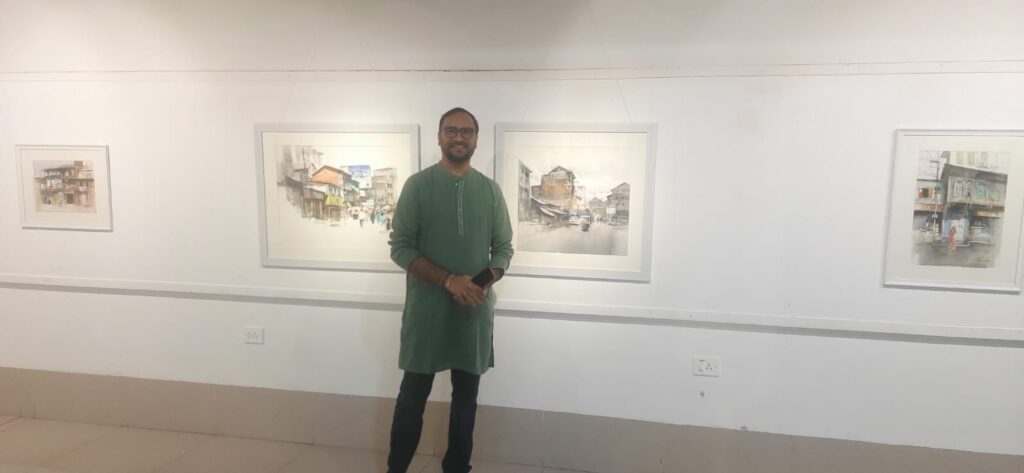
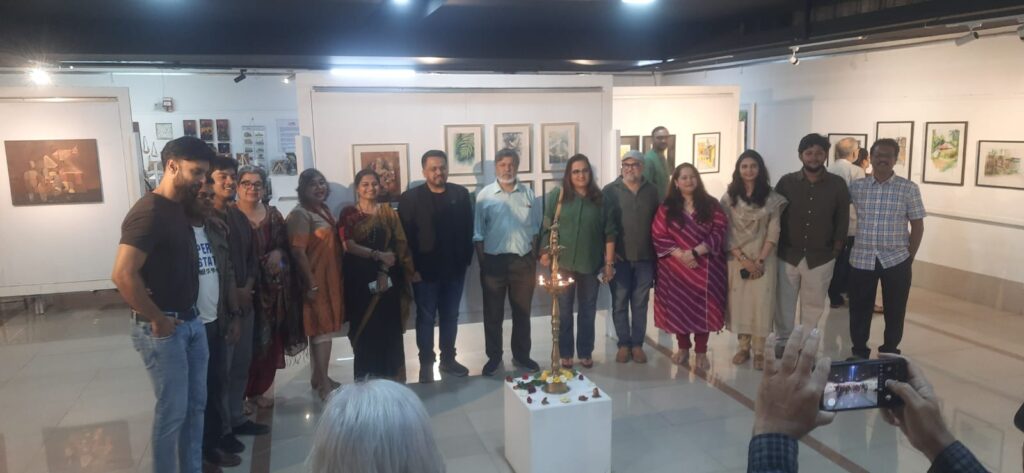
The group art show at Raja Ravi Verma Art Gallery, the first of its kind student teacher in collaboration.
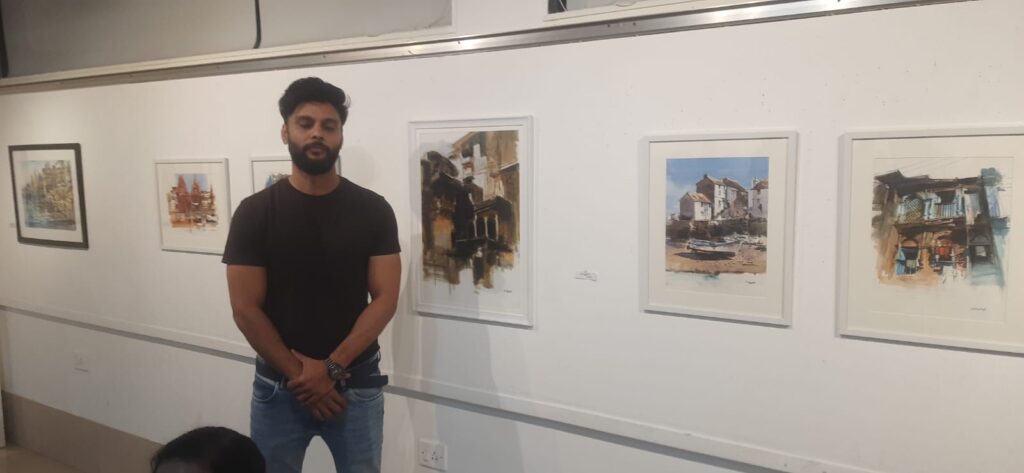
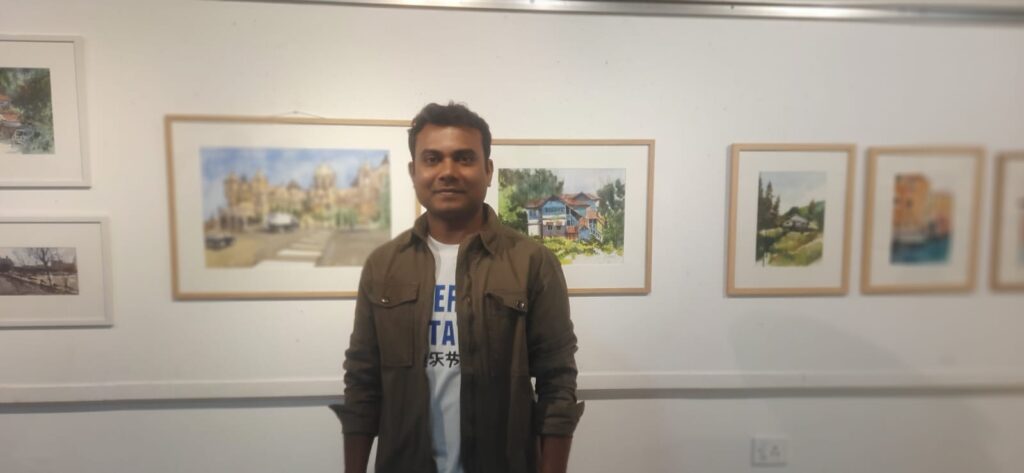
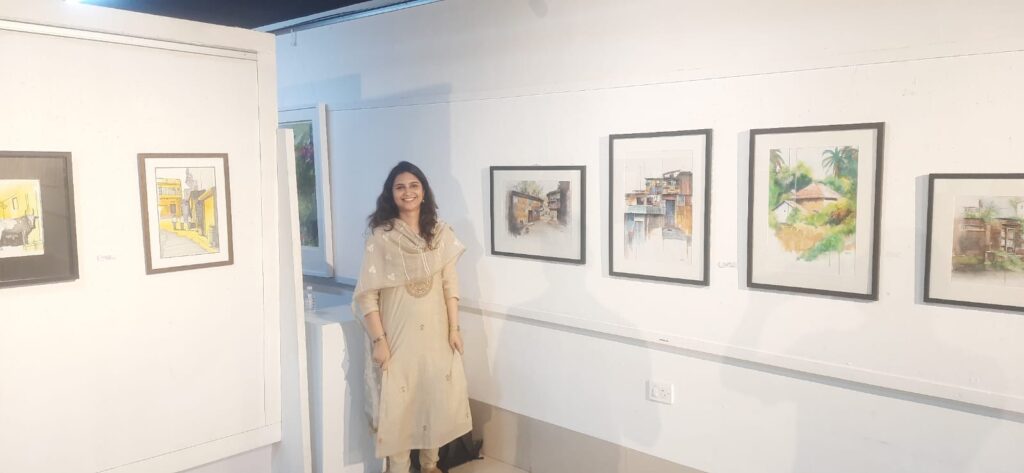
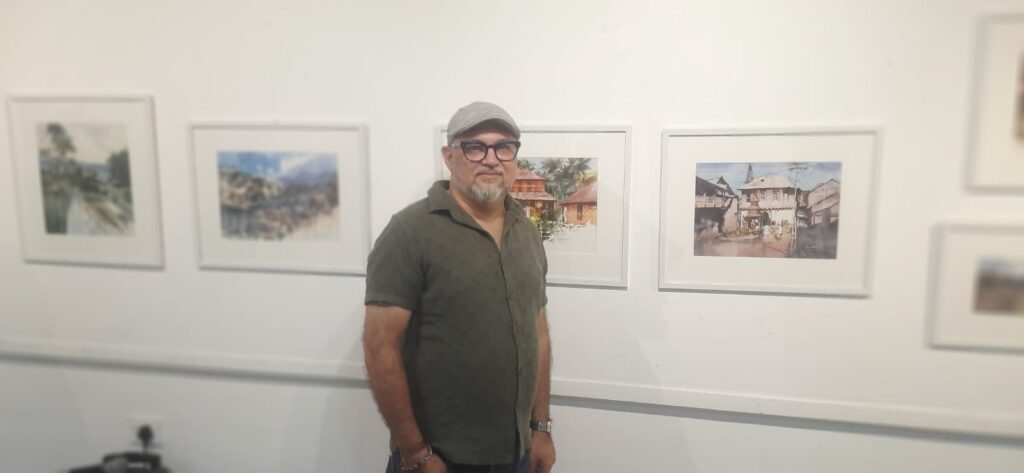
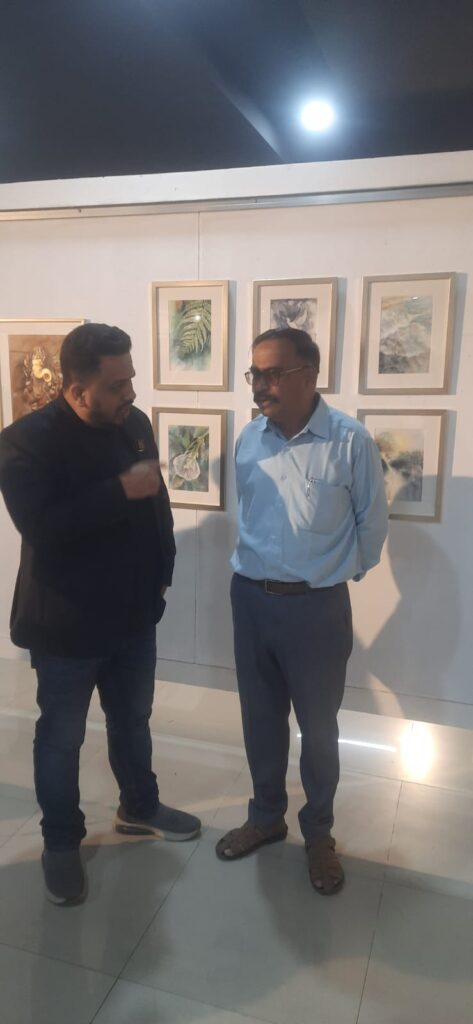
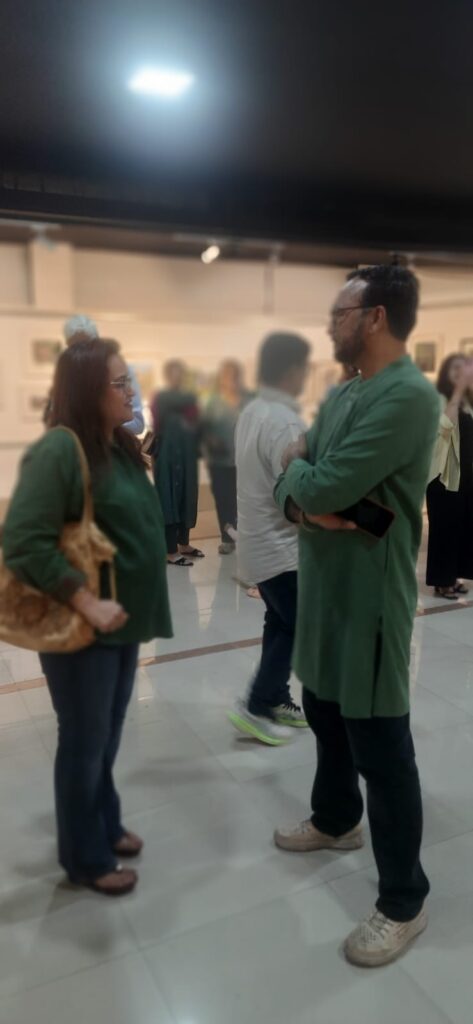
Guru Purnima is, in true essence, making Milind Mullick an ace teacher and a mentor. Punekar celebrates art at Raja Ravi Verma Art Gallery.
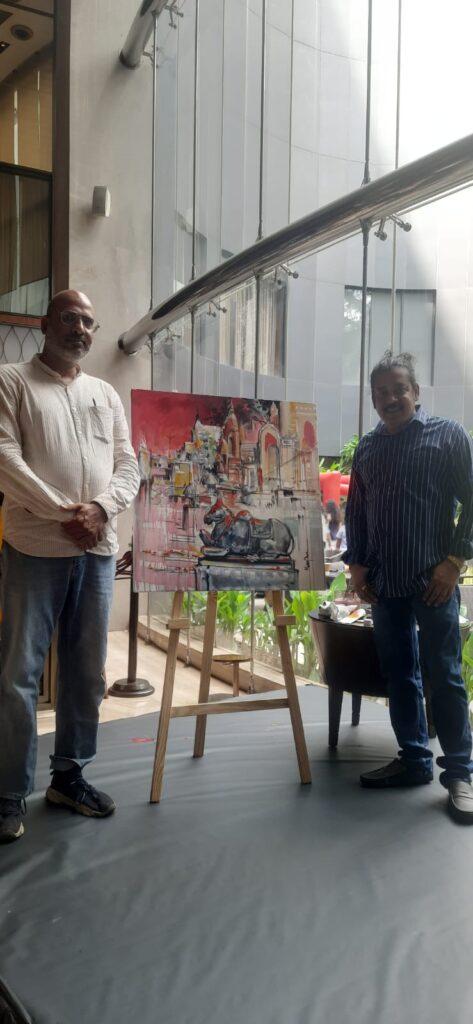
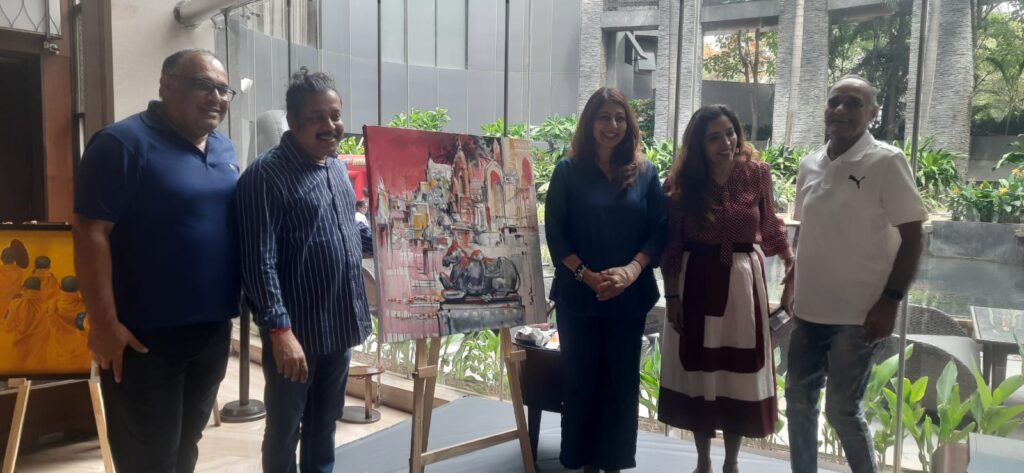
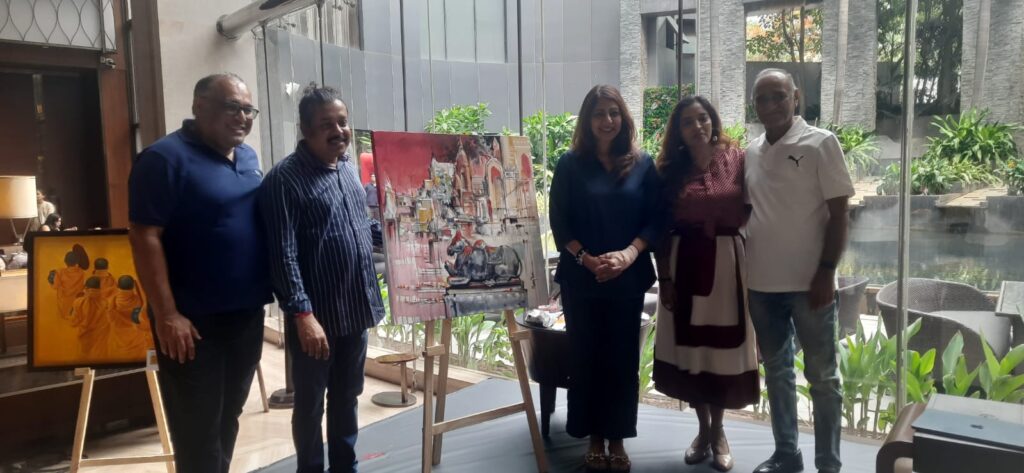
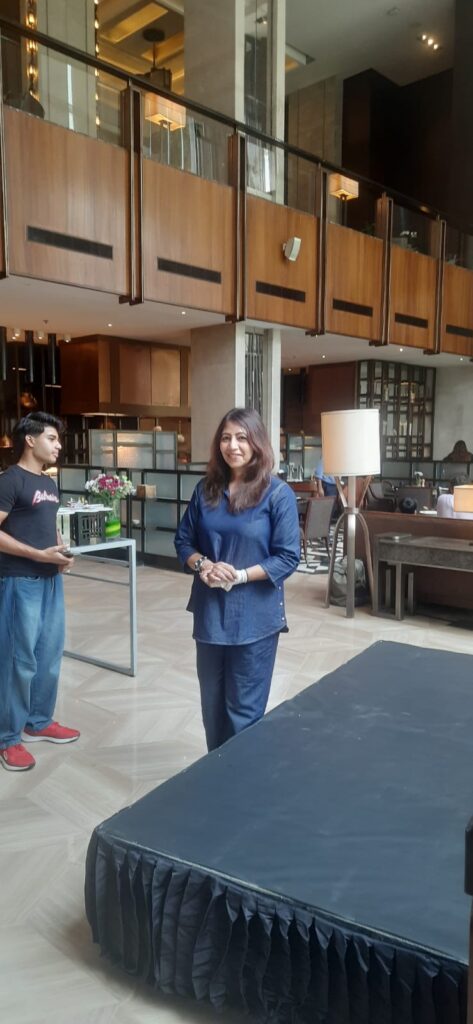
Rajika Mittra is the curator and driving force behind the Asian Art House, which specializes in bringing exceptional contemporary art from across India and Southeast Asia to curated luxury spaces.
For an event like this Art Brunch, her curation is what bridges the gap between the culinary experience and the gallery-level showcases, specifically selecting the Indi-Vietnamese art and Manoj Das’s Banaras paintings to transform Coriander Kitchen into a living gallery.
Coriander Kitchen
- Culinary Showcase: The buffet features a dedicated “Pahadi ki Rasoi” section, serving authentic, rustic flavors and traditional dishes from the Indian Himalayan foothills.
- Ambiance: The restaurant’s expansive architecture, marked by a 40-foot high ceiling and large windows, complements the exhibition of fine art.
Featured Art Exhibitions
The dining area transforms into a gallery space showcasing distinct cultural and artistic themes.
- Indi-Vietnamese Art: A unique display blending Indian sensibilities with Vietnamese artistic traditions, highlighting shared Eastern aesthetics, forms, and textures.
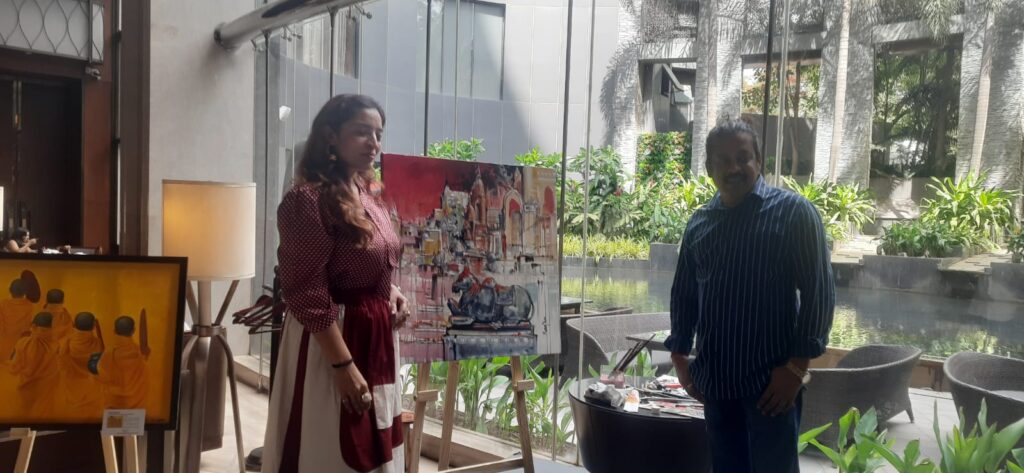
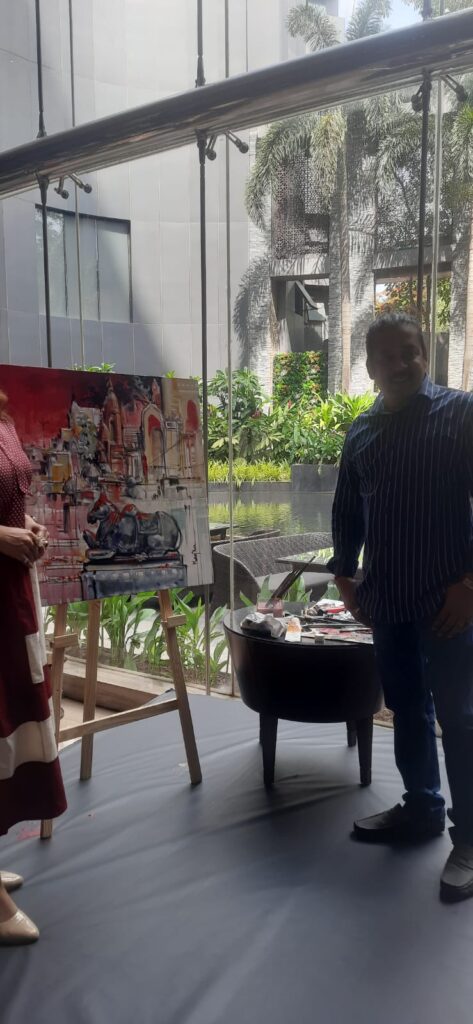
- Manoj Das’s Banaras Paintings: A collection by artist Manoj Das, capturing the mystical essence, ghats, and spiritual energy of Banaras through a distinct modern perspective and rich visual depth.
And I sketched while I was waiting at the Conrad.
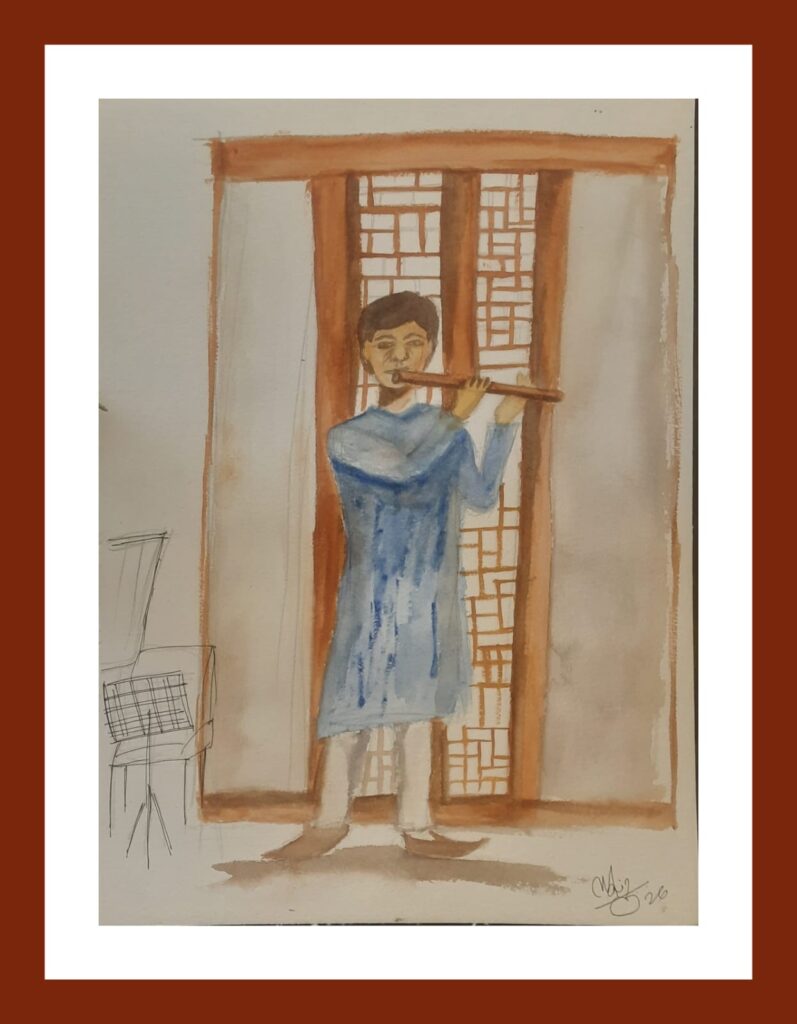
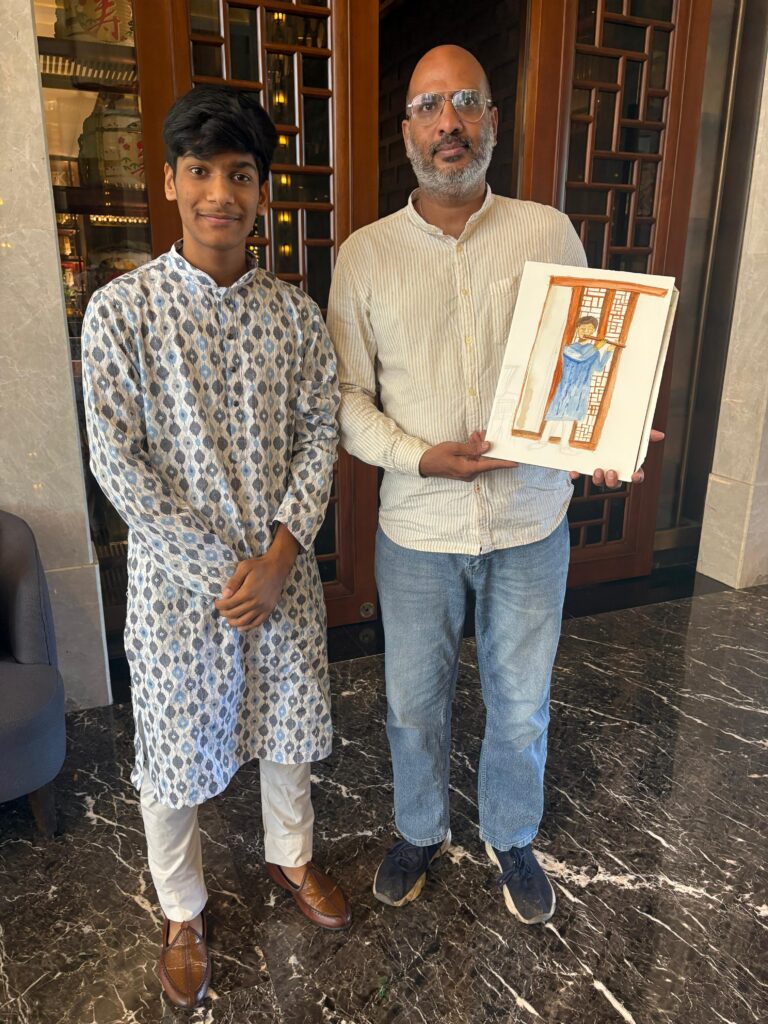
Live sketch as Urban Sketchers Sunday meet of Flutist Neeraj Kulkarni.
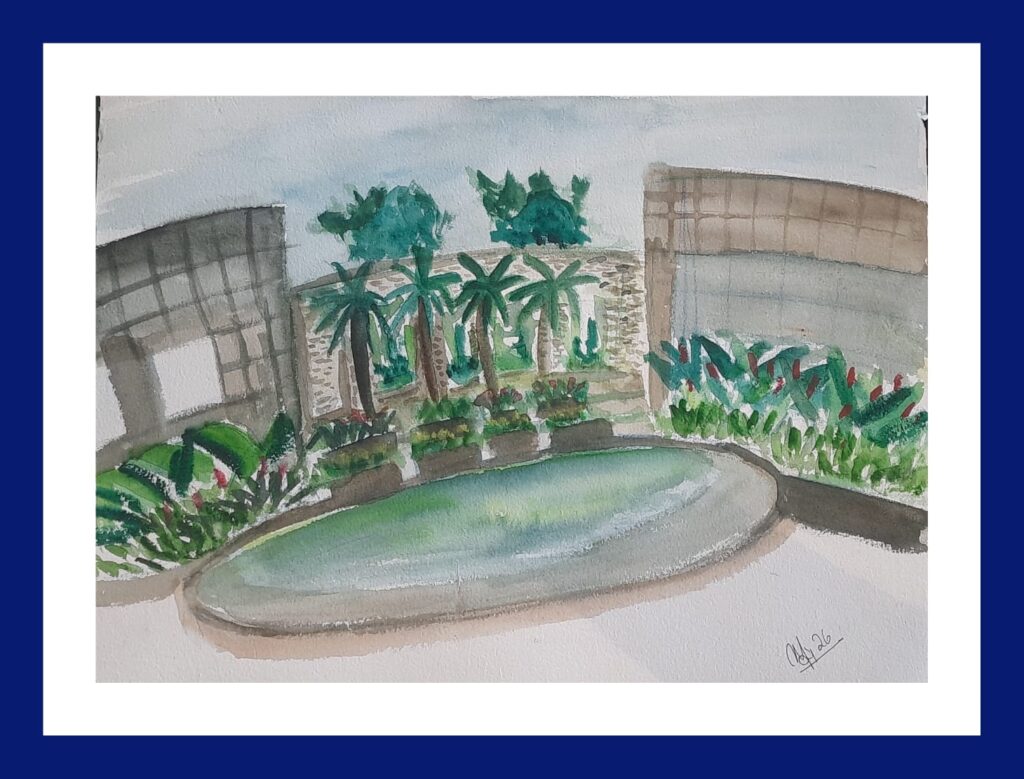
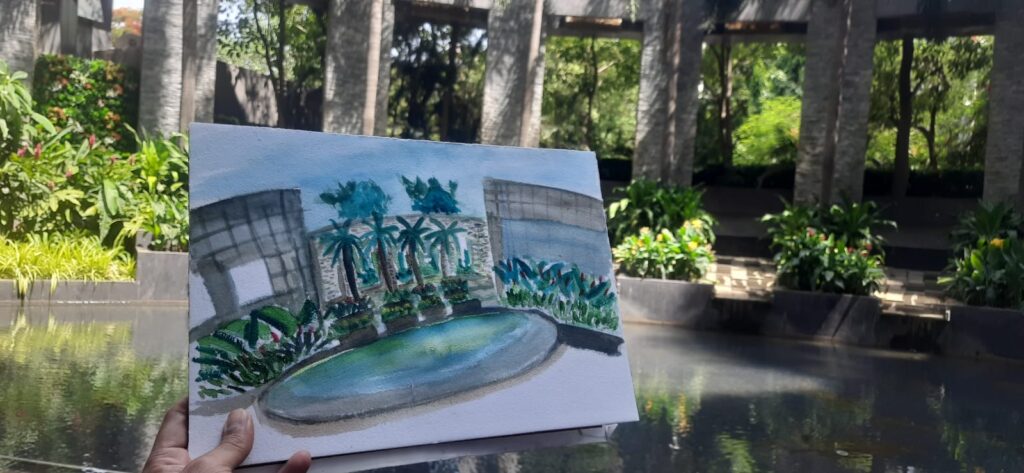
Sketching in the patio of Coriander Kitchen.
Art Brunch at Conrad, Manoj Das gives a demo of his art of banaras and makes it a memorable moment for the guest and Rajika Mittra takes them through an Art Walk.