By Moiz Mamoowala

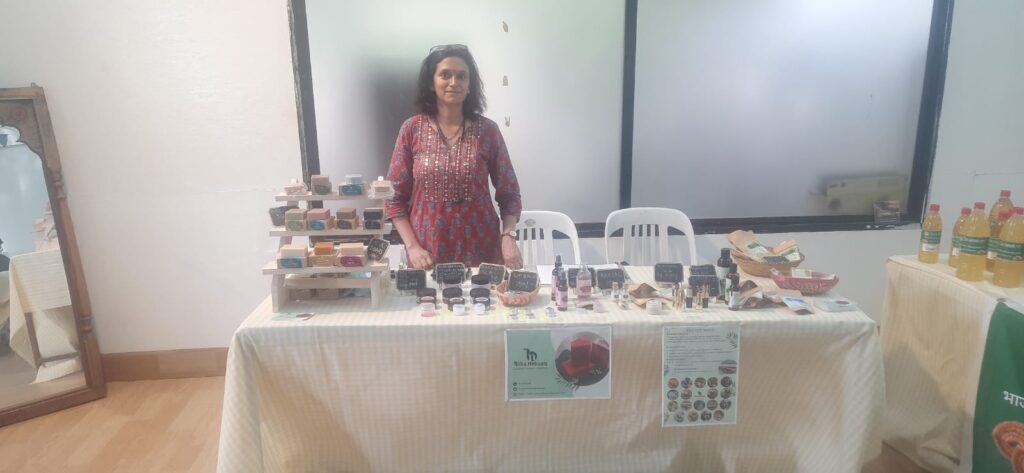
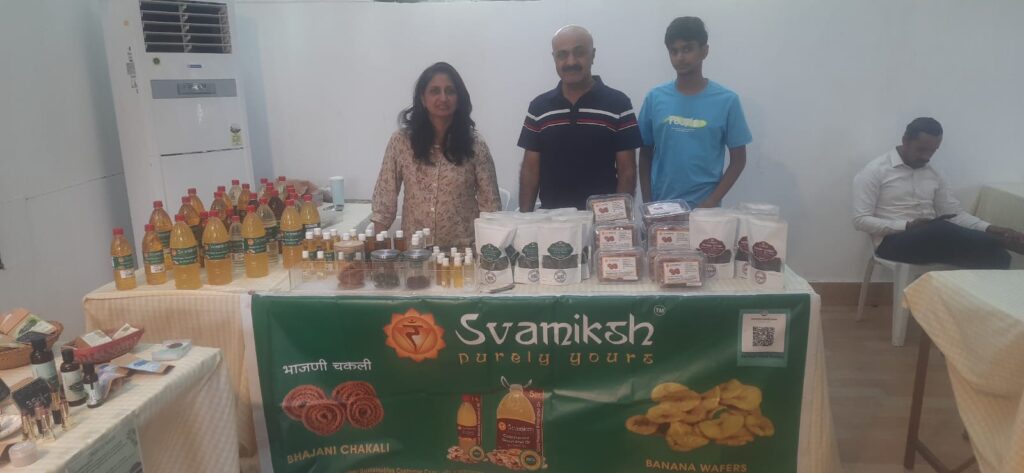
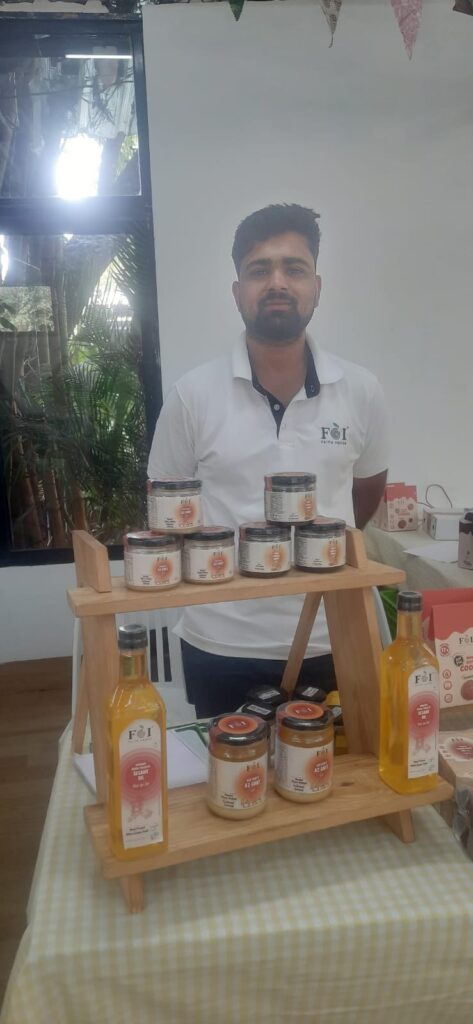
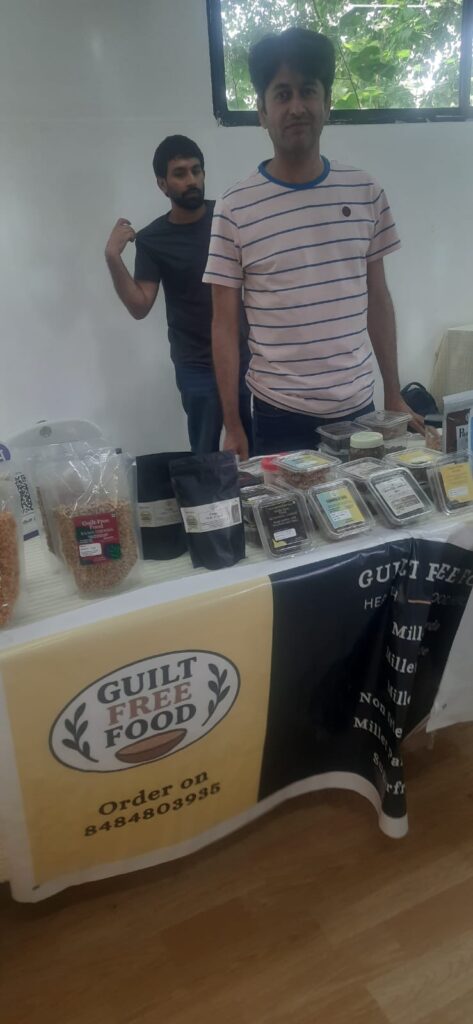
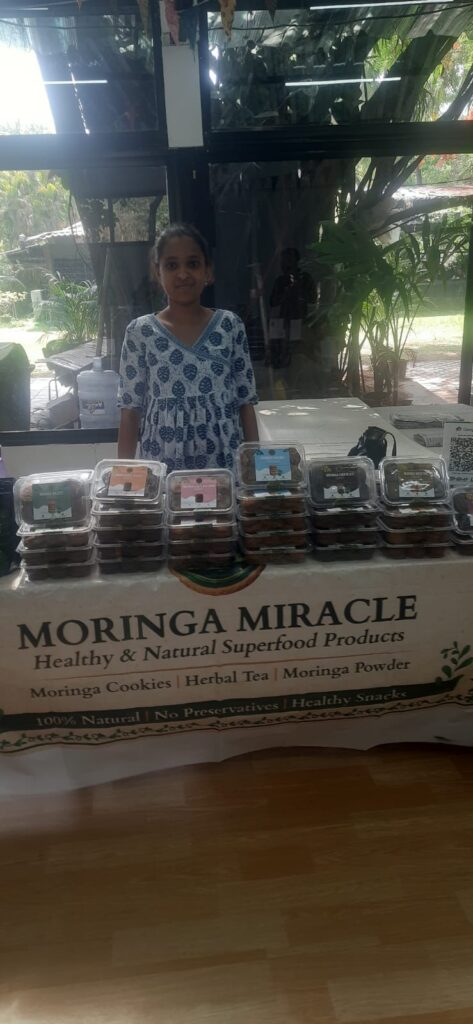
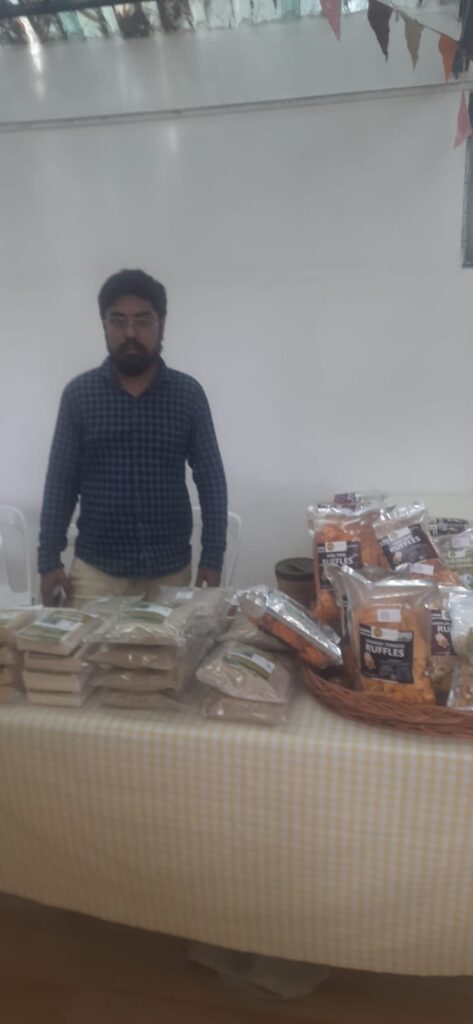
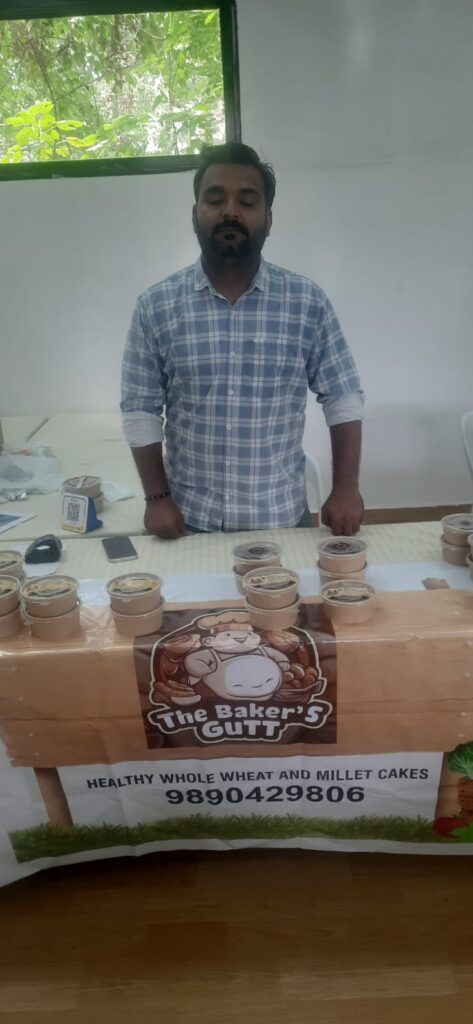
It’s heartening to see Pune leaning into its “cultural capital” roots by embracing the future of food, which, ironically, looks a lot like the past. Initiatives like the Earth Souk at Monalisa Kalagram aren’t just about shopping; they are about rebuilding a lost connection with the soil. Extending the Art gallery to artisanal food and making an excuse for a Mother’s Day gift hamper or for any festive occasion. Creating a unique experience for mothers and kids or grownups to treat their mothers for a memory inclusive of art, food and groceries.

Here is a breakdown of why this shift towards millets and mindful consumption is gaining such momentum:

Why the “Millet Revival” Matters?

Millets are often called “miracle grains” for a reason. While they were sidelined during the Green Revolution in favor of rice and wheat, their comeback is fueled by two major factors:

  • Environmental Resilience: Millets are incredibly hardy. They require significantly less water than rice and can grow in poor soil without the need for synthetic fertilizers.
  • Nutritional Powerhouse: They are gluten-free, have a low Glycemic Index (GI), and are packed with fiber, protein, and essential minerals like magnesium and iron.

At a Glance: What Earth Souk Offers

CategoryFeatured Highlights
The GrainsRagi (Finger millet), Bajra (Pearl), Jowar (Sorghum), and minor millets like Foxtail and Kodo.
Pantry StaplesCold-pressed oils, chemical-free jaggery, raw forest honey, and stone-ground spices.
Fresh ProduceSeasonal vegetables and fruits grown using regenerative farming practices.
EducationWorkshops on cooking with millets and the “Farm-to-Fork” journey.

Beyond the Shopping Bag

The real value of events managed by community leaders like Akash Panavkar lies in the transparency they provide. In a typical supermarket, the “story” of your food is hidden behind plastic packaging. At the Earth Souk:

  1. Direct Dialogue: You can actually talk to the person who grew your food, understanding the challenges of chemical-free farming.
  2. Cultural Revival: By showcasing indigenous foods, the souk helps preserve traditional recipes and farming techniques that were on the verge of disappearing.
  3. Community Building: It transforms the act of “buying groceries” into a social and educational experience, making sustainability feel like a collective journey rather than a chore.

“Spoil Mom, Save the Planet: The Earth Souk Special”, At Monalisa Kalagram, Pune.

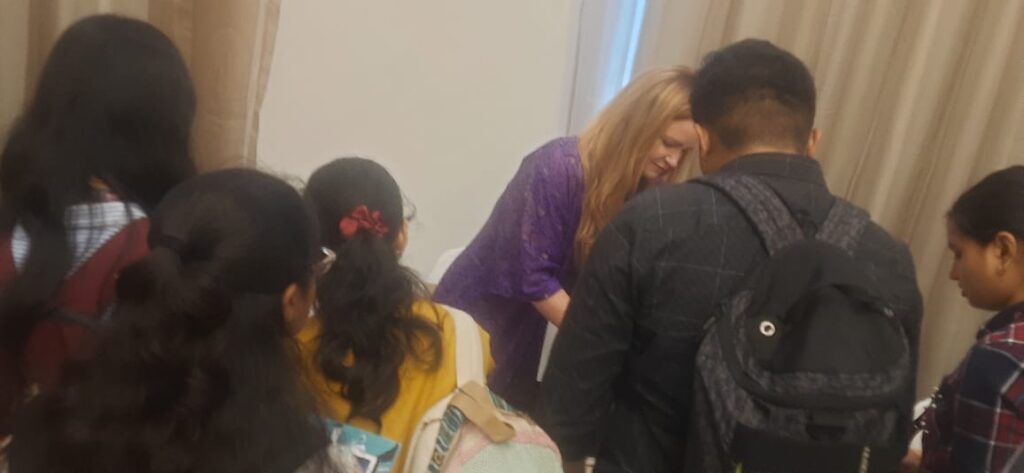
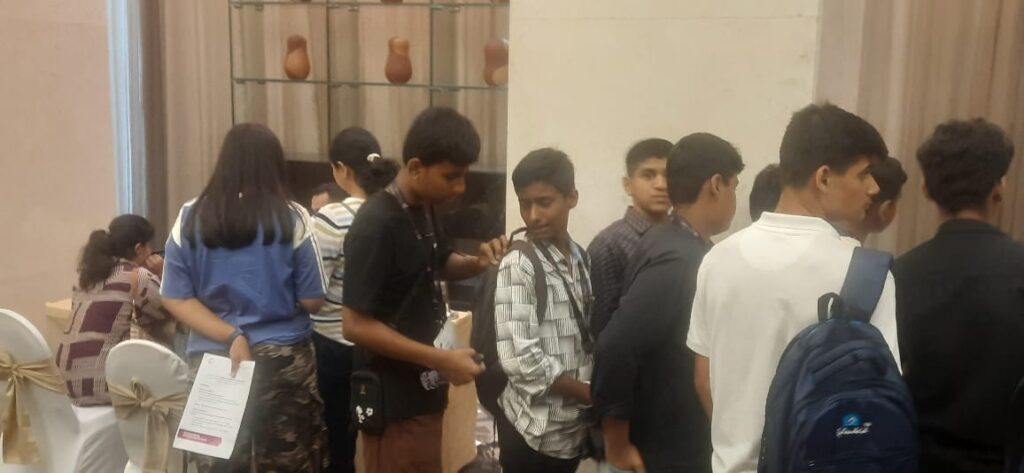
Zista Events recently hosted a groundbreaking seminar at ‘The O Hotel’ in Pune, setting new benchmarks for students aspiring to pursue higher education abroad, particularly in the cutting-edge fields of AI and Robotics. The event brought together leading academics and industry experts to shed light on the transformative impact of these technologies and the global opportunities they present.

Robotics: Redefining Human Potential

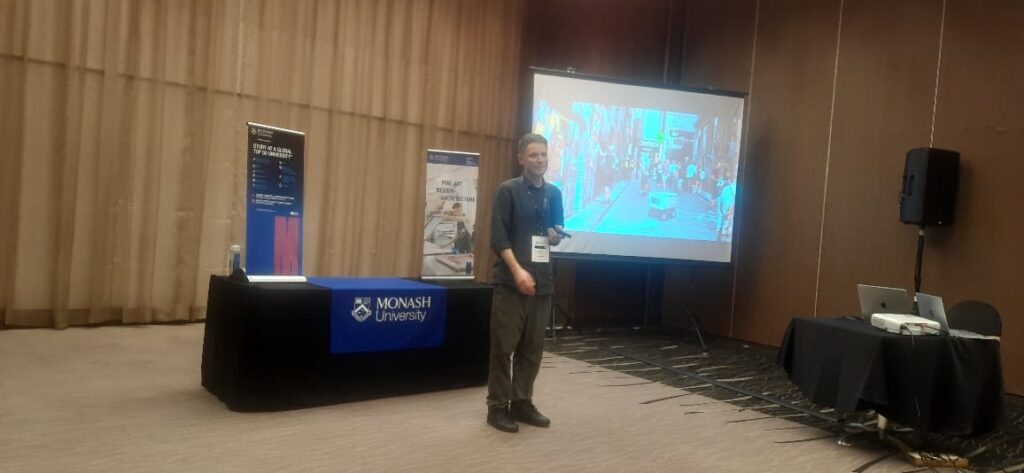
The session on robotics was spearheaded by Dr. Ilya Fridman, a distinguished professor and Head of the Department for Art and Design at Monash University. Dr. Fridman, renowned for his work on the ‘Robotic Library’—an innovative online resource cataloging robots for everyday life applications—captivated the audience with his vision of a future where robots seamlessly integrate into our lives, freeing humans from mundane and high-risk tasks.

Beyond the Minutiae: Robots for Dignified Living

Dr. Fridman elaborated on the process of conceptualizing and building robots, emphasizing the identification of tasks that can be automated to elevate human dignity. He highlighted how robots could take over labor-intensive, hazardous, or repetitive jobs such as mining, cleaning, and waste management. This allows humans to focus on higher-order thinking, creativity, and innovation, thereby reducing costs and improving efficiency across various sectors. The discussion also touched upon advanced robotic forms, including holographic robots, and the potential for artistic applications, such as motorizing or robotizing statues to enhance city aesthetics, drawing inspiration from local attractions like Tikuji-Ni-Wadi’s dinosaur robots.

AI’s Impact on Design & Communication

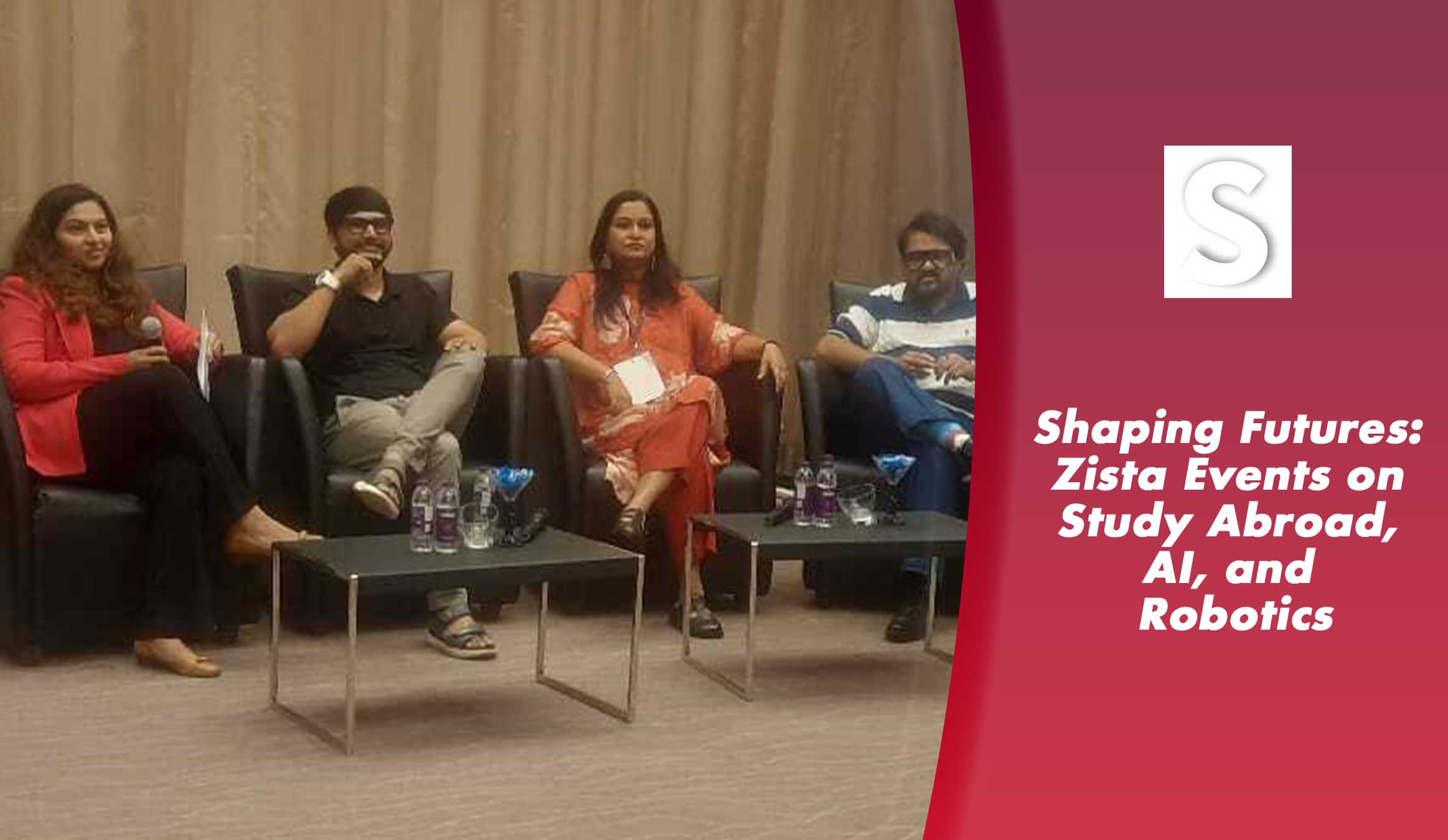
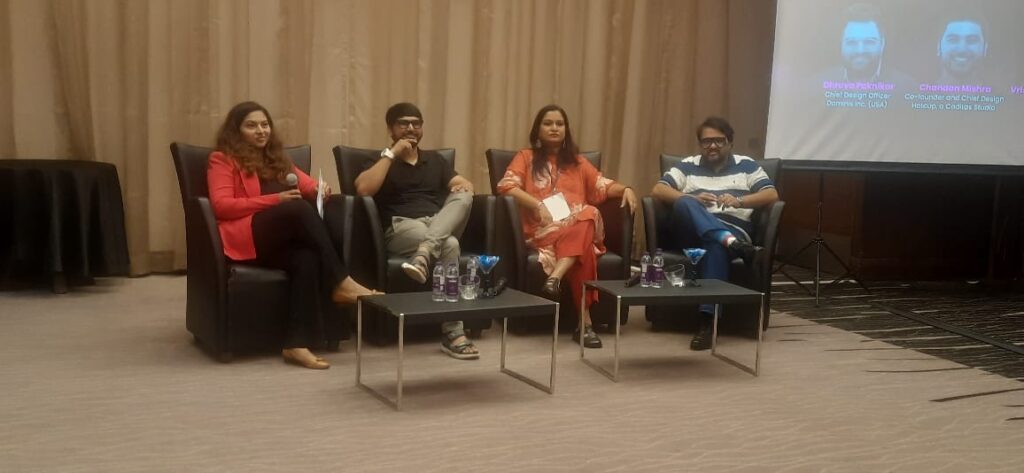
A subsequent session delved into the profound impact of Artificial Intelligence on the future of design and communication. Moderated by Mrs. Mitali, the panel featured prominent speakers Mr. Chandan, Mrs. Kulkarni, and Mr. Paknikar. The discussion underscored how AI is reshaping design from its aesthetic roots into a more deeply meaningful and functionally artistic representation. From advertising promotions to intricate packaging designs, AI is poised to streamline processes and perform tasks with unprecedented efficiency.
AI and the Evolving Job Market

The event saw significant audience engagement, with many questions revolving around AI’s influence on the job market. The consensus was that AI will increasingly digitize every facet of our lives, minimizing human intervention in routine tasks and liberating individuals from “minuscule jobs.” This shift is expected to free up human labor for more complex and creative endeavors, potentially leading to reduced costs for products and technologies. Historical examples, such as the old railway station weighing scales—an early form of automation—were cited to illustrate the long-standing progression of robotic integration into daily life.

The transformation is evident in industries like automotive manufacturing, where robotic arms have revolutionised assembly lines, and in stone cutting, showcasing AI’s capability in precision tasks.

Furthermore, the potential for robots to undertake high-risk roles like traffic management and firefighting was explored, painting a vivid picture of a safer and more efficient future powered by advanced technology. One logistic or warehousing example is Future Groups Warehouse, which is completely robotic located at Chakan Road, Pune, which was inaugurated by Shree Nitin Gadkari.

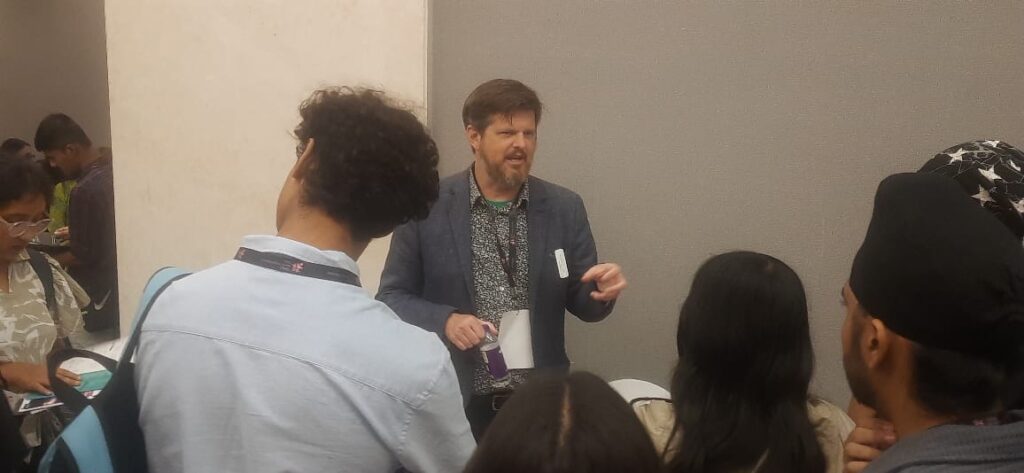
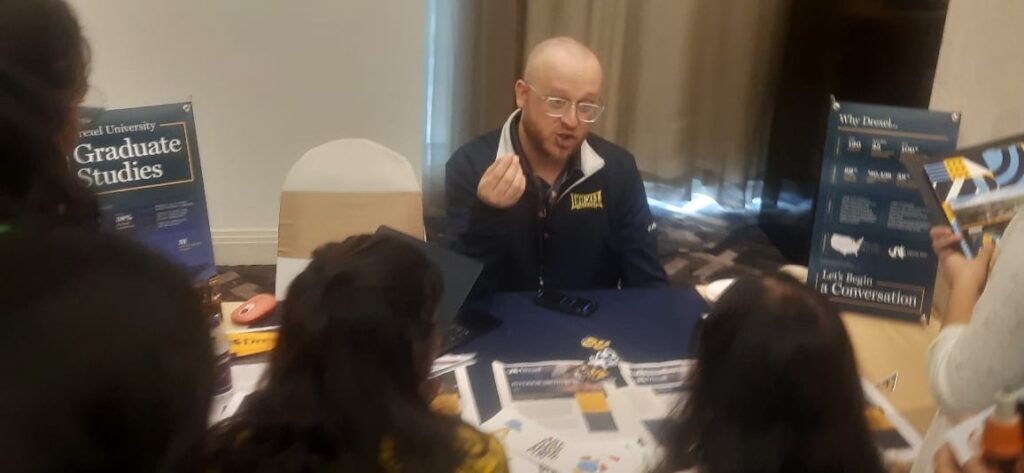
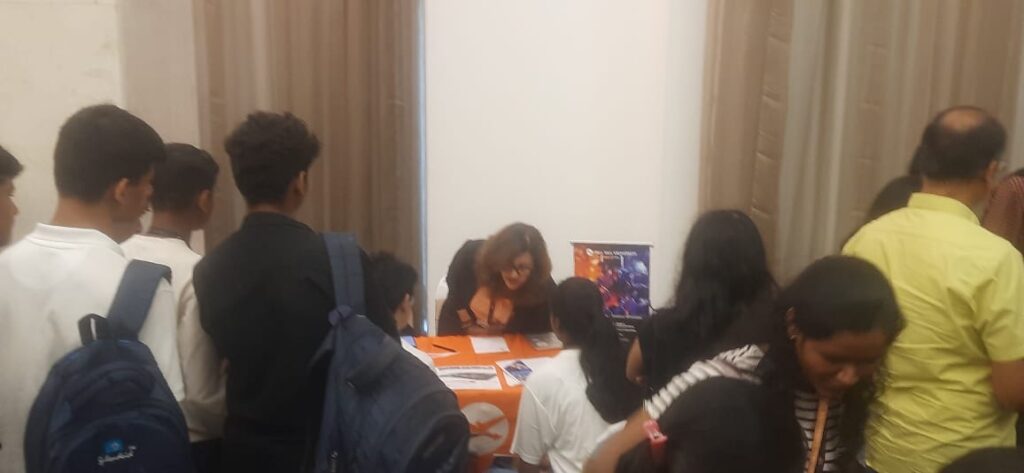
The event concluded with a networking tea, allowing attendees the invaluable opportunity for one-on-one interactions with representatives from various universities, further facilitating their study abroad aspirations.

Shaping Futures: Zista Events on Study Abroad, AI, and Robotics.

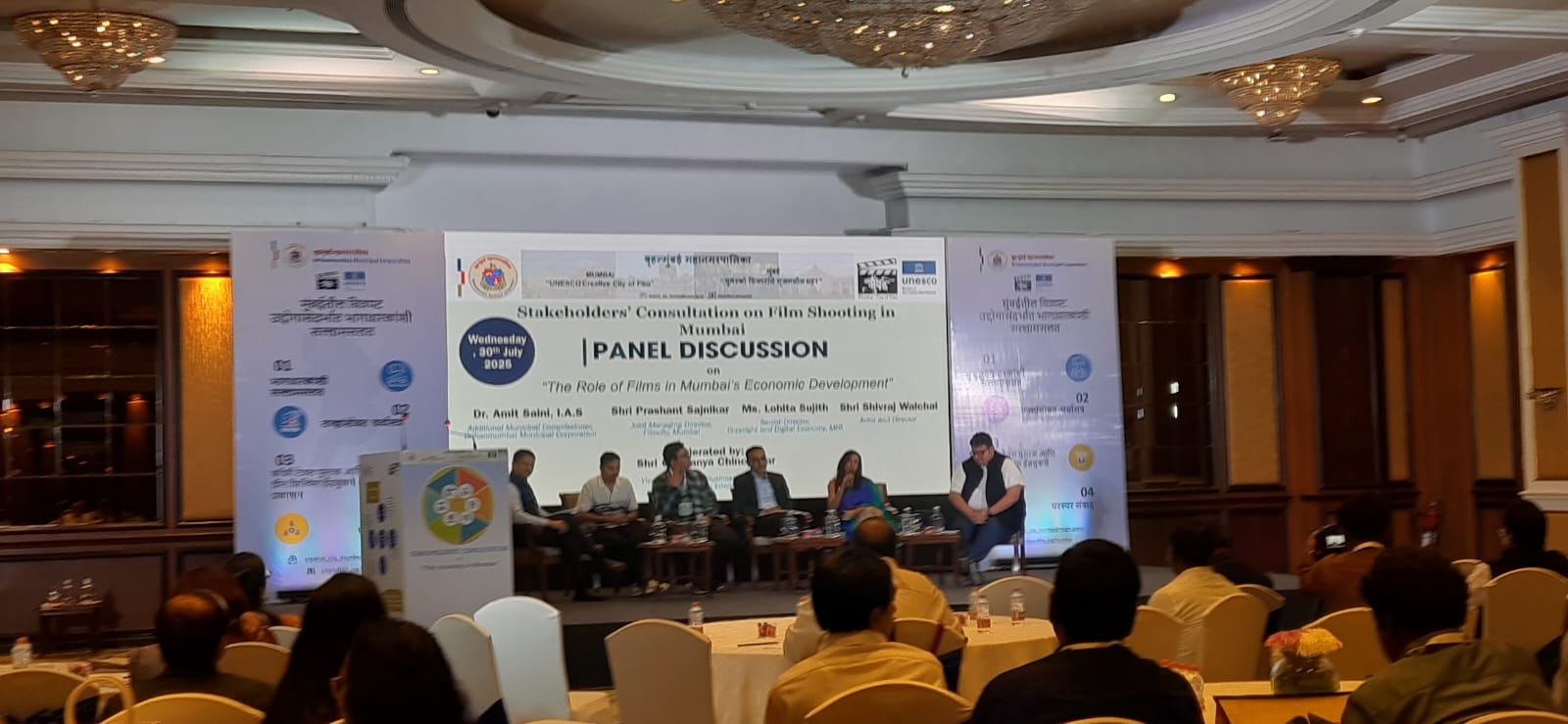
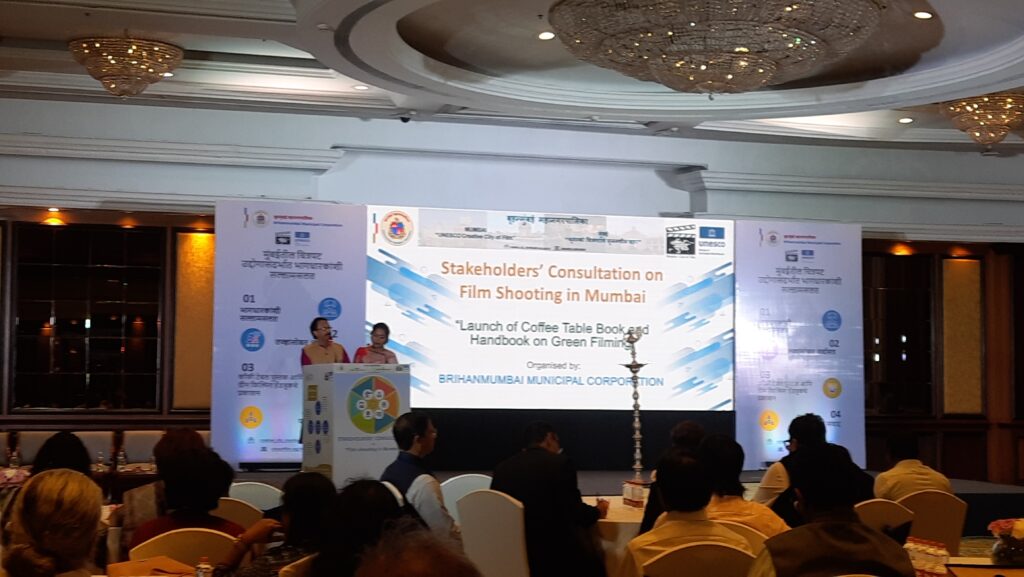
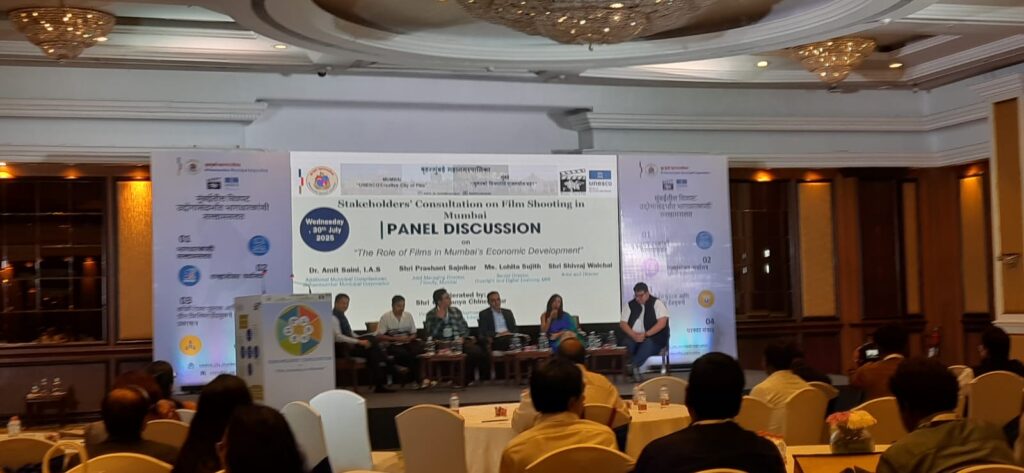
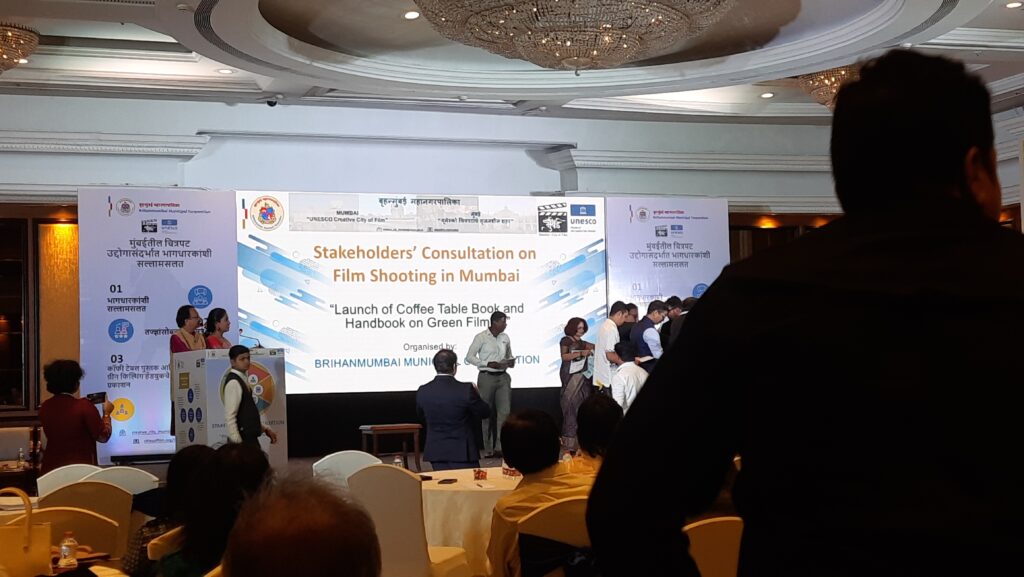
On July 30, 2025, a landmark event at the Taj Lands End, orchestrated by Ernst & Young, unveiled a transformative vision for Mumbai’s Film City and its economic development. This initiative, built upon years of meticulous data compilation regarding filming activities in Mumbai, aims to streamline processes, enhance infrastructure, and boost tourism, marking a new chapter for filmmakers and the city’s burgeoning entertainment sector.

A Collaborative Beginning: The Inaugural Event

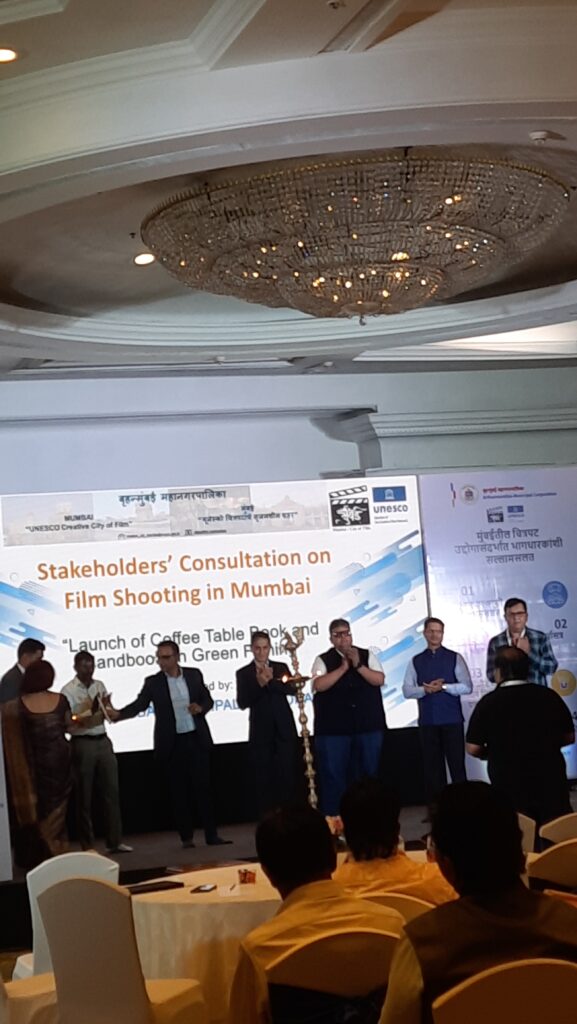
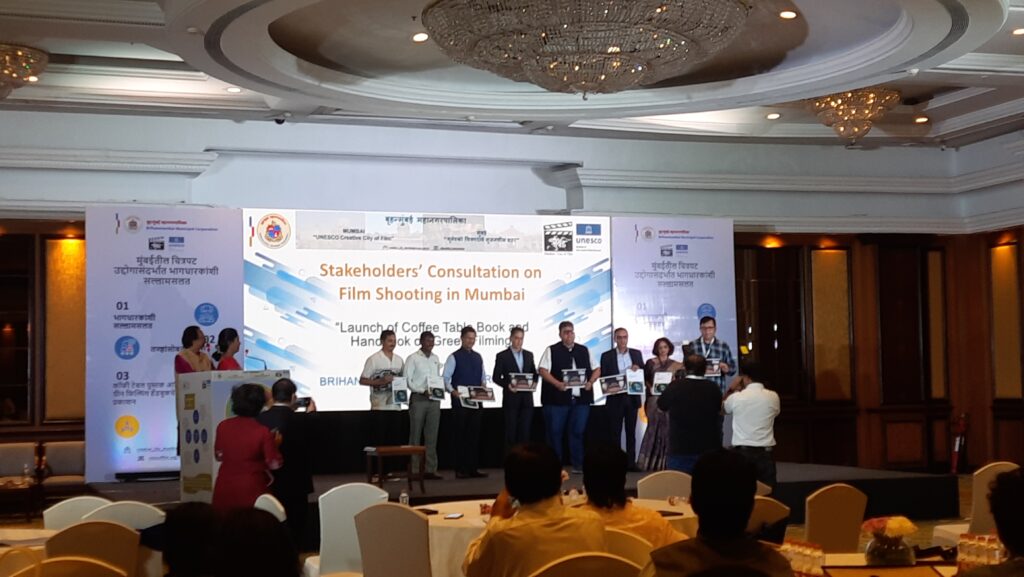
The event commenced with a traditional lighting ceremony, symbolizing prosperity and new beginnings, followed by the presentation of exclusive coffee table books and handbook on Green Filming to chief guests and VIPs. These books chronicled Mumbai’s rich cinematic history and the ambitious future plans. Engaging audio-visual presentations underscored the critical role of the Brihanmumbai Municipal Corporation (BMC) in this developmental journey, tracing the history of Film City’s growth and highlighting its immense potential to invigorate tourism. A central tenet of the proposed reforms is the creation of a seamless process for film producers, significantly simplifying the complex web of permissions and navigating local legal intricacies that often impede production timelines.

Strategic Engagements and Industry Insights

BMC has actively fostered an environment of open dialogue, engaging extensively with key stakeholders from the Mumbai Film City and Economic Development sectors. A distinguished panel, comprising prominent industry veterans and a dedicated think tank, has meticulously devised a comprehensive plan. This plan focuses on several critical areas: enhancing the existing infrastructure of Film City, redeveloping outdated facilities, and establishing robust, transparent policies designed to streamline filmmaking processes. Particular emphasis has been placed on simplifying BMC permissions required for utilizing public spaces and government infrastructure, which are vital for location-based shoots.

Seamless Permissions

Simplifying bureaucratic hurdles for filmmakers to secure necessary approvals for shoots.

Infrastructure Boost

Investing in state-of-the-art facilities and upgrading existing structures within Film City.

Tourism Enhancement

Leveraging Film City’s global appeal to attract more tourists and generate revenue.

Policy Reform

Developing clear, consistent guidelines for all aspects of film production and related activities.

Key Concerns and Future Directives

During the discussions, stakeholders representing a diverse spectrum of the media industry—including filmmakers, documentary producers, OTT platforms, large production houses, and advertising film producers—raised pertinent points for collective consideration. The dialogue extensively covered the pivotal roles of police and location managers, as well as local coordinators, who are instrumental in managing shoot requirements, vendor coordination, and crowd control through their local connections and expertise in securing permissions.
A significant point of discussion revolved around the urgent need for clear guidelines concerning temporary structures, such as studio setups or prefabricated auditoriums used for film displays. A notable and innovative suggestion proposed the establishment of a dedicated liaison between the government and film producers at actual shoot locations. This initiative could potentially create daily wage job opportunities for trained liaison officers in specific shooting areas, further bolstering local employment. Furthermore, architectural firms voiced critical concerns regarding structural modifications to buildings for film shoots, emphasizing that such alterations are often not temporary and entail significant, lasting changes, necessitating a more rigorous regulatory framework. This collaborative approach aims to position Mumbai as an even more attractive and efficient hub for global filmmaking.

Boosting Mumbai’s Film Industry: A Vision for Economic Development.

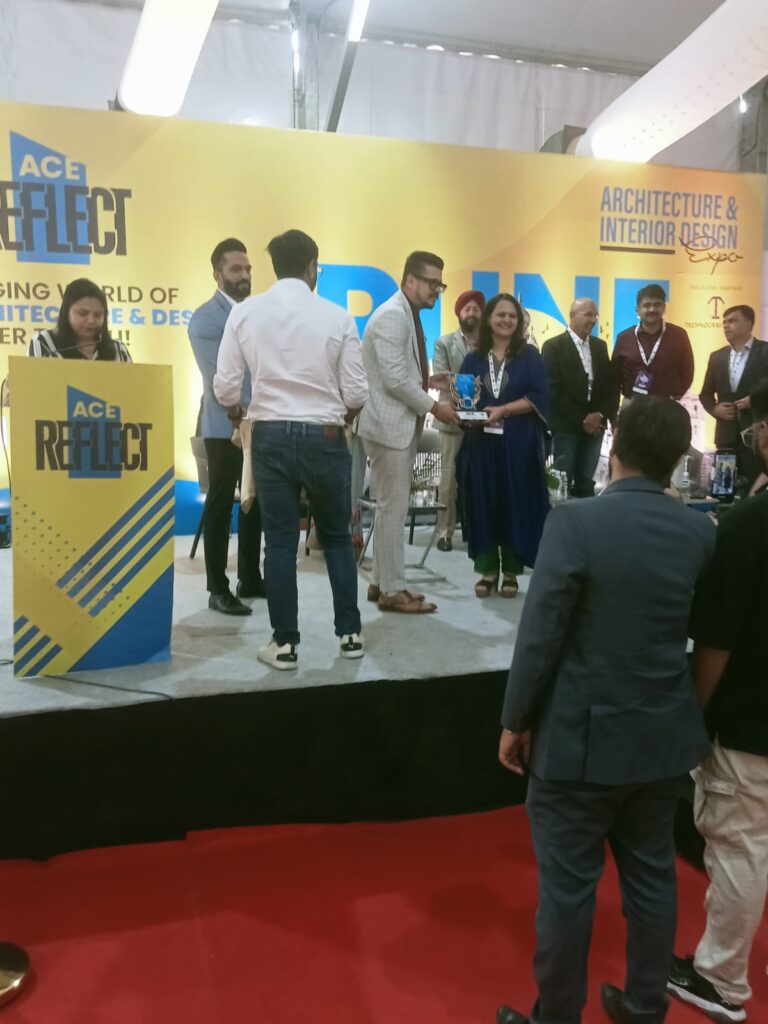
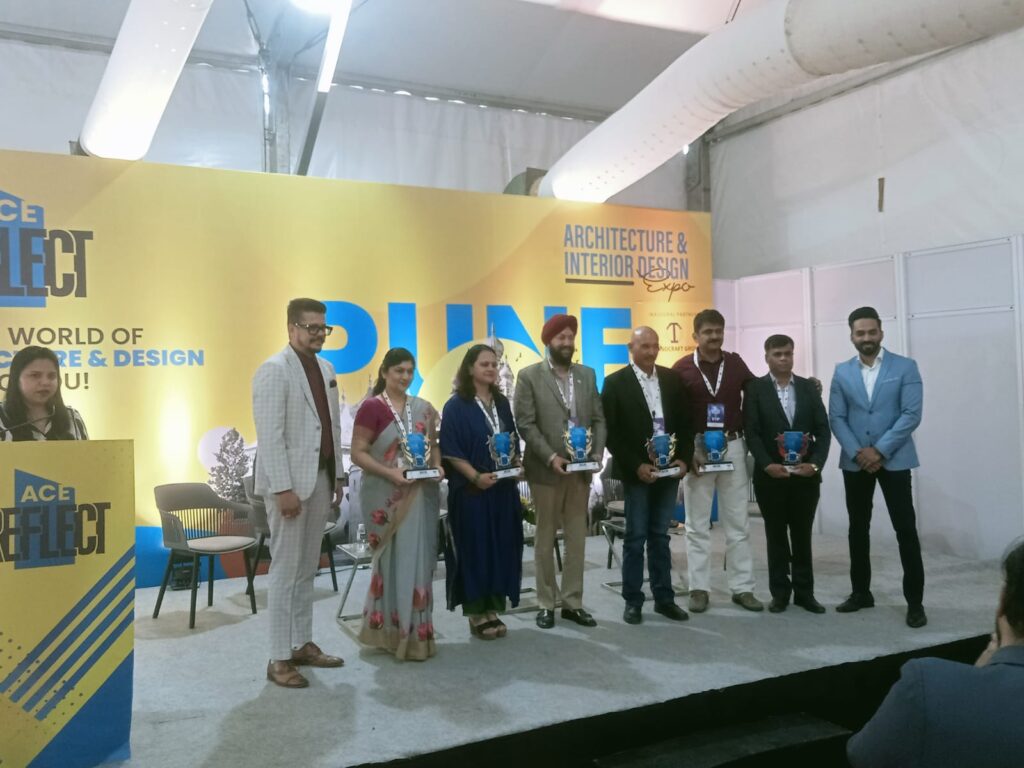
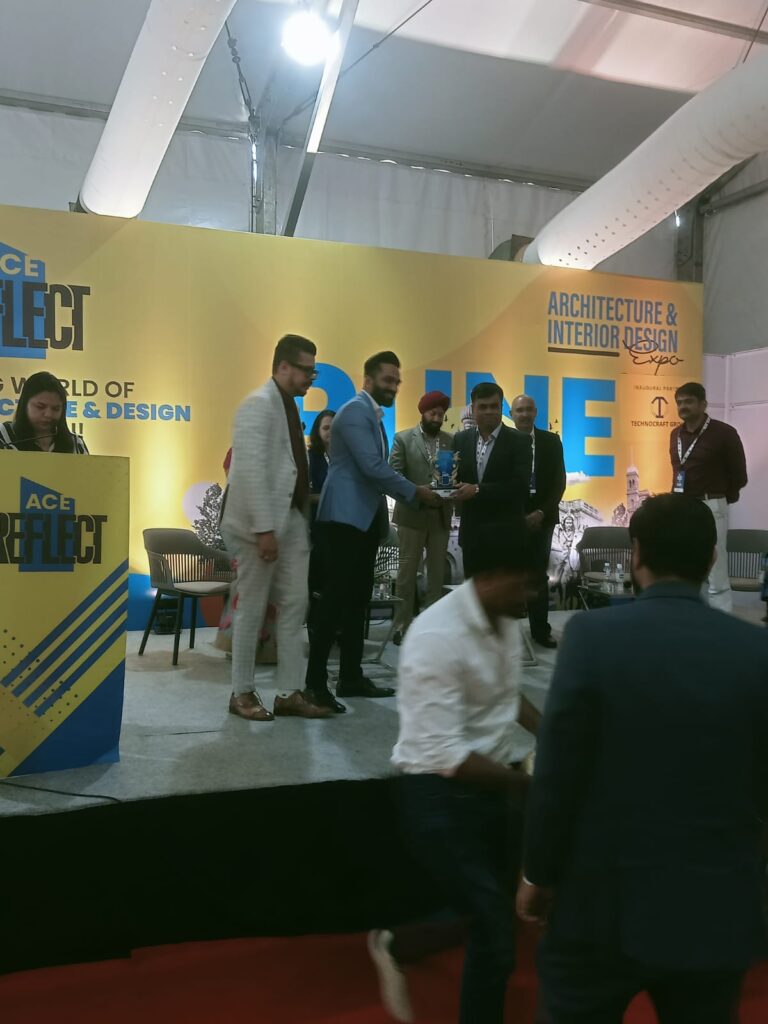
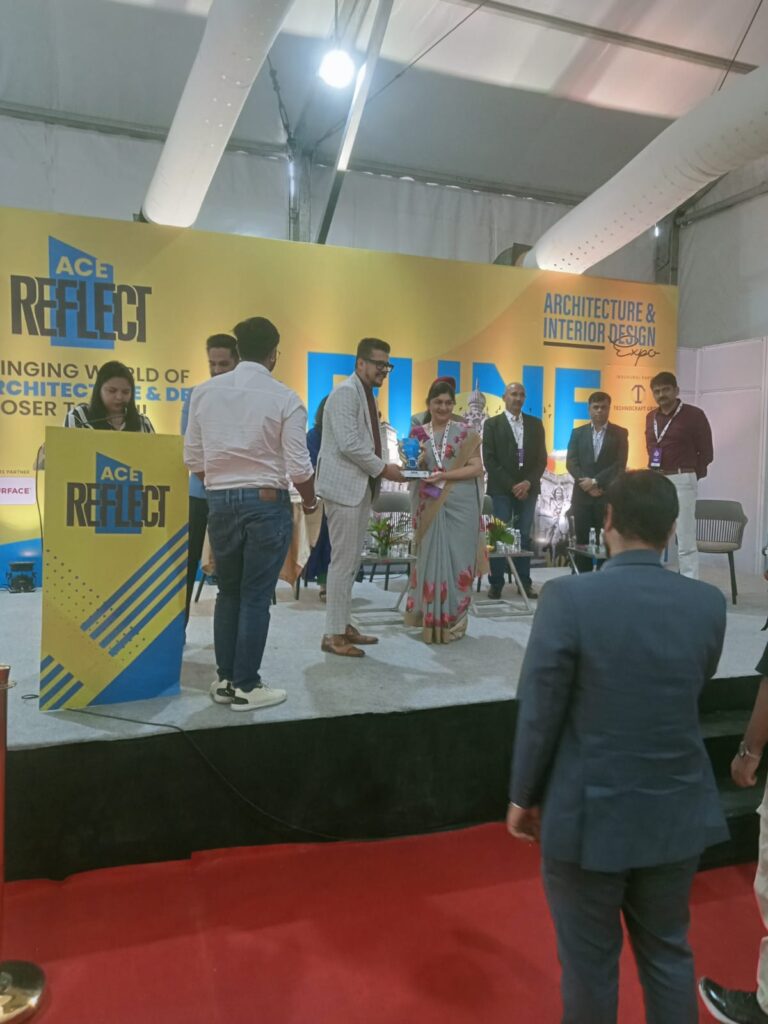
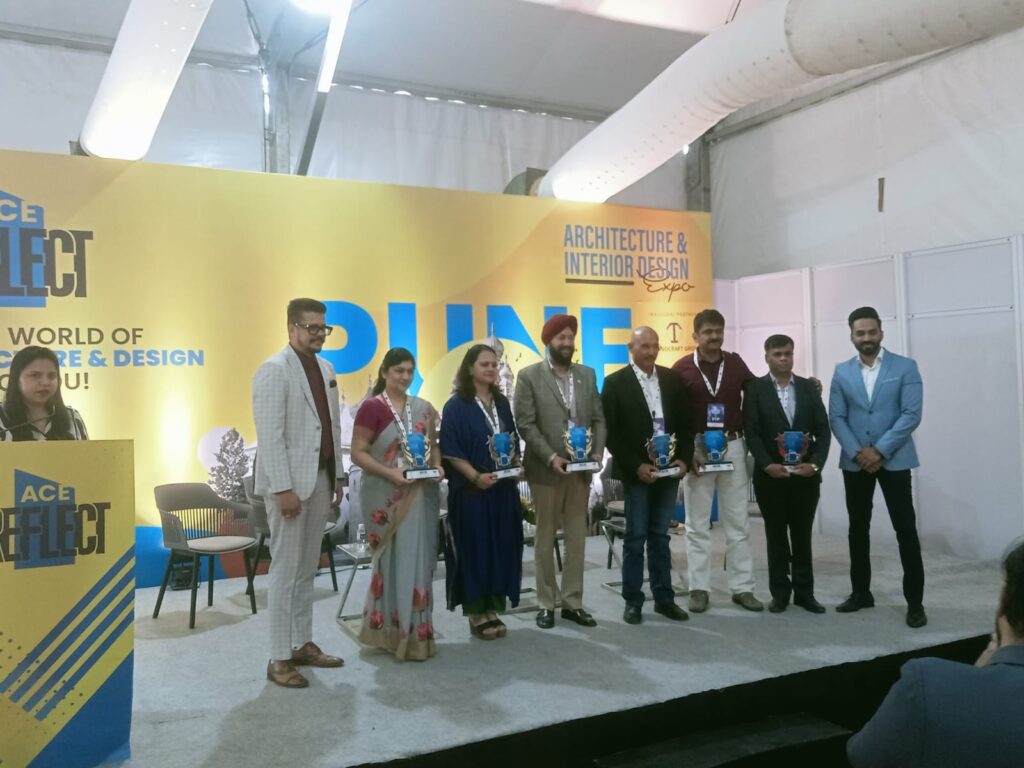
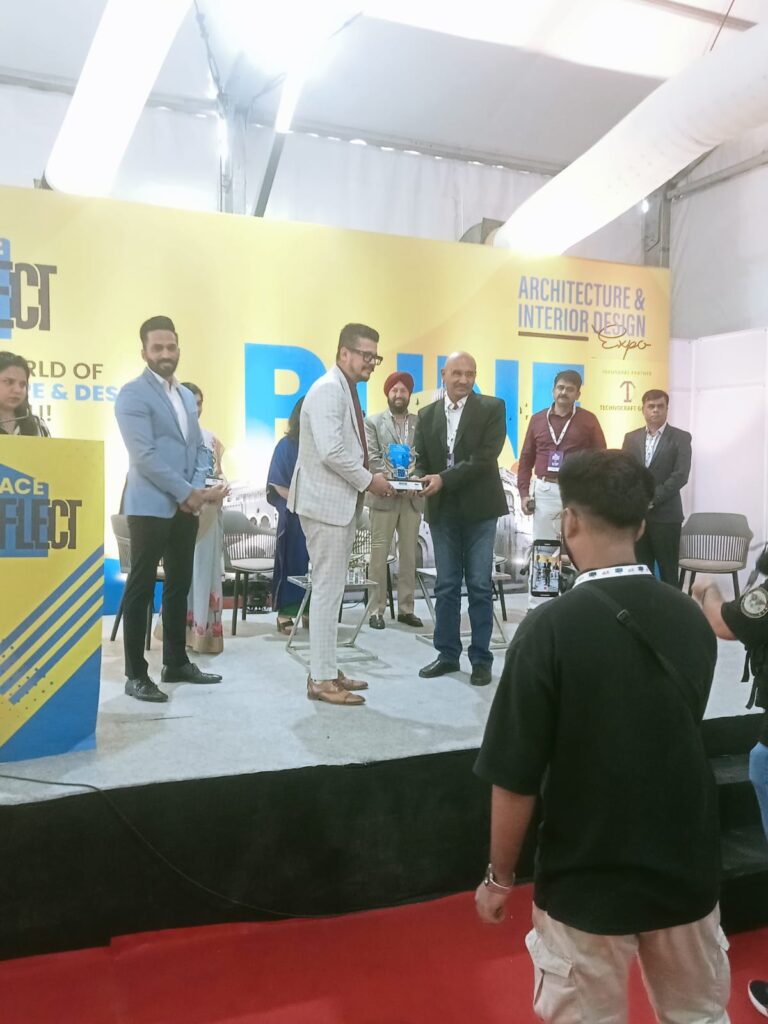
The ACE Reflect has made its way to Pune, finally there is some architecture appreciation in town. This time none other than Agriculture College Ground has hosted this event at their ground at Sachin Nagar. You will find the best of materials here and will make your project more robust and attractive with adding these materials and new age technology.
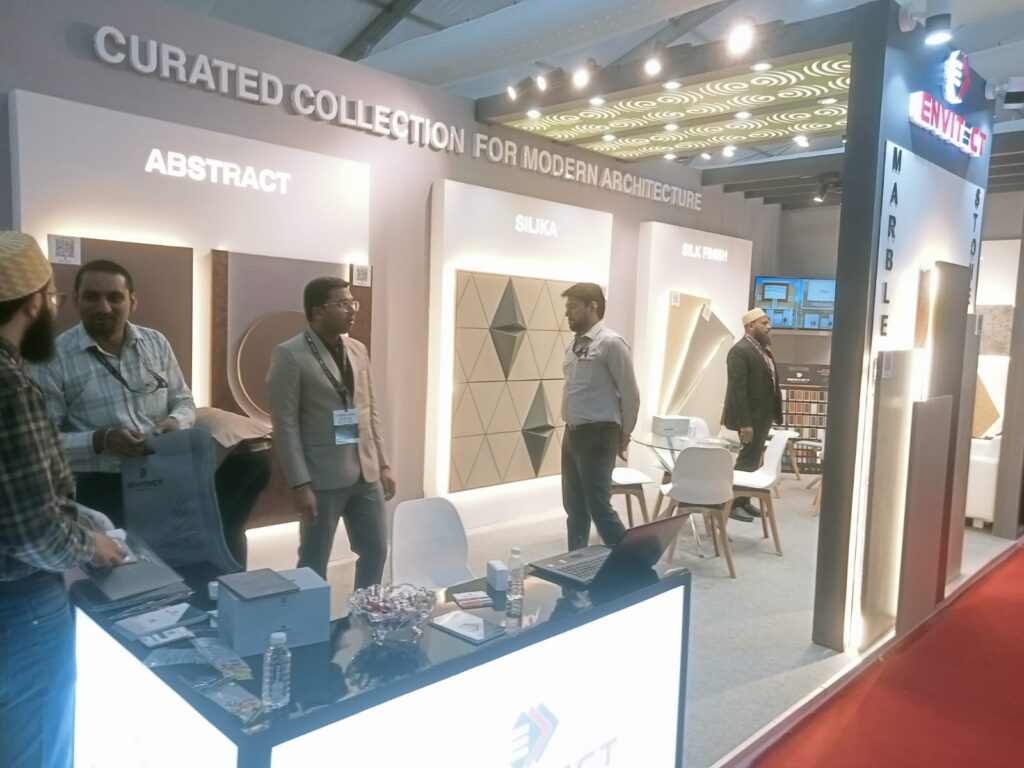
A panel discussion which helped to know the new ideas and construction needs for a city like Pune to discover these there were prominent speakers from the industry. Making a big point to encourage international collaboration for technology and professionals. This will give a cutting edge or sharp building strength to train internal as well as external consumer about new nuances. Among a few points discussed were keeping in mind space constrains in urban areas one has to tackle difficulties of installation and operation of large sized equipment’s.

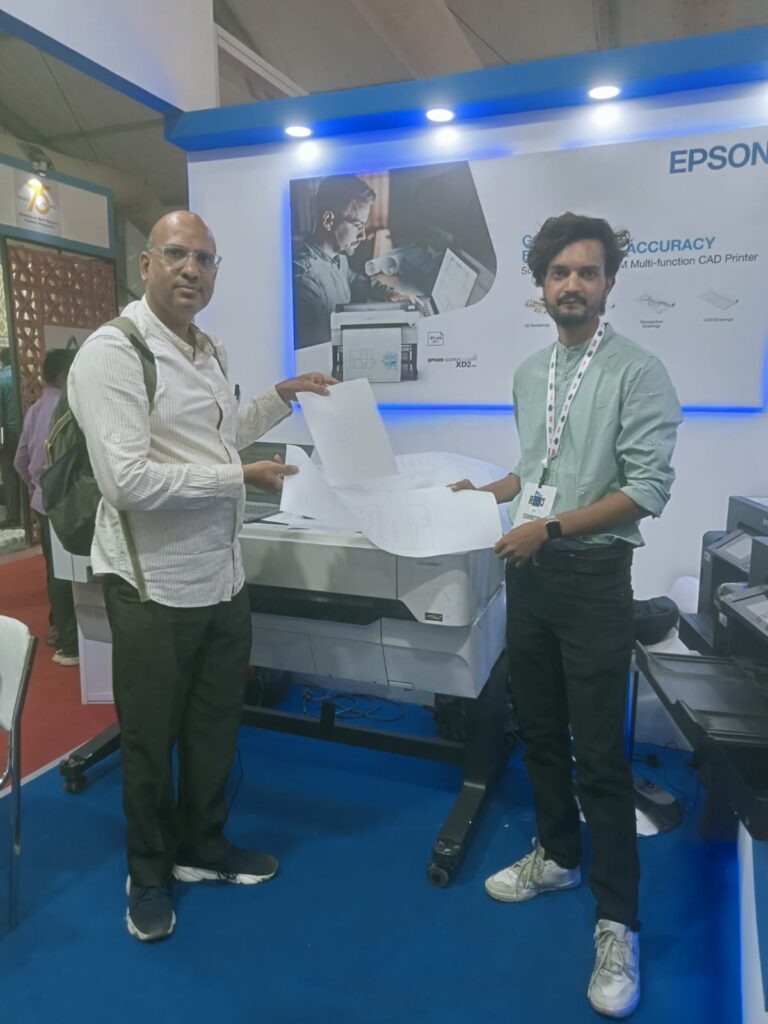
There were many stalls which offered unique products one among them was an Epson Plotter and printer service provider. They gave free sample prints to Govt. departments, visitors, architects, interior designer, which are of good quality but I could not print my drawing of bus depot, since it was made fit to size and it was printed so small that we could not read the text printed on paper.

A new form of Aluminium Composite Panel that is used to face lift interiors or exterior walls, these are fire resistant and water proof. Aesthetically used on doors, windows, partitions, wardrobes, tables, wall murals or even an exterior board or signage.

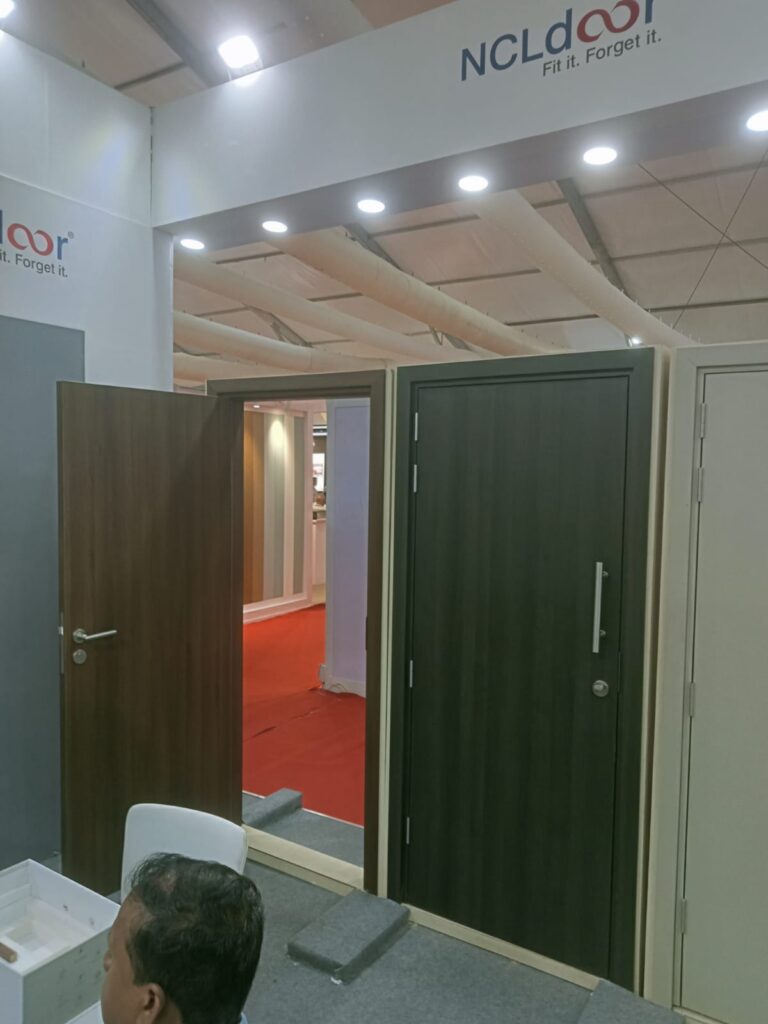
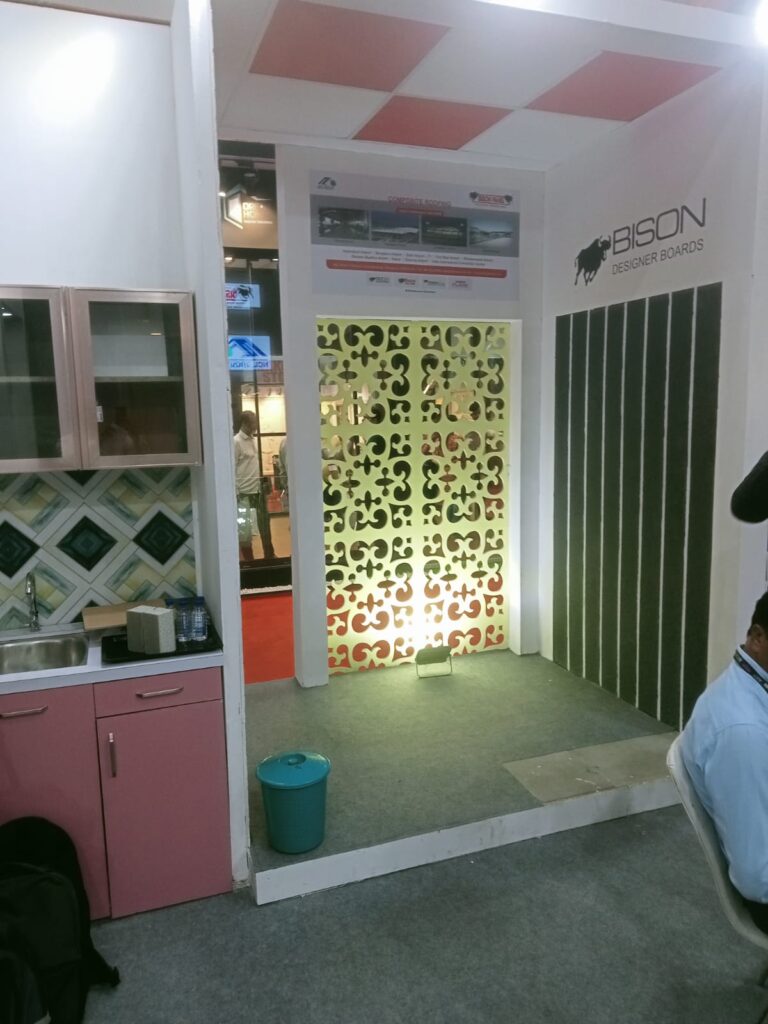
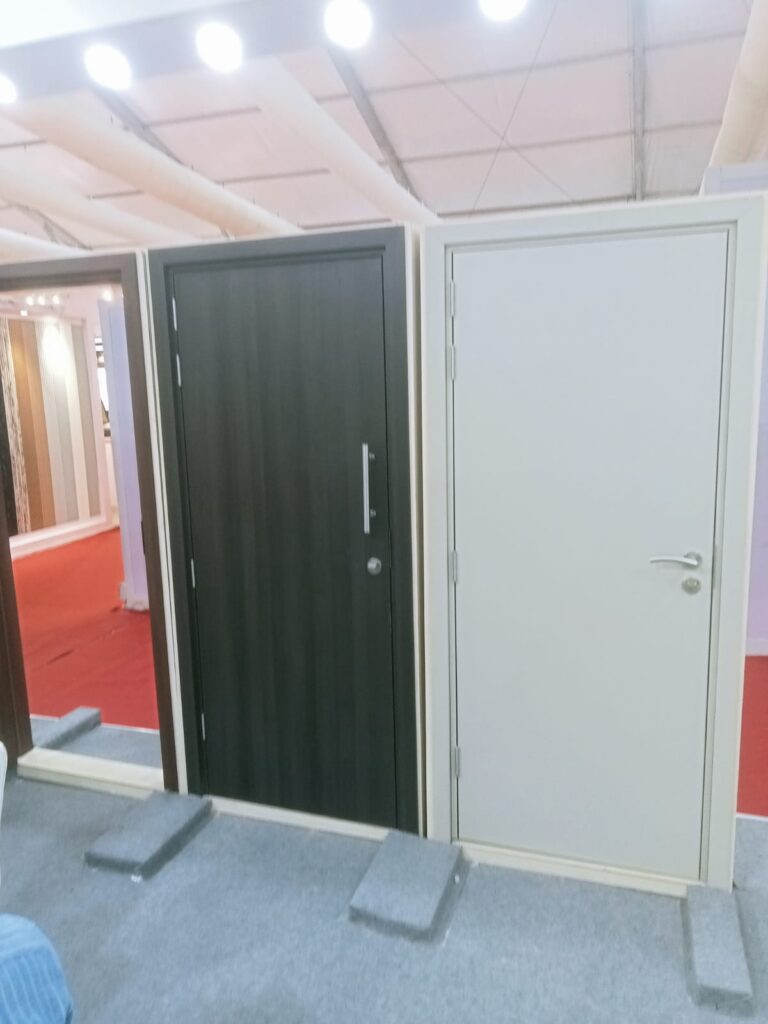
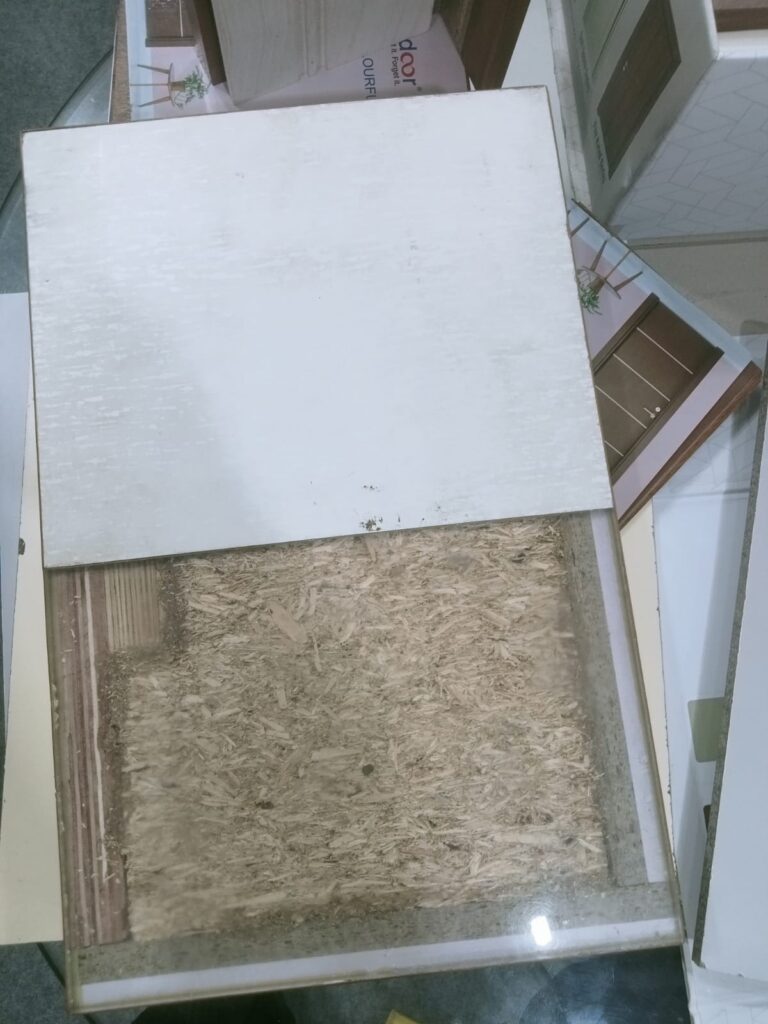
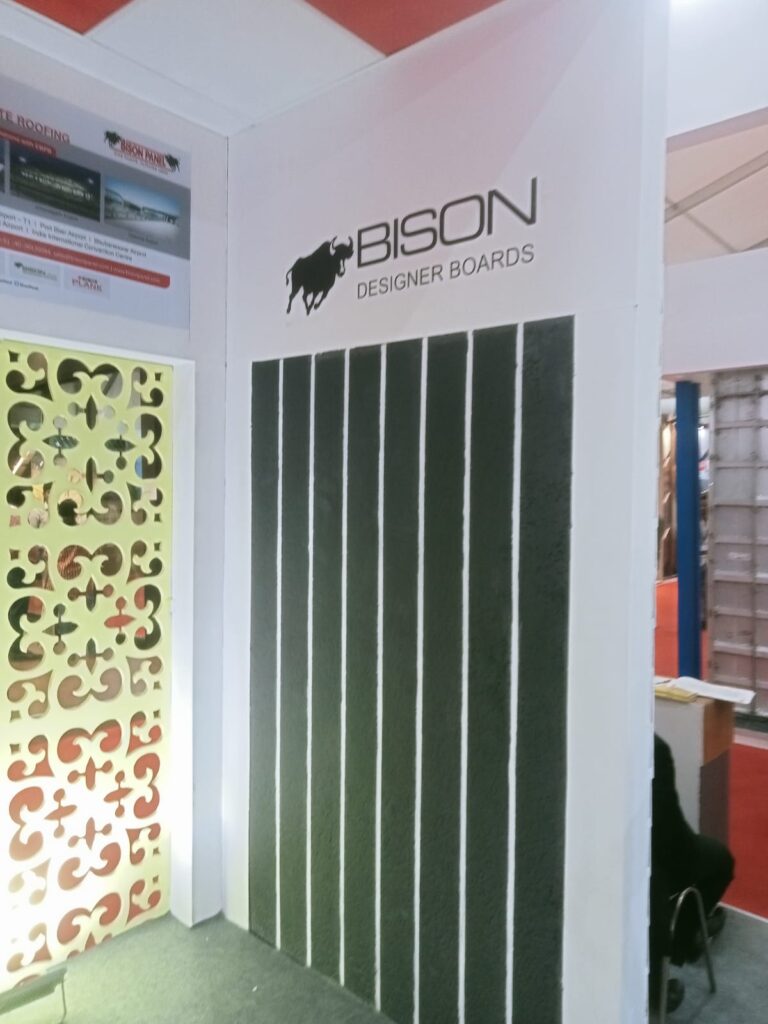
NCL Doors, Bison Panels and Concrete blocks were an interesting product to view these can be used as ceiling, floor, wall partitions and roofing solutions. Door panel and doors have a unique feature of hollow with bee mesh and solid with wood dust, these doors can be of various colours and sizes.

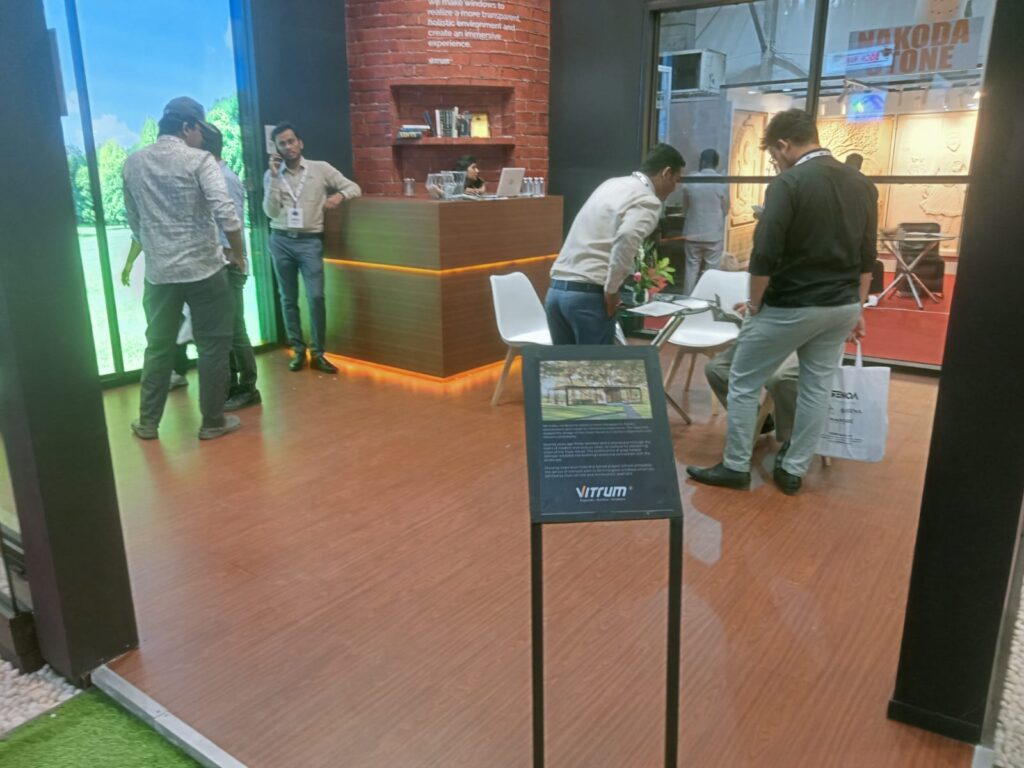
Vitrum a new age sliding door and window solution they have a feature of door lock only on pulling the lever. This guarantees the residents don’t lock themselves out in the balcony since most of Pune residences have sliding doors in the balcony with locking only on one side. The sliding can be made hydraulic and may add new feature of remote controlled or automatic setup.

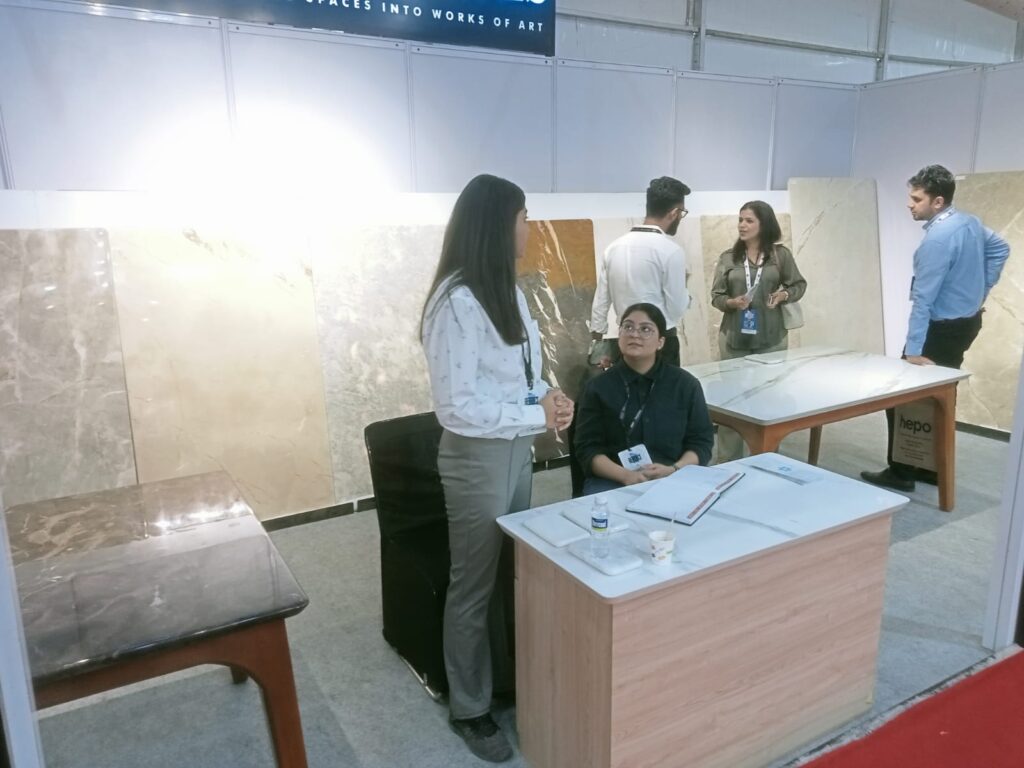
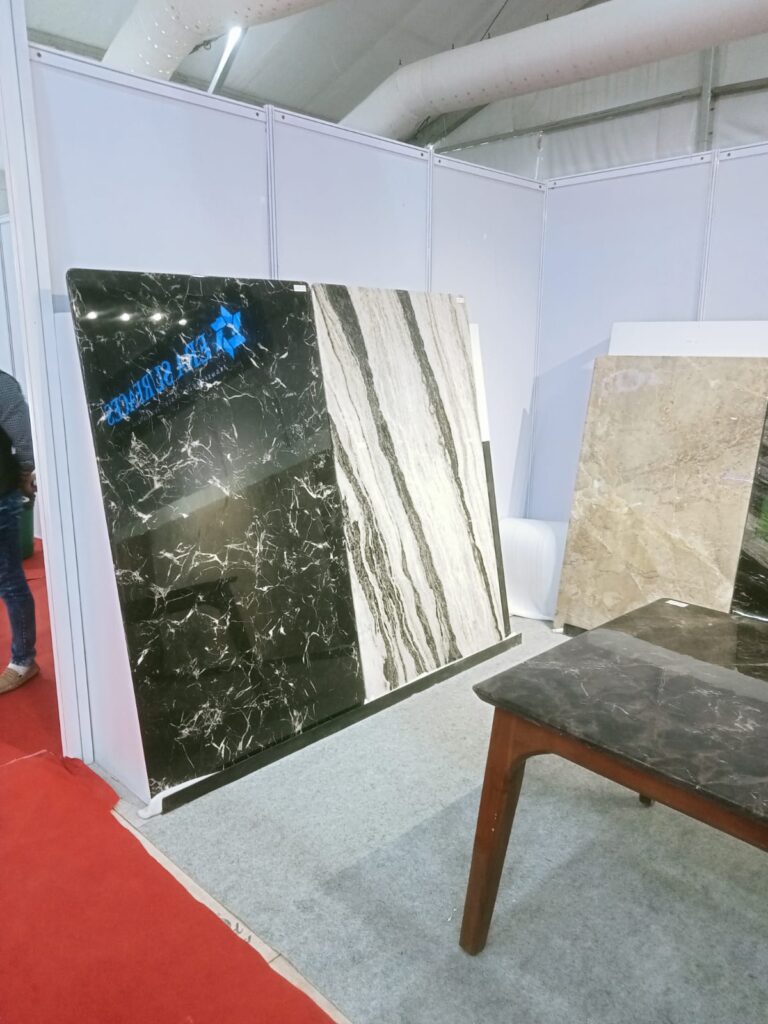
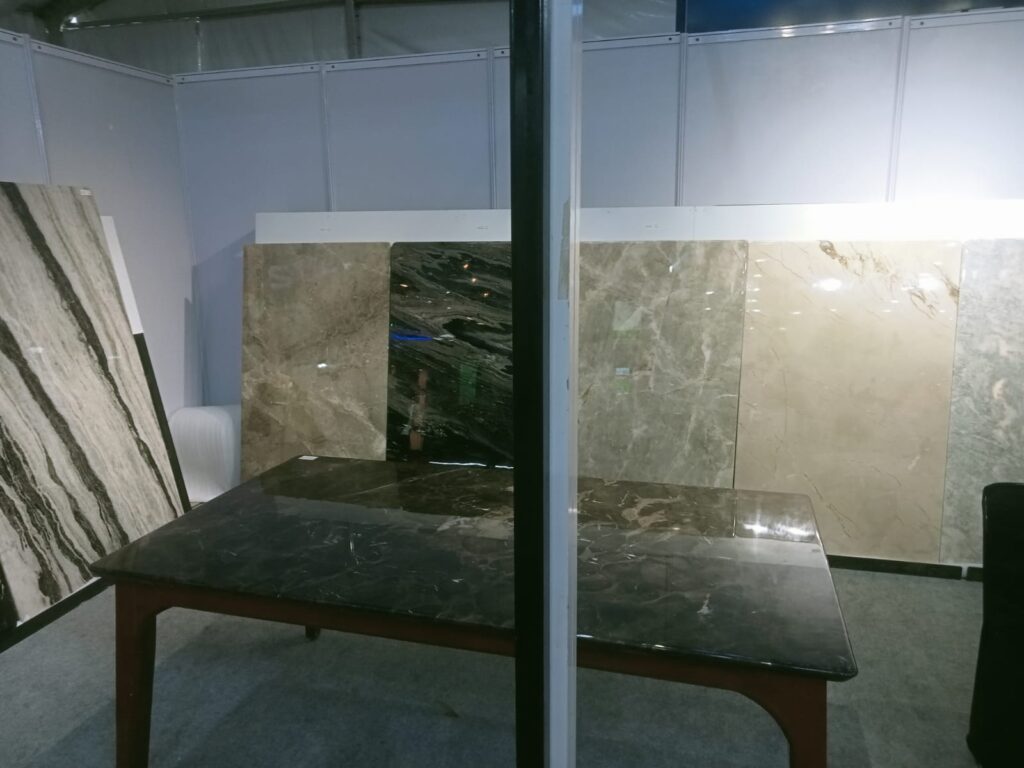
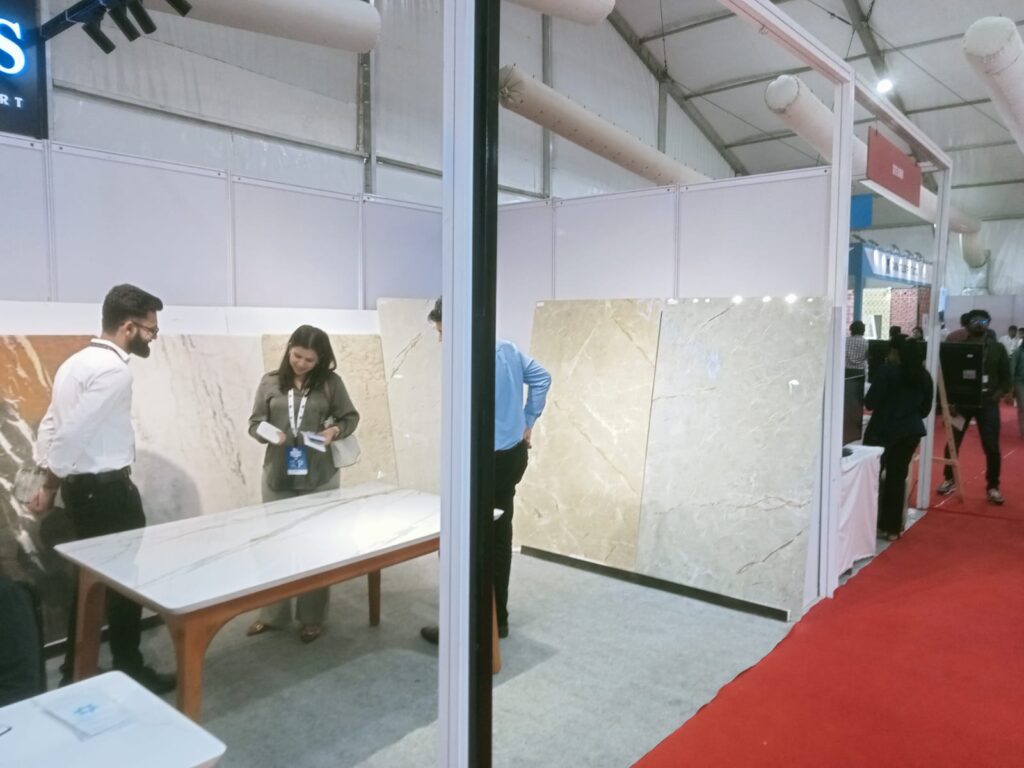
A new range of table tops have sprung at most lucrative prices, these are available in marble and ceramic. With more than 10 – 12 shades and can be customized as per ones needs, these are ready made table tops which have been carefully polished, coated for restaurant or dinning or conference use. They can also be used in labs of large biotech parks or even food testing labs.

 If you have a big garden or a bathroom and want to add a pool or a jacuzzi, Aqua Shark provides wide range of imported and Indian solutions. Located at Banner they are giving these services to best of builders and are very lucratively priced. Make your homes and surroundings more interesting.

A few Alu-form work brands have come to Pune to make way towards new-age construction techniques. These form works help in fast-track your construction without brick laying and less curing time.

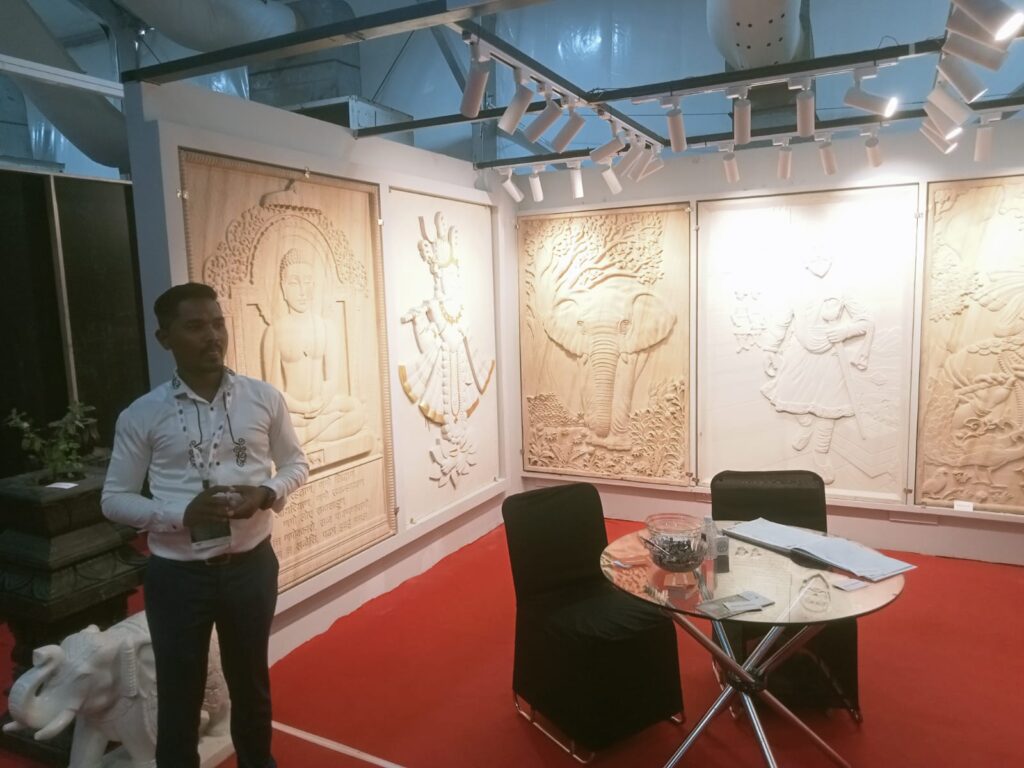
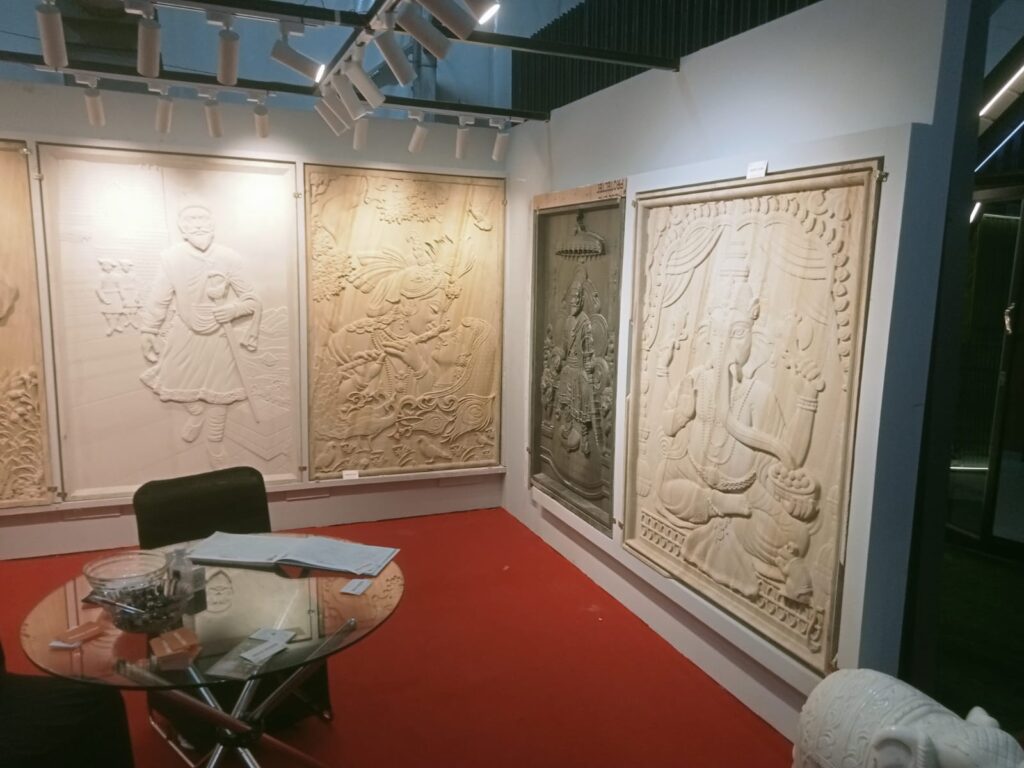
Stone decorative have become a part of our culture and have a new dimension with CNC cutting of 3D effects. Nakoda Stones has marble, sand stone material and can do CNC on any surface or any design.

ACE Reflect makes its way to Pune.