By Moiz Mamoowala

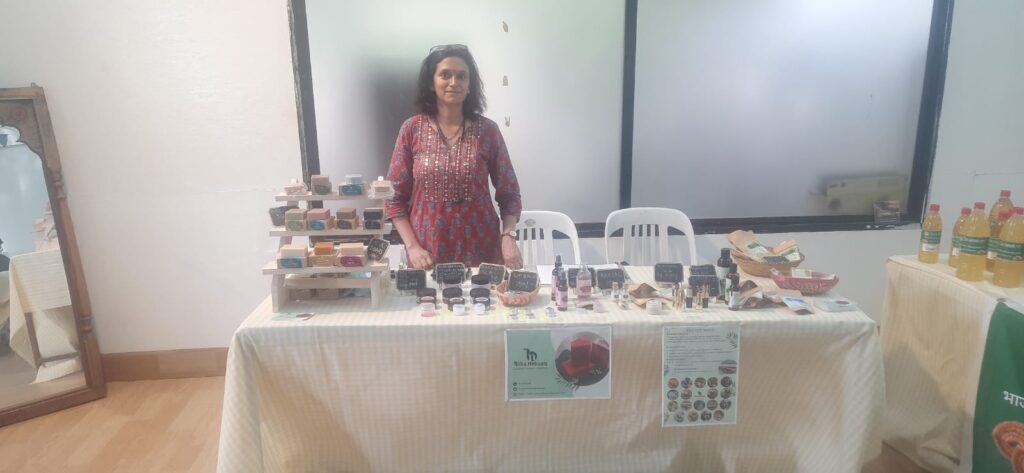
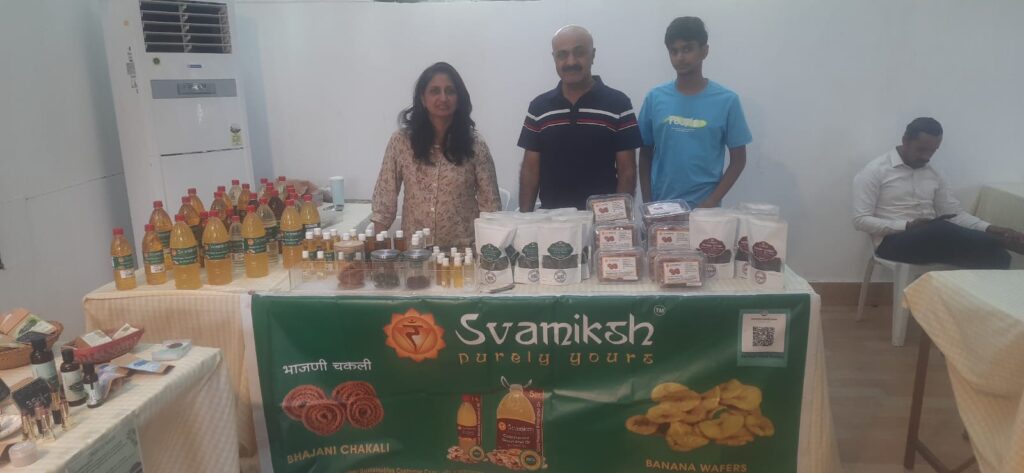
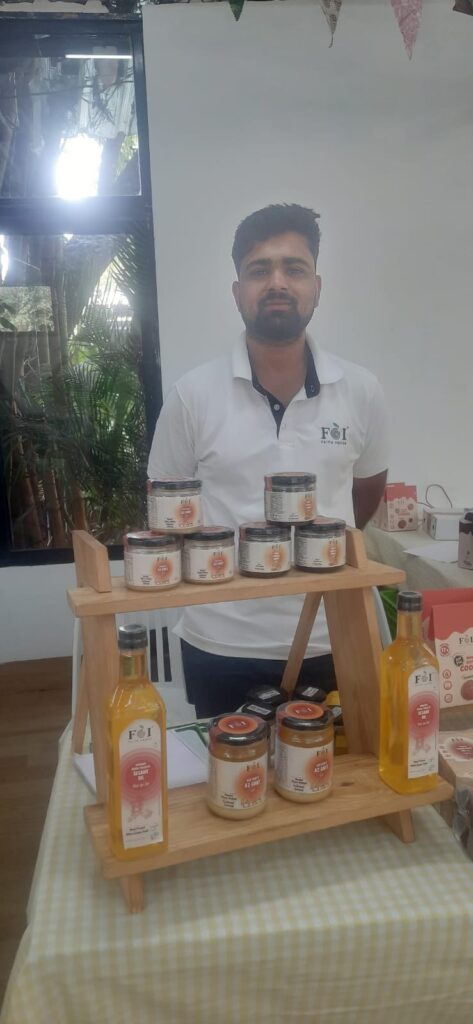
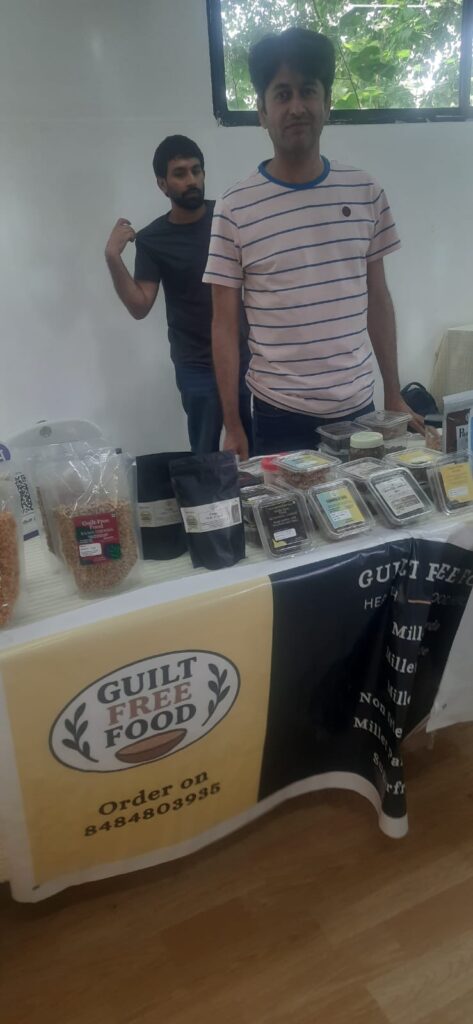
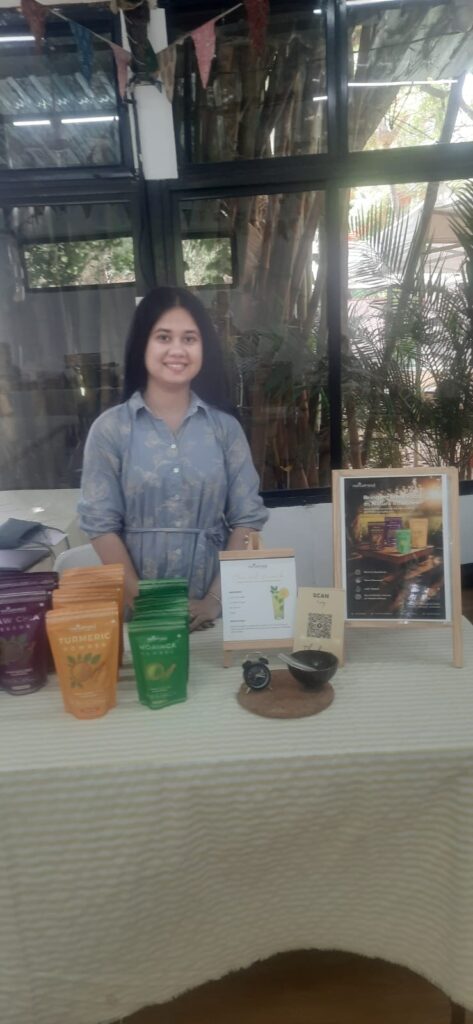
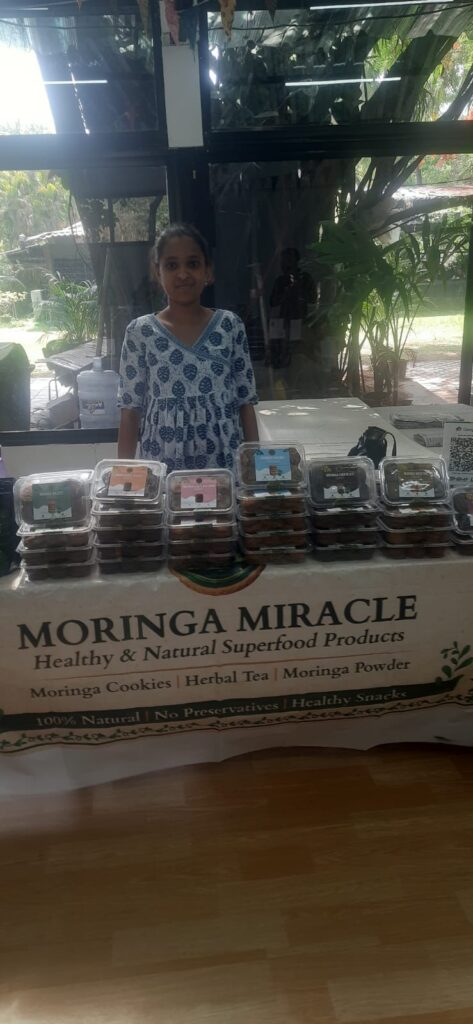
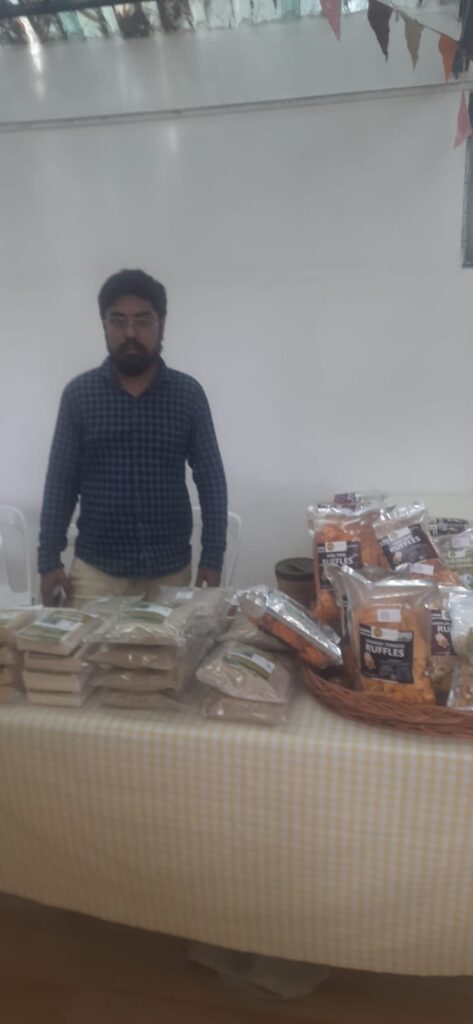
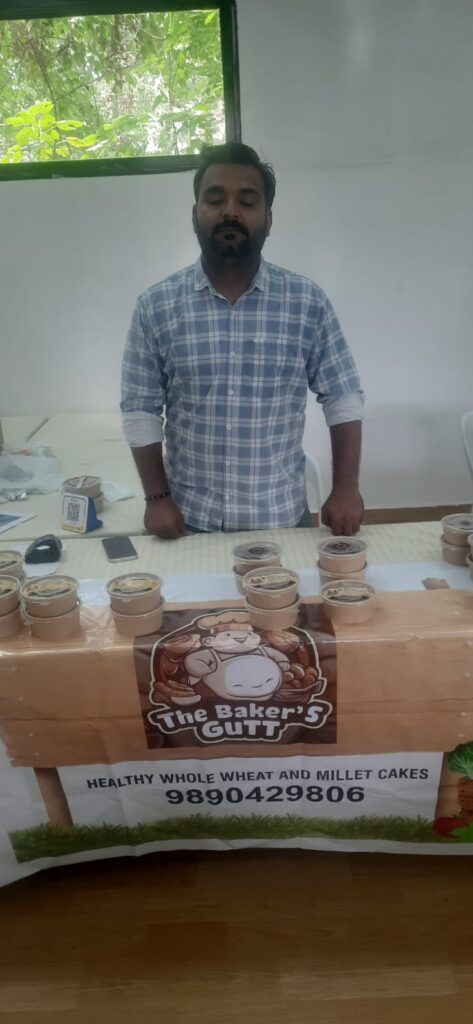
It’s heartening to see Pune leaning into its “cultural capital” roots by embracing the future of food, which, ironically, looks a lot like the past. Initiatives like the Earth Souk at Monalisa Kalagram aren’t just about shopping; they are about rebuilding a lost connection with the soil. Extending the Art gallery to artisanal food and making an excuse for a Mother’s Day gift hamper or for any festive occasion. Creating a unique experience for mothers and kids or grownups to treat their mothers for a memory inclusive of art, food and groceries.
Here is a breakdown of why this shift towards millets and mindful consumption is gaining such momentum:
Why the “Millet Revival” Matters?
Millets are often called “miracle grains” for a reason. While they were sidelined during the Green Revolution in favor of rice and wheat, their comeback is fueled by two major factors:
- Environmental Resilience: Millets are incredibly hardy. They require significantly less water than rice and can grow in poor soil without the need for synthetic fertilizers.
- Nutritional Powerhouse: They are gluten-free, have a low Glycemic Index (GI), and are packed with fiber, protein, and essential minerals like magnesium and iron.
At a Glance: What Earth Souk Offers
| Category | Featured Highlights |
| The Grains | Ragi (Finger millet), Bajra (Pearl), Jowar (Sorghum), and minor millets like Foxtail and Kodo. |
| Pantry Staples | Cold-pressed oils, chemical-free jaggery, raw forest honey, and stone-ground spices. |
| Fresh Produce | Seasonal vegetables and fruits grown using regenerative farming practices. |
| Education | Workshops on cooking with millets and the “Farm-to-Fork” journey. |
Beyond the Shopping Bag
The real value of events managed by community leaders like Akash Panavkar lies in the transparency they provide. In a typical supermarket, the “story” of your food is hidden behind plastic packaging. At the Earth Souk:
- Direct Dialogue: You can actually talk to the person who grew your food, understanding the challenges of chemical-free farming.
- Cultural Revival: By showcasing indigenous foods, the souk helps preserve traditional recipes and farming techniques that were on the verge of disappearing.
- Community Building: It transforms the act of “buying groceries” into a social and educational experience, making sustainability feel like a collective journey rather than a chore.