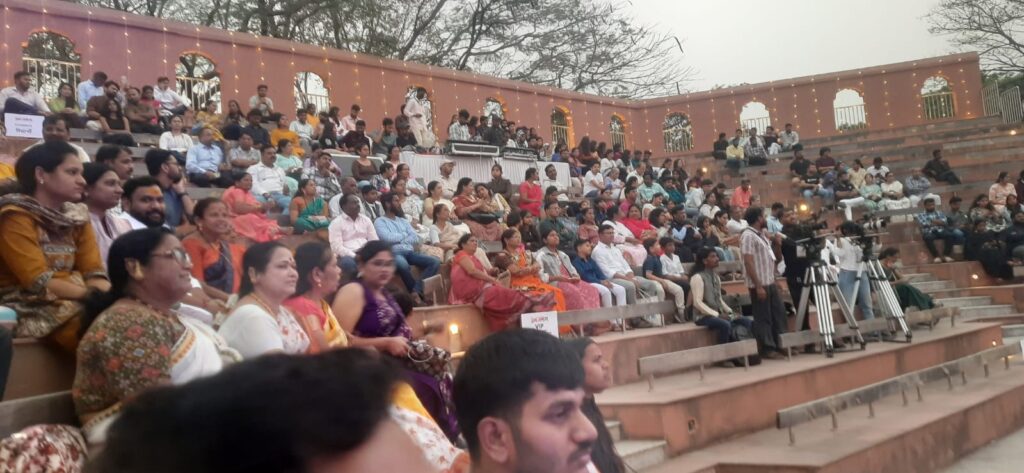
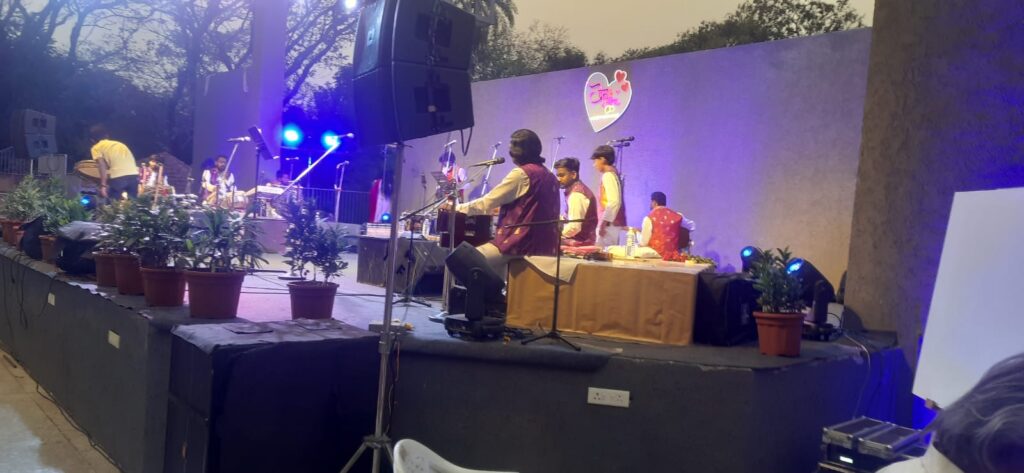
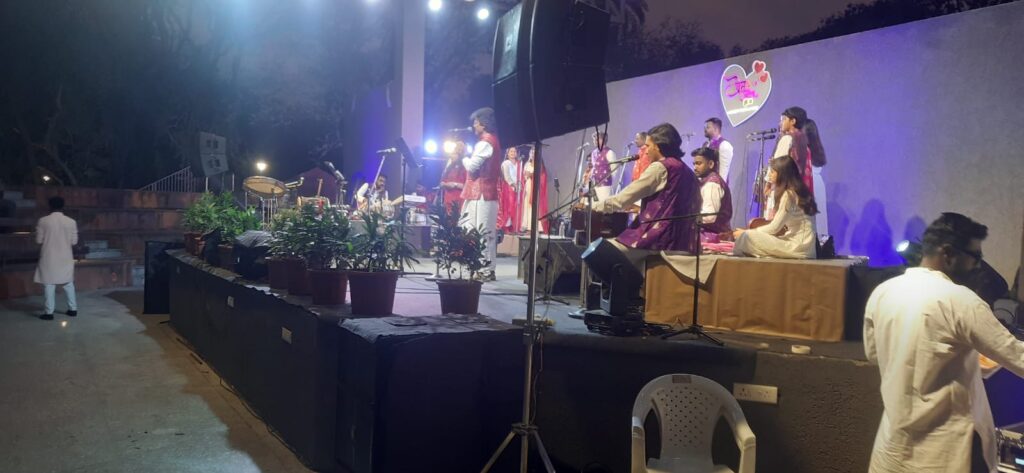
It was a fine evening, and the weather was most favourable for a T20 World Cup match, resulting in India’s victory by 61 runs. Marathi is a sweet language, as a famous quote, ‘Til gud Ghya ani god god bola’. Maharashtrians are known for sweet talking and sweetness in their nature. Prem Jalsa is an event organised by Jalsa Studio spreading a message of love with a motto of Ishq Mohobat zindabad, pyar mohobat zinndabad setting the evening mood to love and remove hate. Pyar Dosti Zindabad, Pyar Mohobat Zindabad, offering sarcasm to the audience in the election mood, in case anyone is interested in doing murdabad and zindabad.
Marathi songs were melodious, and the energy in the audience doubled when a 15-year-old boy performed a Marathi song, “Majhi Fiat”.
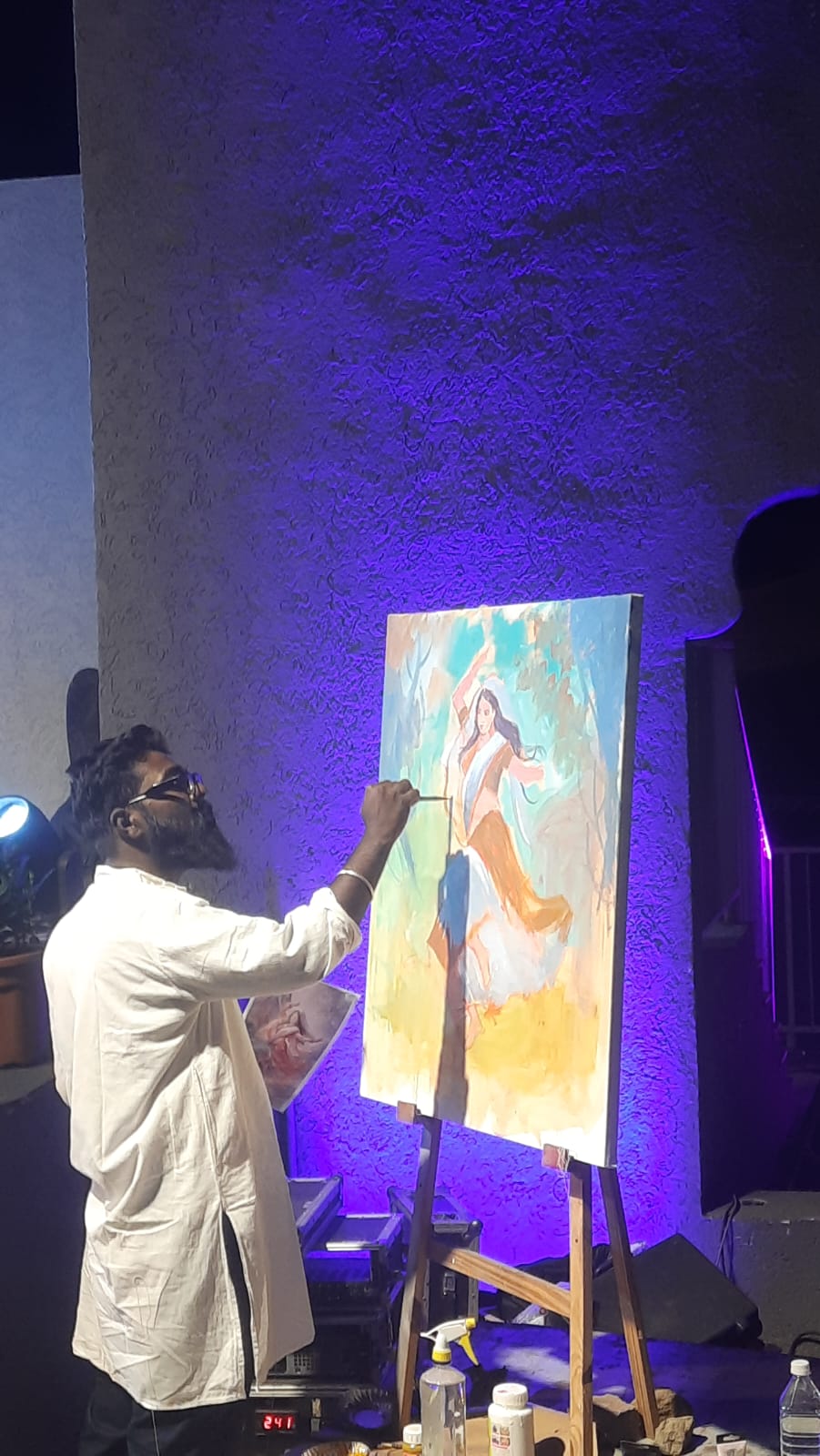
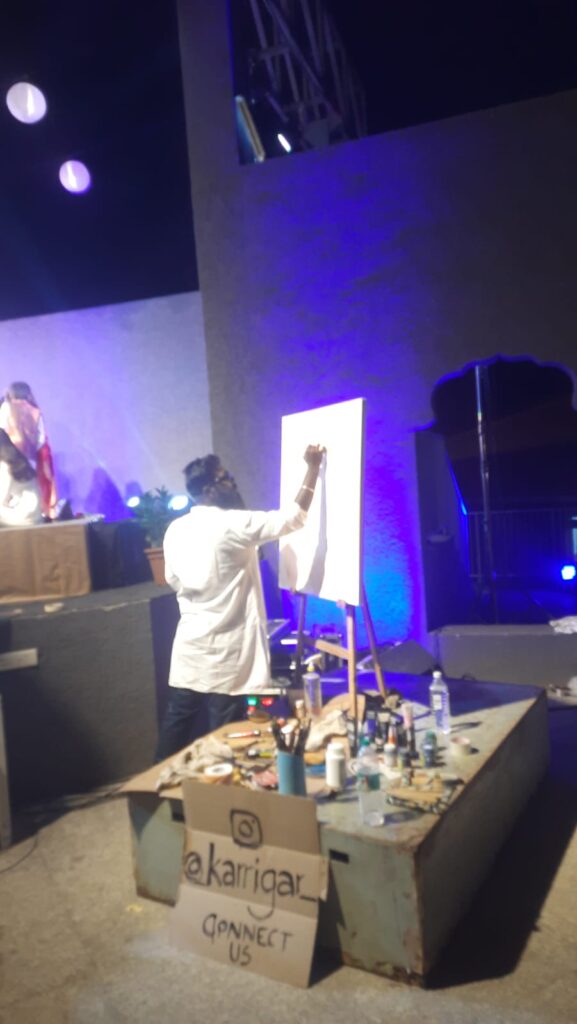
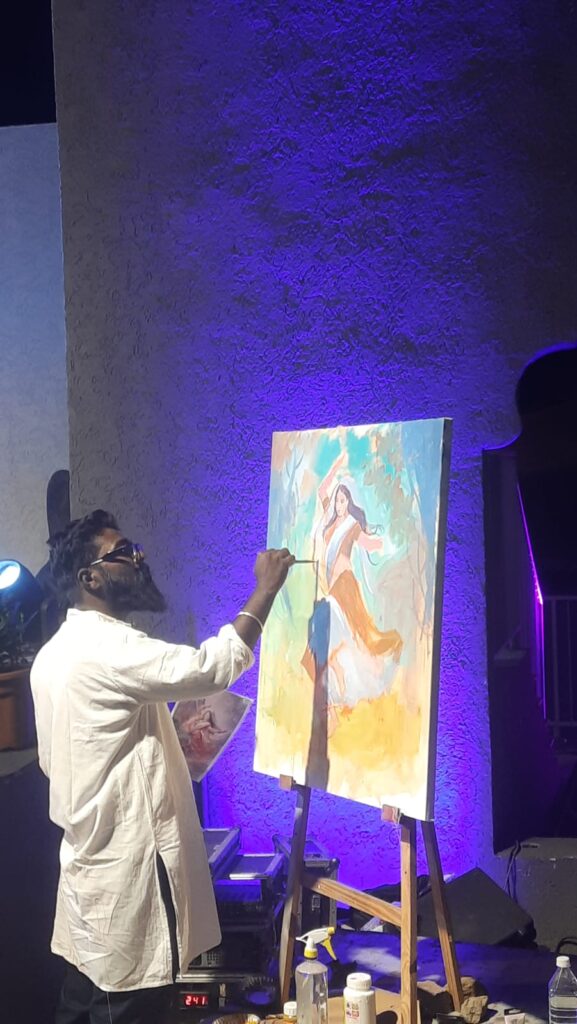
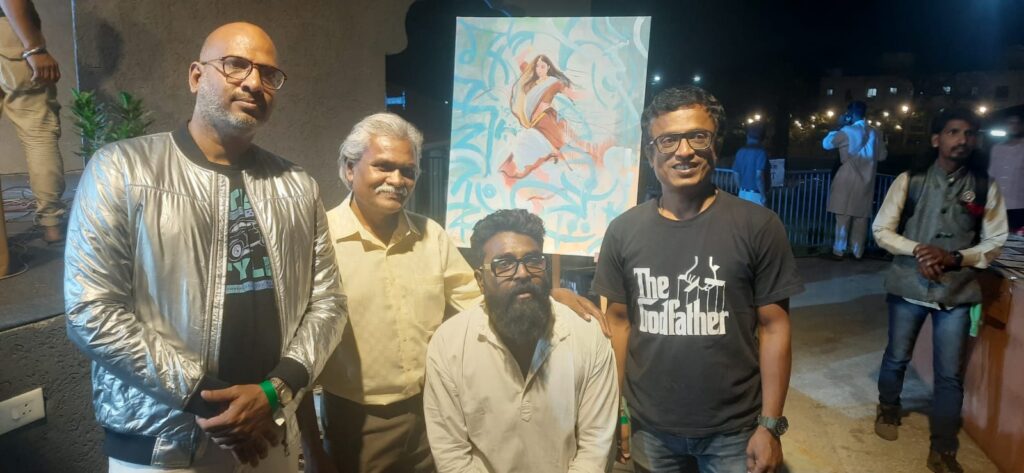
While Anirudh was painting his Radha, or the lady luck, in a dancing mood, with some fog and mist, he enjoyed the music and the painting while most of the audience was having a delightful experience of painting and music.
Lastly, Aniruddha and his friend Nami were invited on stage for a selfie, and the audience was asked to turn on their mobile torches to make a gesture of thanks through the lights.
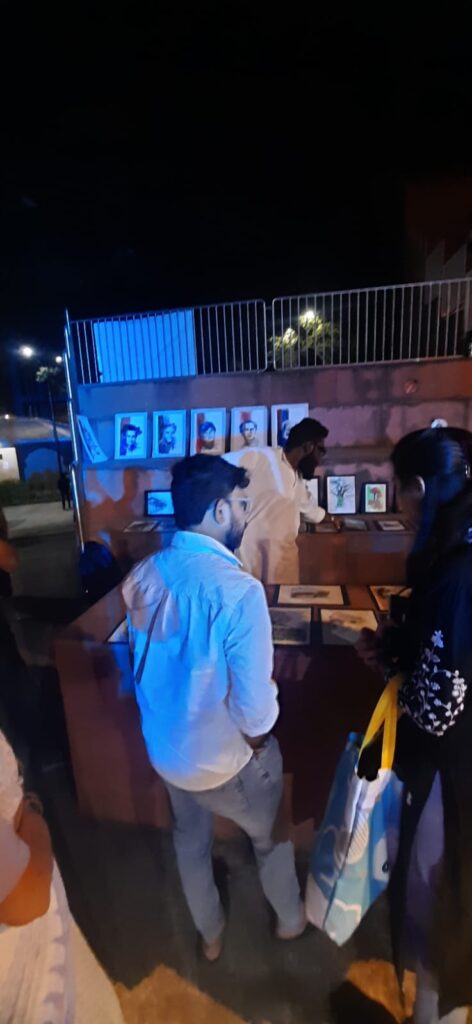
With a final flourish, Aniruddha adds his calligraphy to the portraits. Attending a few viewers at his stall and ending the show with a selfie with friends.
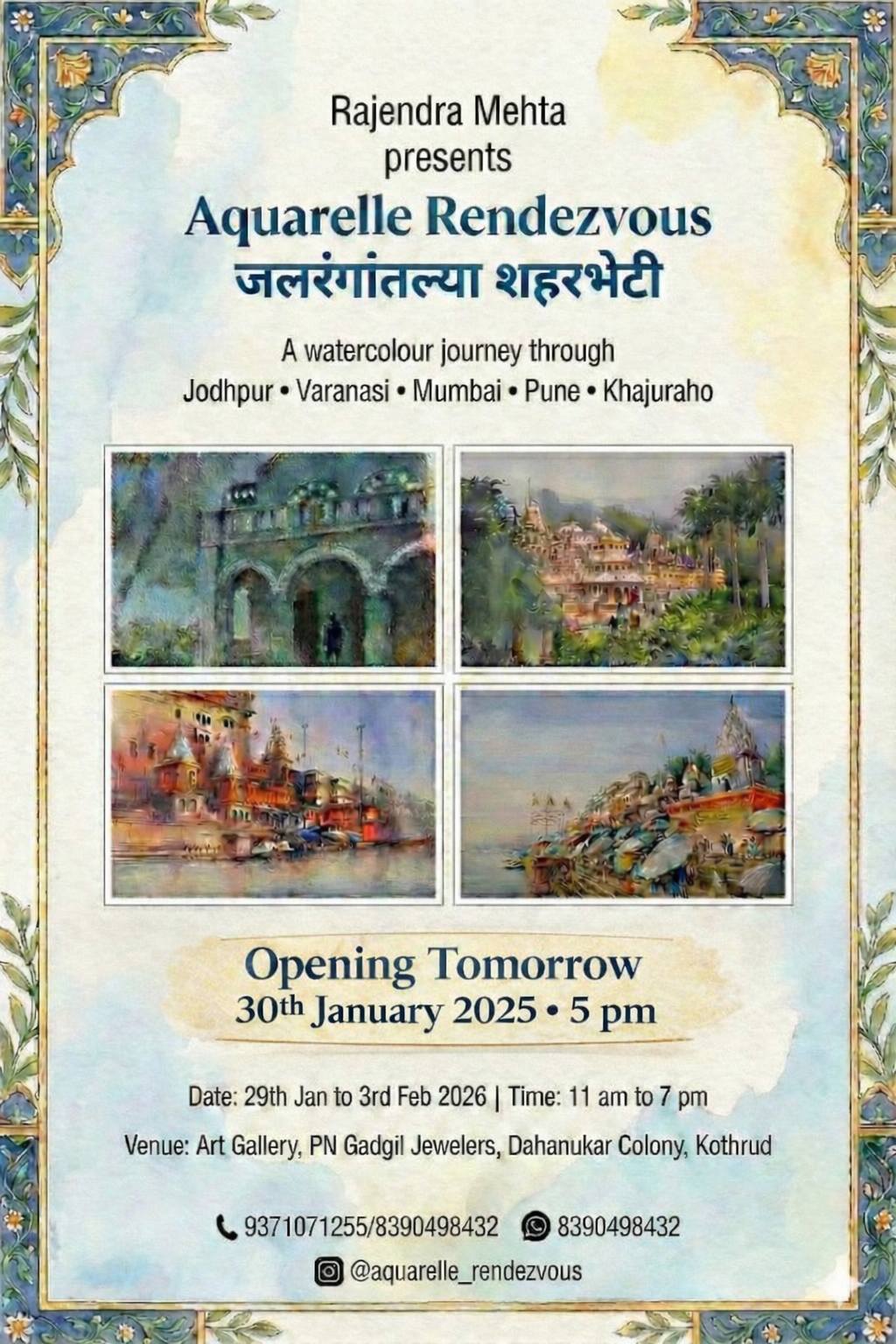
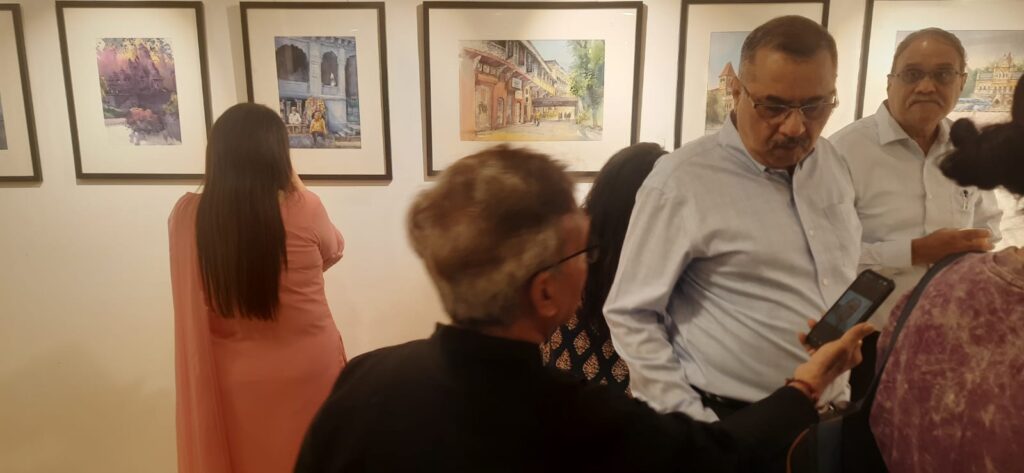
Born in Jodhpur, He was schooled at St. Vincent’s High School, Pune. It was a moment of joy when Rajendraji shared his memories through his paintings of 4 cities, Jodhpur, Mumbai, Pune and Khajuraho.
A gold medalist at Youth Art Festival, an urban sketcher and a member of the Water Colour Association.
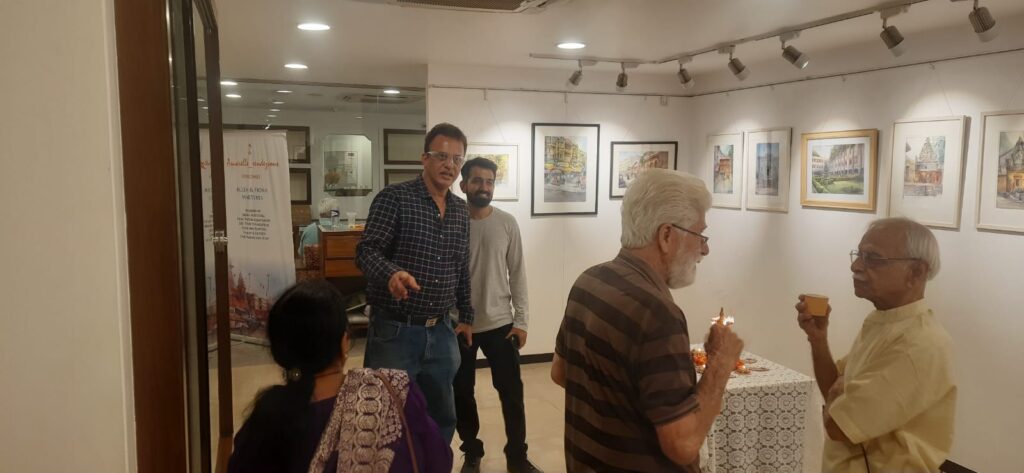
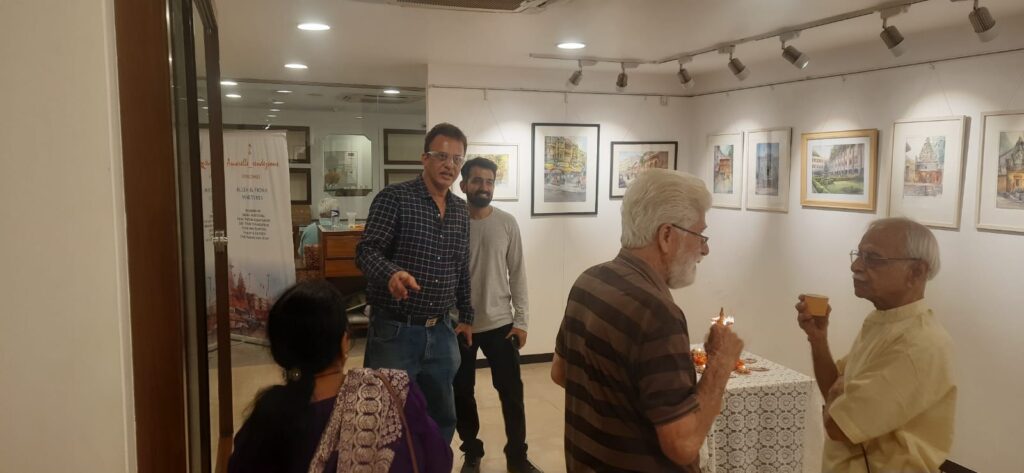
His friends from school accompanied and supported him for his solo show “Aquarelle Rendezvous”. Explaining his interest and knowledge about art and dedication towards artistic exploration and ideas. Having worked in business management and advertising, he has acquired specialised skills and developed a talent to showcase artistic sun and shade, life-like urban sketching, and watercolour paintings through his travel diaries.
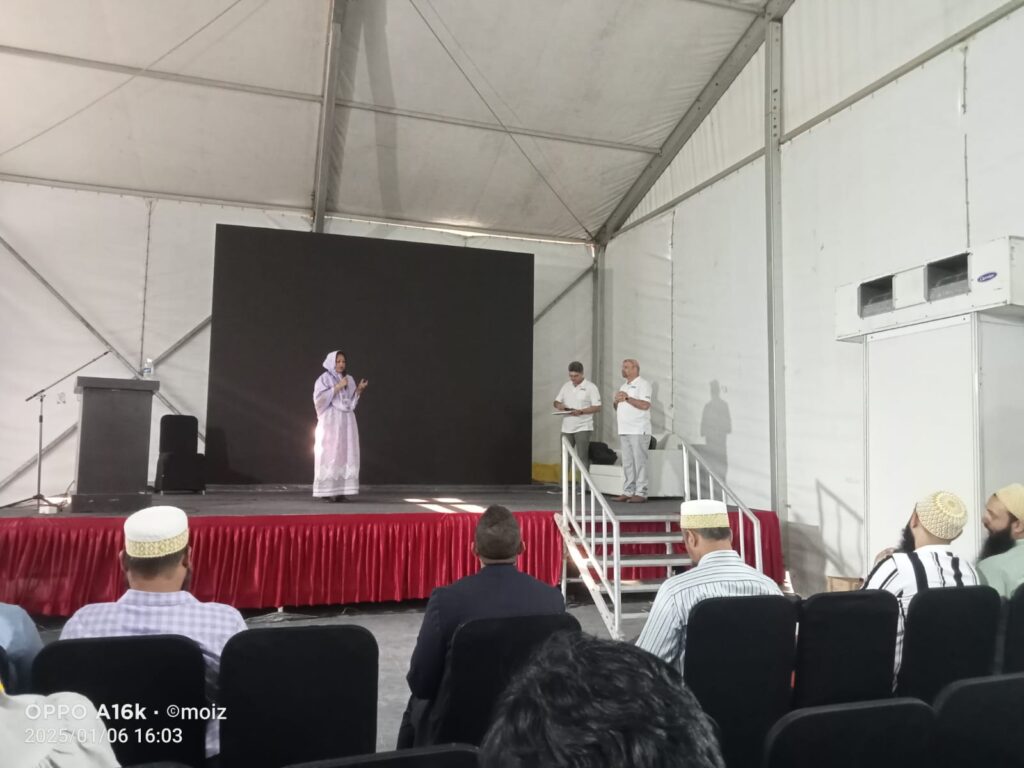
An Audio of the Opening Dialogue. By Mr and Mrs Martyrs
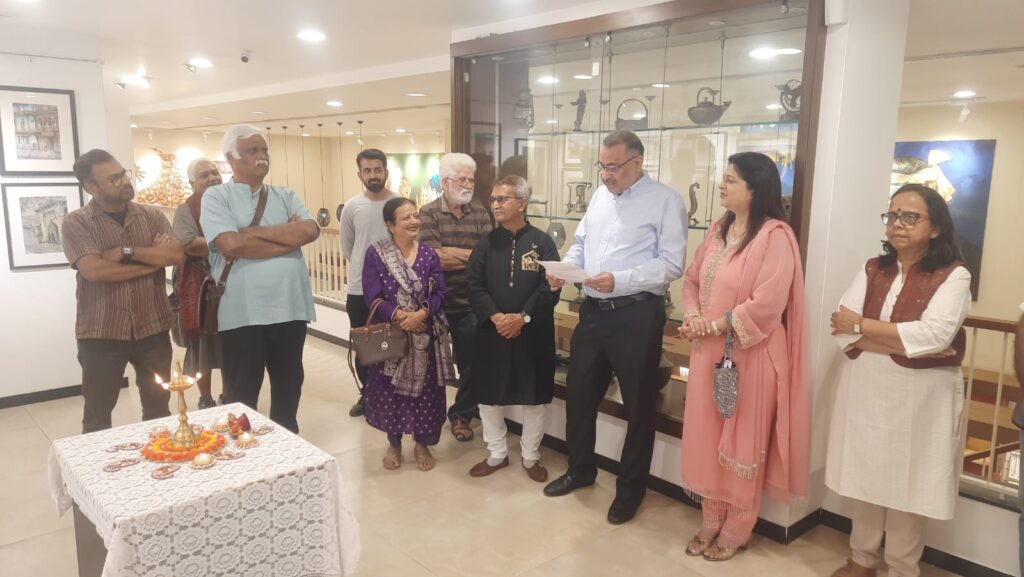
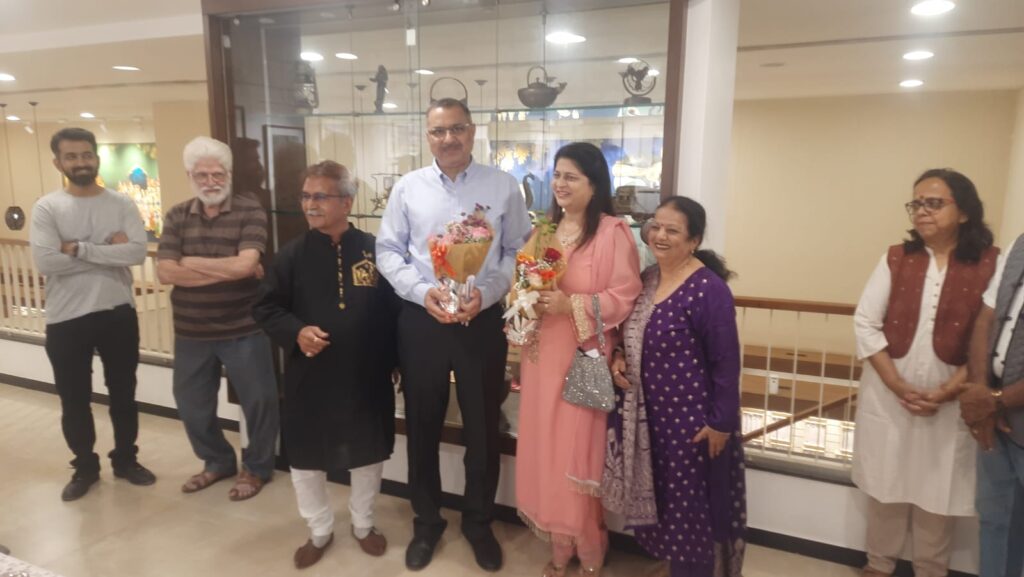
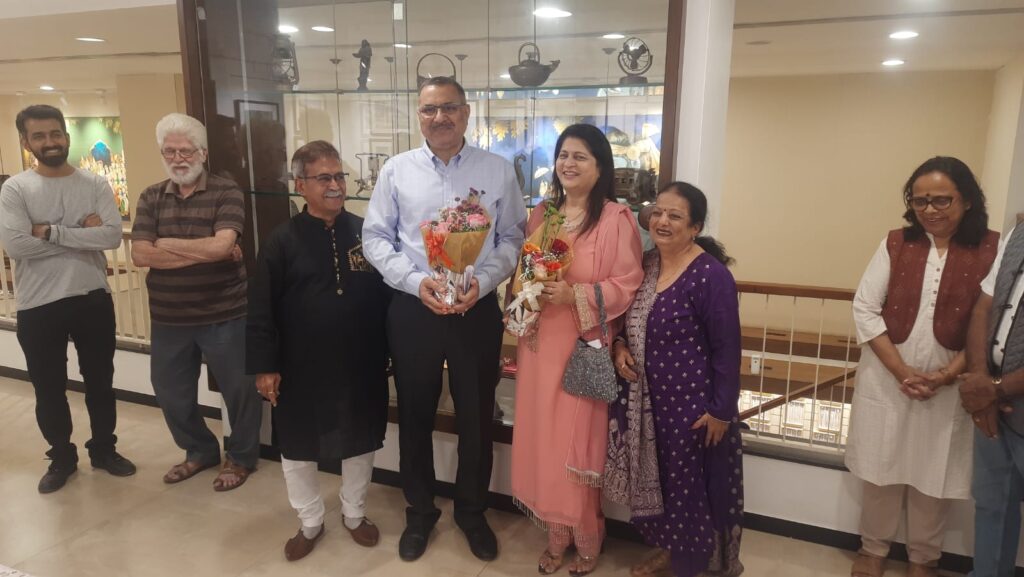
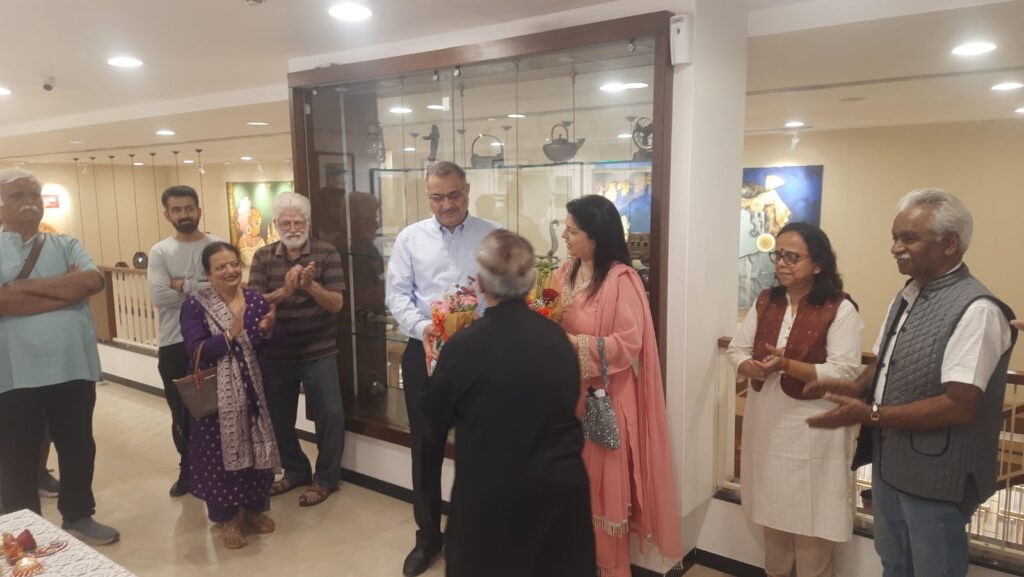
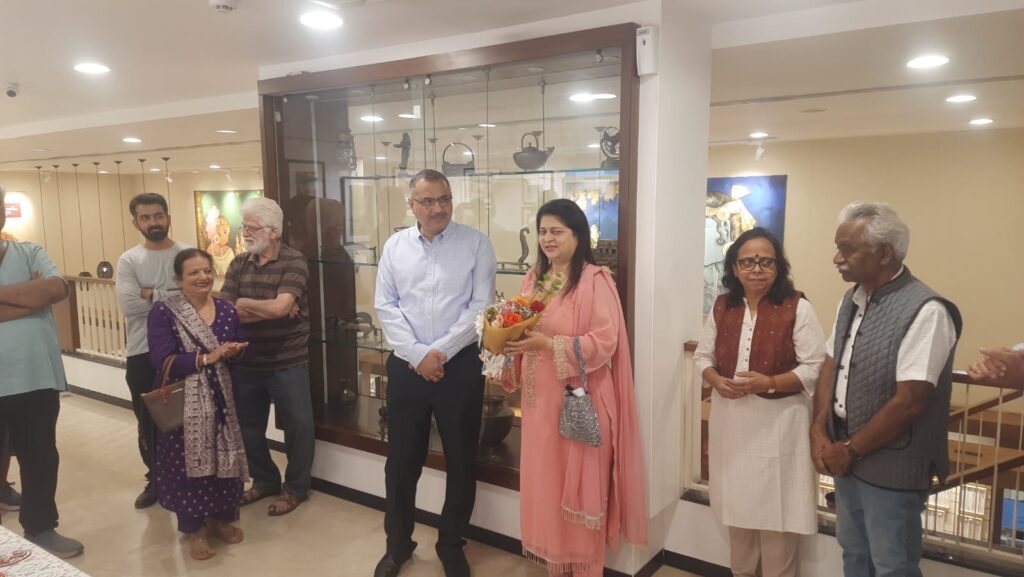
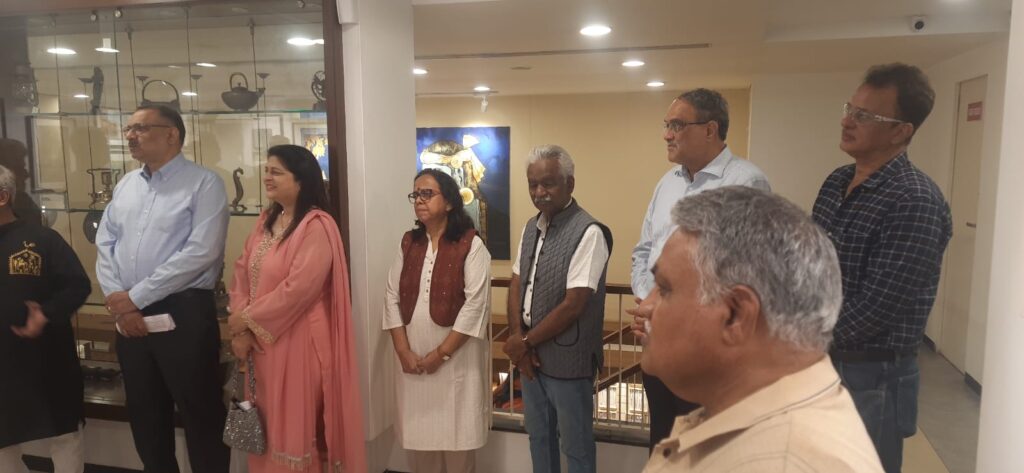
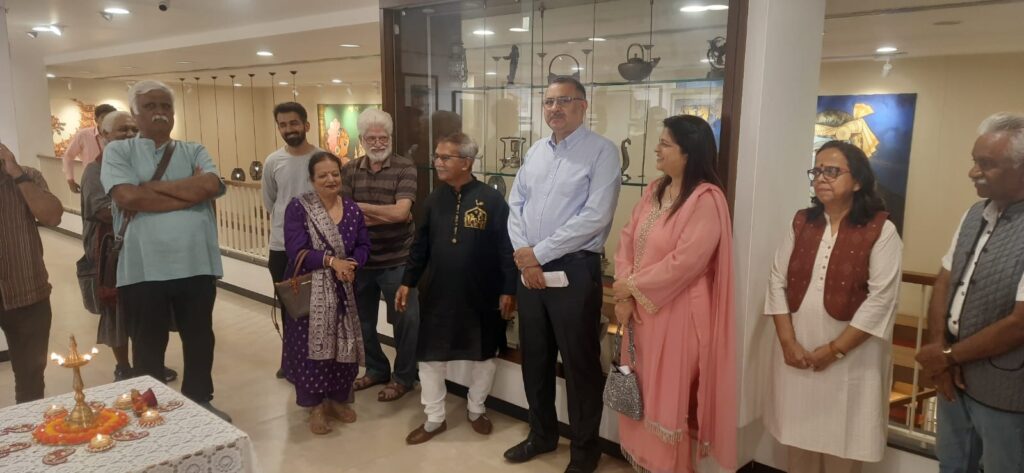
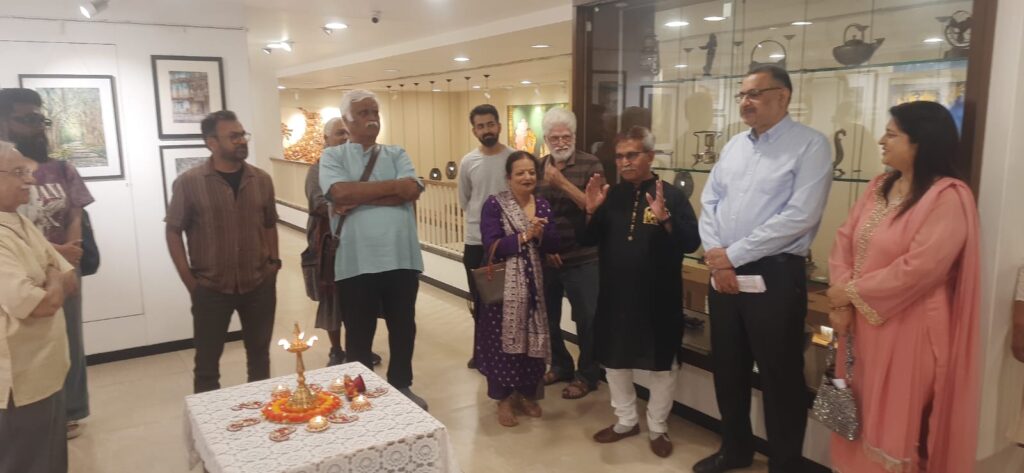
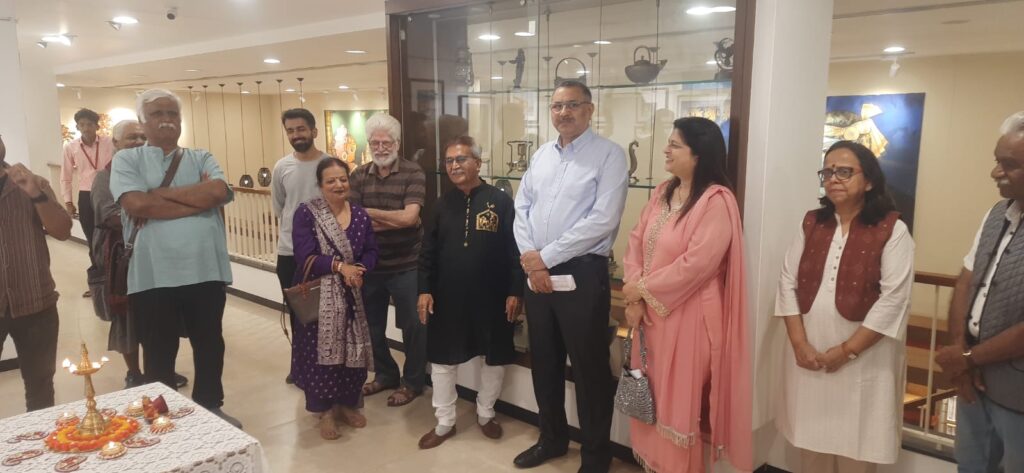
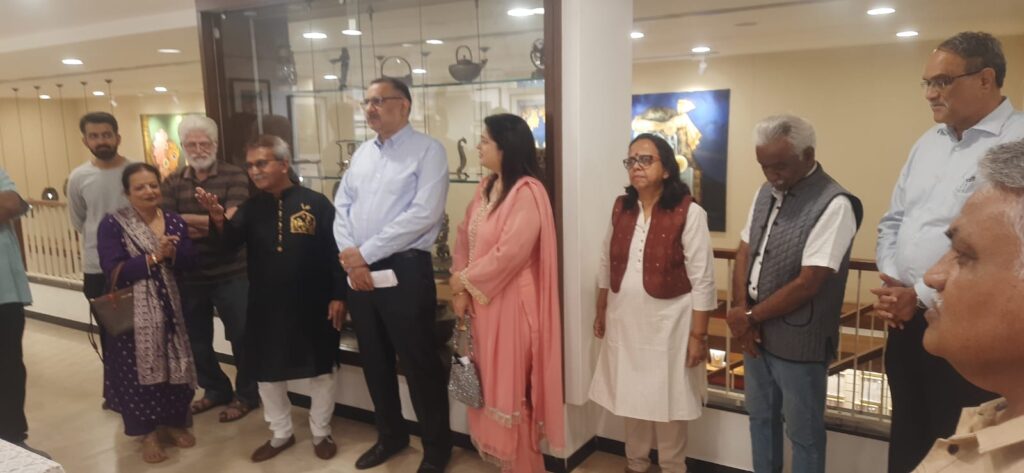
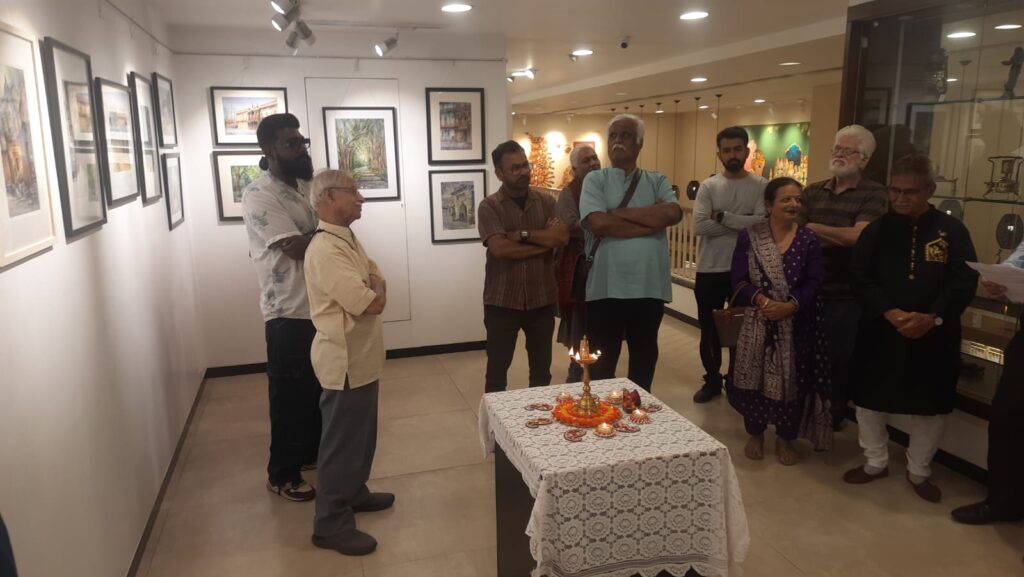
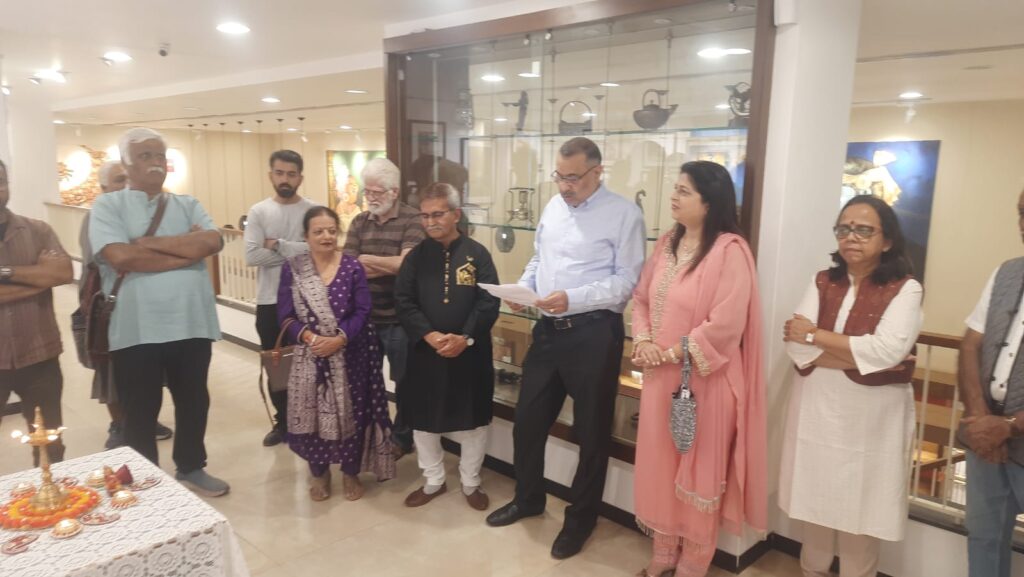
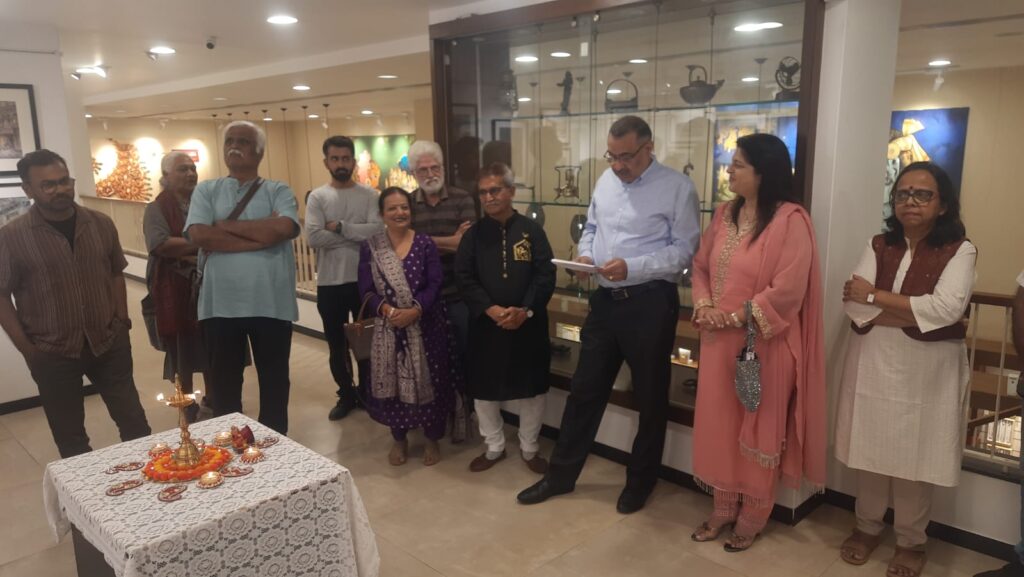
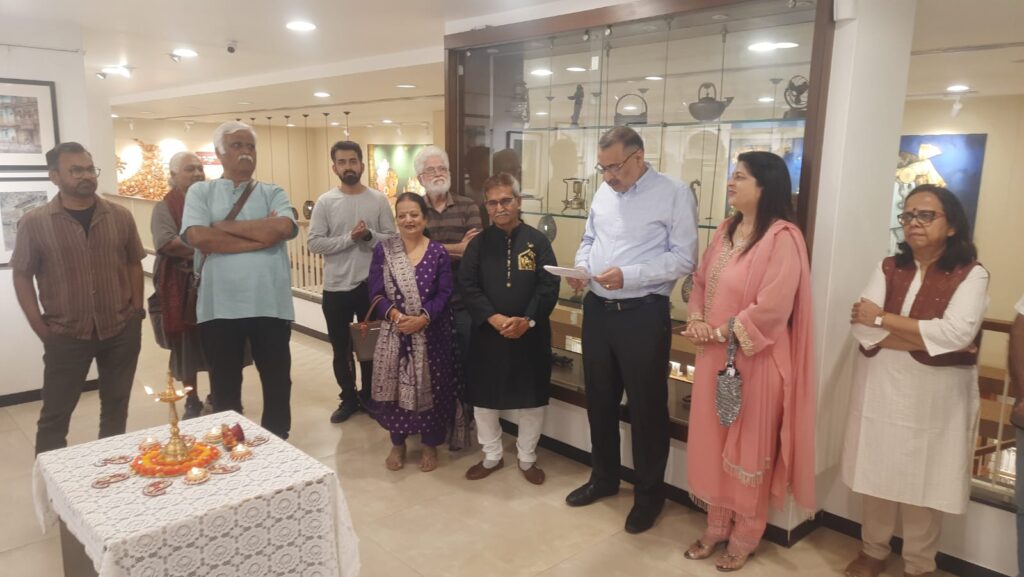
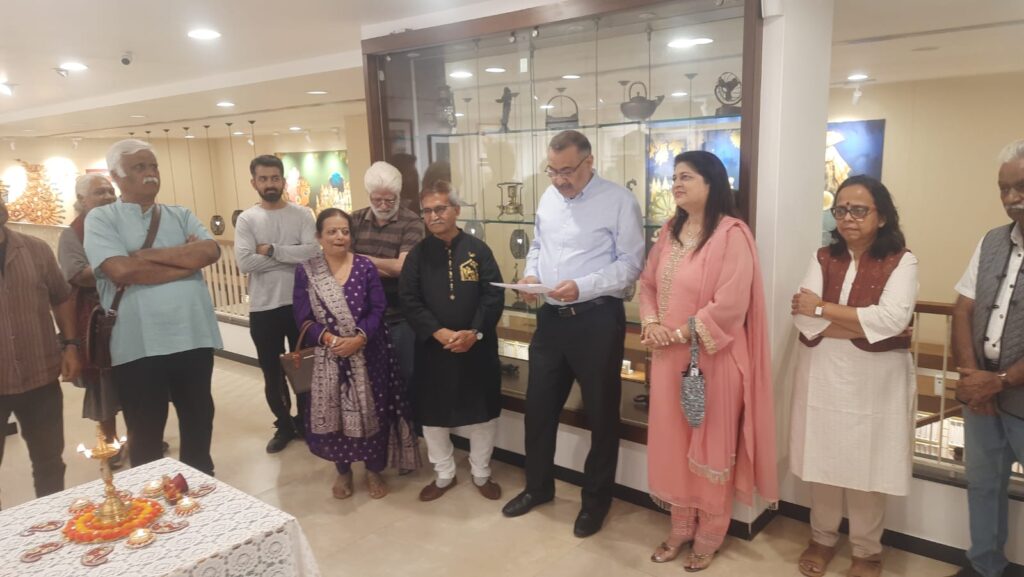
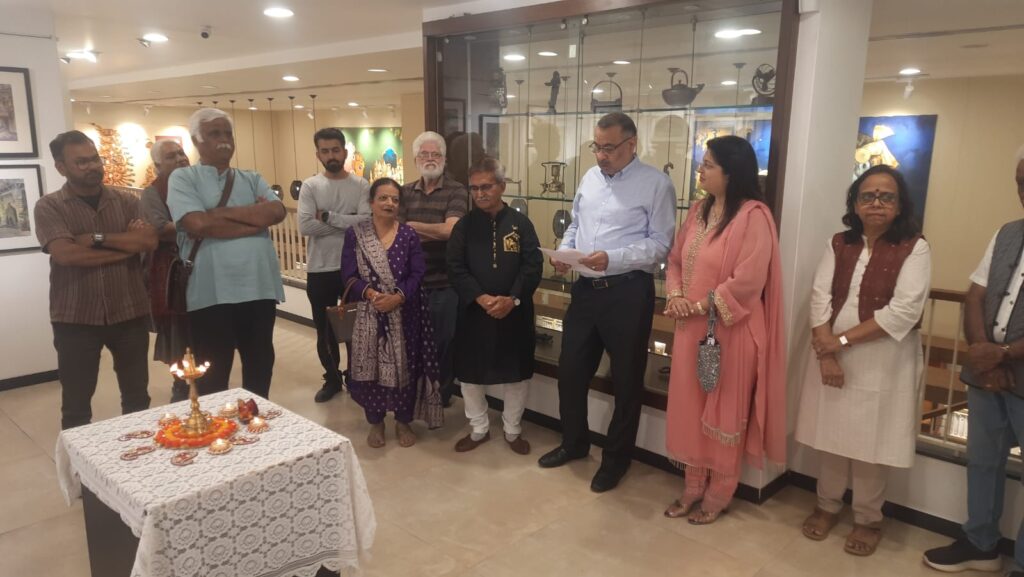
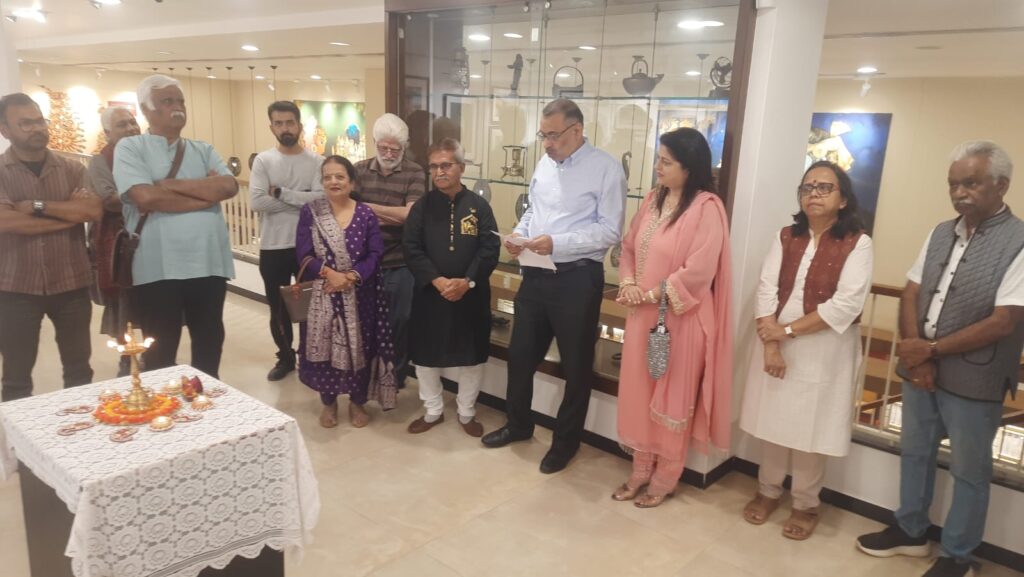
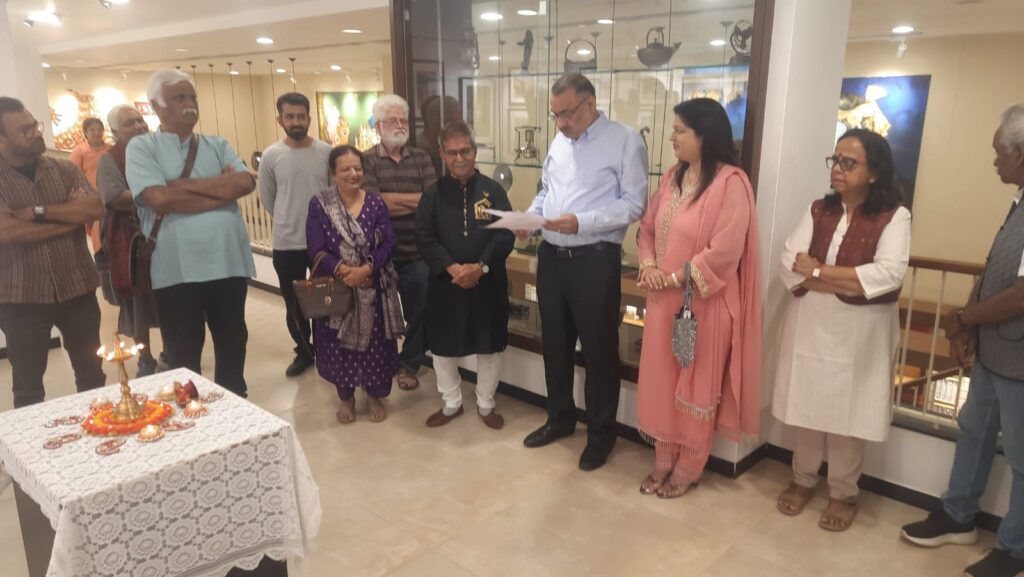
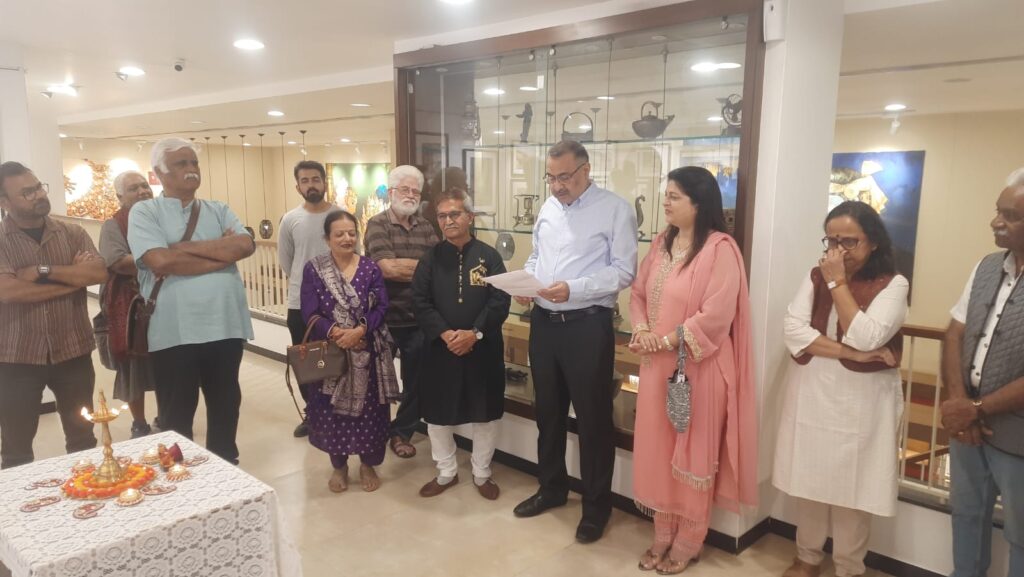
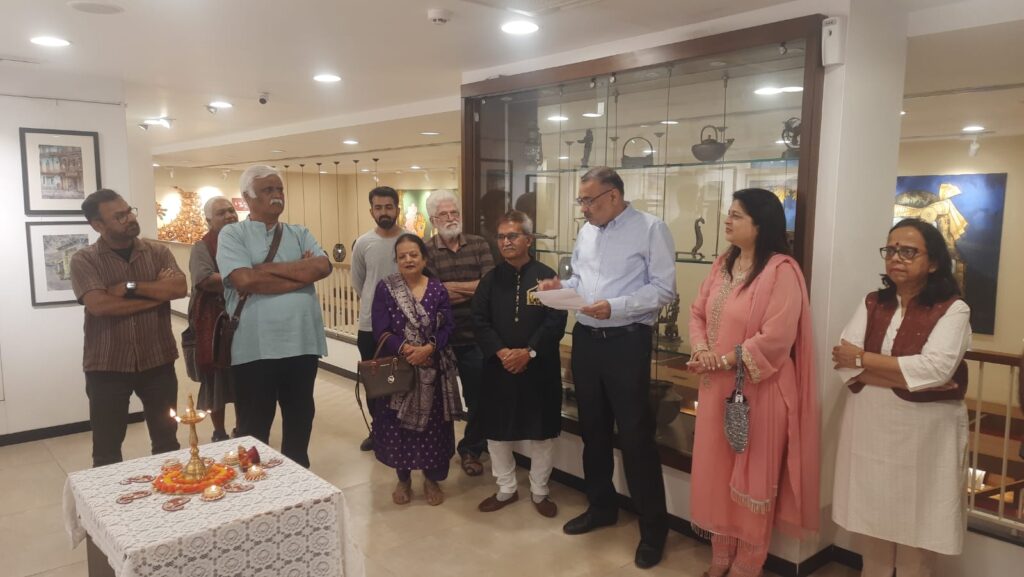
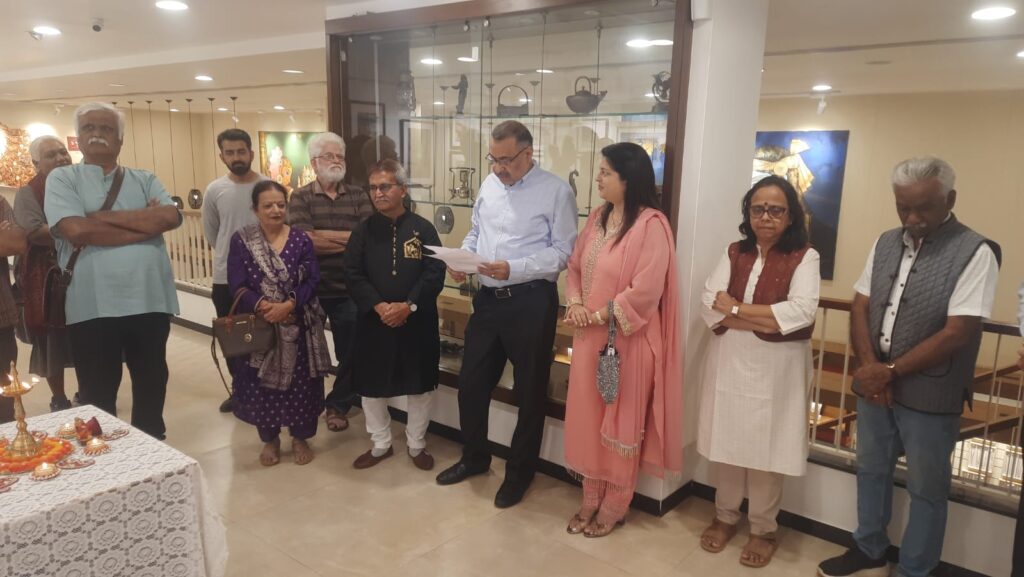
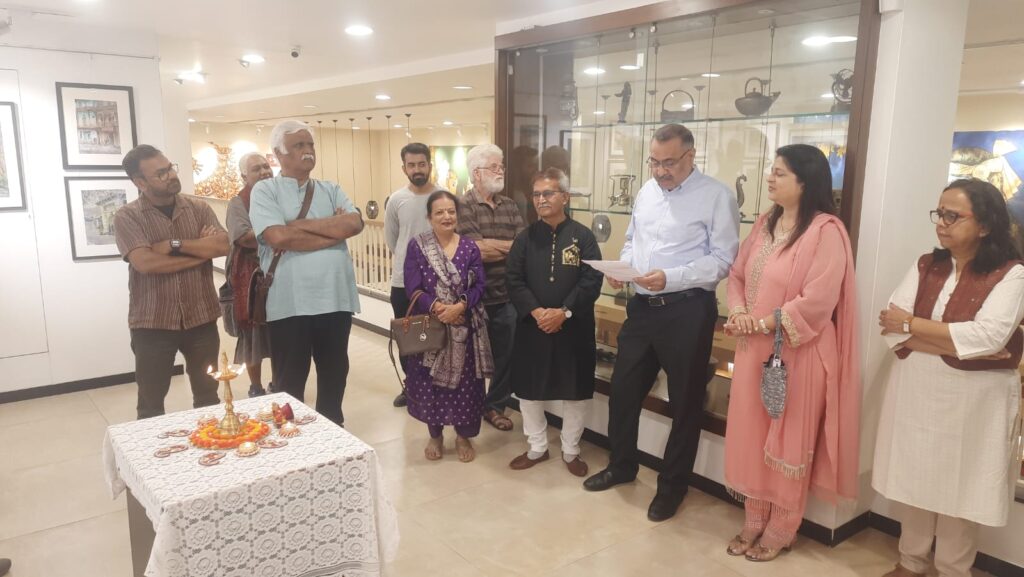
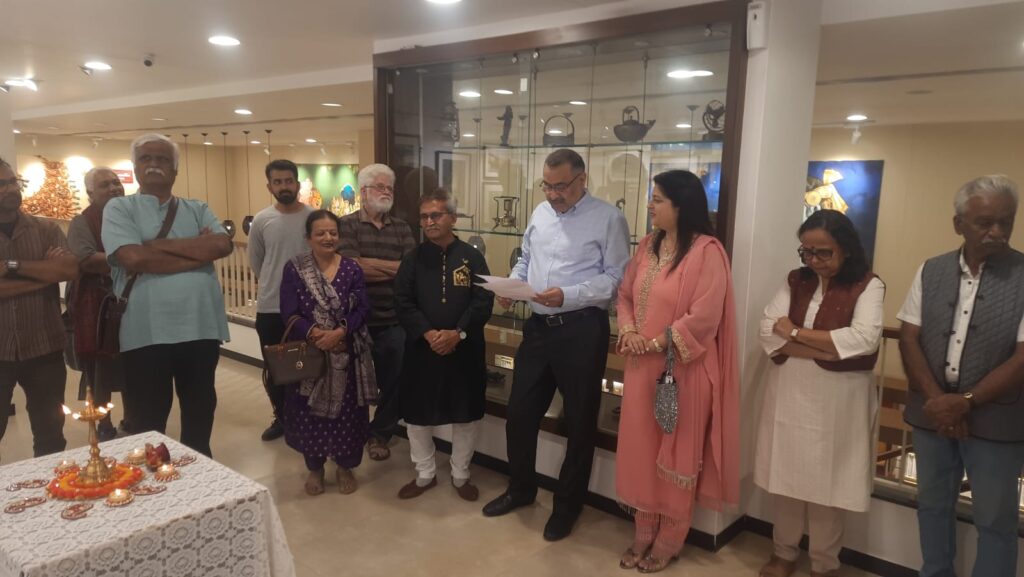
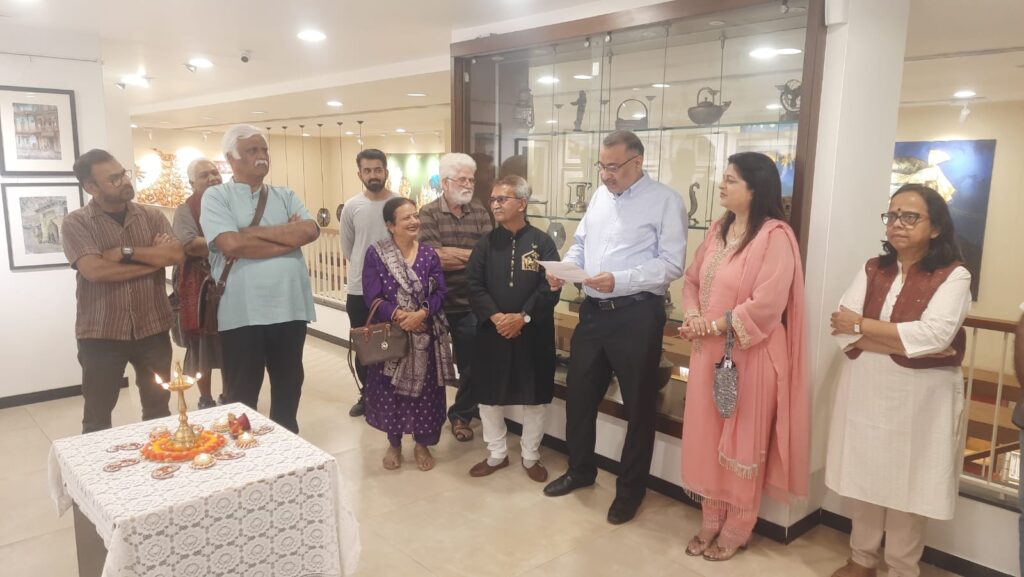
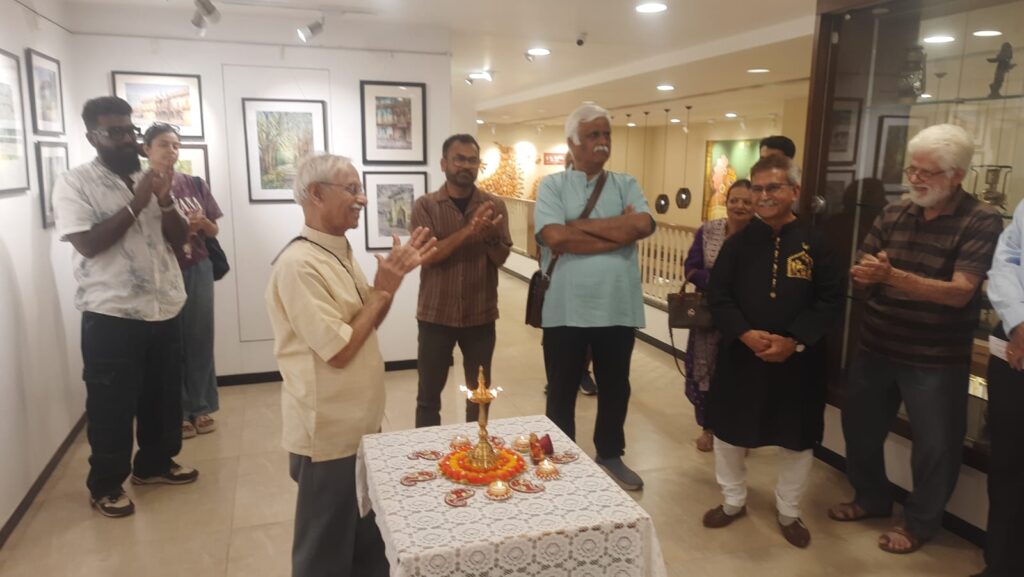
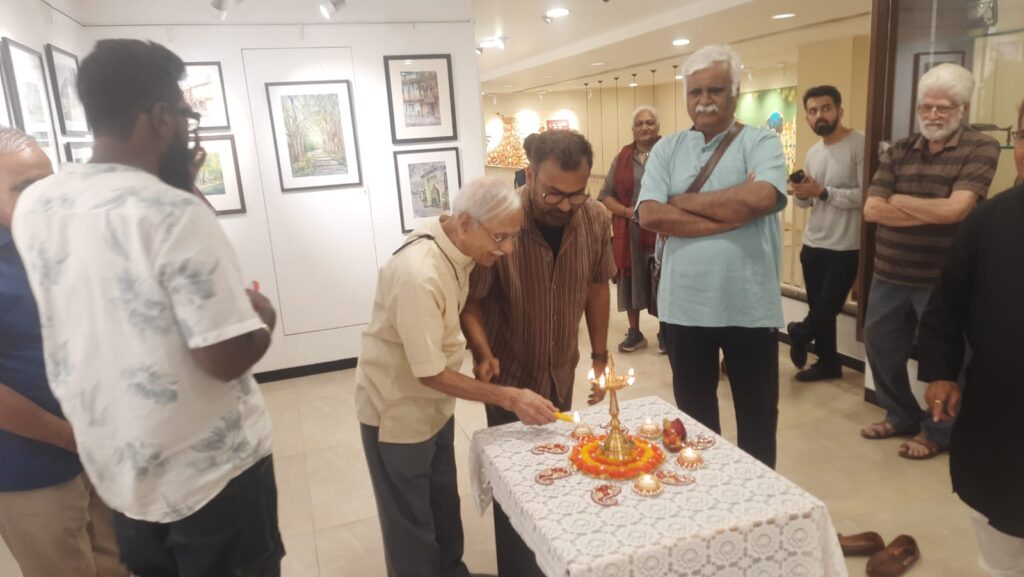
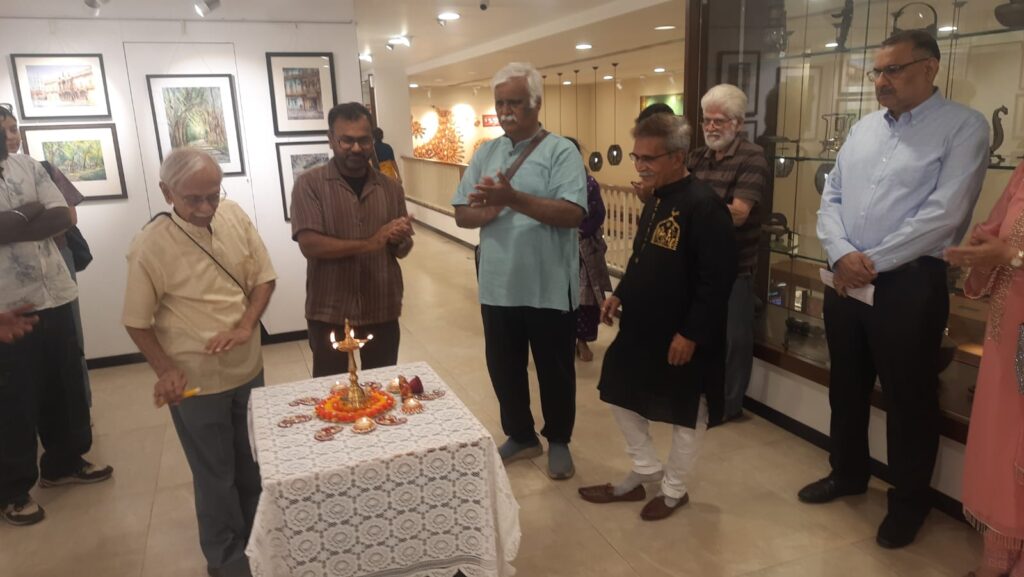
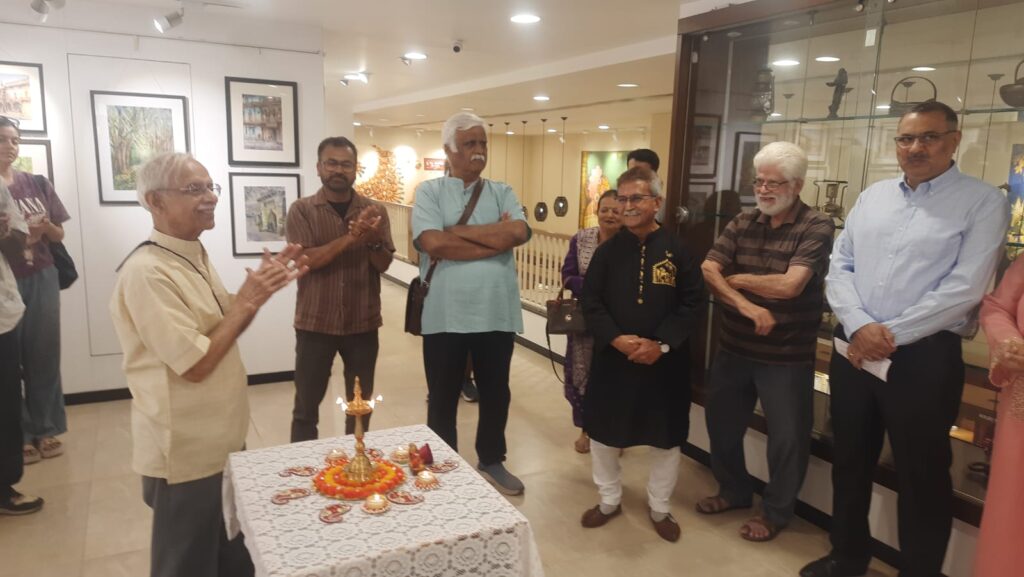
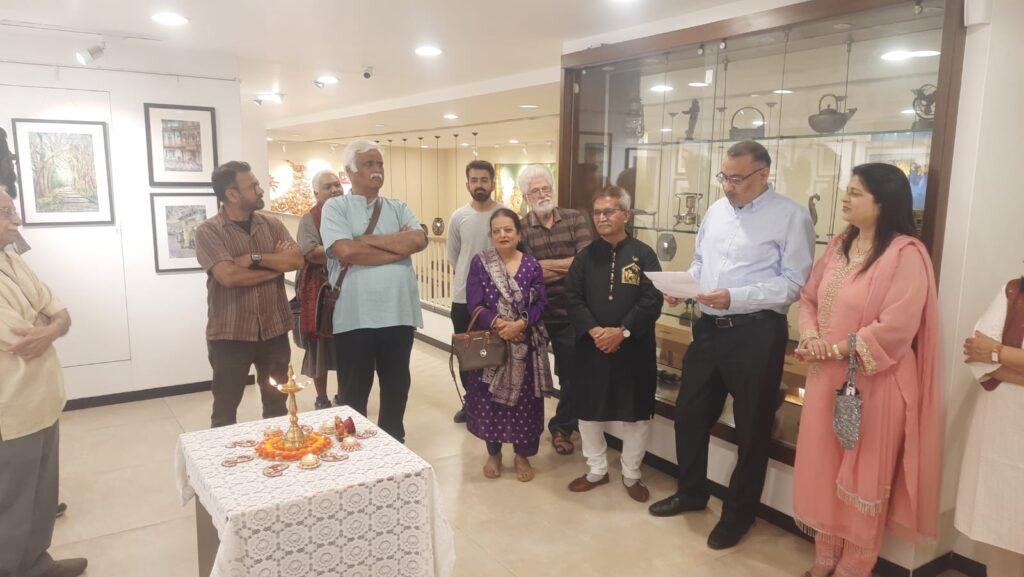
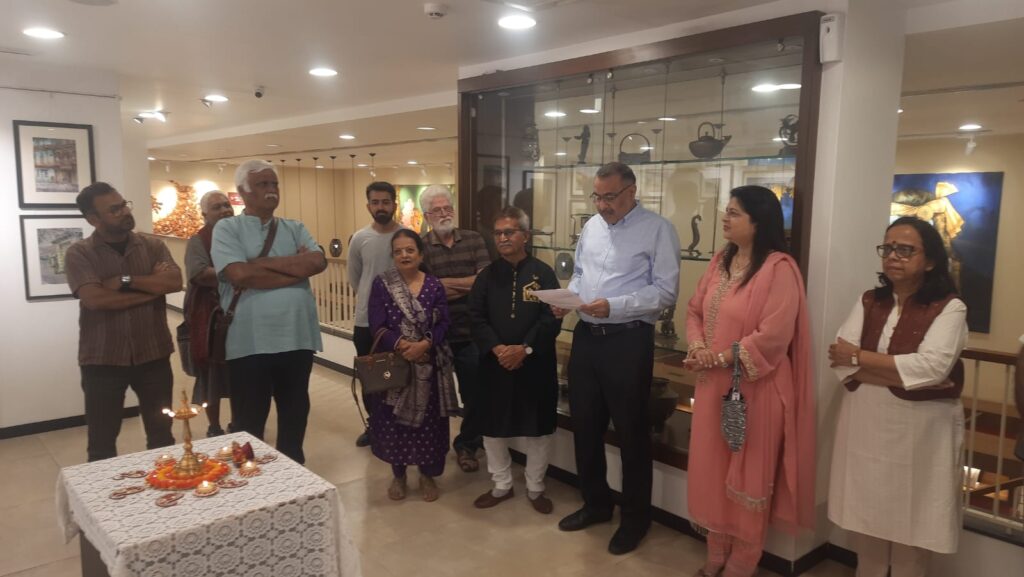
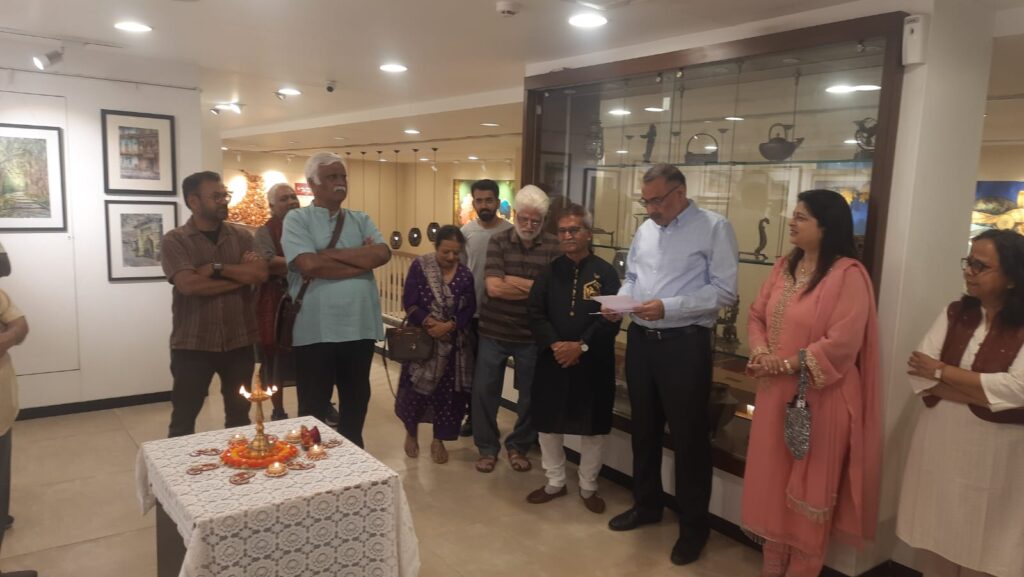
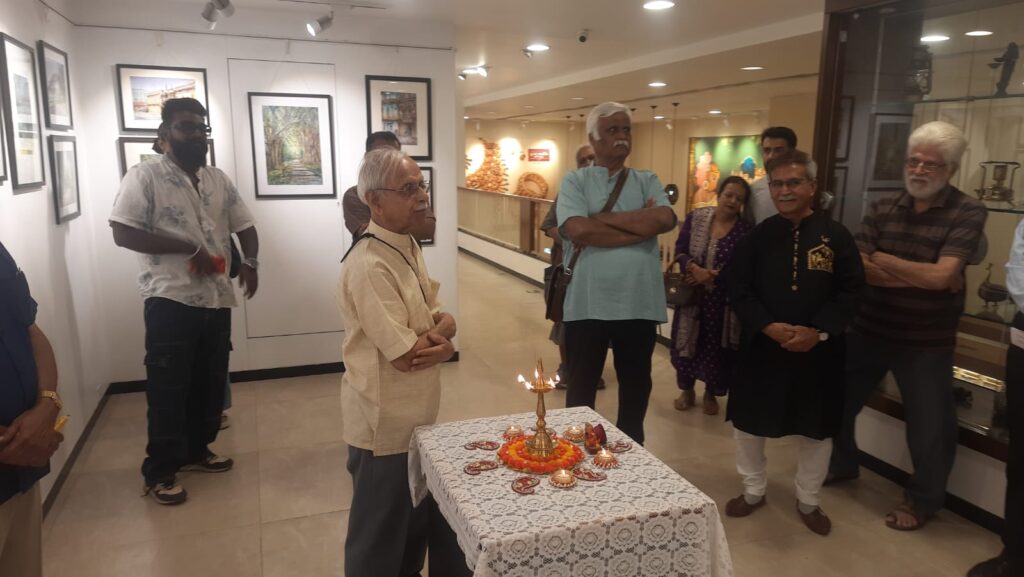
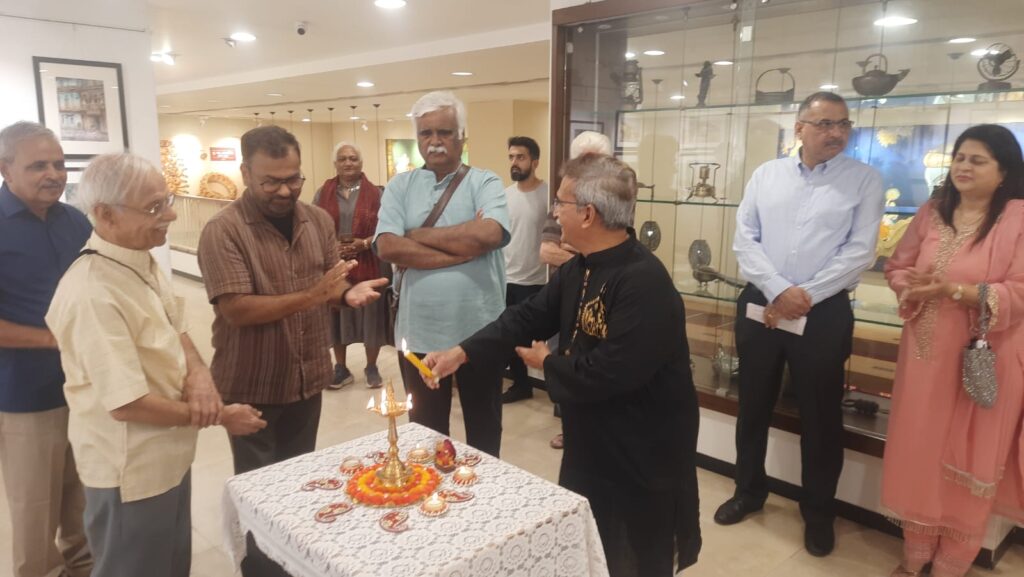
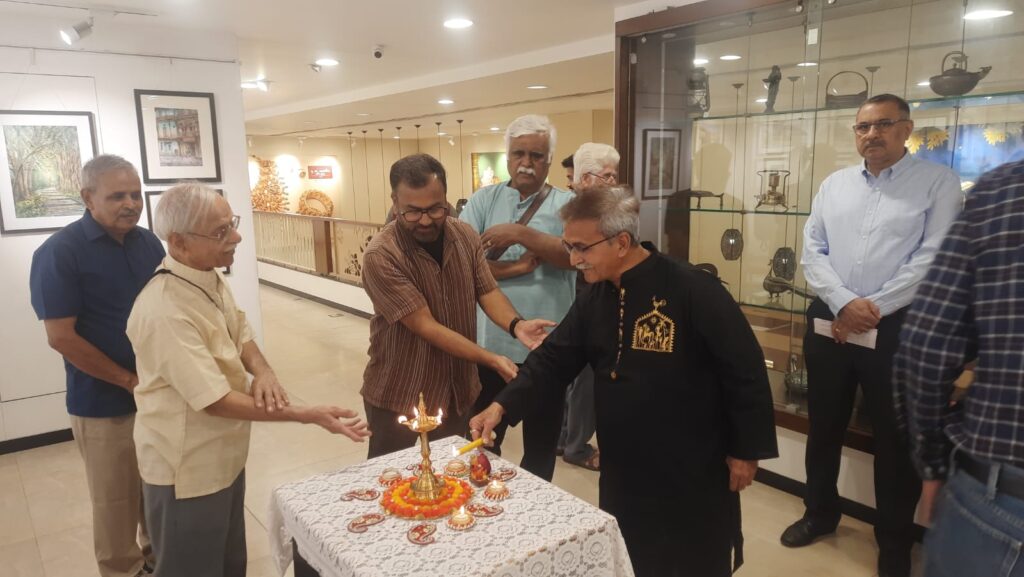
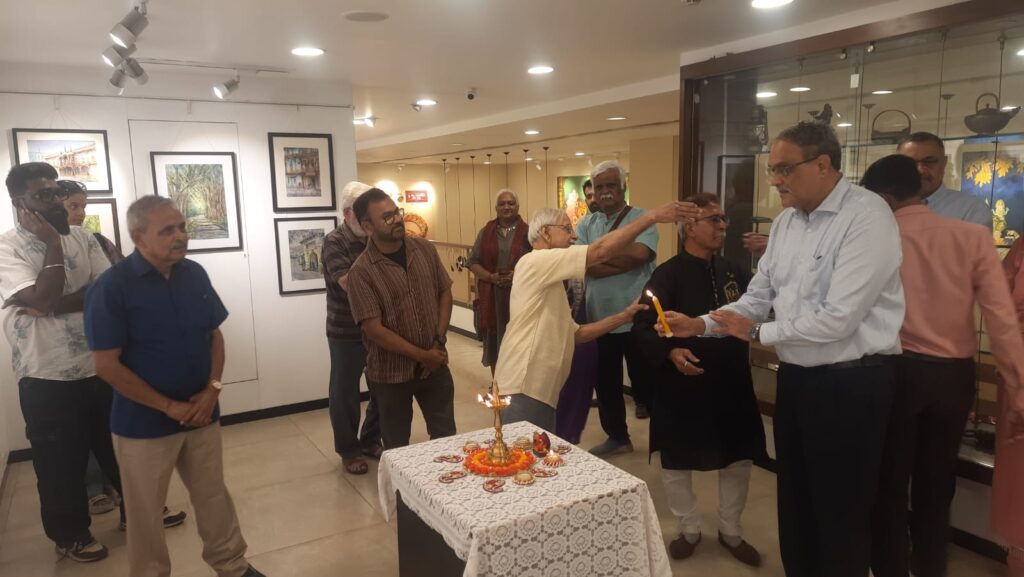
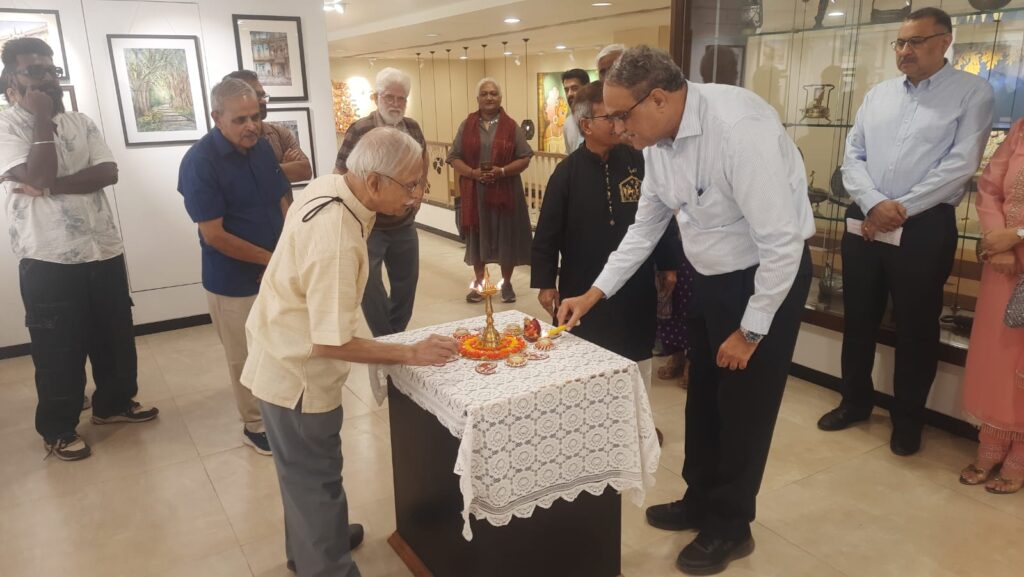
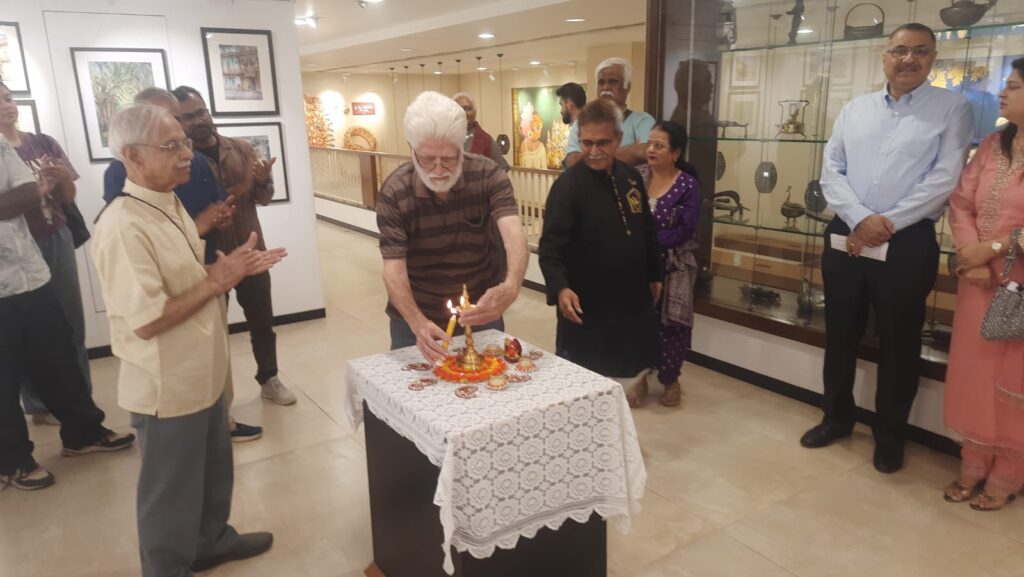
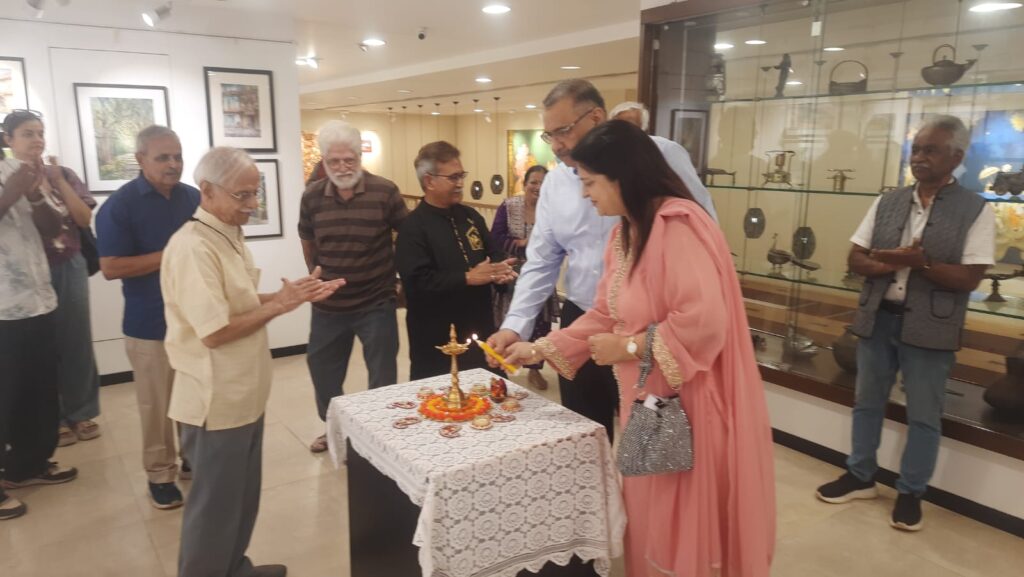
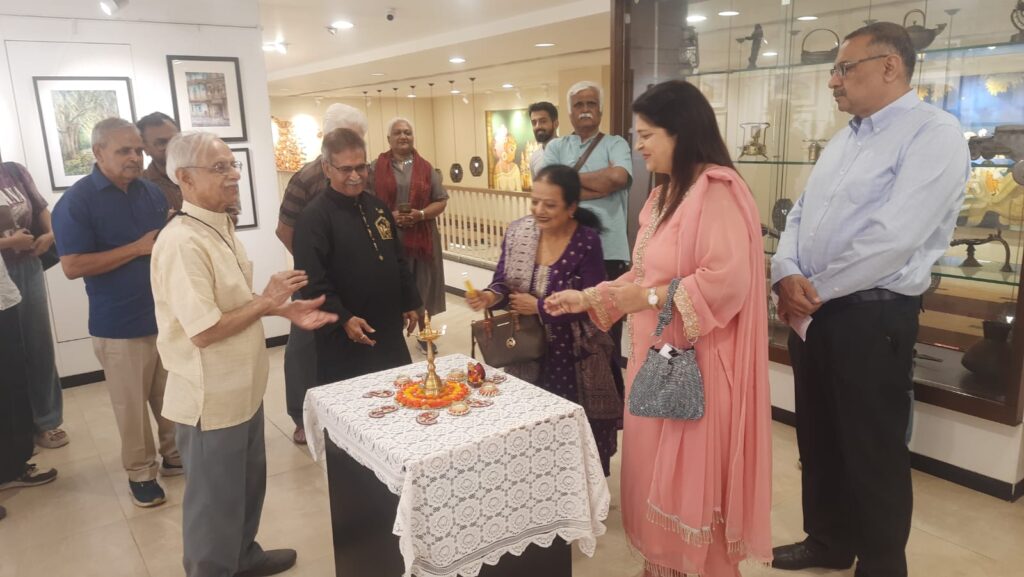
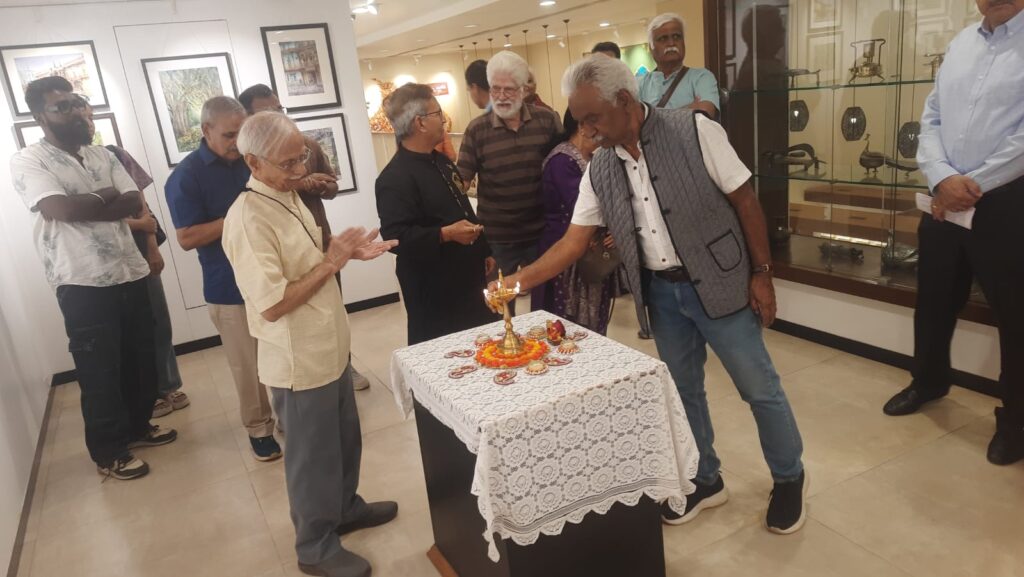
A special moment, Shri Rajendra Mehta’s friends Mr Allen and Mrs Fiona Martyr’s, share a moment of the lighting of the samai and then opening the show for viewing, purchase, while having a sip of tea and coffee. Urban Sketchers were a support system and special thanks to Shridhar Susumal who has been instrumental and key person in making this art show a grand success.
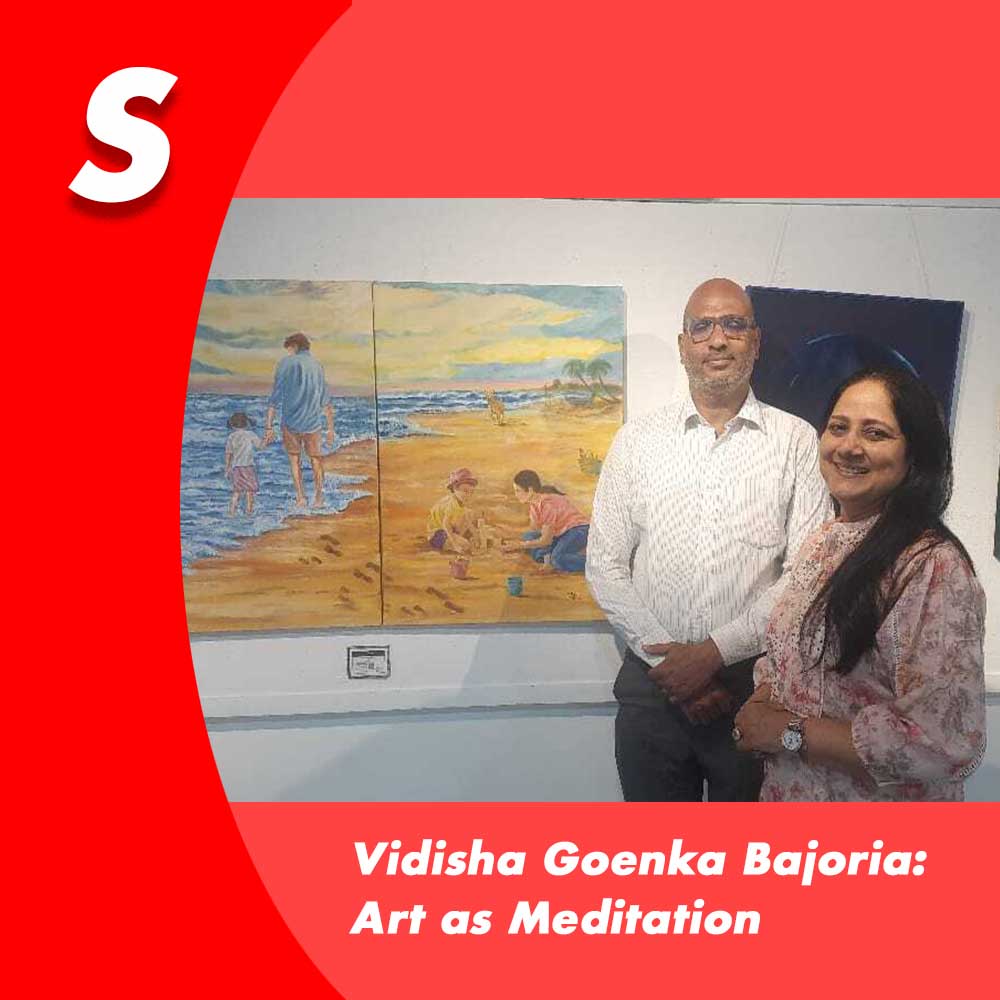
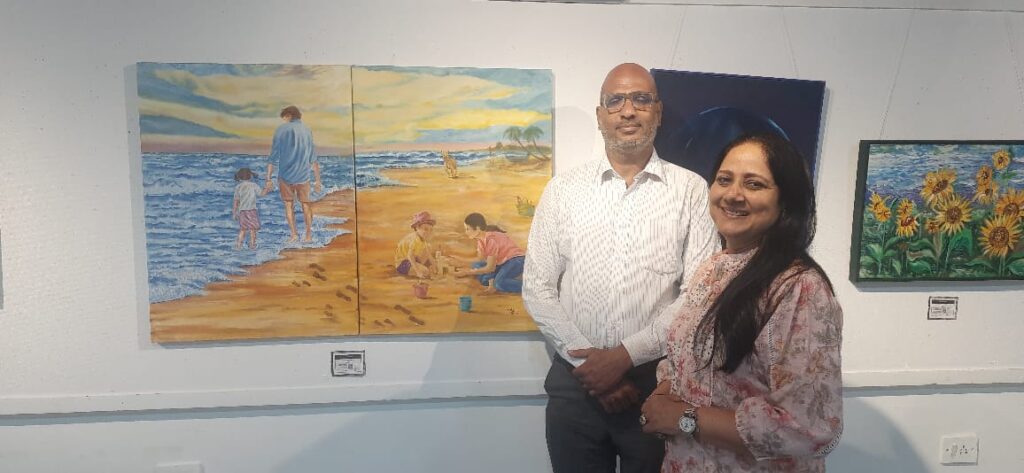
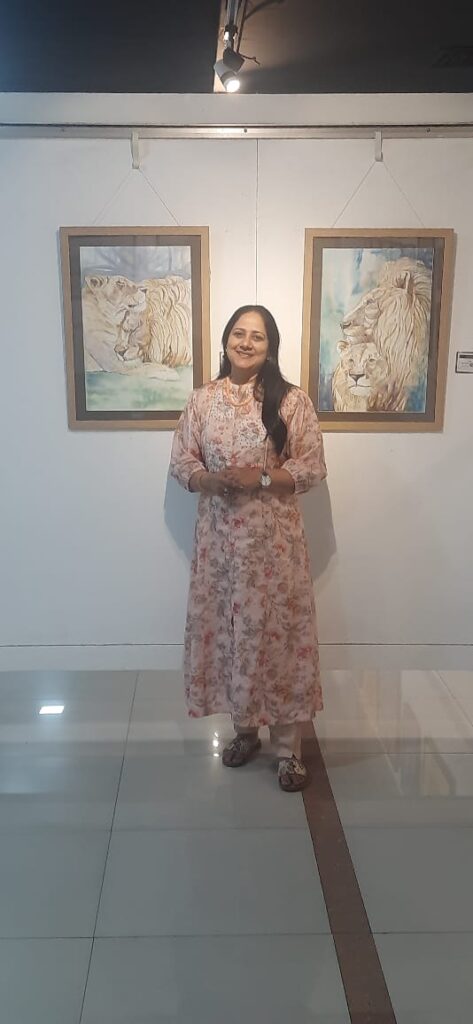
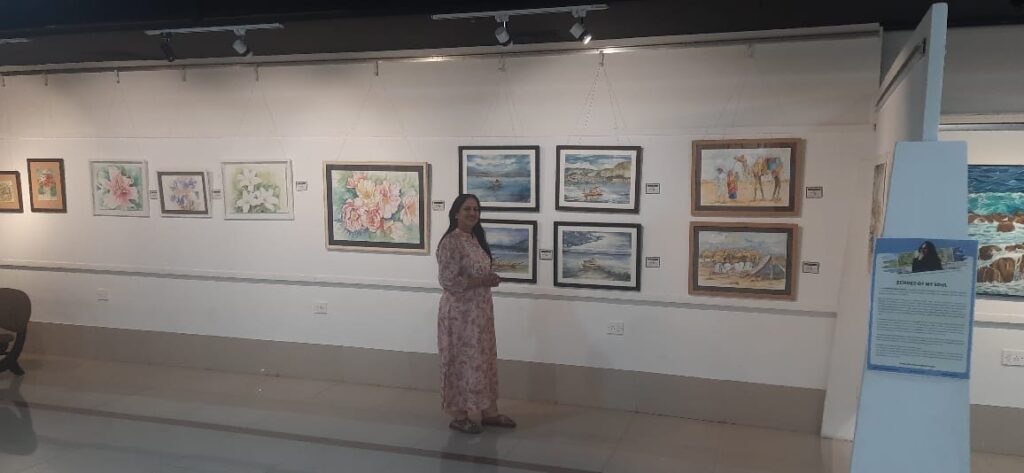
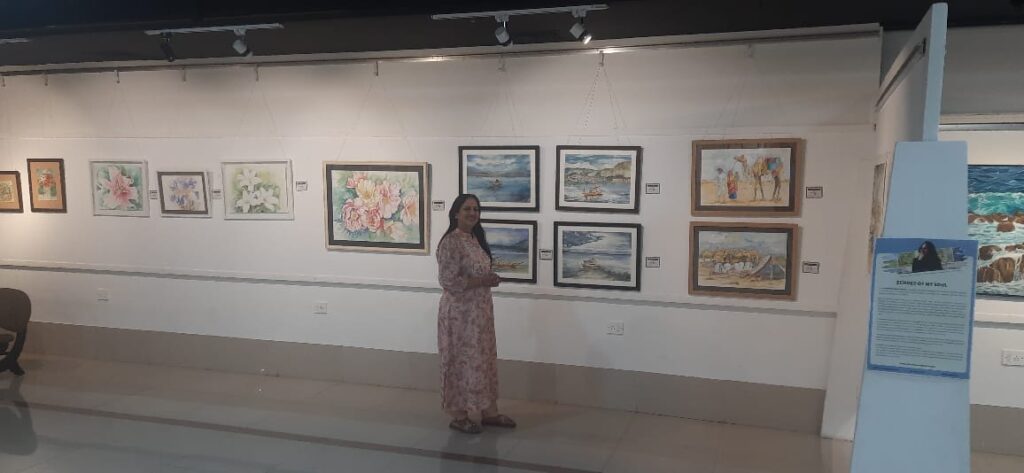
Artist and Reiki healer Vidisha Goenka Bajoria transforms painting into a meditative practice. Her work invites viewers to pause and reconnect with nature—admiring flowers, leaves, butterflies—moments often lost in life’s rush.
From Kolkata roots to Rajasthan influences, her art spans self-portraits, wildlife, and cultural landscapes. Each piece explores inner healing and self-consciousness, expressing how thoughts shape our reality.
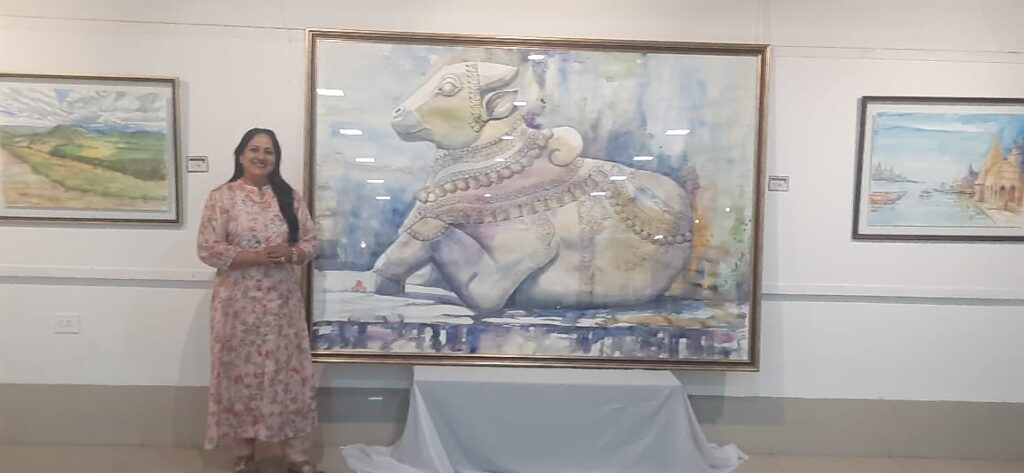
Sacred Symbolism
Large-scale Nandi watercolor painted on her bed—a challenging feat showcasing devotion and patience.
Protective Bonds
Lion couples watching over each other, symbolizing partnership and mutual care in relationships.
Spiritual Journey
Varanasi painting capturing an artist’s life span in one delightful, soul-stirring composition.
Cultural Roots
Rajasthan’s vibrant essence flows through her work, honoring heritage and identity through art.
Her book complements the exhibition, guiding readers toward healing and balance through inner soul energy. Launched at Raja Ravi Verma Art Gallery, Pune on Tuesday, 7 Oct 2025. Priced at 300 rupees.
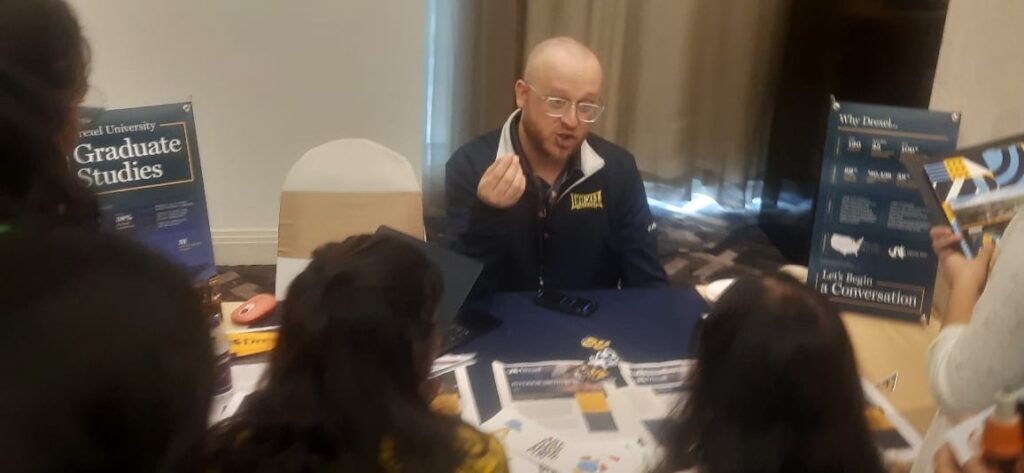
Zista Events recently hosted a groundbreaking seminar at ‘The O Hotel’ in Pune, setting new benchmarks for students aspiring to pursue higher education abroad, particularly in the cutting-edge fields of AI and Robotics. The event brought together leading academics and industry experts to shed light on the transformative impact of these technologies and the global opportunities they present.
Robotics: Redefining Human Potential
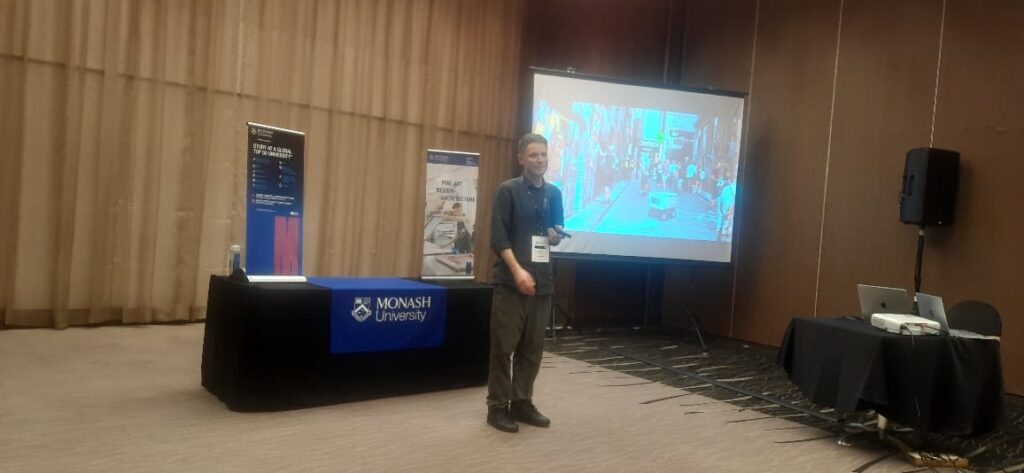
The session on robotics was spearheaded by Dr. Ilya Fridman, a distinguished professor and Head of the Department for Art and Design at Monash University. Dr. Fridman, renowned for his work on the ‘Robotic Library’—an innovative online resource cataloging robots for everyday life applications—captivated the audience with his vision of a future where robots seamlessly integrate into our lives, freeing humans from mundane and high-risk tasks.
Beyond the Minutiae: Robots for Dignified Living
Dr. Fridman elaborated on the process of conceptualizing and building robots, emphasizing the identification of tasks that can be automated to elevate human dignity. He highlighted how robots could take over labor-intensive, hazardous, or repetitive jobs such as mining, cleaning, and waste management. This allows humans to focus on higher-order thinking, creativity, and innovation, thereby reducing costs and improving efficiency across various sectors. The discussion also touched upon advanced robotic forms, including holographic robots, and the potential for artistic applications, such as motorizing or robotizing statues to enhance city aesthetics, drawing inspiration from local attractions like Tikuji-Ni-Wadi’s dinosaur robots.
AI’s Impact on Design & Communication
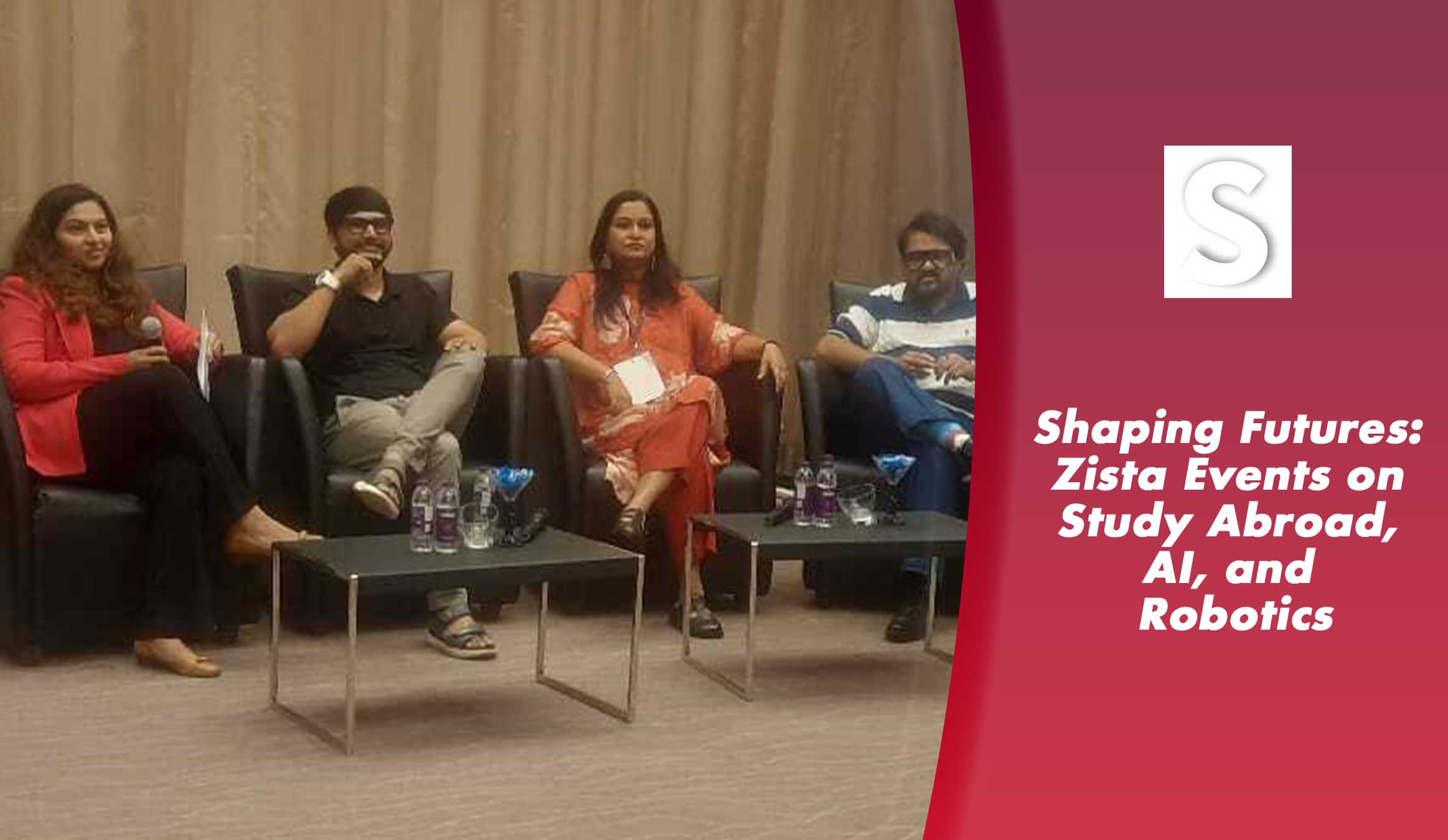
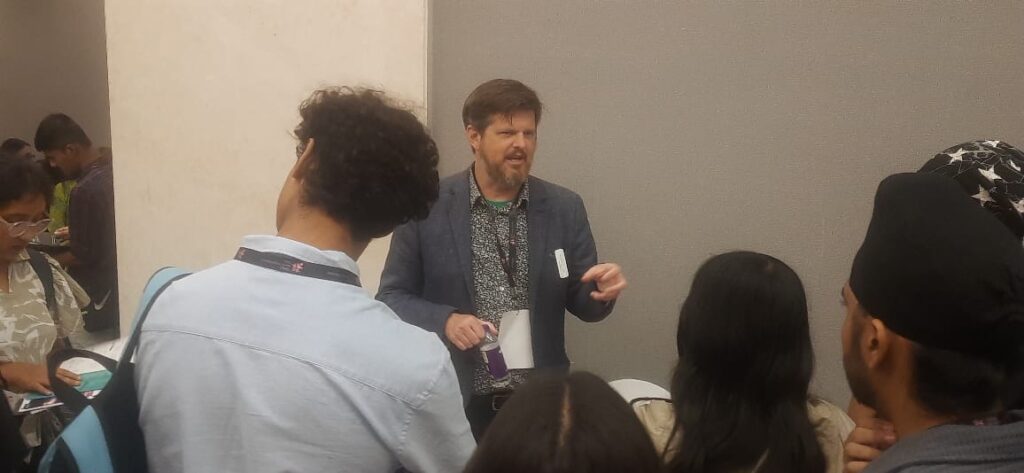
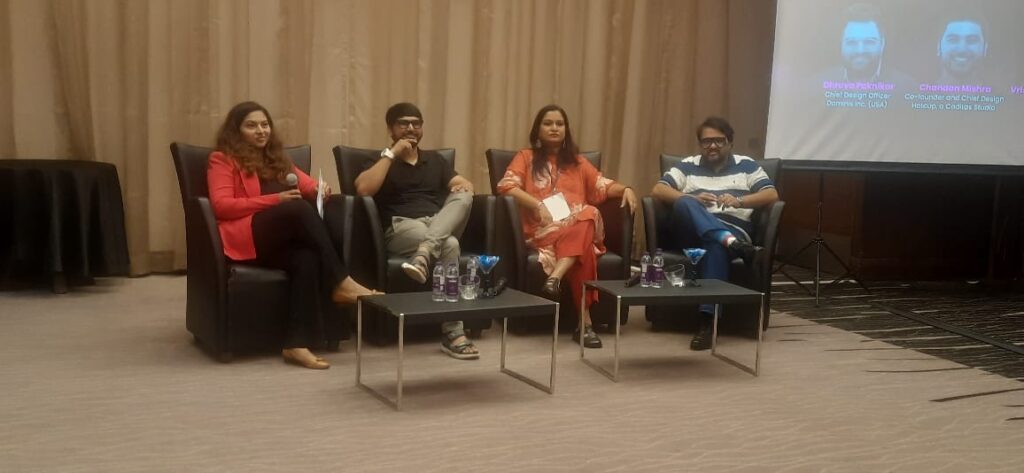
A subsequent session delved into the profound impact of Artificial Intelligence on the future of design and communication. Moderated by Mrs. Mitali, the panel featured prominent speakers Mr. Chandan, Mrs. Kulkarni, and Mr. Paknikar. The discussion underscored how AI is reshaping design from its aesthetic roots into a more deeply meaningful and functionally artistic representation. From advertising promotions to intricate packaging designs, AI is poised to streamline processes and perform tasks with unprecedented efficiency.
AI and the Evolving Job Market
The event saw significant audience engagement, with many questions revolving around AI’s influence on the job market. The consensus was that AI will increasingly digitize every facet of our lives, minimizing human intervention in routine tasks and liberating individuals from “minuscule jobs.” This shift is expected to free up human labor for more complex and creative endeavors, potentially leading to reduced costs for products and technologies. Historical examples, such as the old railway station weighing scales—an early form of automation—were cited to illustrate the long-standing progression of robotic integration into daily life.
The transformation is evident in industries like automotive manufacturing, where robotic arms have revolutionised assembly lines, and in stone cutting, showcasing AI’s capability in precision tasks.
Furthermore, the potential for robots to undertake high-risk roles like traffic management and firefighting was explored, painting a vivid picture of a safer and more efficient future powered by advanced technology. One logistic or warehousing example is Future Groups Warehouse, which is completely robotic located at Chakan Road, Pune, which was inaugurated by Shree Nitin Gadkari.
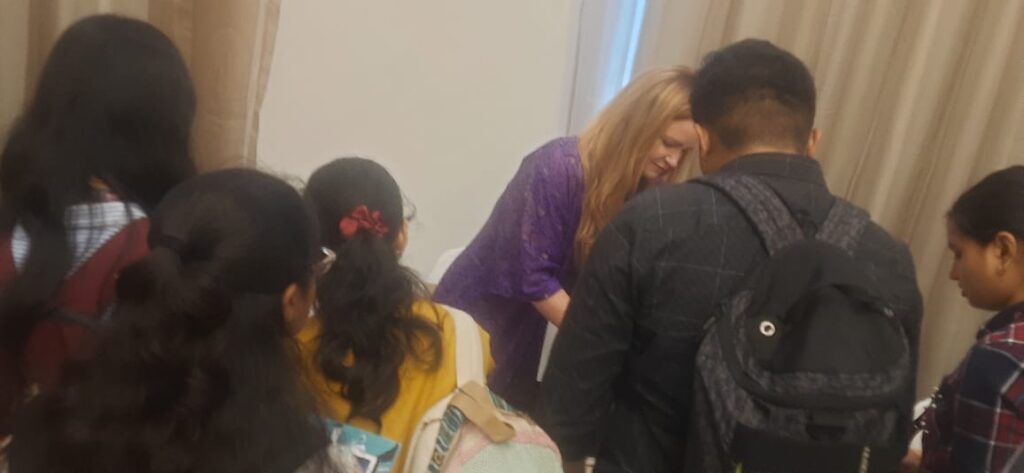
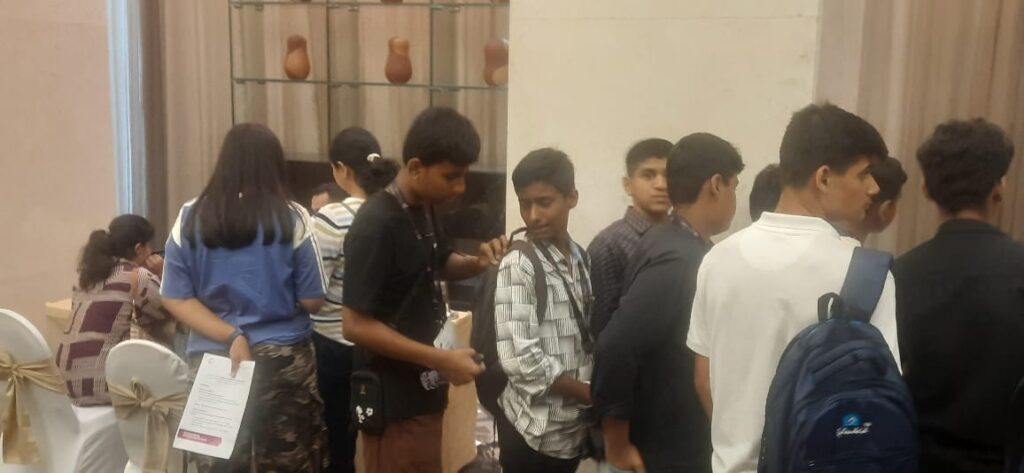
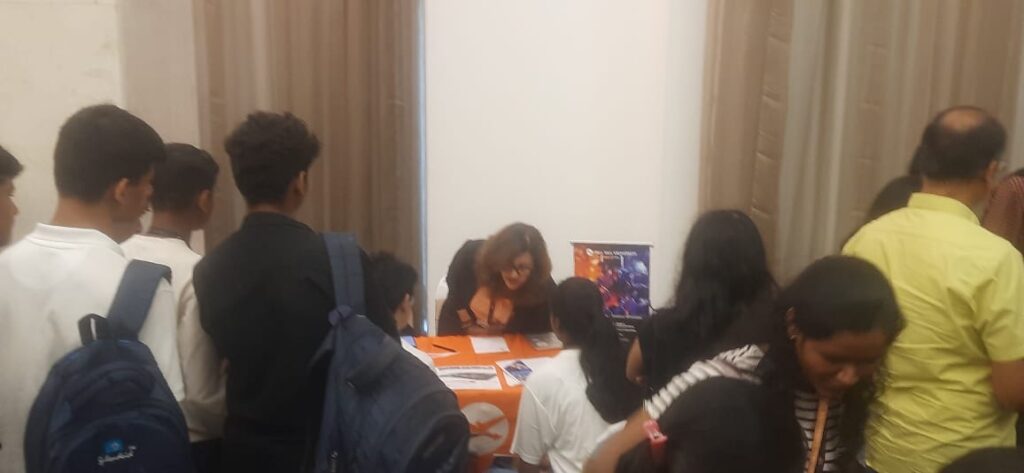
The event concluded with a networking tea, allowing attendees the invaluable opportunity for one-on-one interactions with representatives from various universities, further facilitating their study abroad aspirations.
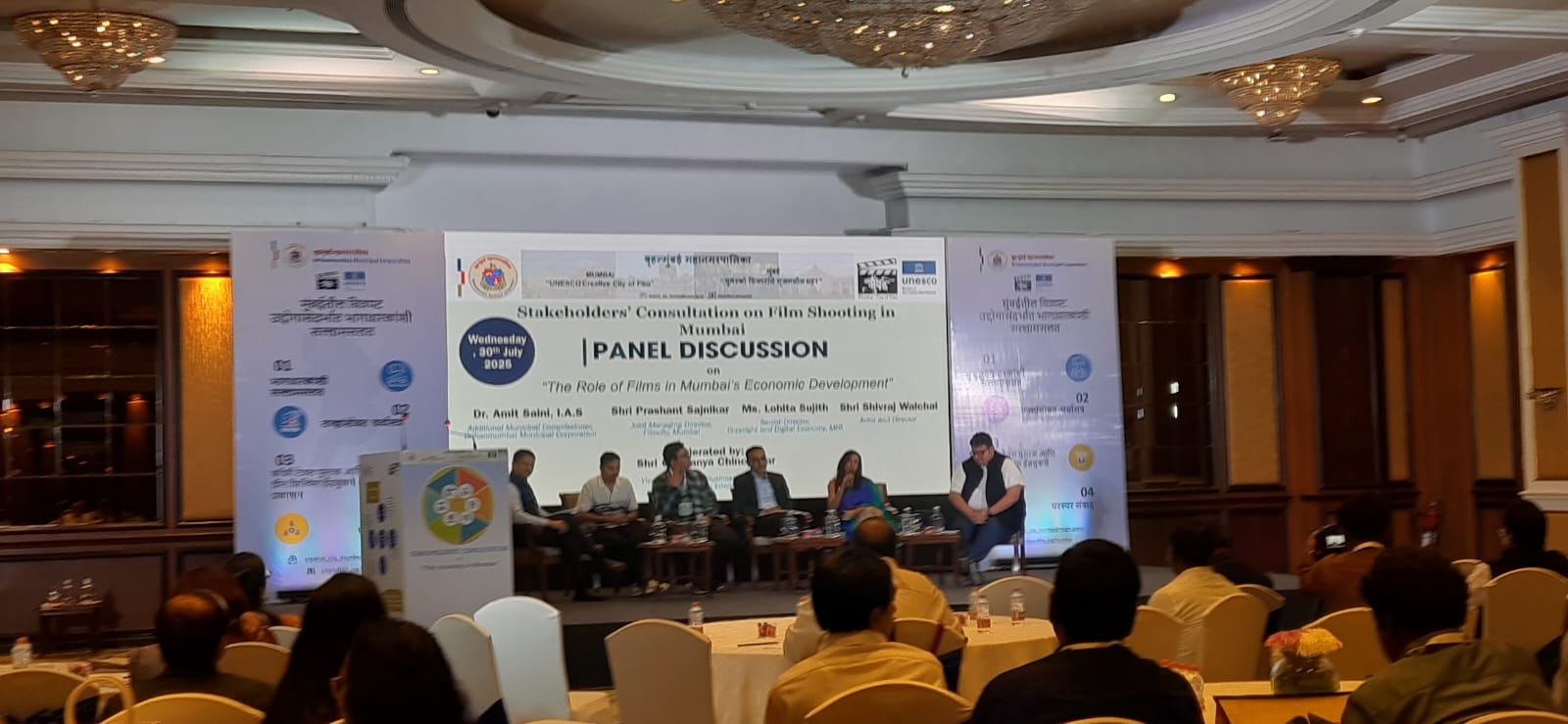
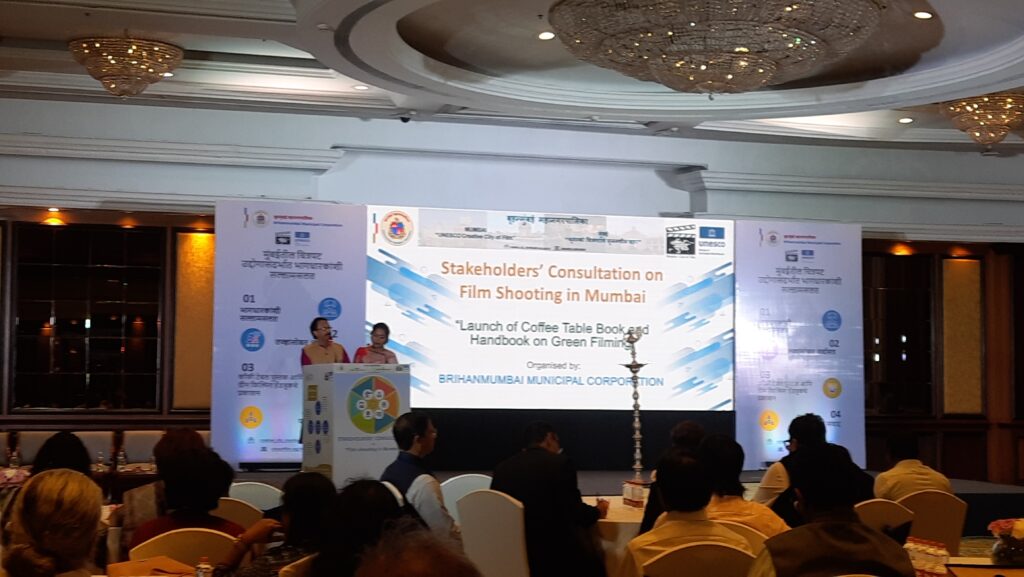
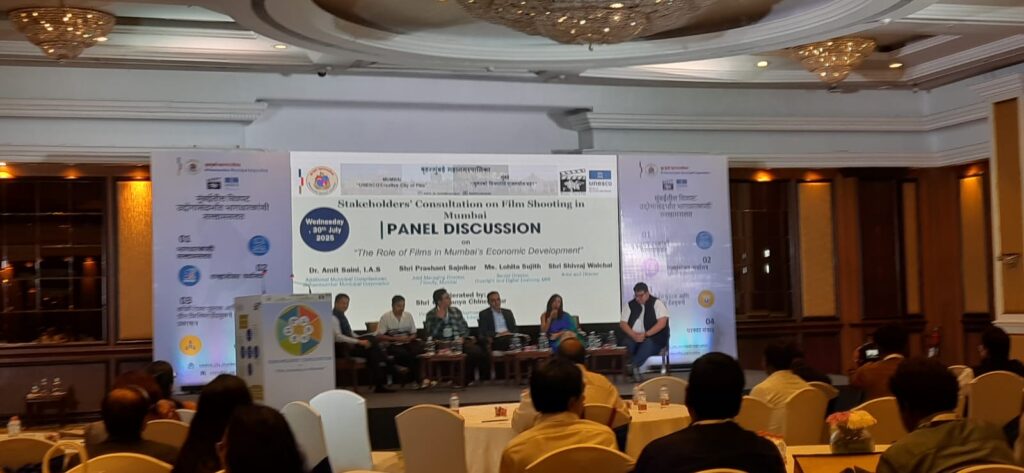
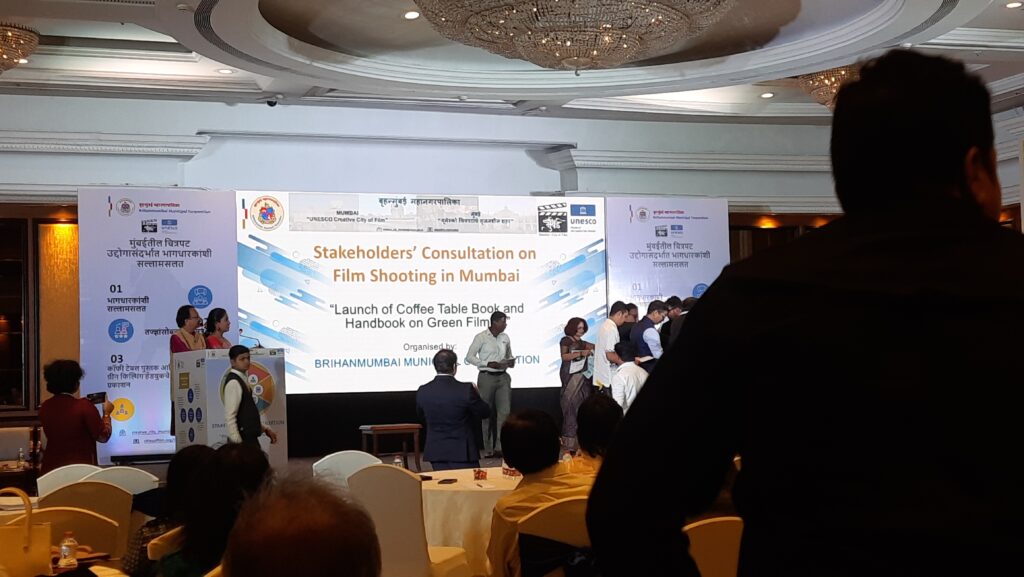
On July 30, 2025, a landmark event at the Taj Lands End, orchestrated by Ernst & Young, unveiled a transformative vision for Mumbai’s Film City and its economic development. This initiative, built upon years of meticulous data compilation regarding filming activities in Mumbai, aims to streamline processes, enhance infrastructure, and boost tourism, marking a new chapter for filmmakers and the city’s burgeoning entertainment sector.
A Collaborative Beginning: The Inaugural Event
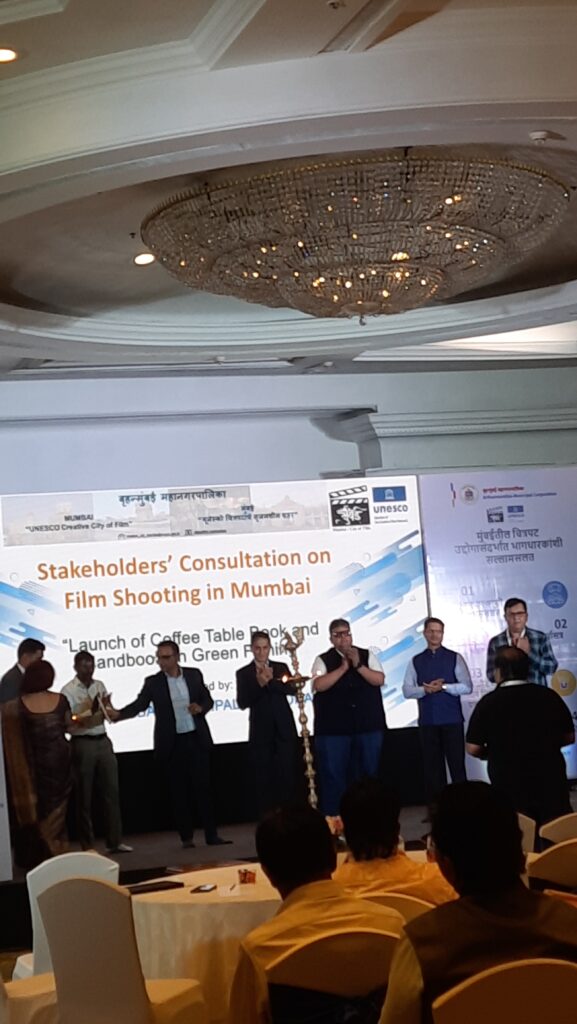
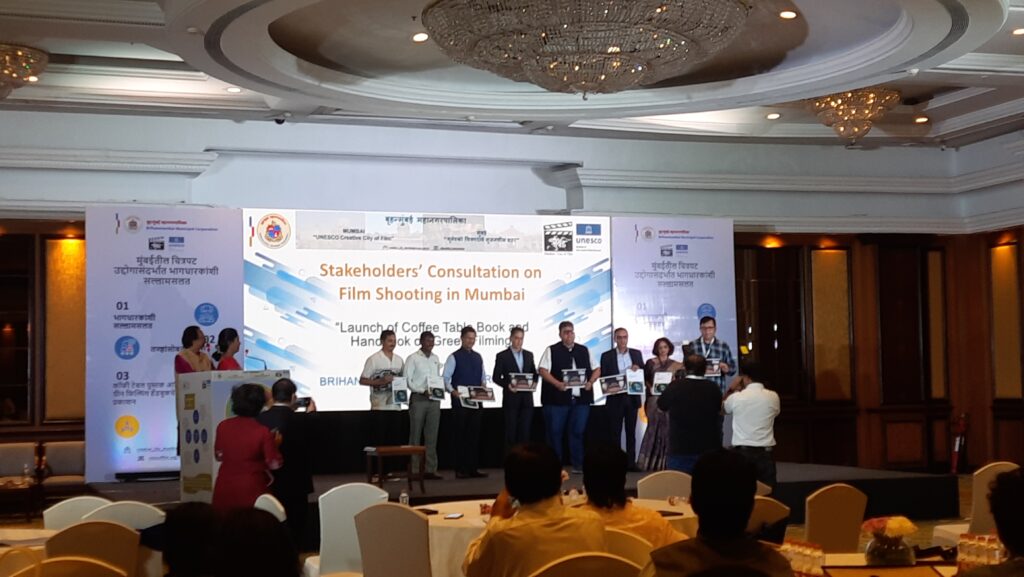
The event commenced with a traditional lighting ceremony, symbolizing prosperity and new beginnings, followed by the presentation of exclusive coffee table books and handbook on Green Filming to chief guests and VIPs. These books chronicled Mumbai’s rich cinematic history and the ambitious future plans. Engaging audio-visual presentations underscored the critical role of the Brihanmumbai Municipal Corporation (BMC) in this developmental journey, tracing the history of Film City’s growth and highlighting its immense potential to invigorate tourism. A central tenet of the proposed reforms is the creation of a seamless process for film producers, significantly simplifying the complex web of permissions and navigating local legal intricacies that often impede production timelines.
Strategic Engagements and Industry Insights
BMC has actively fostered an environment of open dialogue, engaging extensively with key stakeholders from the Mumbai Film City and Economic Development sectors. A distinguished panel, comprising prominent industry veterans and a dedicated think tank, has meticulously devised a comprehensive plan. This plan focuses on several critical areas: enhancing the existing infrastructure of Film City, redeveloping outdated facilities, and establishing robust, transparent policies designed to streamline filmmaking processes. Particular emphasis has been placed on simplifying BMC permissions required for utilizing public spaces and government infrastructure, which are vital for location-based shoots.
Seamless Permissions
Simplifying bureaucratic hurdles for filmmakers to secure necessary approvals for shoots.
Infrastructure Boost
Investing in state-of-the-art facilities and upgrading existing structures within Film City.
Tourism Enhancement
Leveraging Film City’s global appeal to attract more tourists and generate revenue.
Policy Reform
Developing clear, consistent guidelines for all aspects of film production and related activities.
Key Concerns and Future Directives
During the discussions, stakeholders representing a diverse spectrum of the media industry—including filmmakers, documentary producers, OTT platforms, large production houses, and advertising film producers—raised pertinent points for collective consideration. The dialogue extensively covered the pivotal roles of police and location managers, as well as local coordinators, who are instrumental in managing shoot requirements, vendor coordination, and crowd control through their local connections and expertise in securing permissions.
A significant point of discussion revolved around the urgent need for clear guidelines concerning temporary structures, such as studio setups or prefabricated auditoriums used for film displays. A notable and innovative suggestion proposed the establishment of a dedicated liaison between the government and film producers at actual shoot locations. This initiative could potentially create daily wage job opportunities for trained liaison officers in specific shooting areas, further bolstering local employment. Furthermore, architectural firms voiced critical concerns regarding structural modifications to buildings for film shoots, emphasizing that such alterations are often not temporary and entail significant, lasting changes, necessitating a more rigorous regulatory framework. This collaborative approach aims to position Mumbai as an even more attractive and efficient hub for global filmmaking.
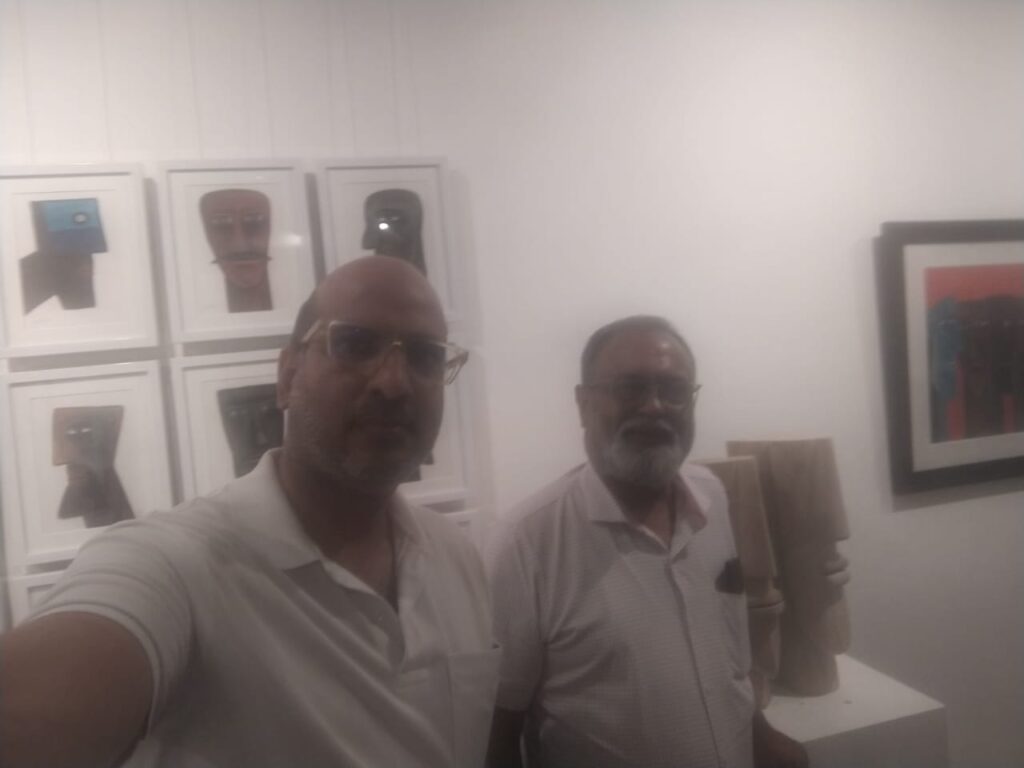
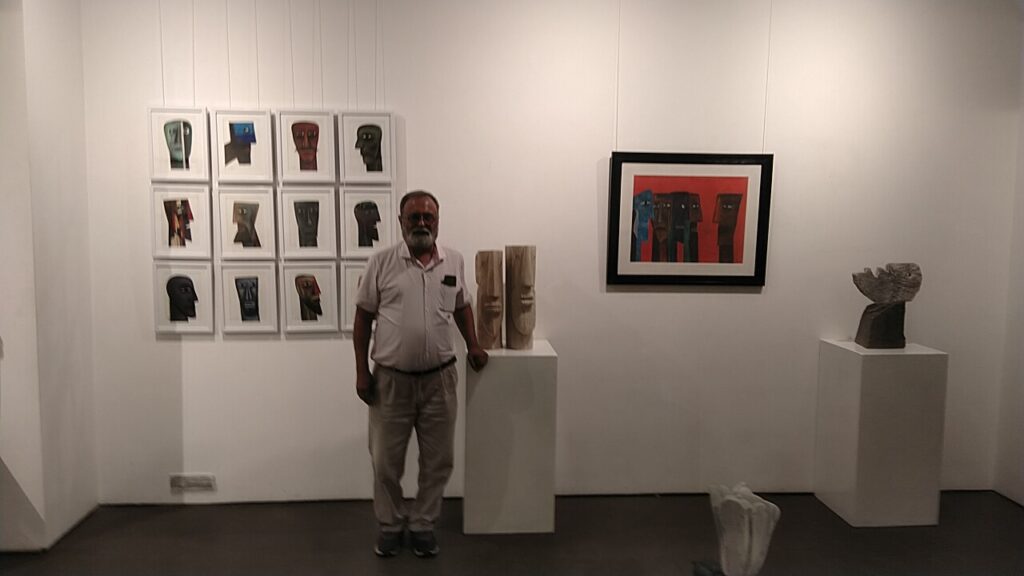
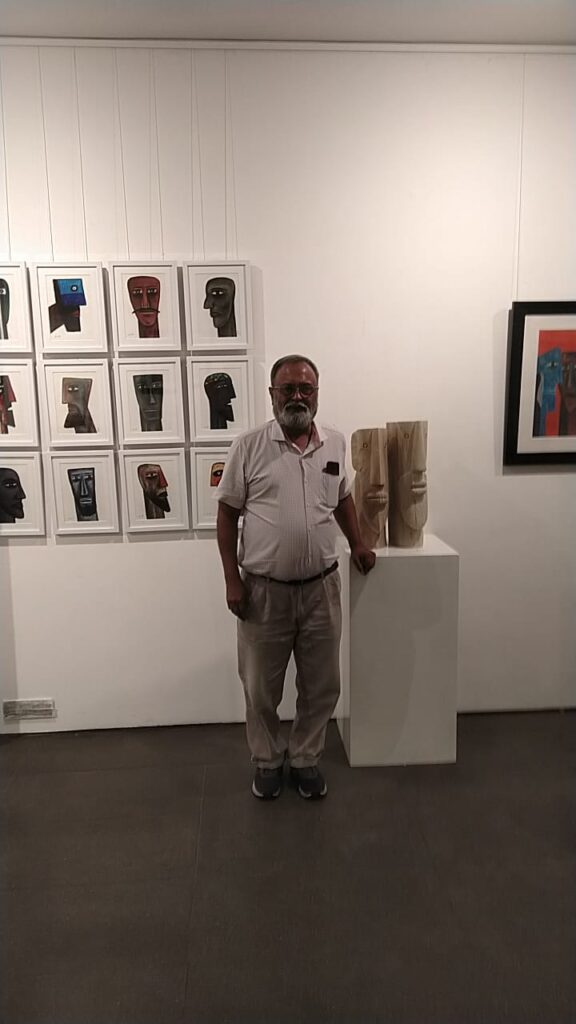
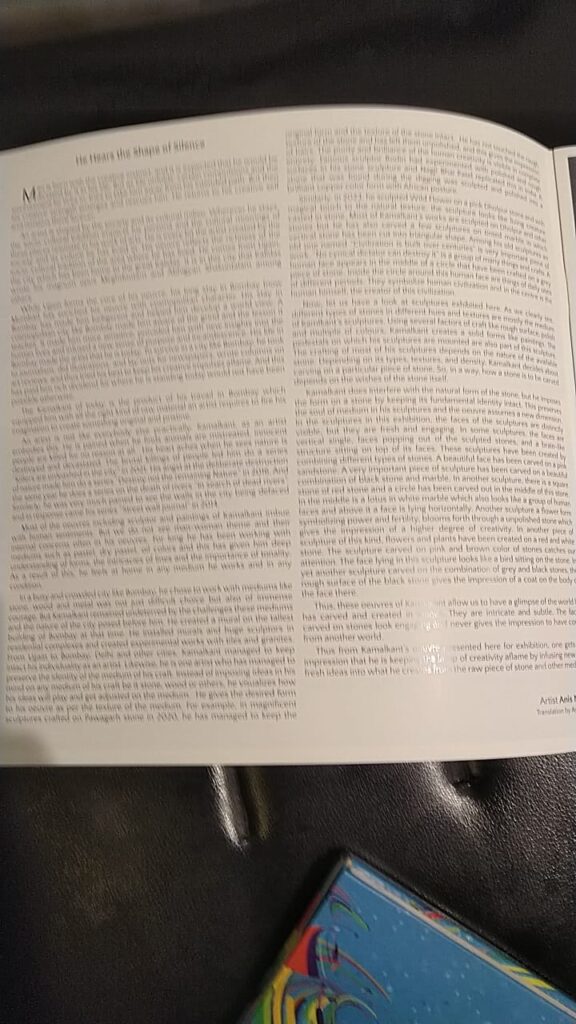
Bajaj Art Gallery, opens with a well-known artist, Shri Kamalkant, from Ujjain showcasing medieval sculptures and paintings that complement them. The artist says, “Stones helped him sculpt the stories or faces and shapes, rather making it by research or by inspiration.” They are very Jewish and some of these style face sculpture are also found in the Jewish Museum, similar to Italian Modigiliani long-face sculptures. Some of his friends who are architects and art critics have summarized his work.
Further, he has participated in many painting contests and has exhibited all across India. Experimenting with this kind of sculpture art has made Kamalkant find his niche and has gained notable testimonials from friends and patrons. If you are keen to know more about the Artist please visit the Bajaj Art Gallery.
Some of the summaries from Artist Kamalkant’s friend and patrons.
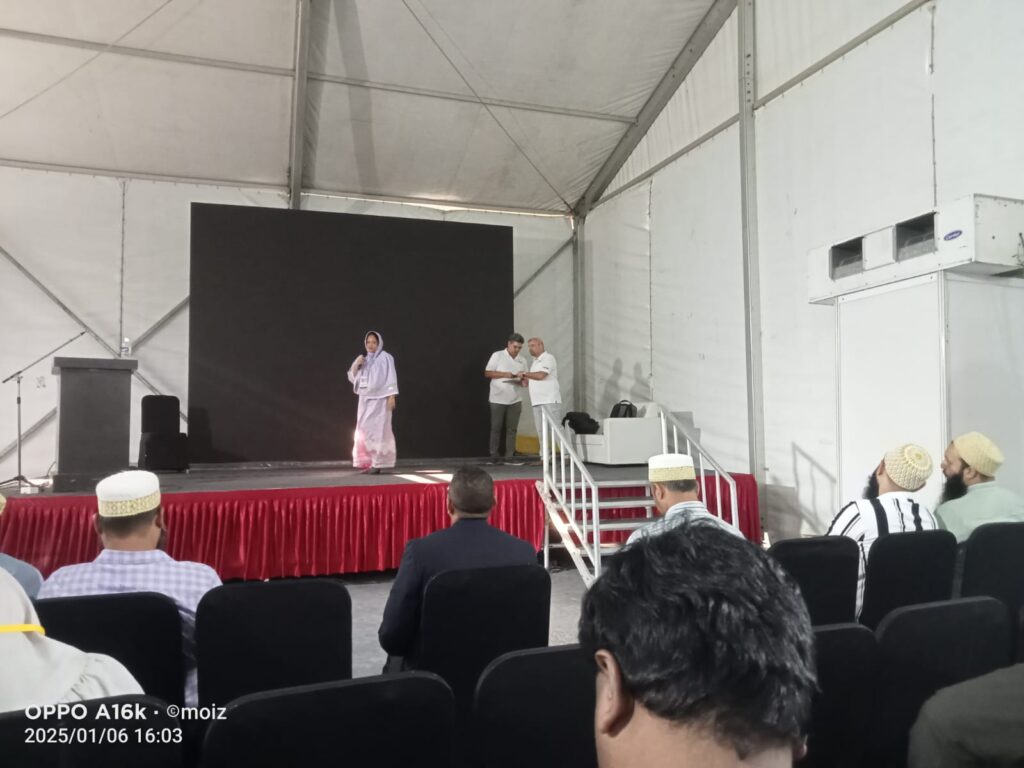
At the Bohra Expo 3 days of business and networking event for all who want to buy, sell or setup a business, an exhibition put up by Bohra Community. You can see all kinds of real estate and hardware, interior, confectionary and jewelery stalls.
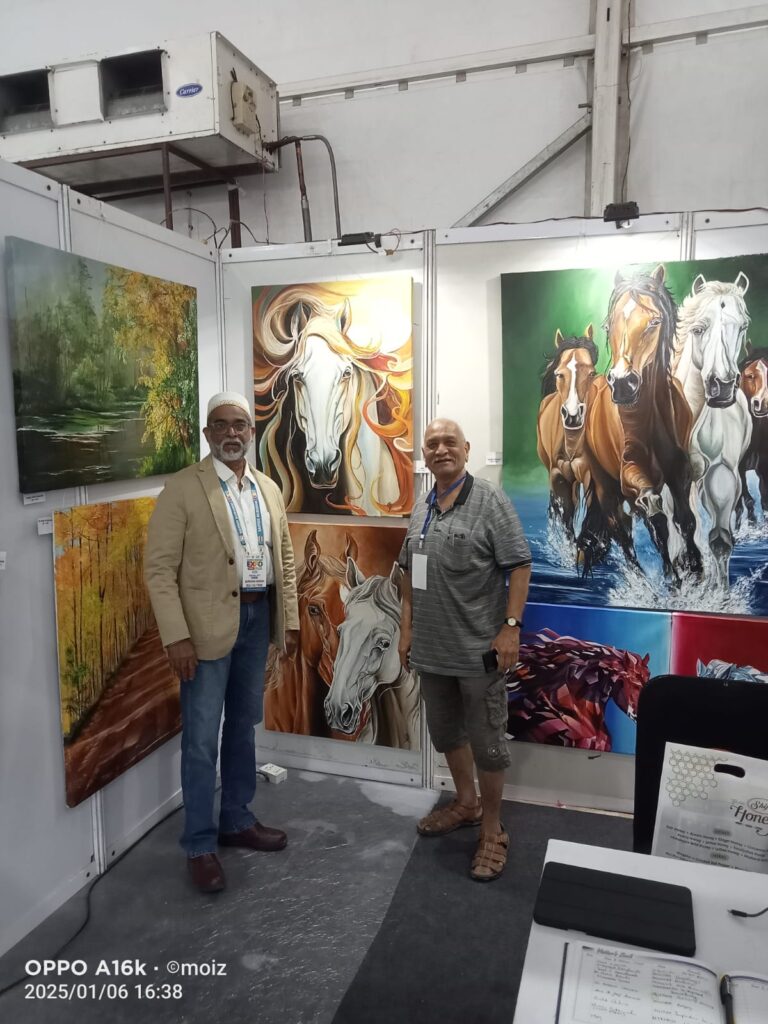
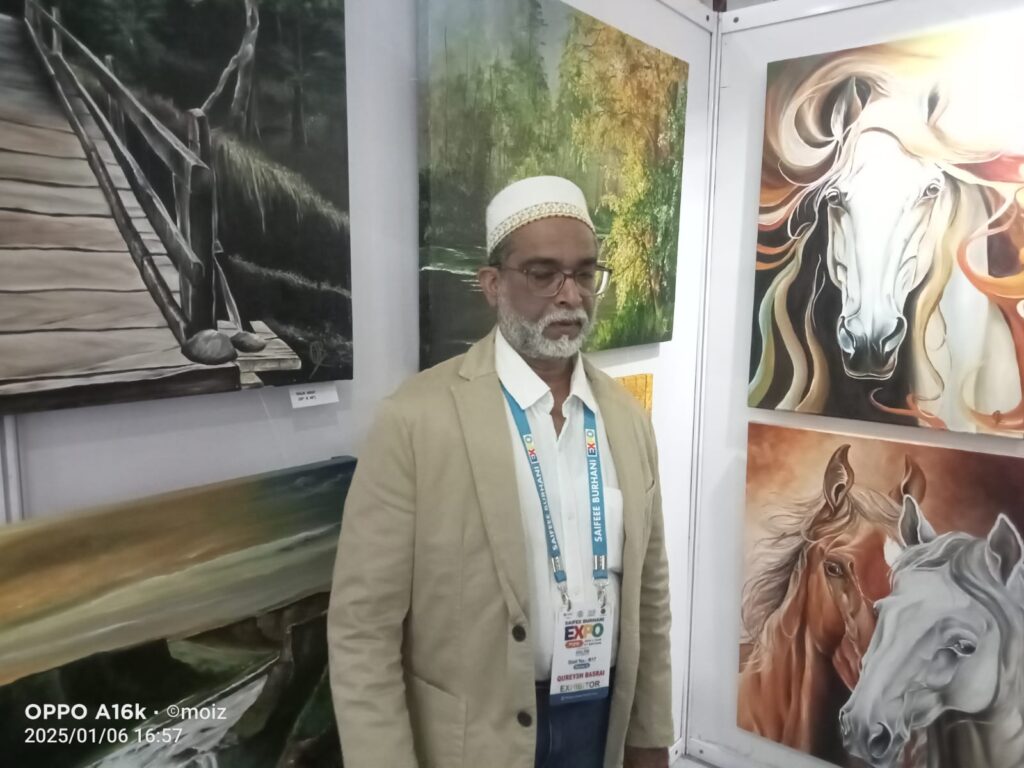
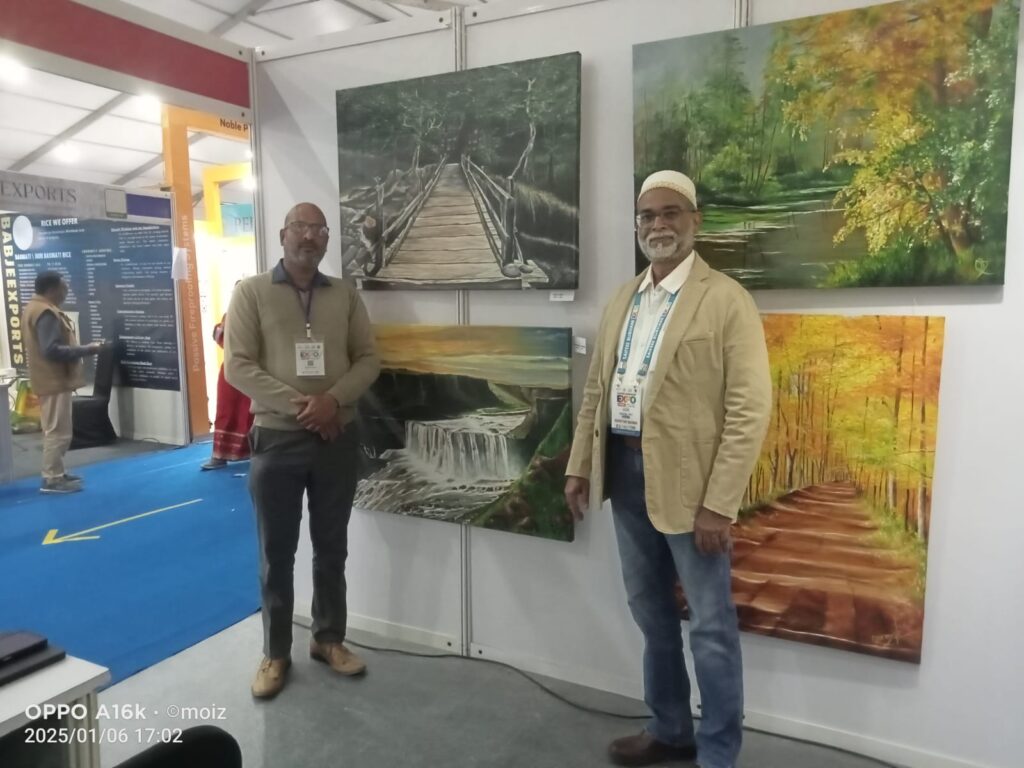
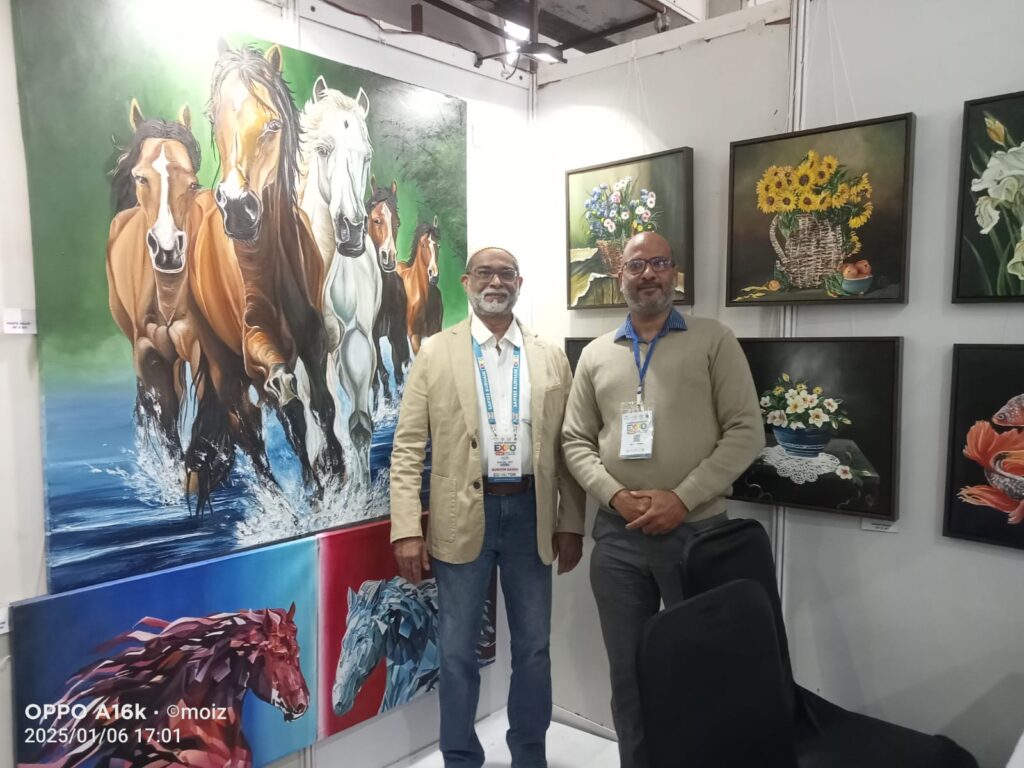
Quresh Basrai is an artist known for horses and landscapes; he has won more than 20 awards. Started when he was child a 4-year-old boy who was inspired by his mother. His mother used to make greeting cards and this made him have a creative interest in life and his career. Studied at Burhani College (Commerce), Christ Church School and later pursued his electrical engineering and studied interior design at College of Architecture in Mumbai.
He mentions that he had a long gap of 34 years of painting and during Covid he used the downtime to review his artists skills and made lots of paintings. He only does oil on canvas, and mentions that his works have been appreciated by many among prominent artists and celebrities.
He has held group and solo shows in Poona, Mumbai, Bengaluru, Delhi, Dubai and London. His artworks depict more of nature and landscape since he loves nature and horses since they are noble of all animals and considered of high value or to bring good fortune. He has also added flowers and fish in his display or exhibition and considers horses as sellable art. His logo also represents his mother and a horse.
Apart from art, there were many interesting stalls mention some Karcher machines for cleaning, Wifi electric switches by Kapa, Dubai properties by Damac, Danube and many others. Galvanizing by Hilite, Cattle feed Taheri Enterprises, Hatimi Hills, Hatimi Jewelers, Monginis, Amazon and also had a few lectures to boost your business identity, values, networking and business strategy.
One can find everything under the sun at this Expo and there will many more of such in different cities.
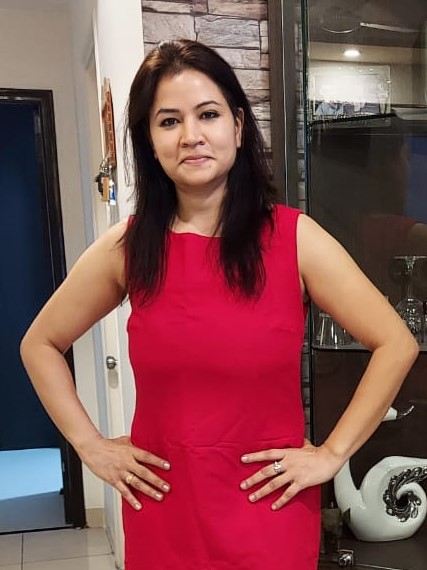
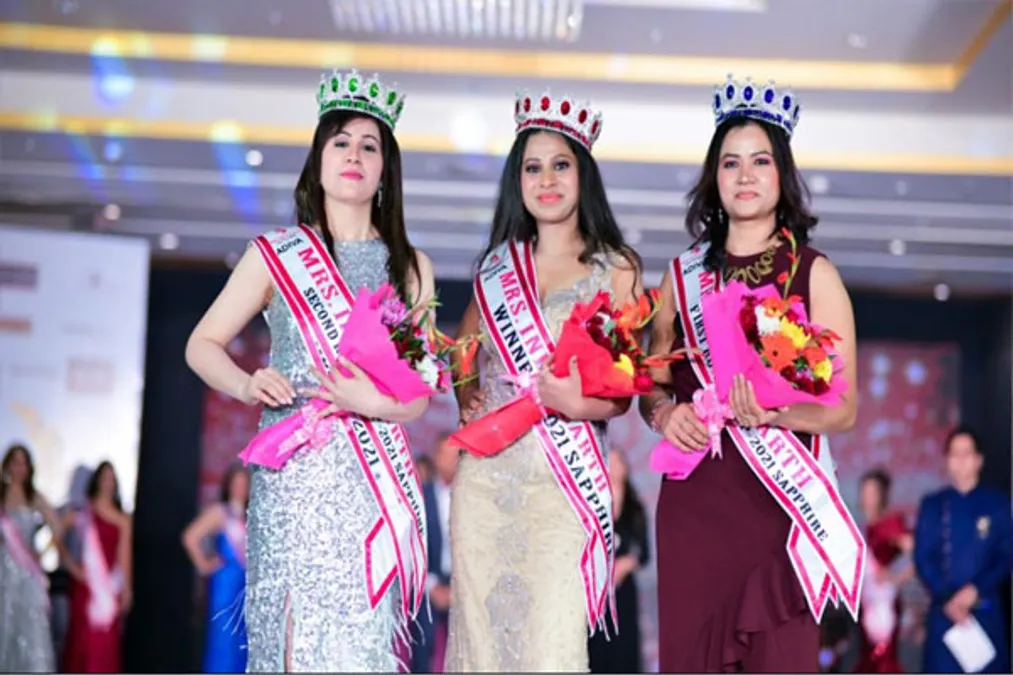
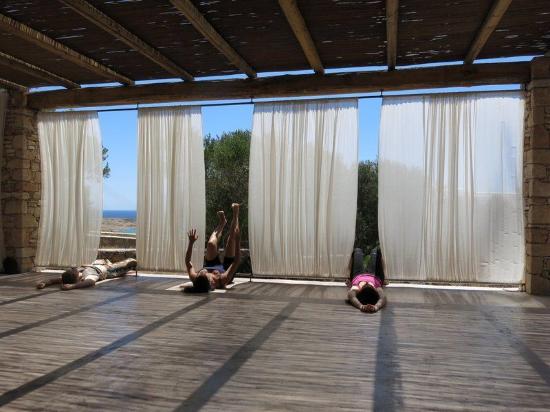
Rupali Shaw, a former Mrs. India, a Software Engineer worked in IT for 8 years before embracing motherhood, turned to a certified Health and Wellness Coach and a certified level 2 Yoga Instructor. I believe that by making lifestyle changes and inculcating Yoga into one’s life, lifestyle-related diseases such as Diabetes, thyroid, PCOD, Obesity etc. can be reversed.
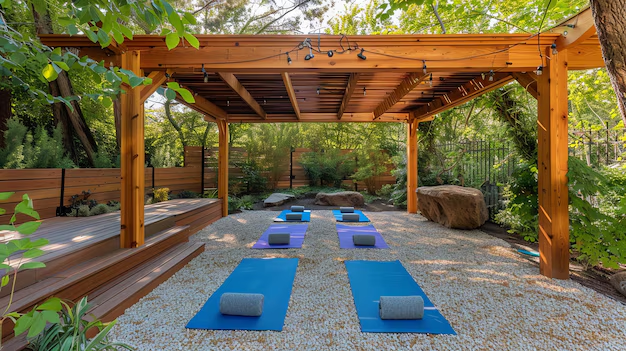
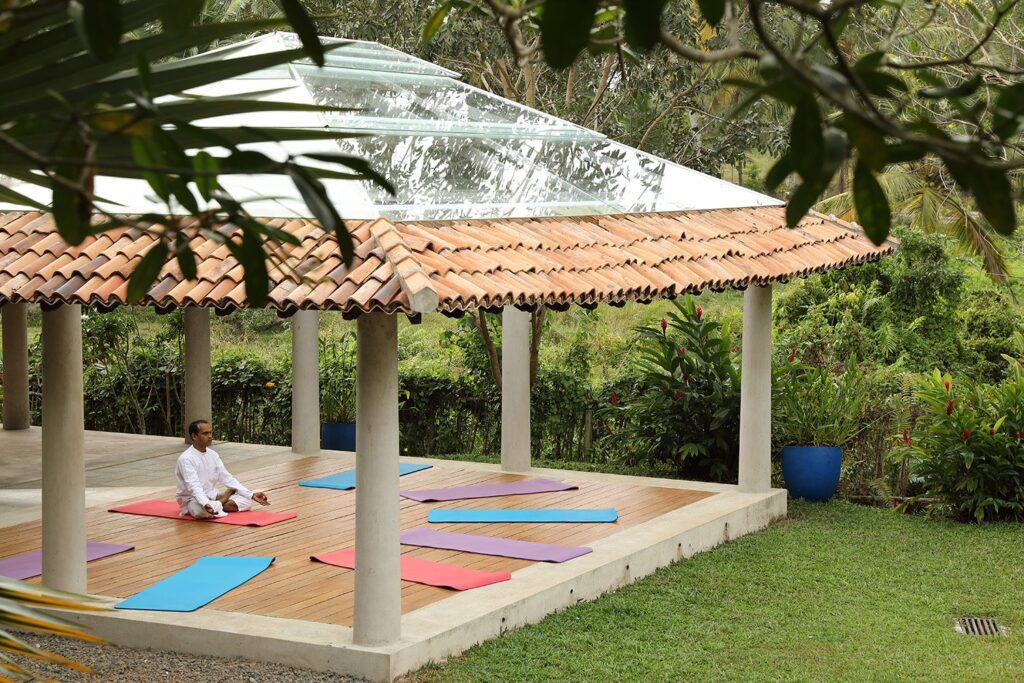
She gives a few to do while designing a Yoga Center or a Yoga space in your building, office or gym. She mentioned there should be Buddha paintings or statues for an oriental feel, soothing music mostly instrumental, wooden flooring and a few matts. She does not know about Shilpa Shetty’s yoga training CDs and mentions having only one coach for a good yoga practice and to attain a professional level of yoga. She also mentioned that diabetic diets and how yoga can shape one’s career and life.
In most yoga centres one can see pergolas as a sacred place to practice. Pergolas are now available in all shapes and sizes and can be placed at any location namely, terraces, gardens, hostels, colleges, office compounds or even malls.
These pergolas can be customized as per the design needed or the dimensions specified. They can be closed with windows or with bamboo blinds to protect against sunshine or rain. These pergolas can now be designed in a modular format to make things better.
Written courtesy – Sharvaree Katdare and Moiz Mamoowala
Q1- Can you tell us a bit about your background and how you got started in both painting and textile art?
A1- I am a textile designer, painter and a qualified interior designer which adds value to my art on fabrics. My journey in painting and textile art began with a bold fusion of these materials and a desire to blend them with vogue.
Q2- What materials and techniques do you prefer to use in your textile art compared to your painting?
A2-I use a variety of mediums like oils and acrylics when I paint. For textiles, I prefer natural fabrics and conventional printing techniques, often bestowed with hand-painted elements.
Q3- How do you plan to connect your paintings with the world of fashion?
A3- I aim to twirl my paintings into textile designs, inventing rare prints for fashion. By mingling my imaginative vision with fabric design, I want to concoct couture that bouts my art and begets palpitations in fashion.
Boski exhibition at Jehangir Art Gallery.
Q4- How did you balance family responsibilities with pursuing your art?
A4- After marrying, I undertook my onuses and upthrust two children while working on my art at night. Despite challenges, I secured admission to a prestigious college like Sir J. J. School of Art. I completed my B.F.A textile balancing my responsibilities diligently. In my journey, there were times when I ambled solo, at phases I found my husband by my side, walking hand in hand, offering his support.
Q5- How did selling your first painting impact you?
A5- My first painting was sold for Rs. 45,000 in 2012 was significant to boost my confidence, validate my efforts and motivate me to continue.
Q6- How do you see yourself as a global painter?
A6- I see myself as a global painter by blends diverse artistic influences while incorporating conspicuous Indian flavours into my work. This permutation acknowledges me to cartel with a wide scion and patron idiosyncratically to the unanimous art fraternity. Given an opportunity, I would like to cavalcade my art in numerous other countries.
Q7- How has studying Jainism affected your art?
A7- Jainism has deeply influenced my art by introducing me to its simplicity, non-violence, and intricate symbolism principles. These constituents have stimulated me to embrace leitmotifs of coherence and scrupulous tessellations into my oeuvre, elevating my artistic mien, cultural accretion and philosophical gravity. I have also drudged on other foci in the past like Swara, Kamasutra, Motherhood, Womanhood, and Navrasa apart from Jainism and will endure the work in my imminent new ideas.
Q8) As a painter what is your best genre for painting?
A8- I began reading and accepting the diverse styles of many painters, among the Indian painters, the paintings of Shri Raja Ravi Verma, K. K. Hebbar, A. A. Almelkar, charmed me a lot and painters outside India, like Van Goh, Monet & Picasso etc. When I understood the folk art of India, I found myself in it. In my paintings, one can notice a new style I have originated with a foretaste of the myriad folk art of India.
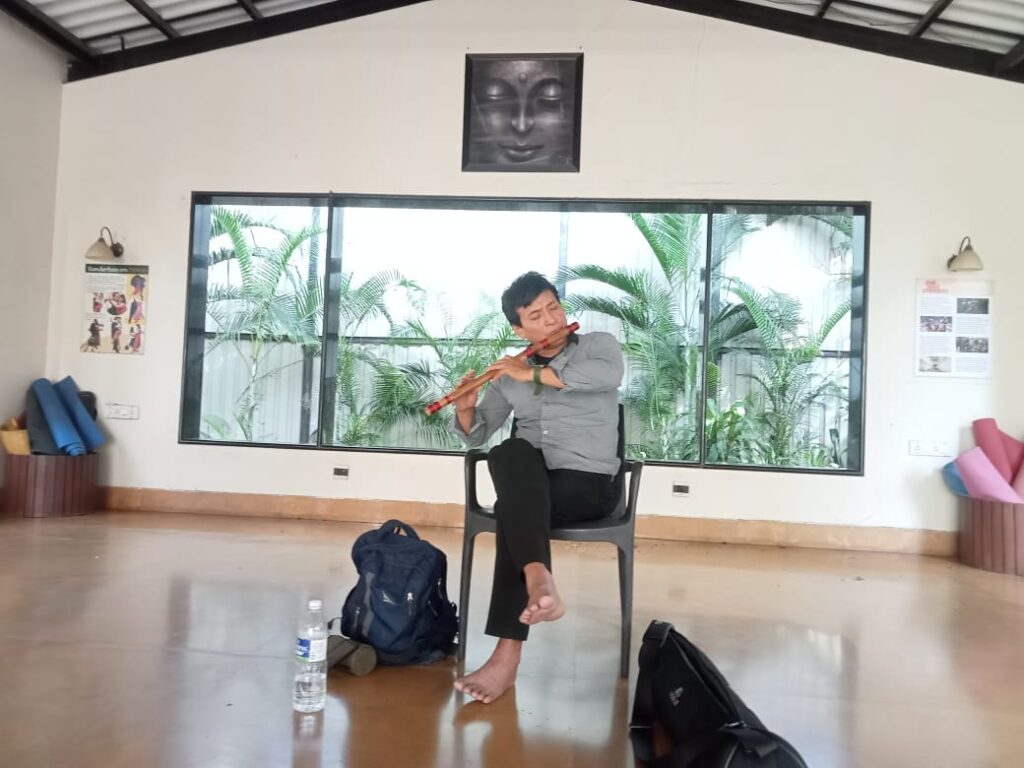
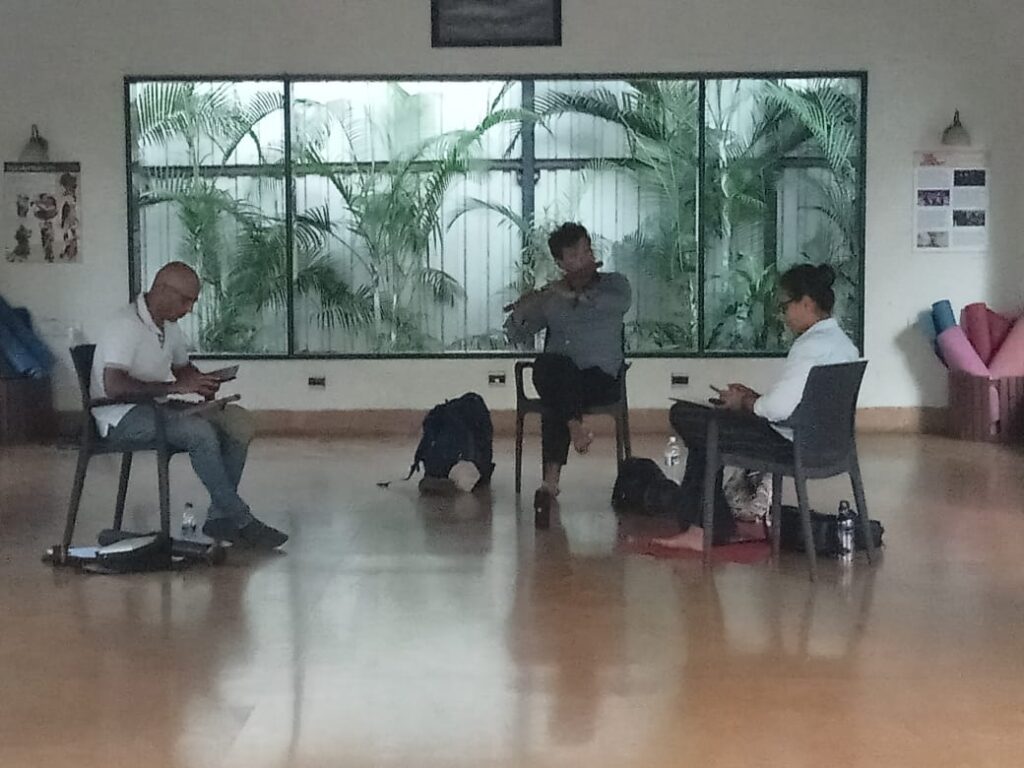
Meeting Mr. Dilip Goradia, a music enthusiasts at Koregaon Park. He is a kind person who has led to his circle of musicians at the Flute Meditation at the Koregaon Park. It is on every Wednesday and Saturday, RK Bikramjit Singh flute master trains and practices with Mr. Dilip Goradia and Arunima.
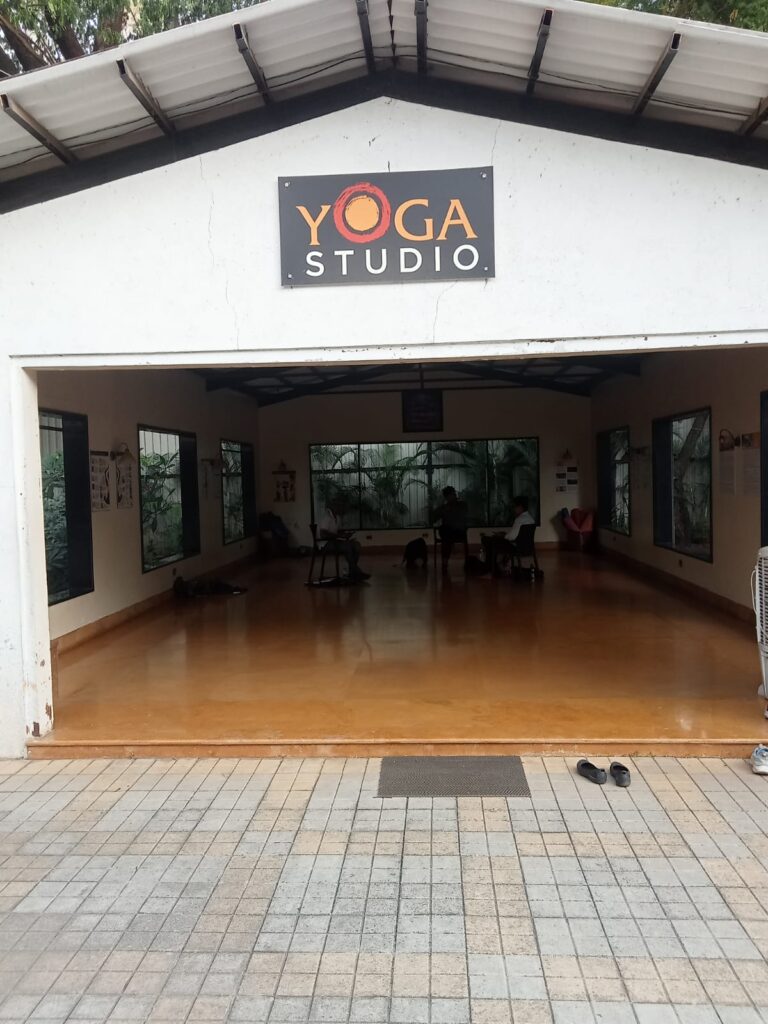
A long story now unfolds of the star musician RK Bikramjit Singh, he hails for Manipur a land of sports. He was fond of football and played for several years, unfortunately having an injury in this leg which led how to learn music. He was always fond of tabla and drums but destiny bought him to play the flute. His fame has reached to many of the theatre and film producers. Bikramjit explains how he had a stardom of 15 years and now he is at the yoga studio and has started the flute meditation which helps learn flute.
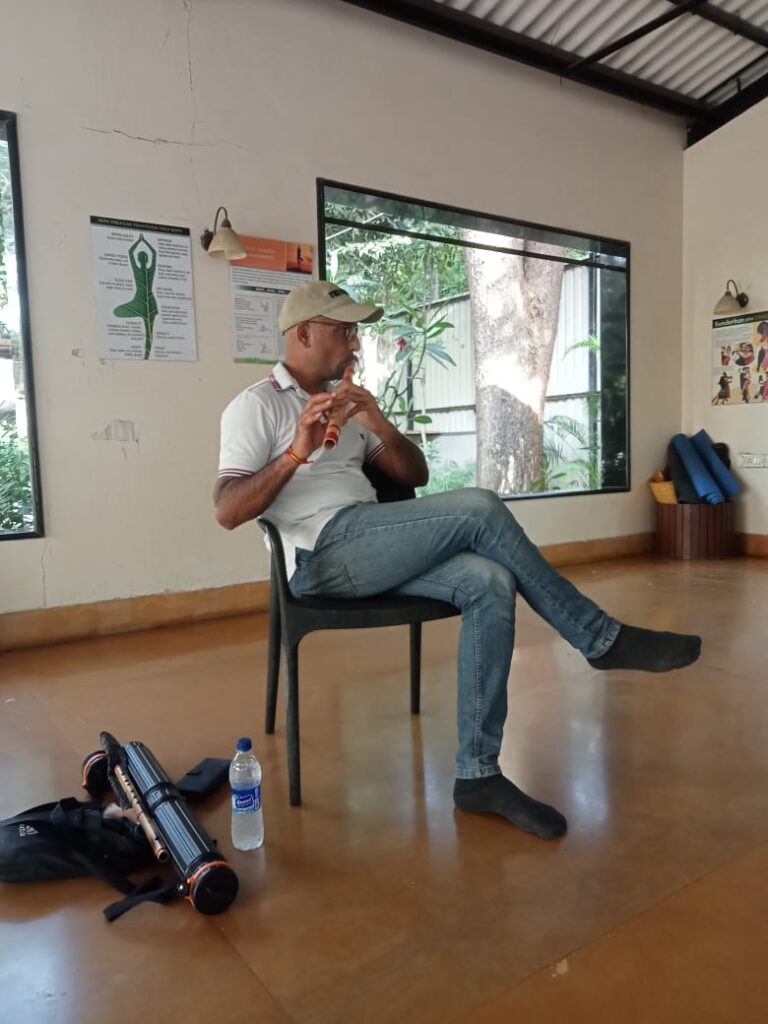
Mr. Dilip Goradia, a true fan and a pure disciple of Bikramjit, he met him in 2009 at a music concert and all the guests were given a CD and a wooden flute. He listened to those CD’s for many years until he finally met Bikramjit again and started to learn the flute. He has now joined the flute meditation and is also playing the flute along Bikramjit. This is a miracle and makes us believe in our goals.
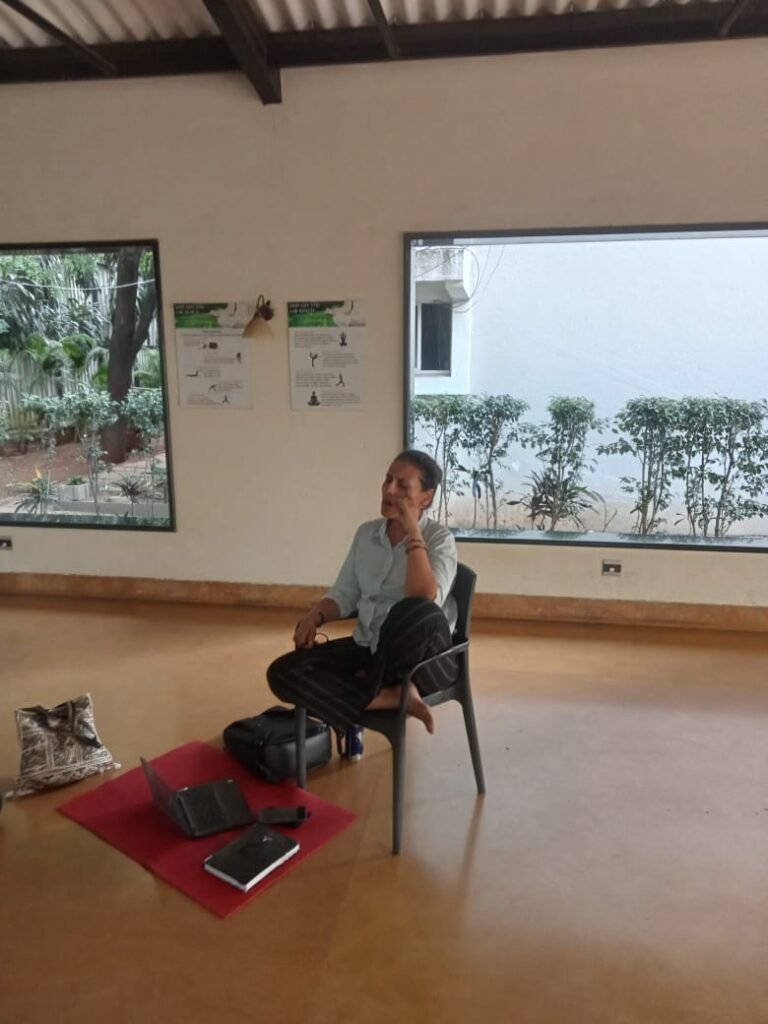
Arunima is a vocalist from west Bengal, she has a great voice and is living the dream of being a musician at the flute meditations. Bikramjit also has a degree in environment research and studies from Savitri Bai Phule University.