Archives 2024

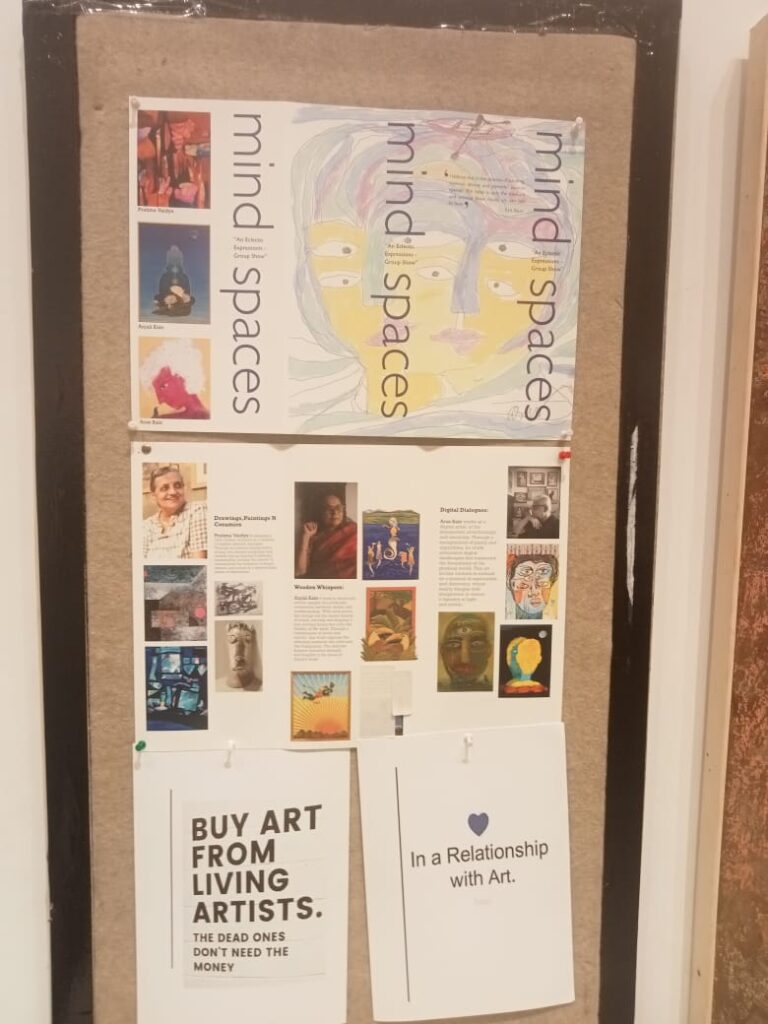
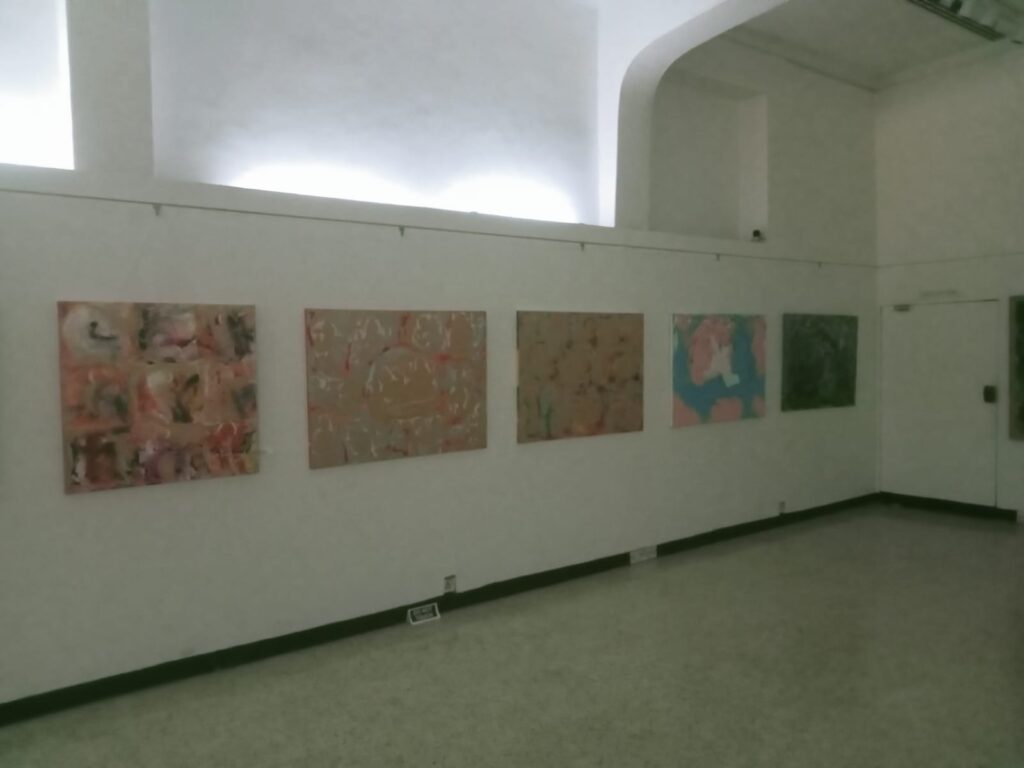
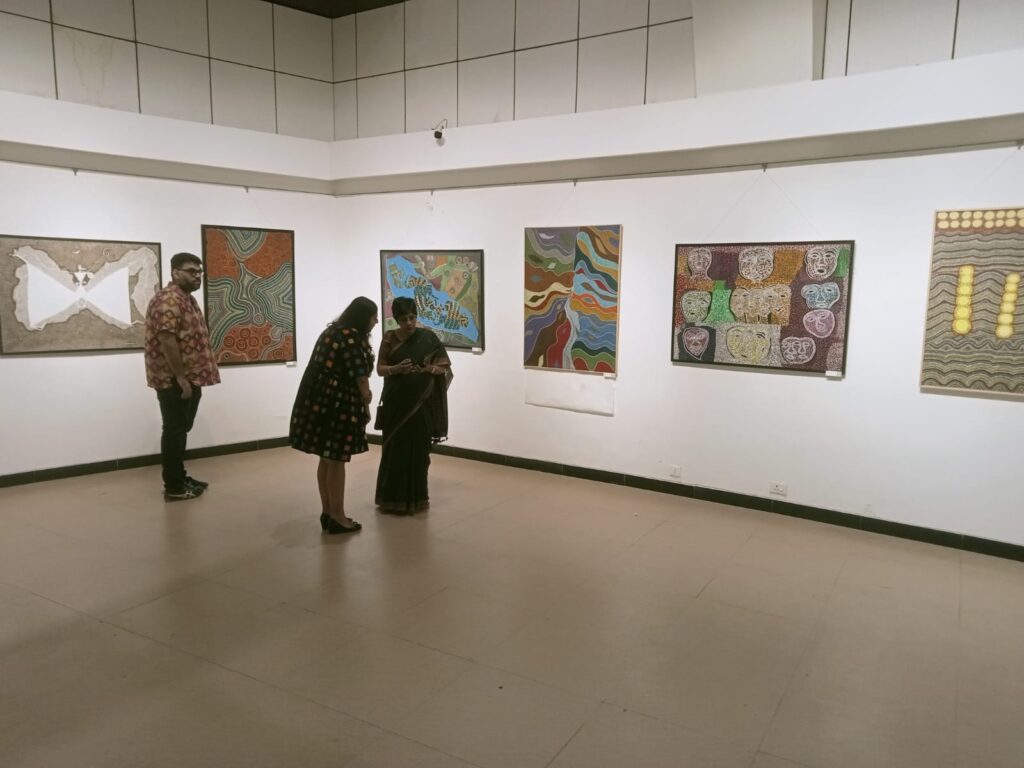
Jehangir Art Gallery shows another day of brilliance and extravagance, from mythology to abstract it is all in here.

The exhibition at Jehangir Art Gallery has display many artists this week and mostly you could find something new every time you visit. This time its nearing children’s day but there is no chacha Nehru Painting.  
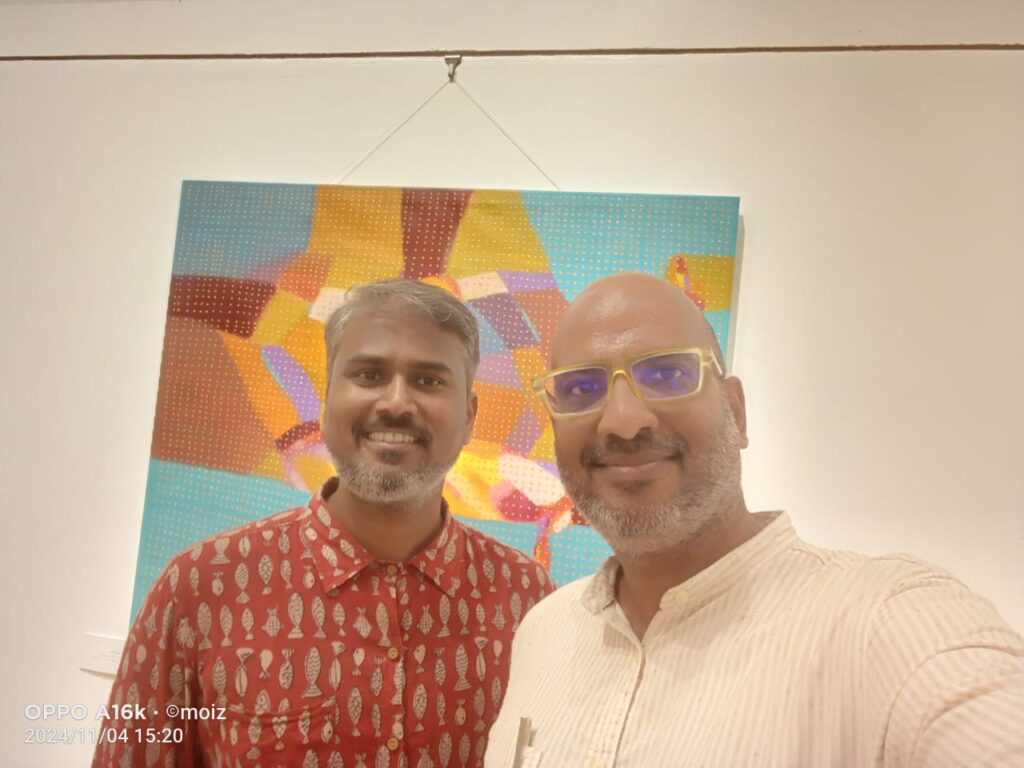
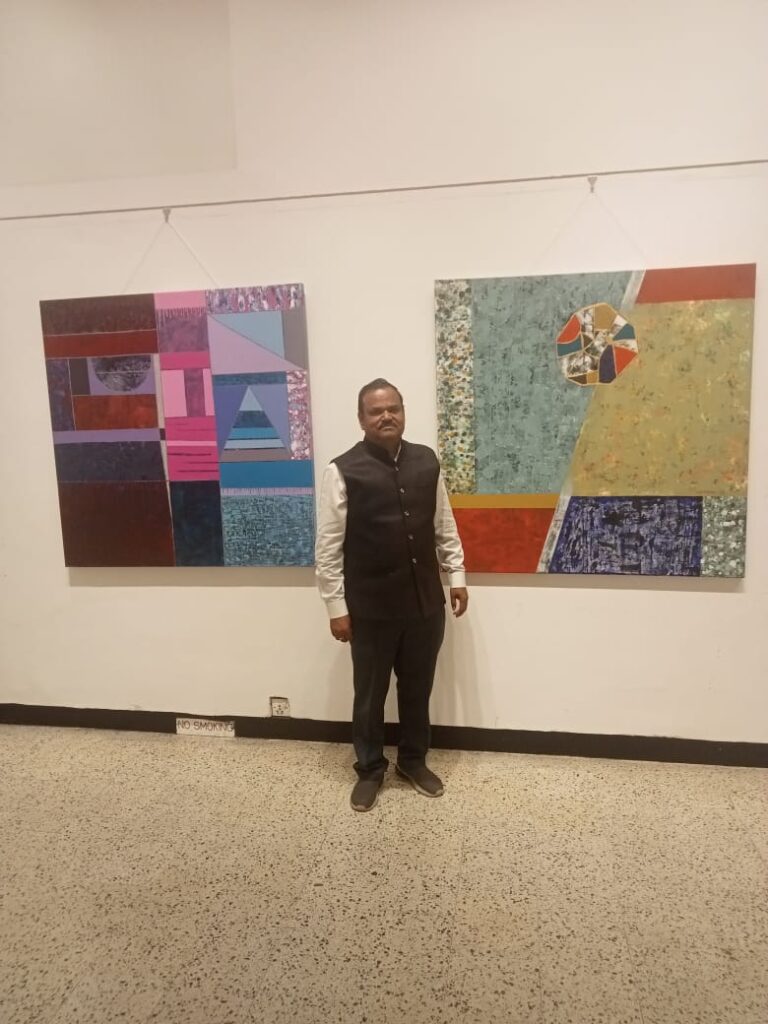
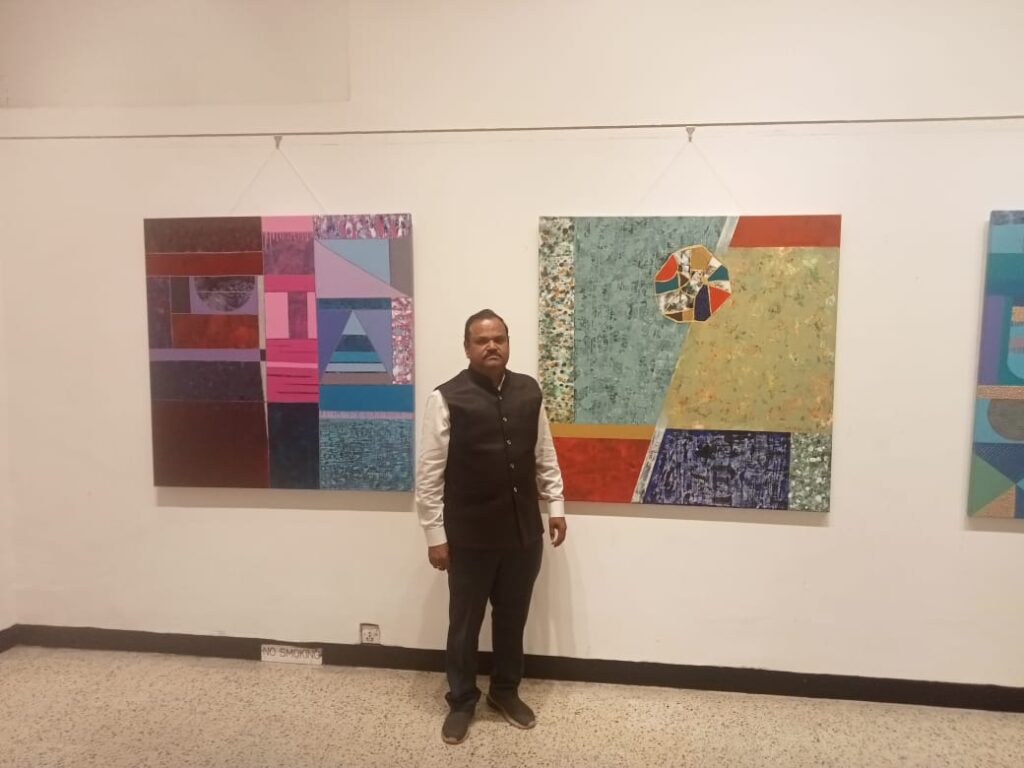
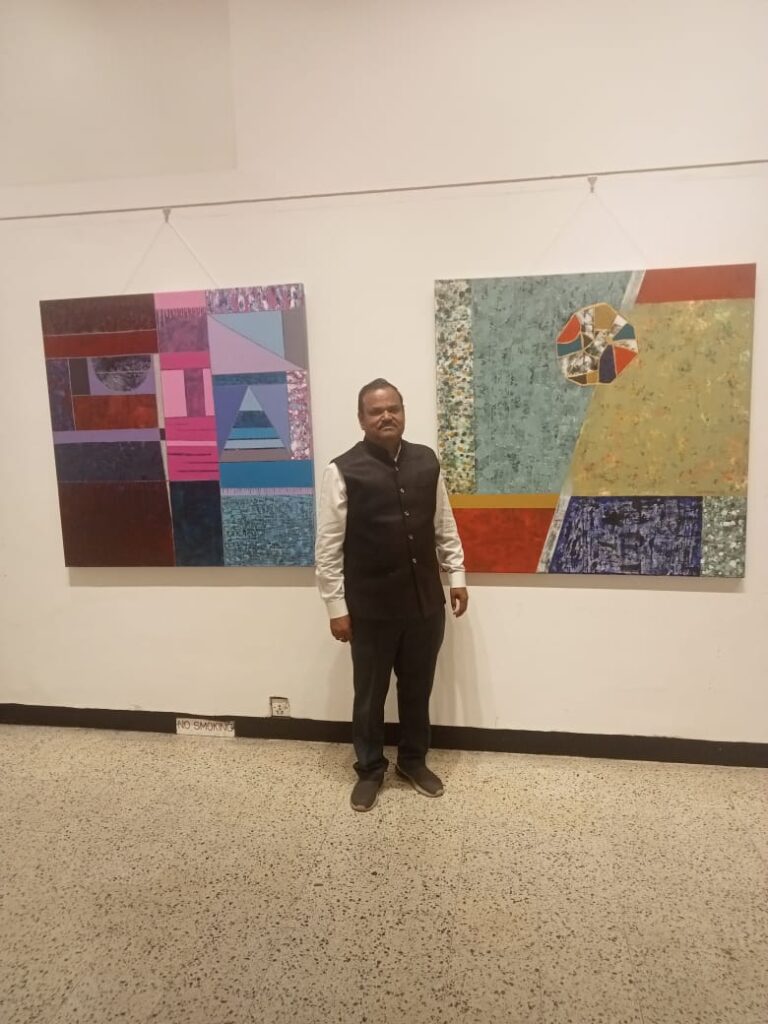
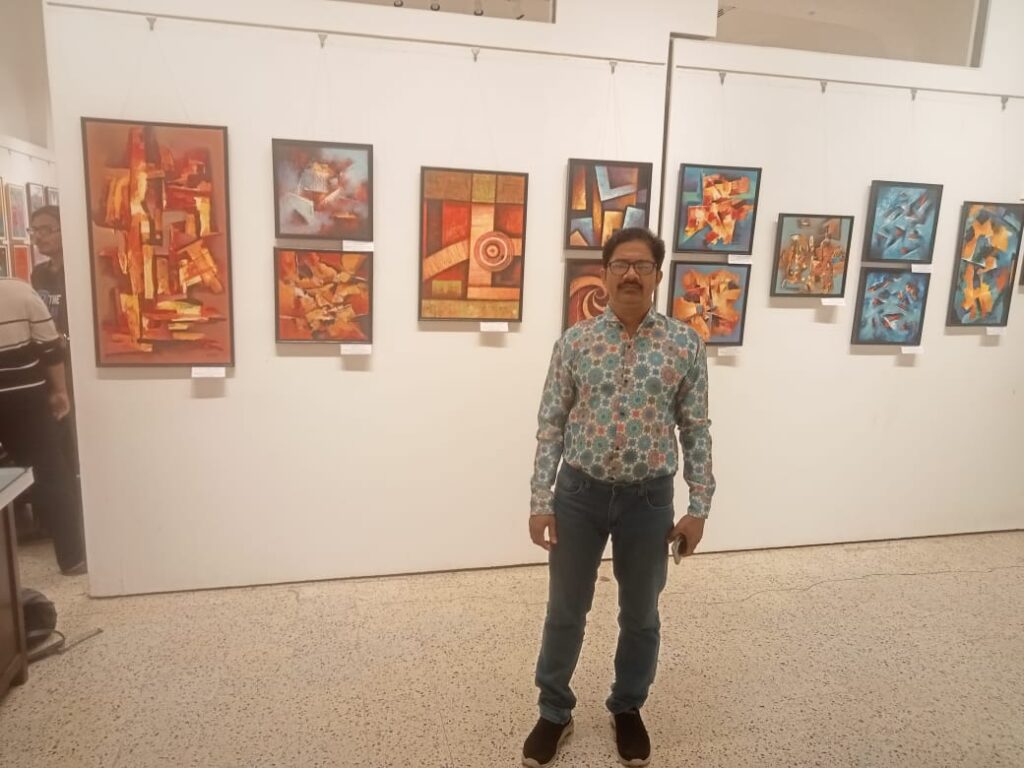
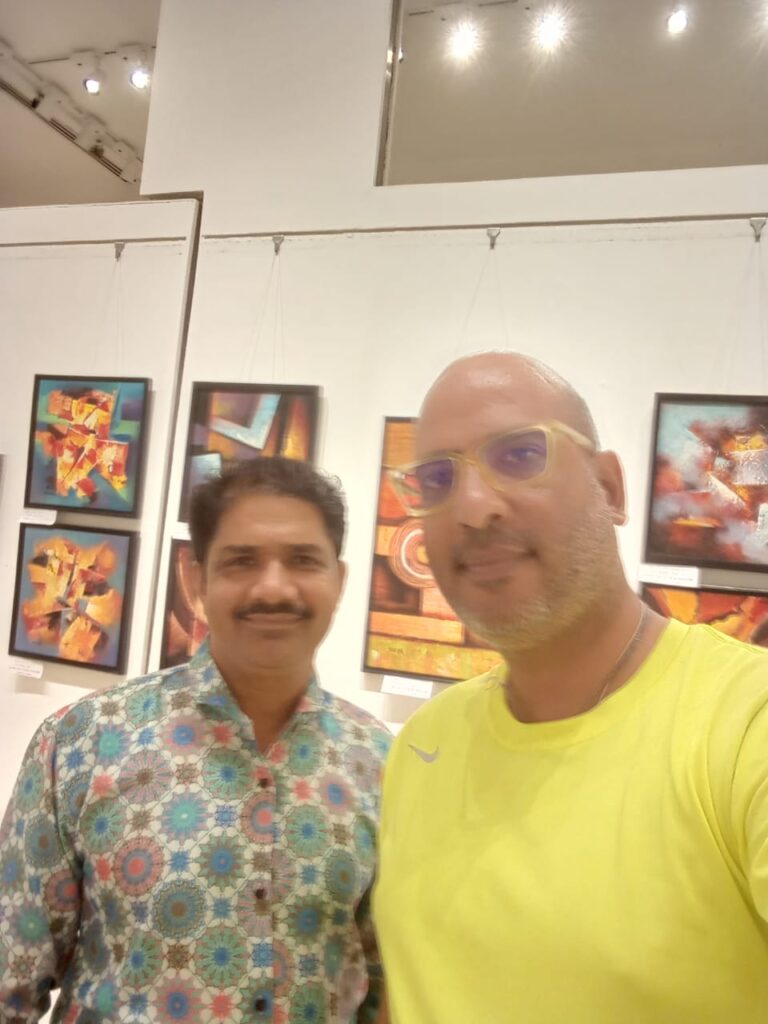
Dinesh Nivalkar, exhibits his contemporary art with a fresh canvas of abstract art with a dotted Madhubani like paintings which sooth your eyes. The sthula sukshma presence of Sukshma is felt, but not seen, Sthula means something that is physically tangible. From the famous Tare Zameen Pe answer jo dikhta hain wo hota nahi hain aur jo hota hain who dikhta nahi hain. Is how we can feel something but can’t see it intangible and at the same time tangible.

He also explores recycling his art through plates and bowls they look very similar to an oriental ceramic art. He started his journey from a small college and to continue his study at J J School of Arts. He also added that his father was a trainer to police and army about armaments and use to draw guns. This added to knowing that these look like a target dot to be seen from far and how to hit the bullseye. Hence, he wants to express the freedom of thought and to express, similarity between material and soul world his work is priced from 50 k to 3 lakhs.
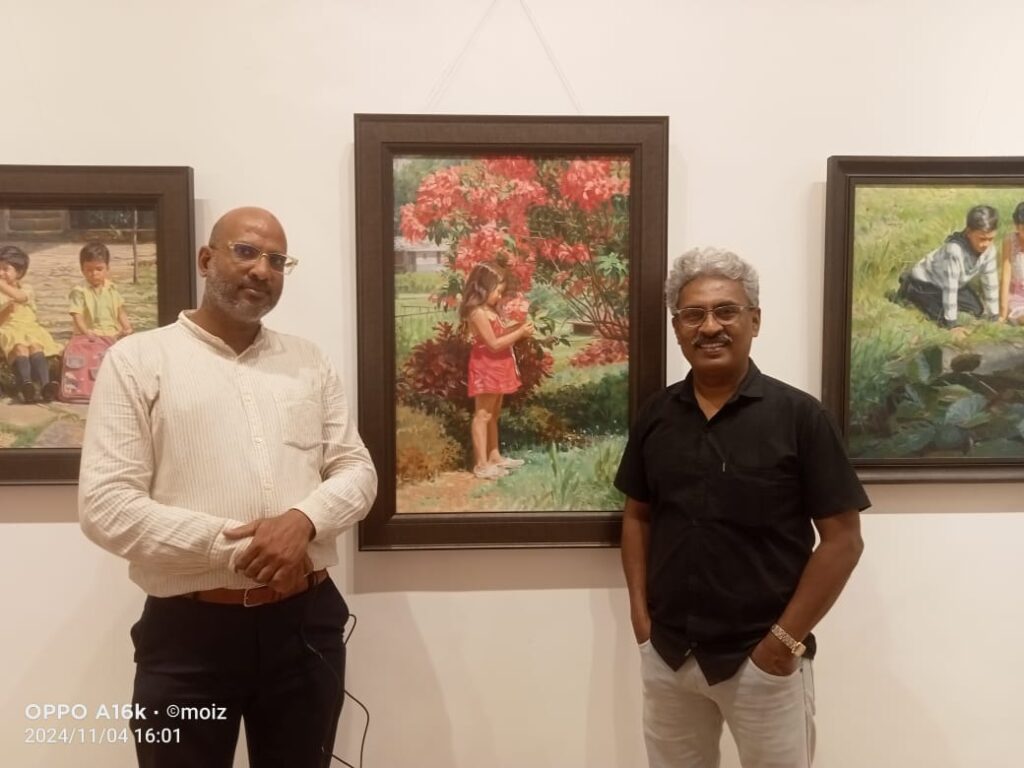
Sanjay Shelar exhibits a role of women in mythology Chitramala he has fine paintings of all goddesses on oil on canvas. Suggesting him to make a women revolution and also be a part of the Naari Sakhti Award given by the President of India. Many women organizations fail to communicate role of women in business, society or any walk of life. These paintings can depict all such communications as devotional or even as a woman of substance.

He also exhibits travel dairies, canon ball tree, childhood experiences, joy of playing with horse as toy and real. His work is on oil and canvas with bold brush strokes.
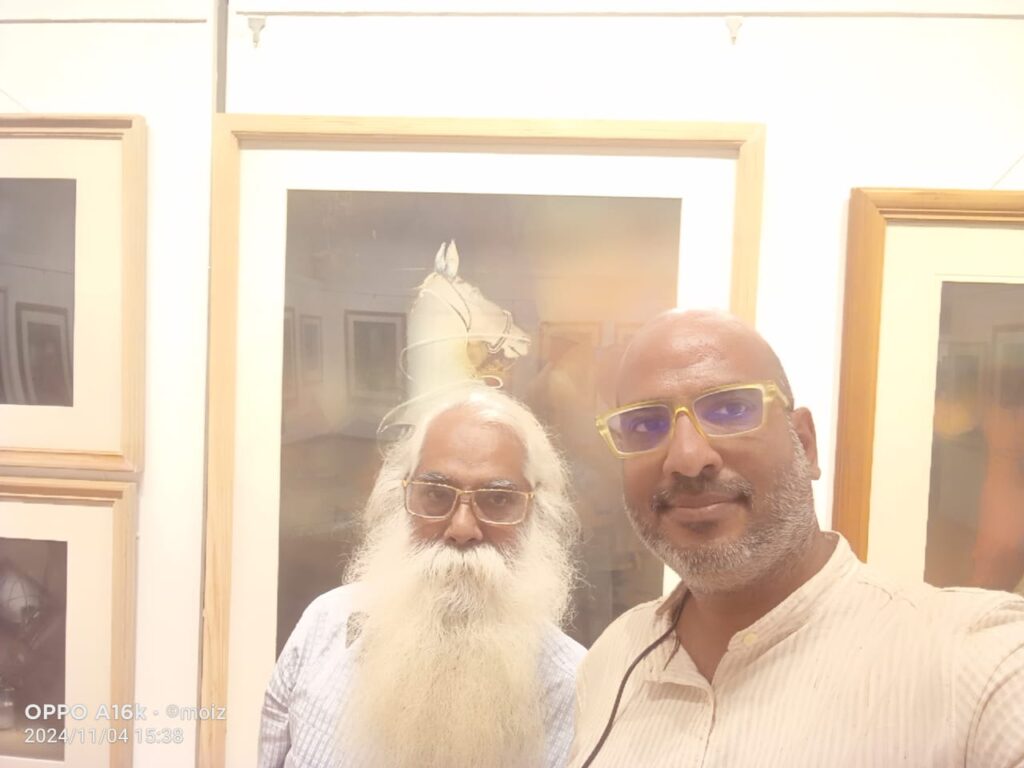
Artist Pradip Maitra explains his art of water color, moment captured during covid filing our loneliness with the surrounding objects or materialistic possessions seem irrelevant at the time. Many have regarded his work in medium and technical handling of the brush and paint, during the lockdown we all suffered and mainly the education system. The education system was adapted to an online process which made it difficult for juniors to conceive concepts and learning or experience the teaching method of a classroom.

During this time, we all were doing nothing and this feel the heart, the book in the library came out and I started reading books which were kept inside for years. All the precious possession and valuables seemed have turned irrelevant and the digital systems have killed one’s legacy of education system. His paintings showcase precious possessions like books, musical instruments etc.
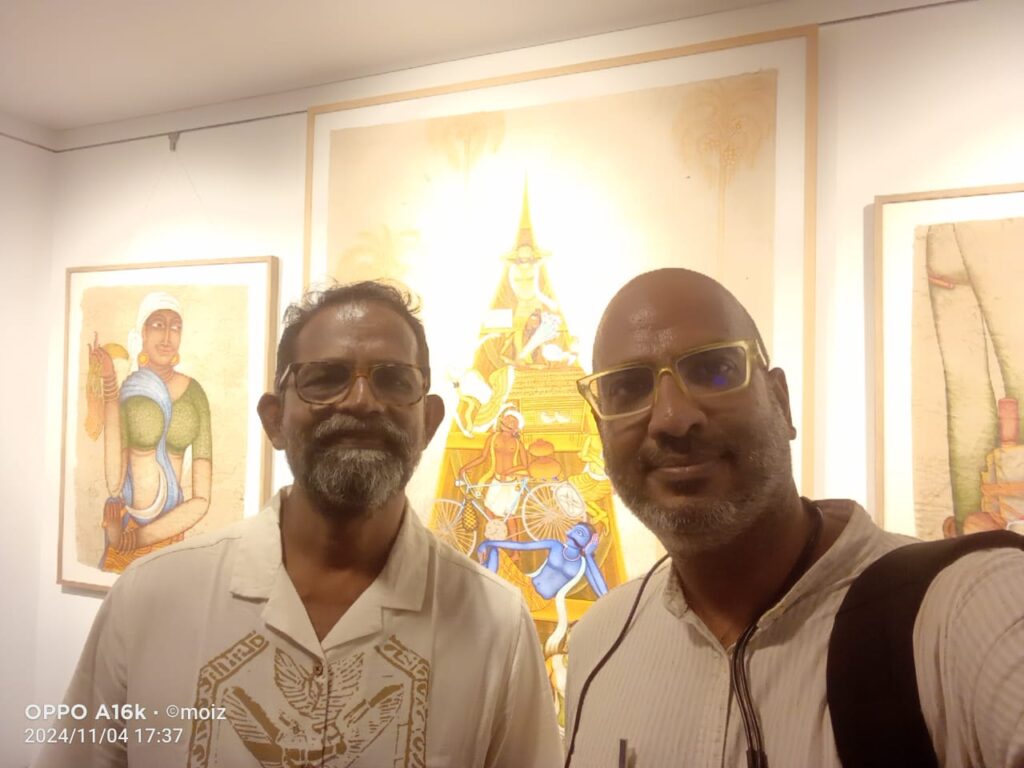
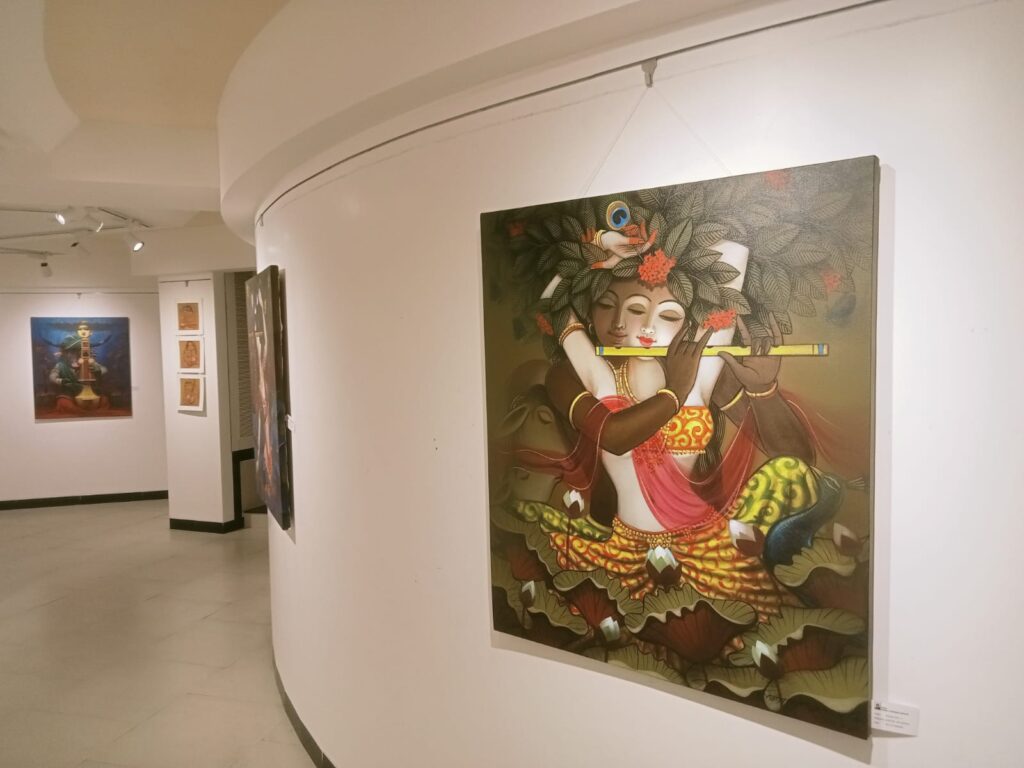
Artist Suresh Muthukulam, from Kerala has display his art depicting village life along with Lord Krishna as the center. These are unique Murals of Oil on canvas and one on Paper. The paintings bright and have been meticulously detailed with lotus and Krishna. He adds that the painting are a series of Krishna in various roles and Murals of village lady of Kerala.  

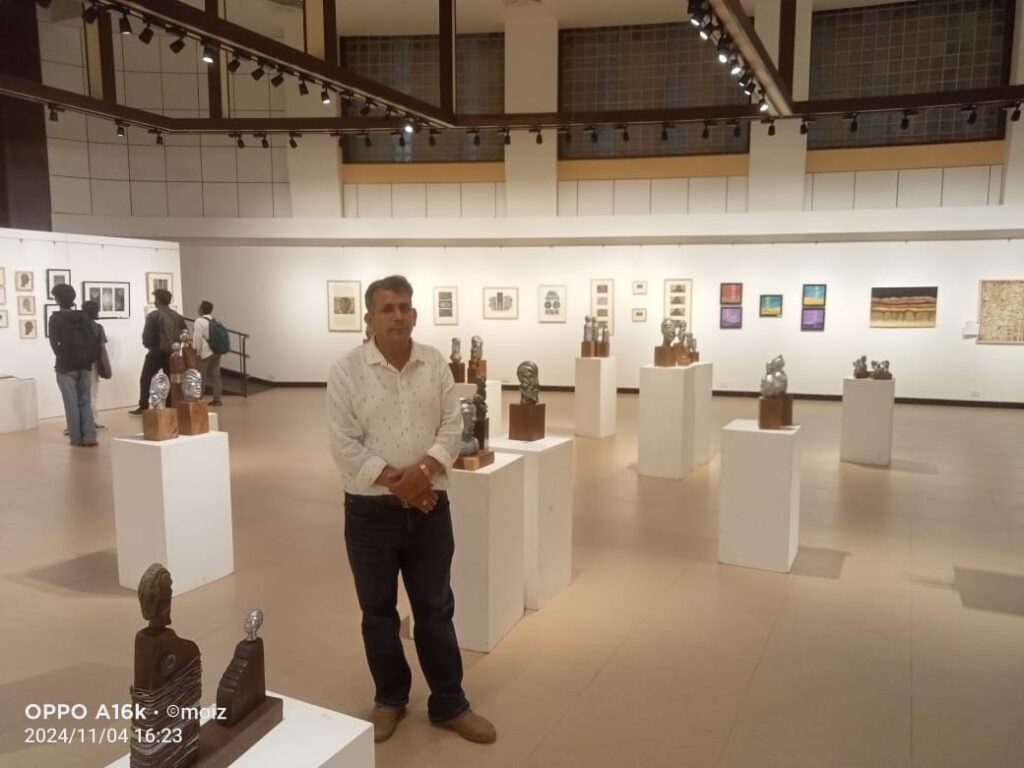
A group of artists exhibited their diverse works uniquely lithographs and etching works. Abstract of windows and doors, nature paintings, metal sculptures and murals.

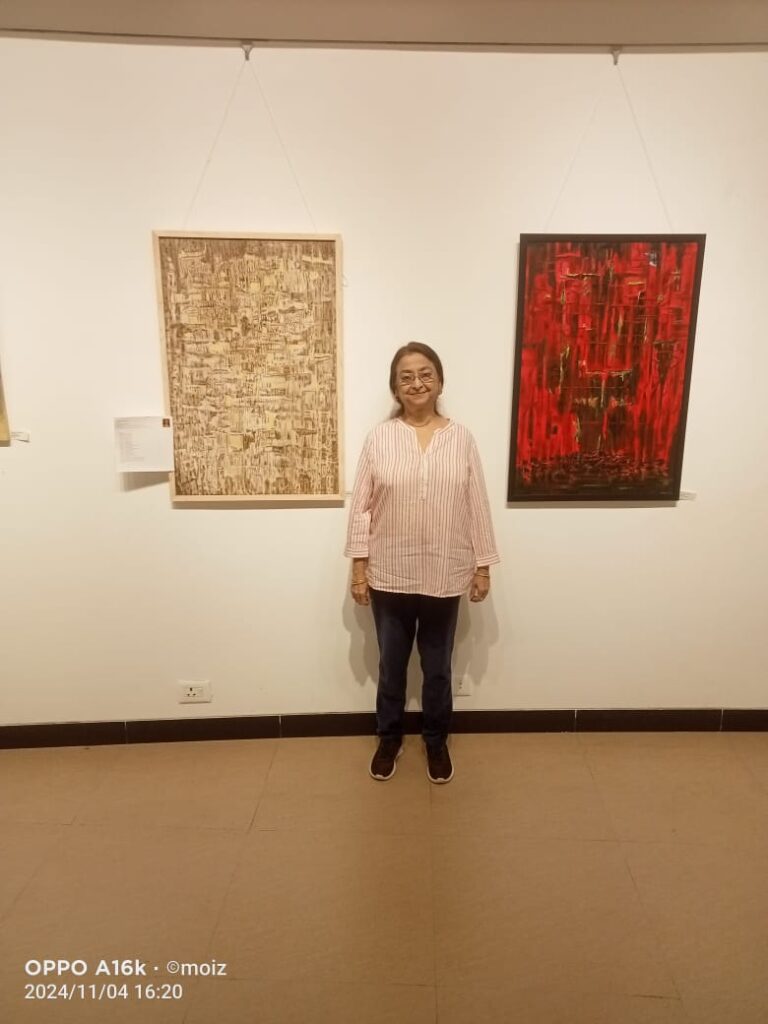
Artist Debamitra Chakraborty, finds her solace in the abstract of widows, doors, a durga or kali mata mandir with sindoor and old mansion wall cracks. She also mentions making abstract for different shows.
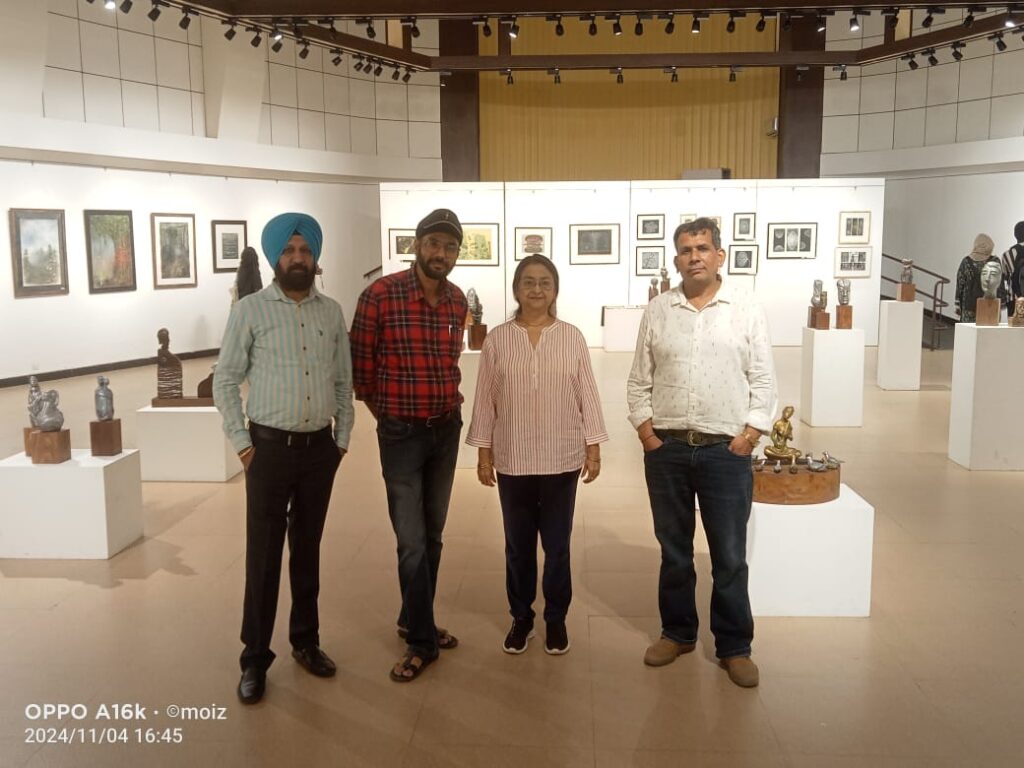
Artist Mohindar Kumar Mastana, has used bronze, brass, copper, aluminium, tin, wood to make these sculptures which are very like a chess piece some of them are take form a bottle shape and a few are made like a mesopotamian era copper sculptures. Few birds and a bird man or a feeder.
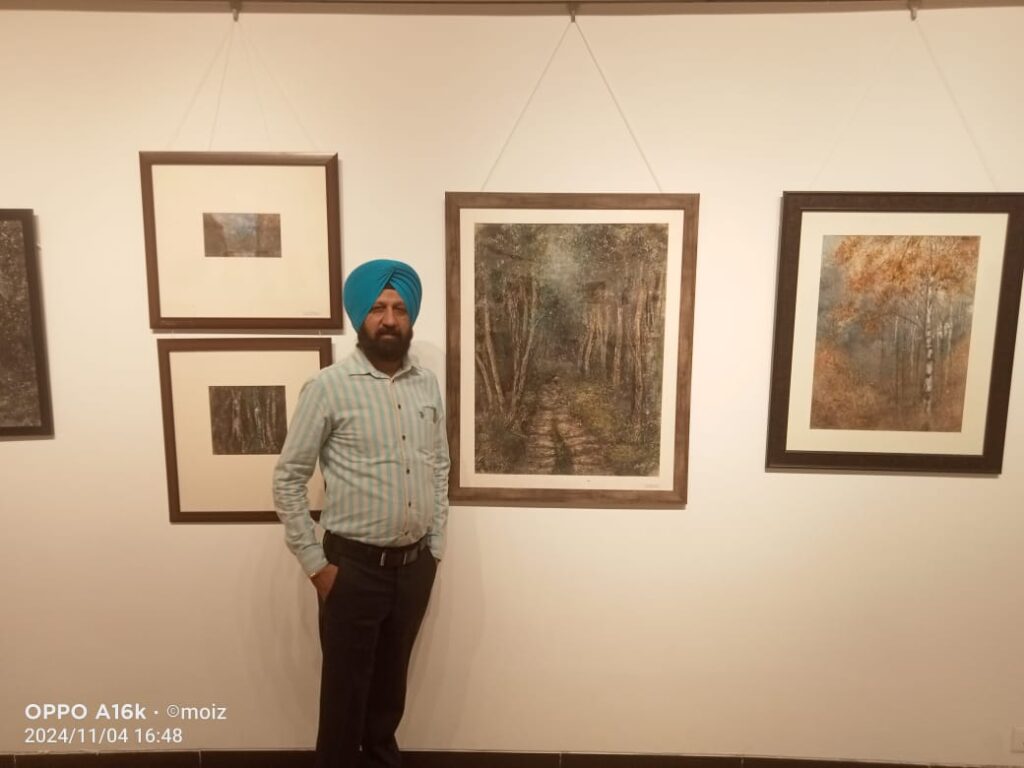
Artist Sukhwinder Singh, has won more than 20 awards for this painting as is a uniquely painted on a hand made paper. He has similarly painted nature at its best. He likes to express nature in its original form and prefers to use Hand Made paper for its texture and it can be scrubbed to form a layer of paper and paint which give a effect.
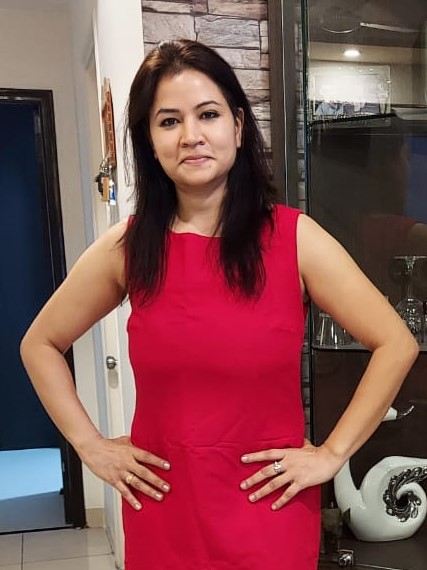

Former Mrs. India Earth Rupali Shaw turned Health and Wellness coach unfolds her journey and how to set an ambience for a wellness center.

Rupali Shaw, a former Mrs. India, a Software Engineer worked in IT for 8 years before embracing motherhood, turned to a certified Health and Wellness Coach and a certified level 2 Yoga Instructor. I believe that by making lifestyle changes and inculcating Yoga into one’s life, lifestyle-related diseases such as Diabetes, thyroid, PCOD, Obesity etc. can be reversed.

She gives a few to do while designing a Yoga Center or a Yoga space in your building, office or gym. She mentioned there should be Buddha paintings or statues for an oriental feel, soothing music mostly instrumental, wooden flooring and a few matts. She does not know about Shilpa Shetty’s yoga training CDs and mentions having only one coach for a good yoga practice and to attain a professional level of yoga. She also mentioned that diabetic diets and how yoga can shape one’s career and life.

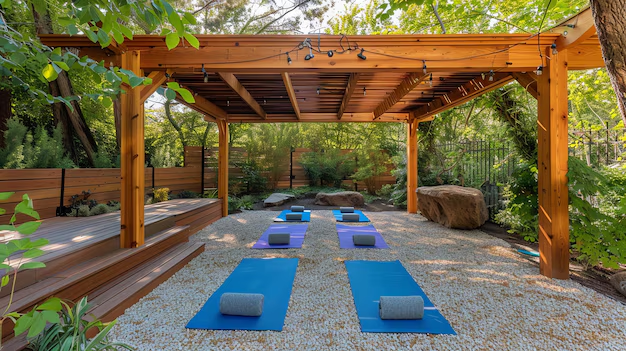
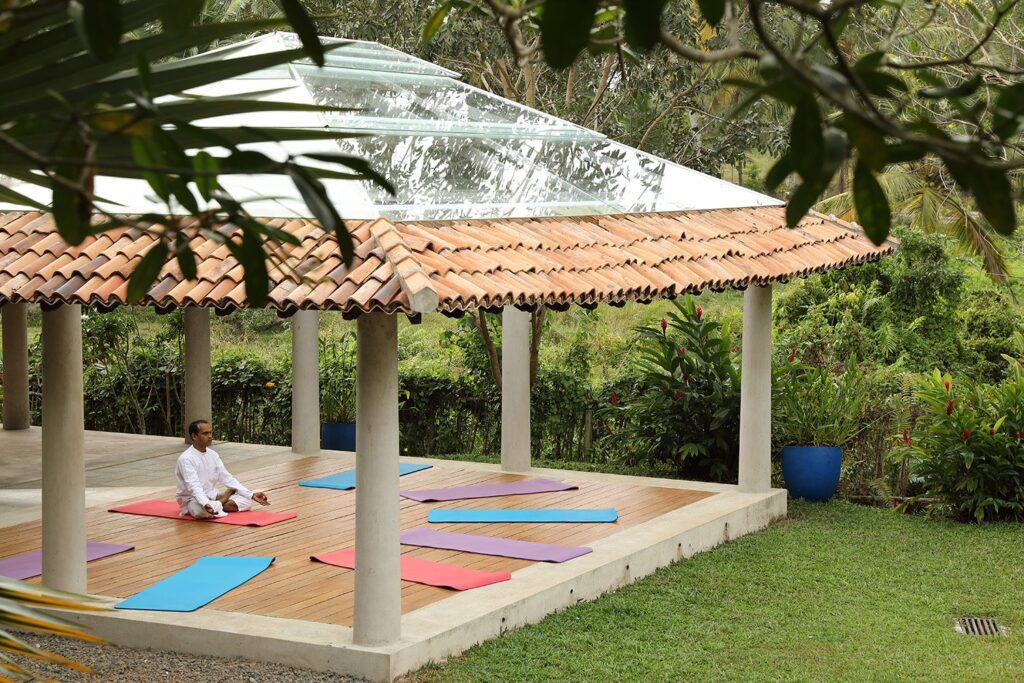
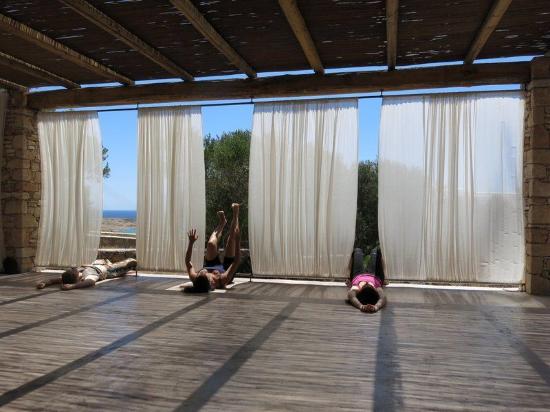
In most yoga centres one can see pergolas as a sacred place to practice. Pergolas are now available in all shapes and sizes and can be placed at any location namely, terraces, gardens, hostels, colleges, office compounds or even malls.

These pergolas can be customized as per the design needed or the dimensions specified. They can be closed with windows or with bamboo blinds to protect against sunshine or rain. These pergolas can now be designed in a modular format to make things better.

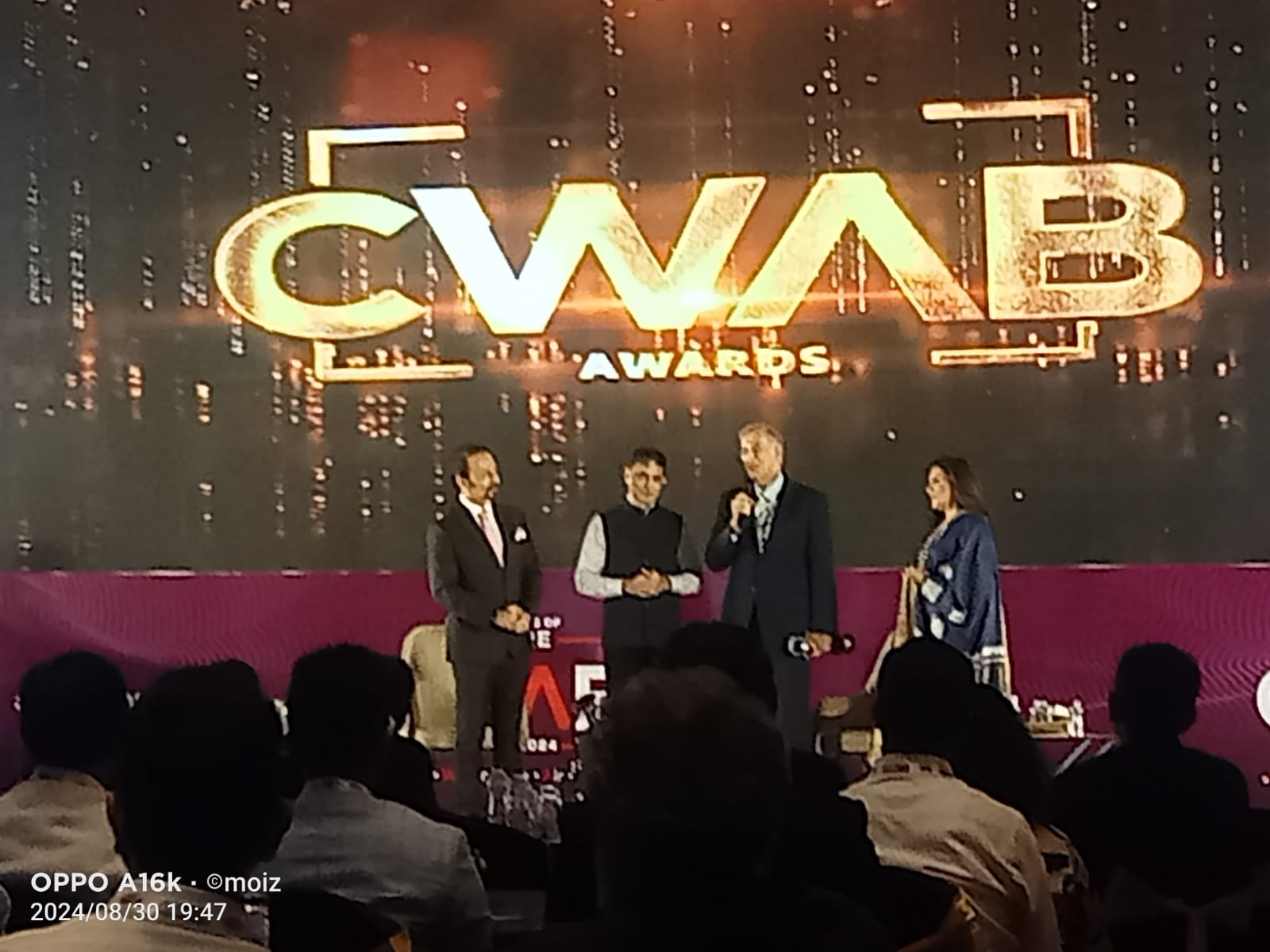
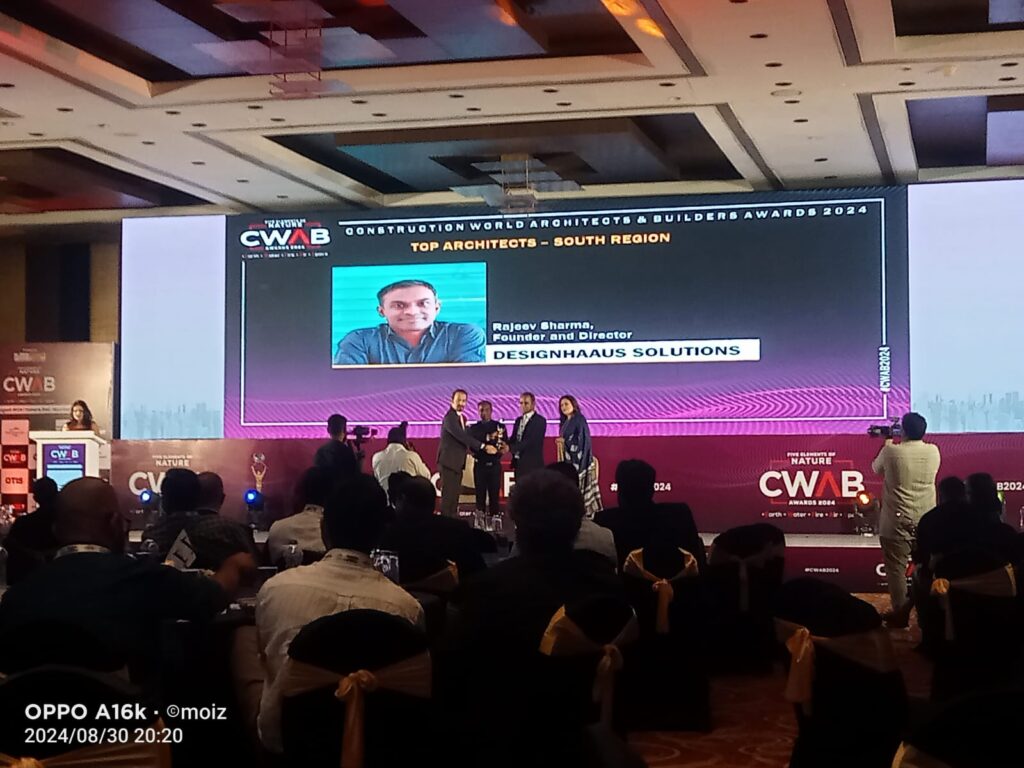
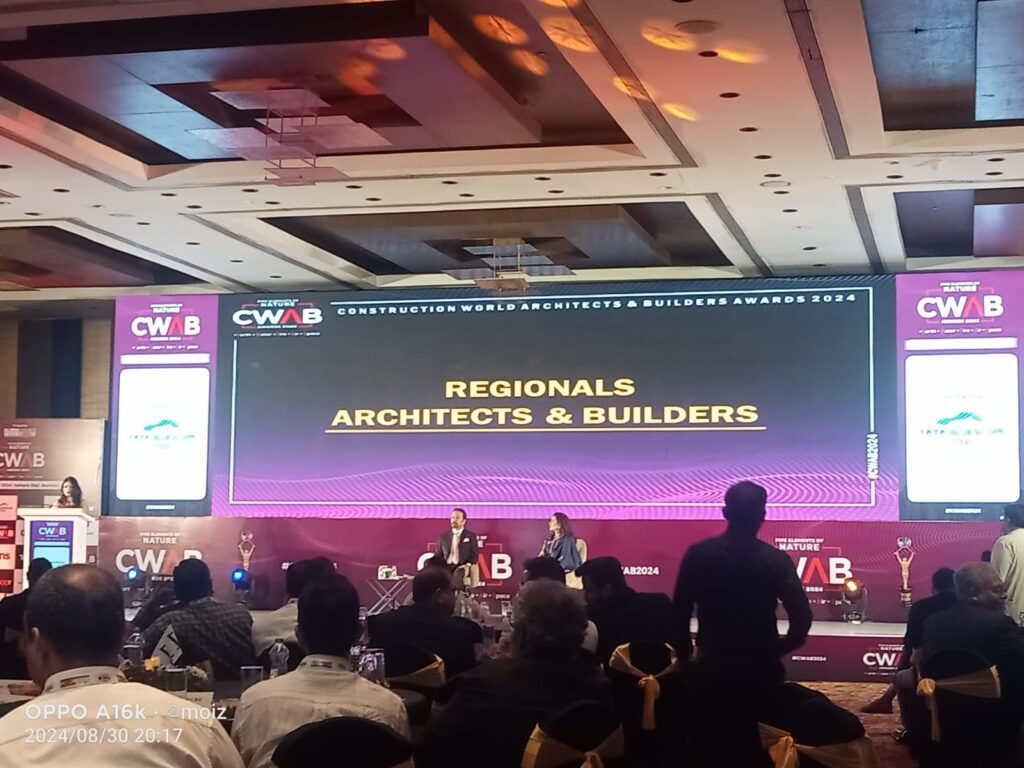
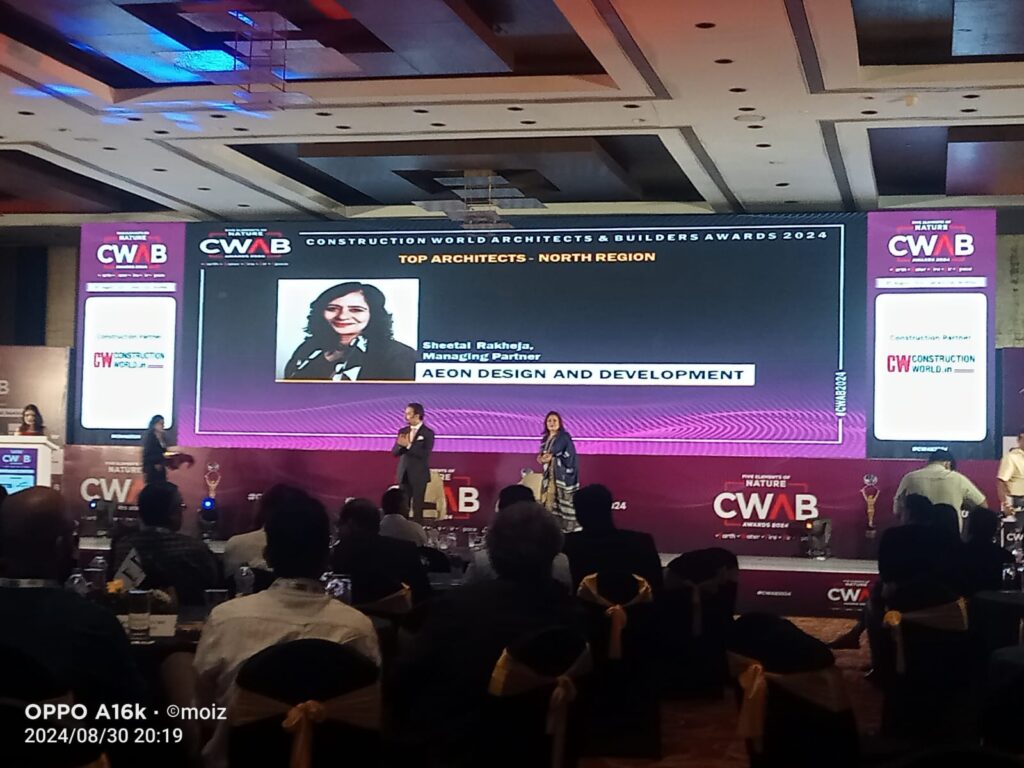
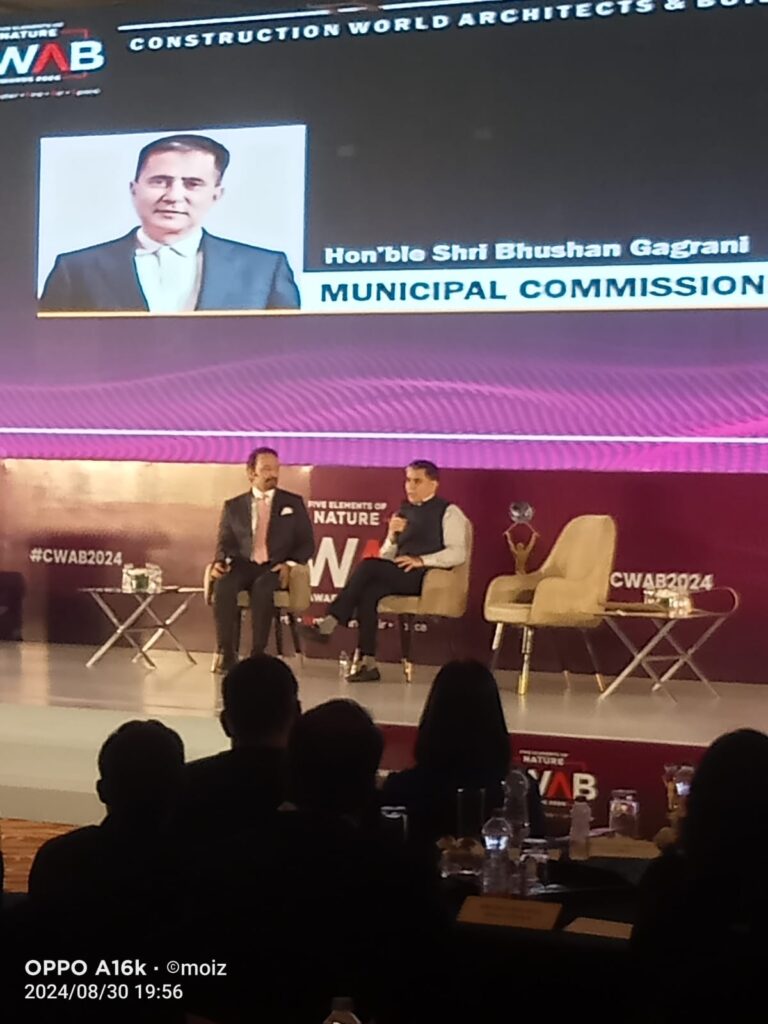
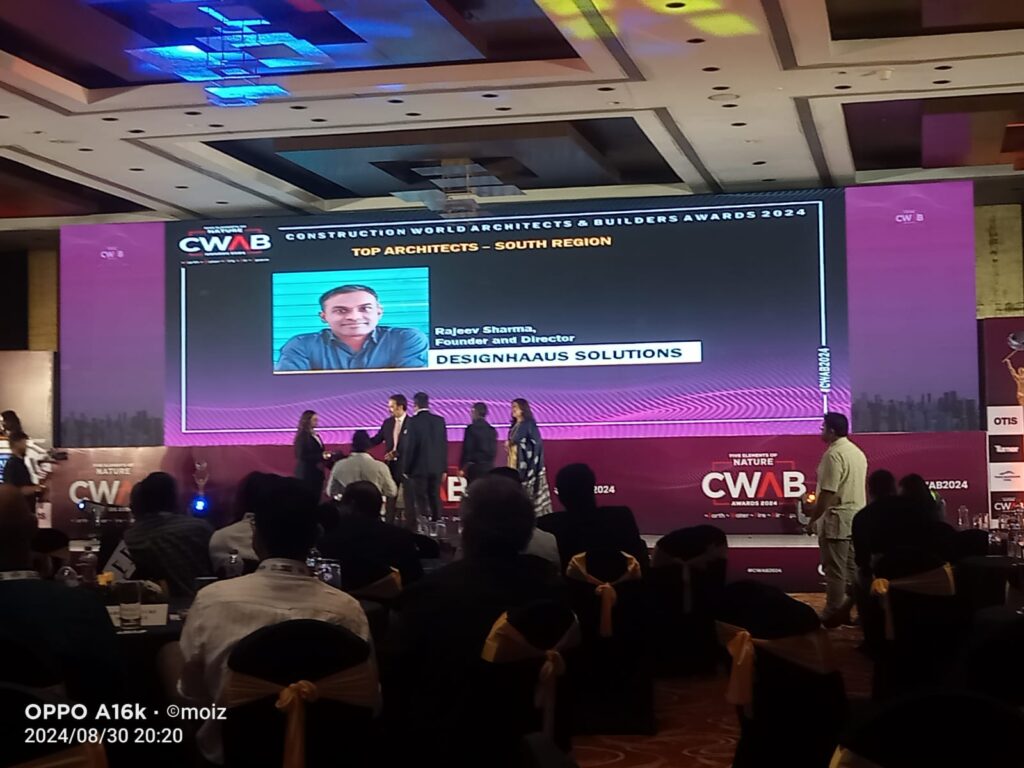
A peep in the Construction World award for Architects and Builders.

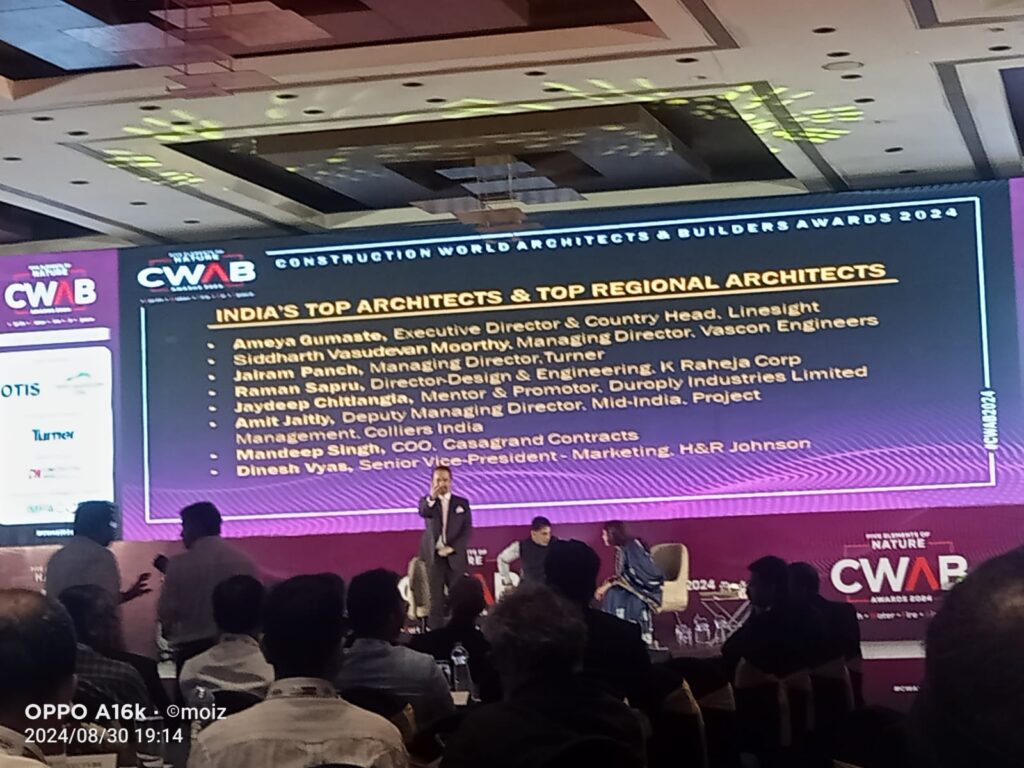
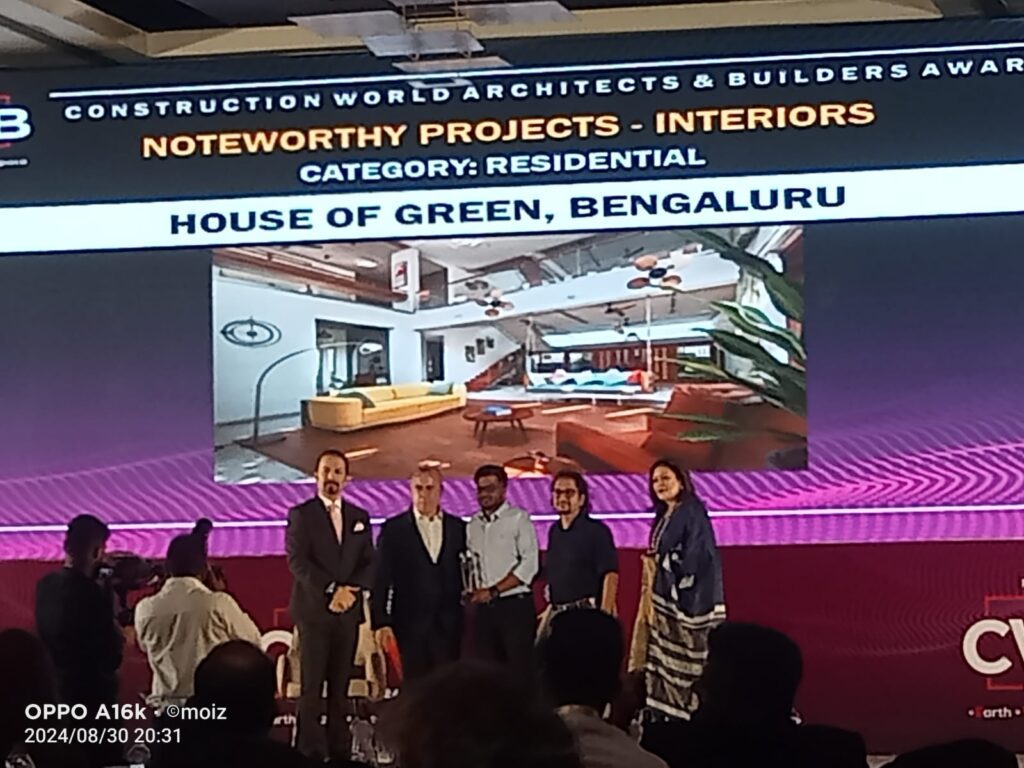
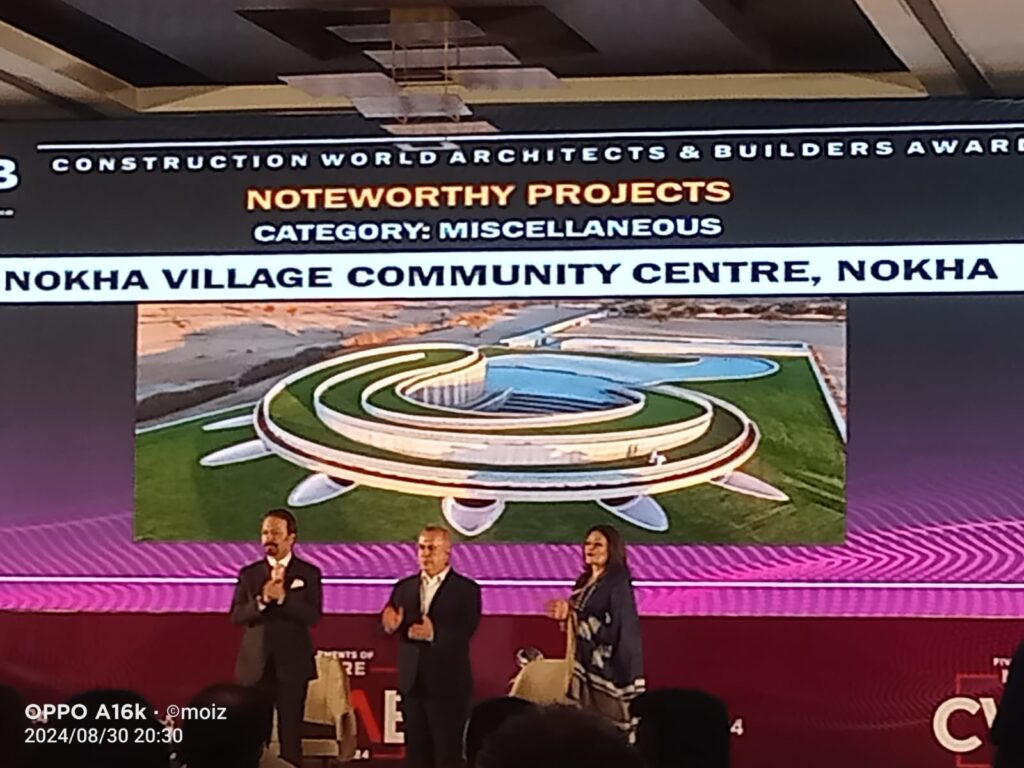
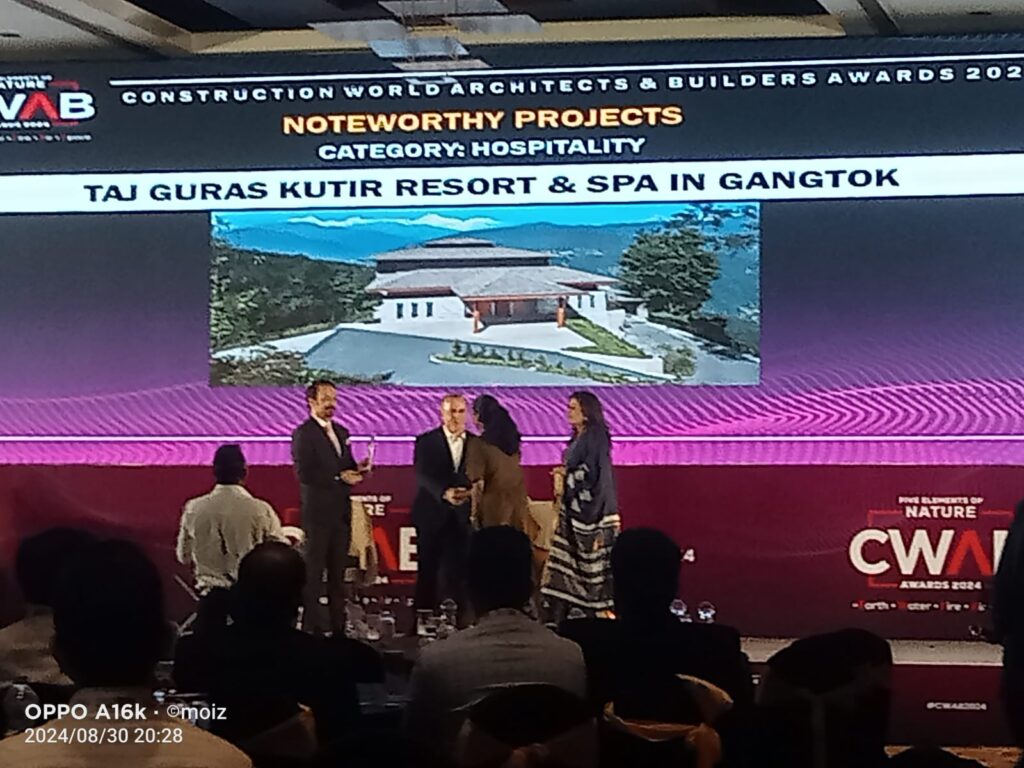
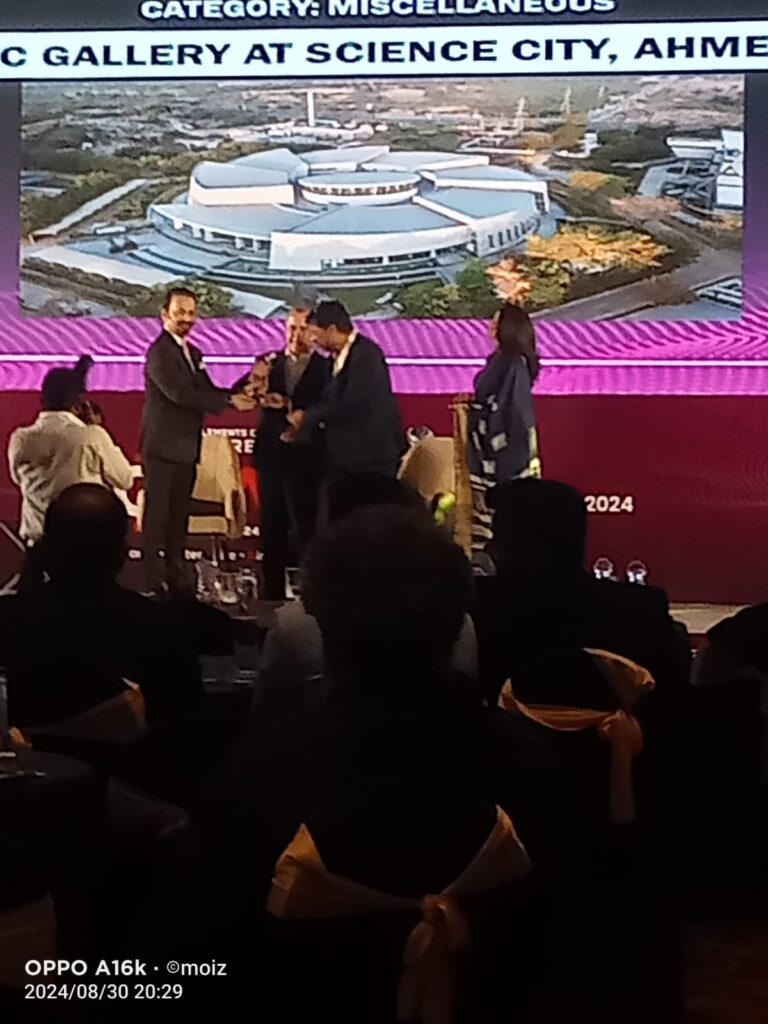
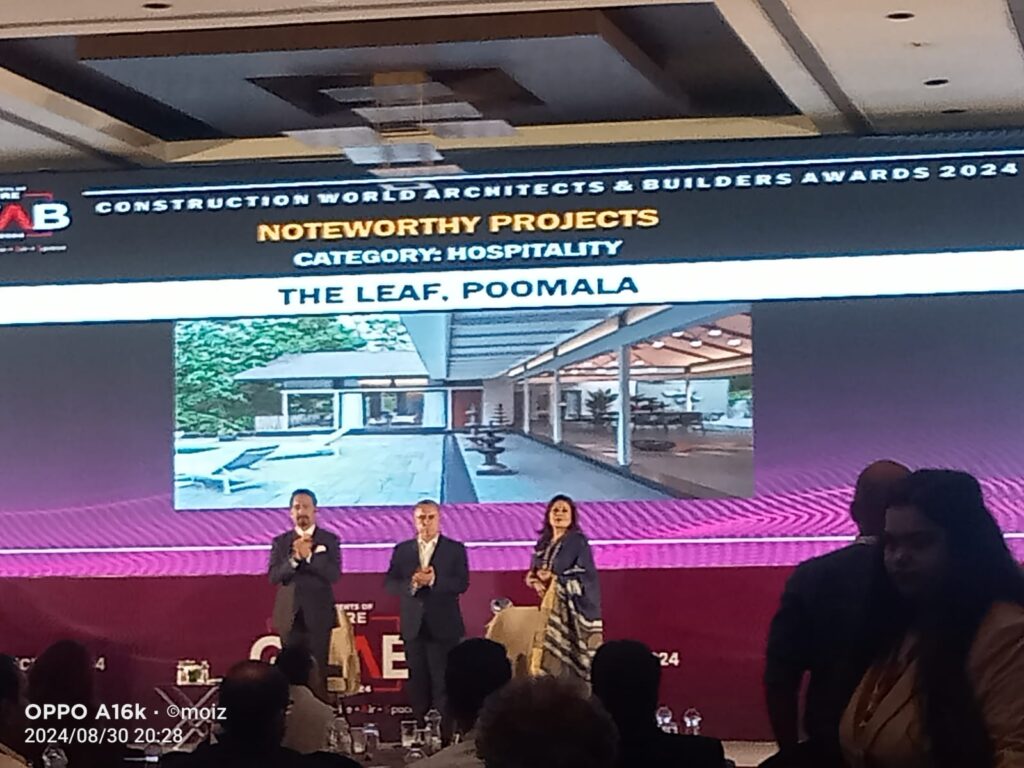
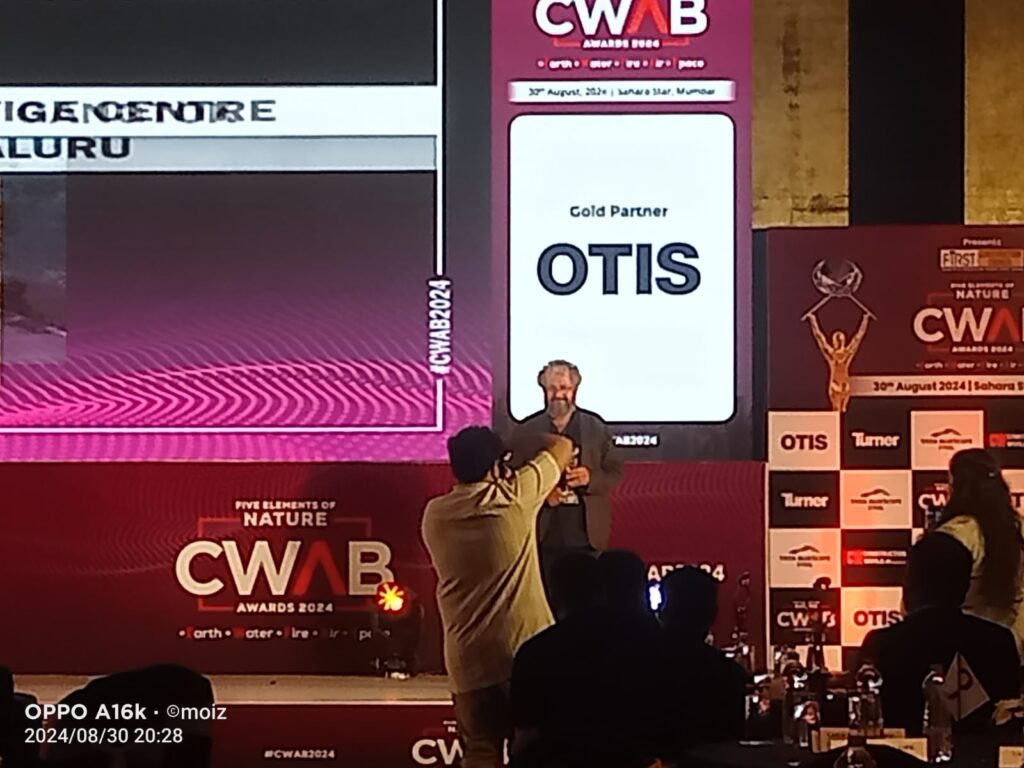
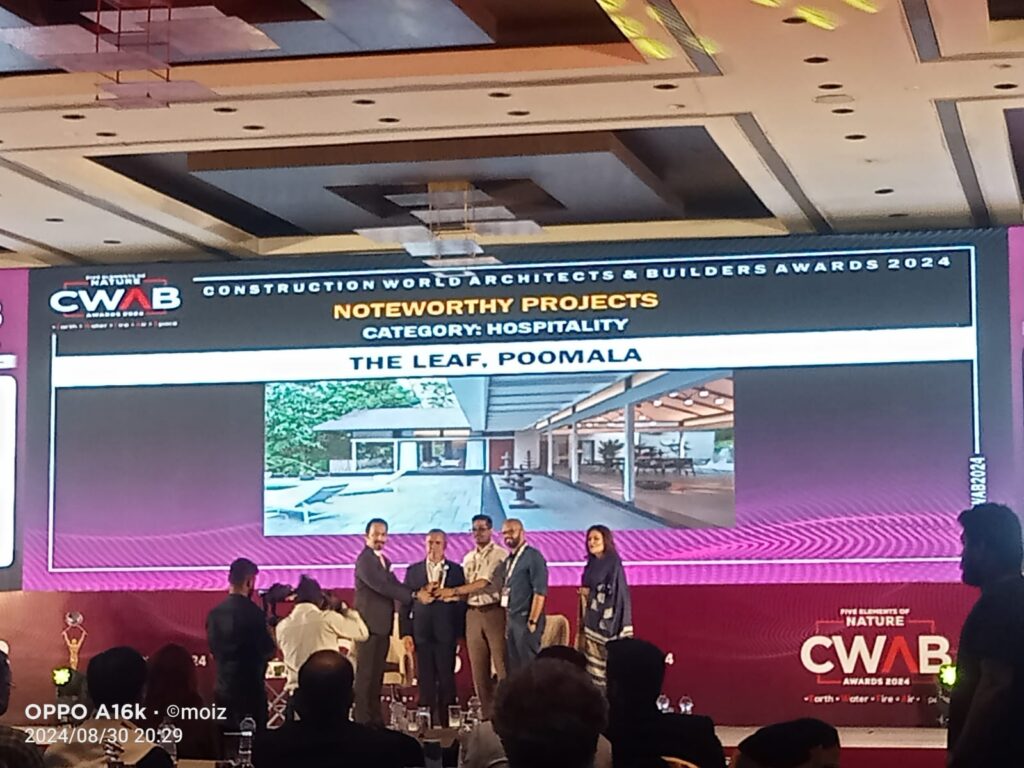
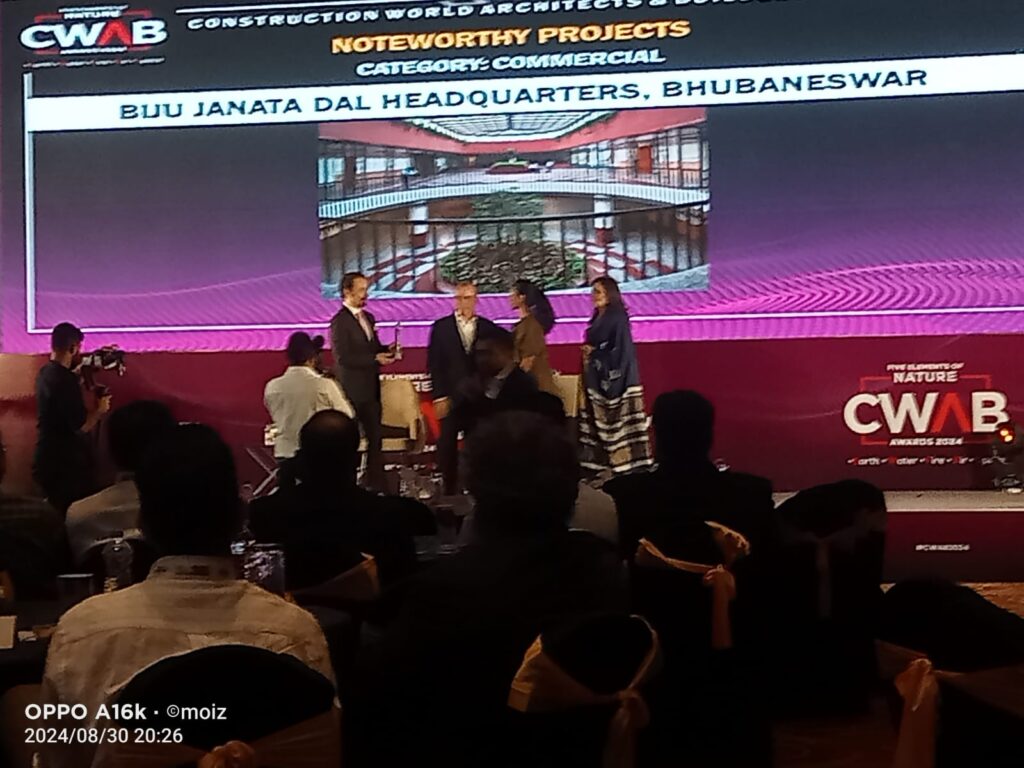
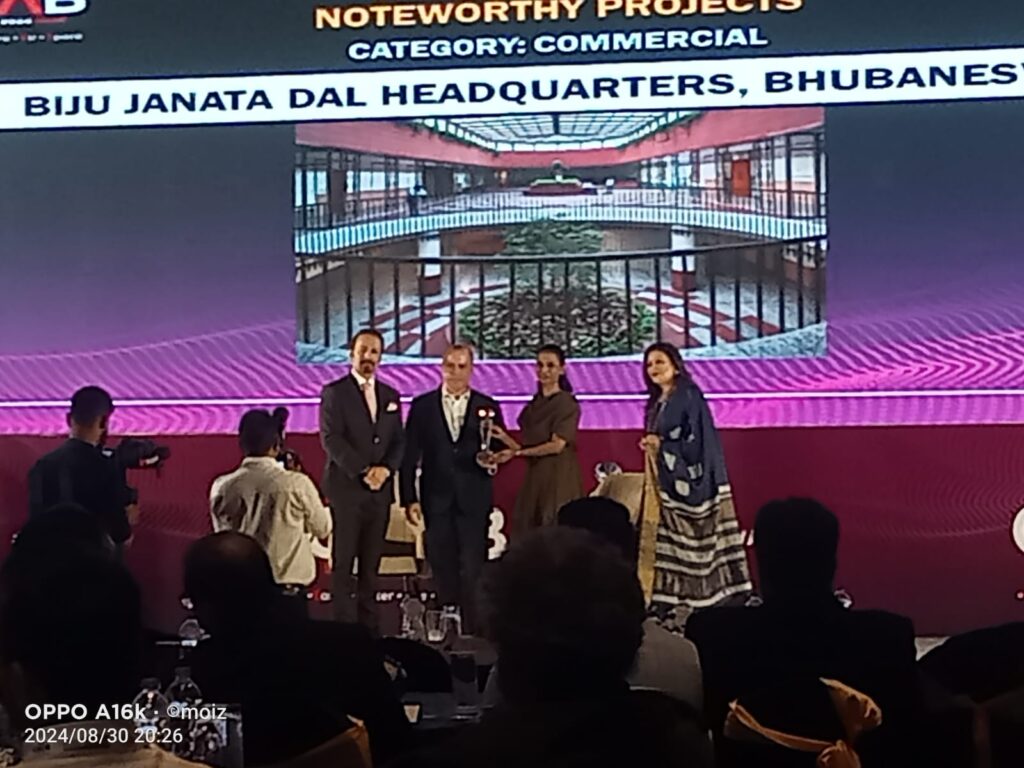
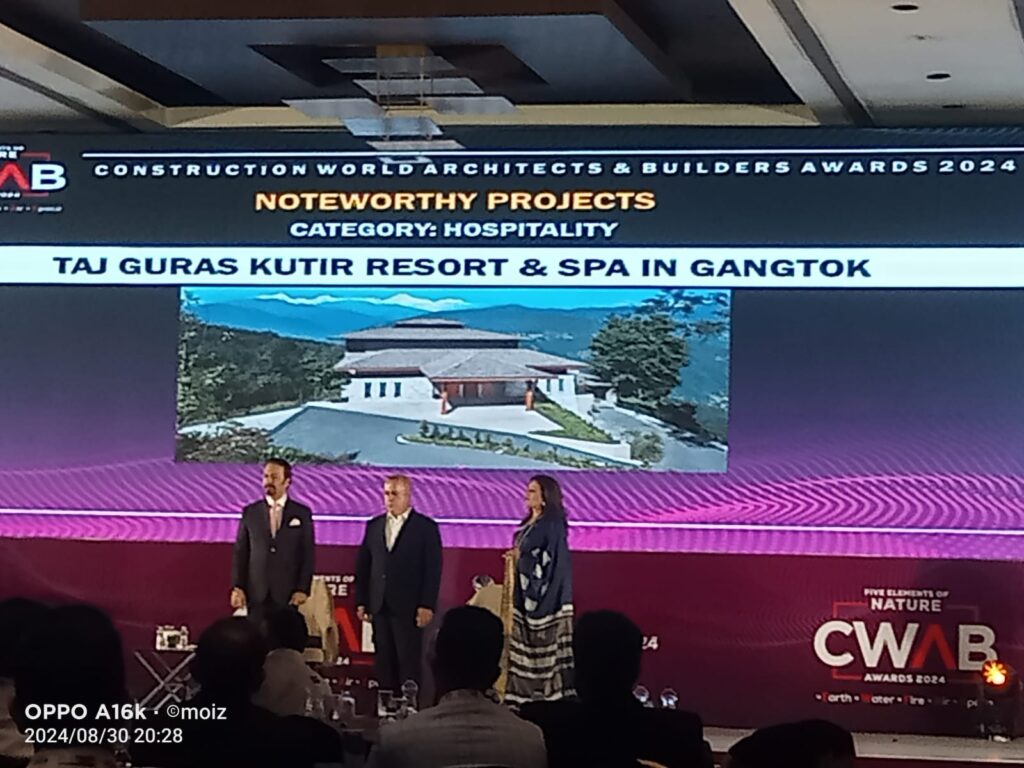
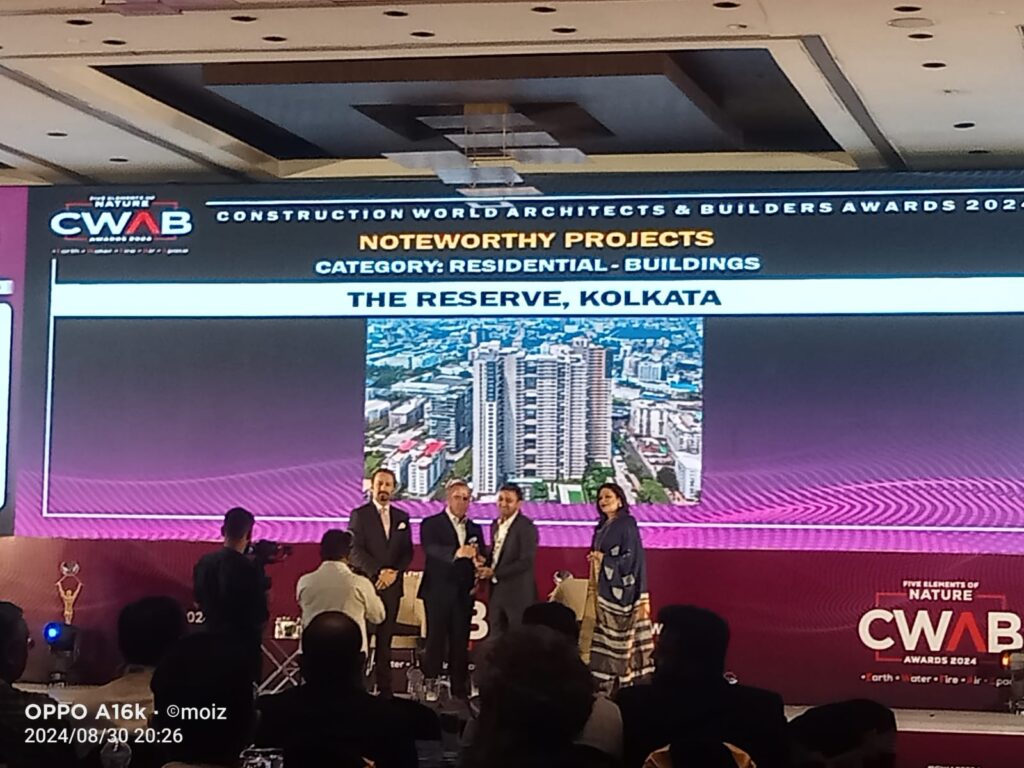
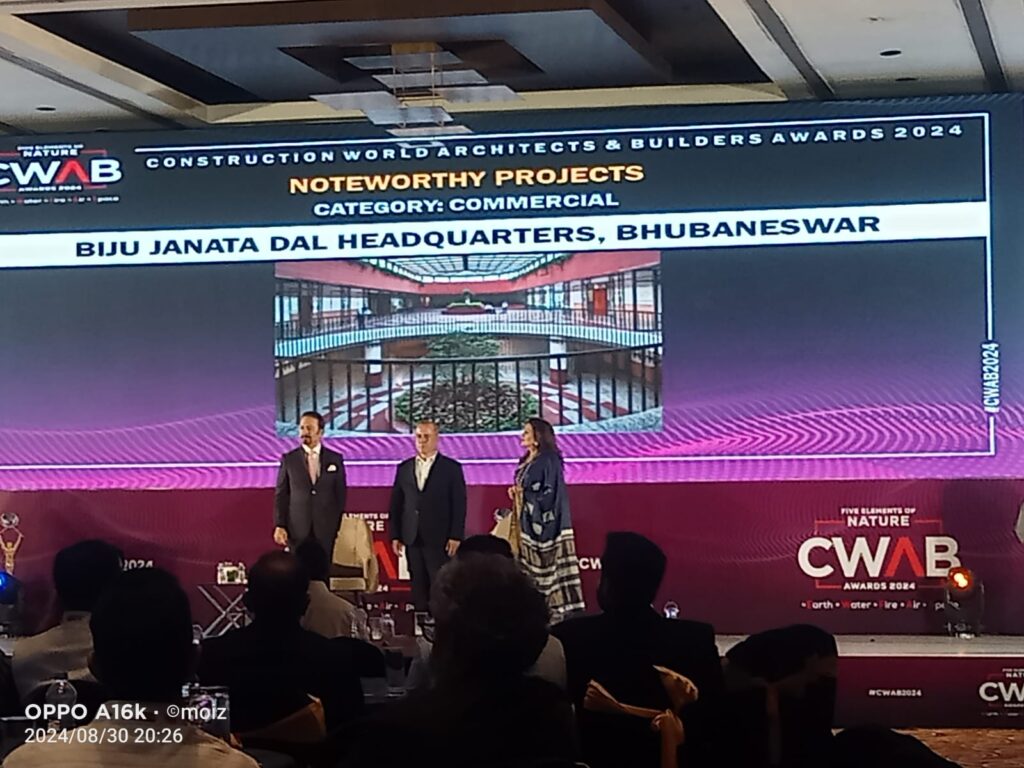
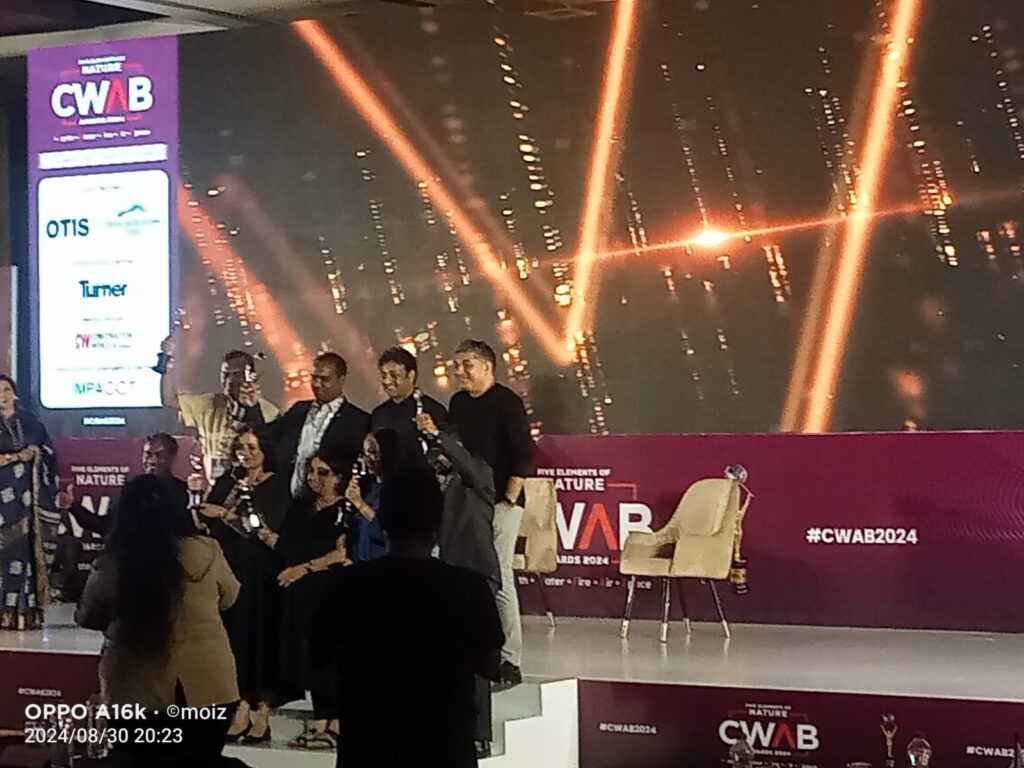
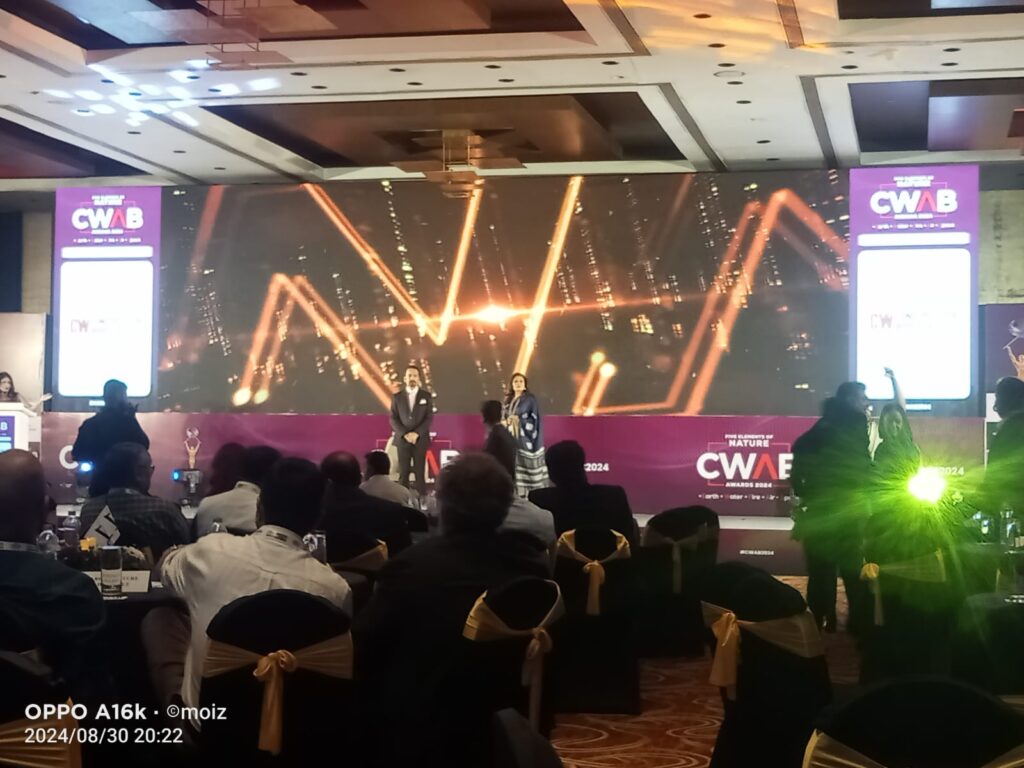
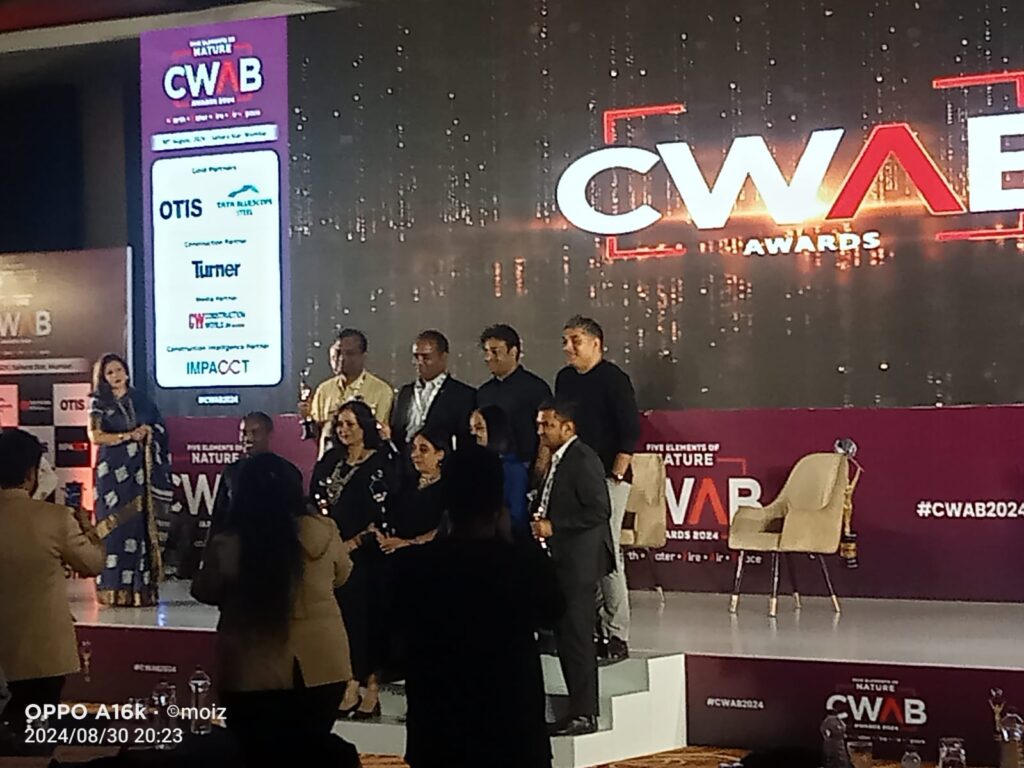
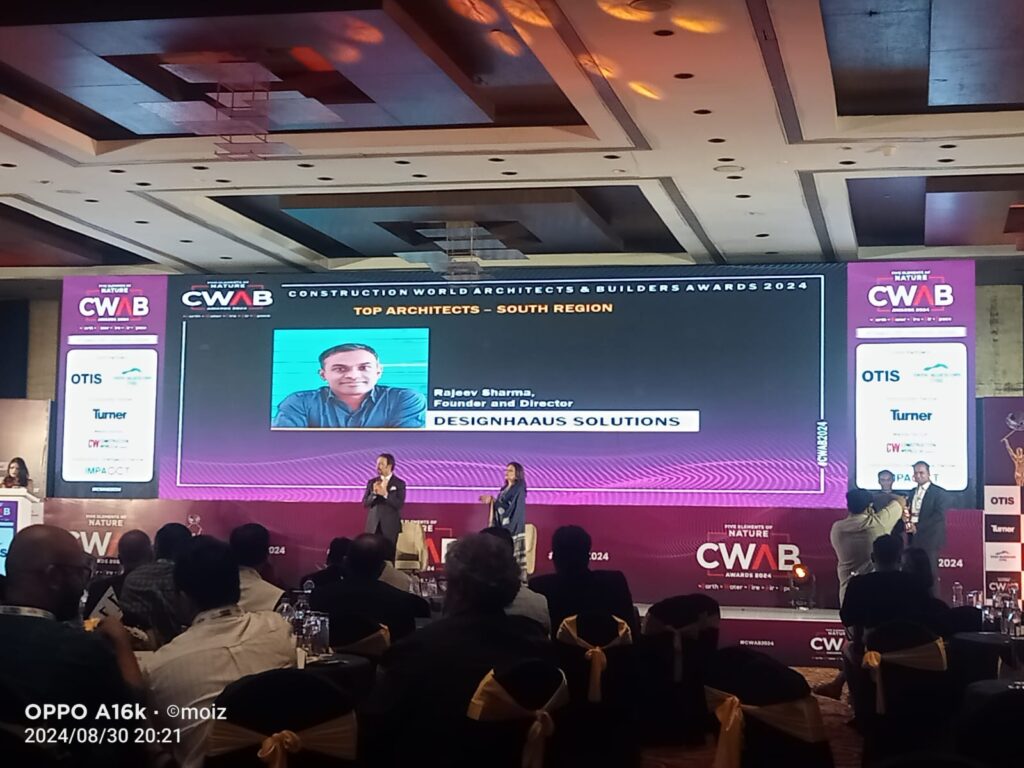
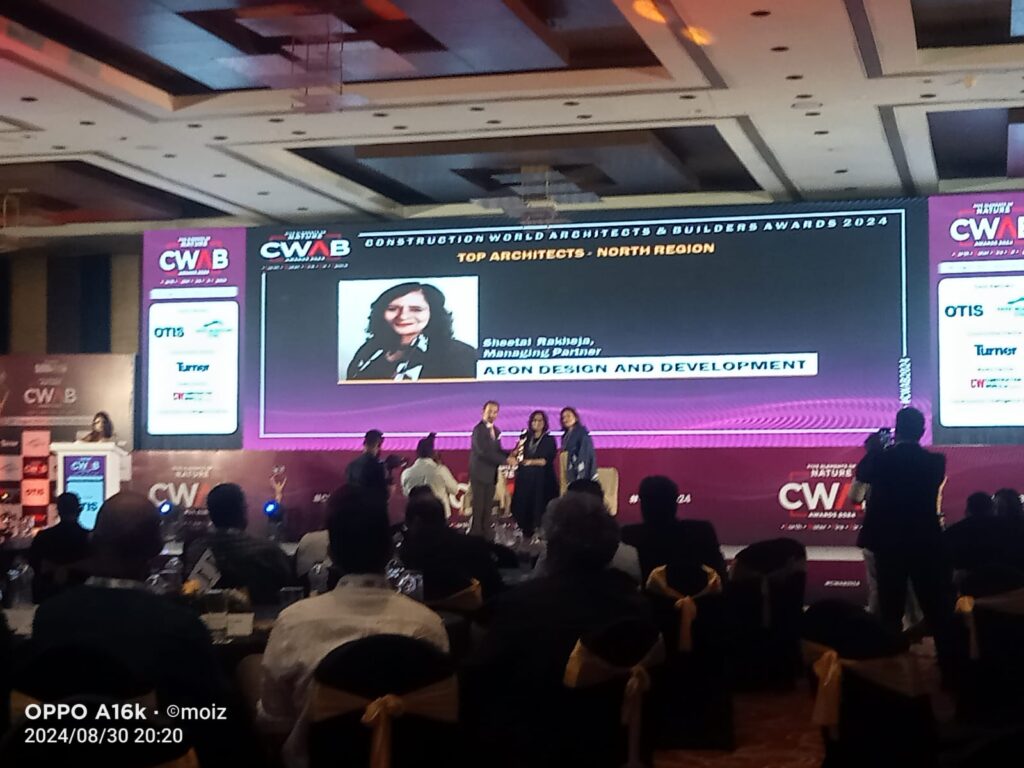
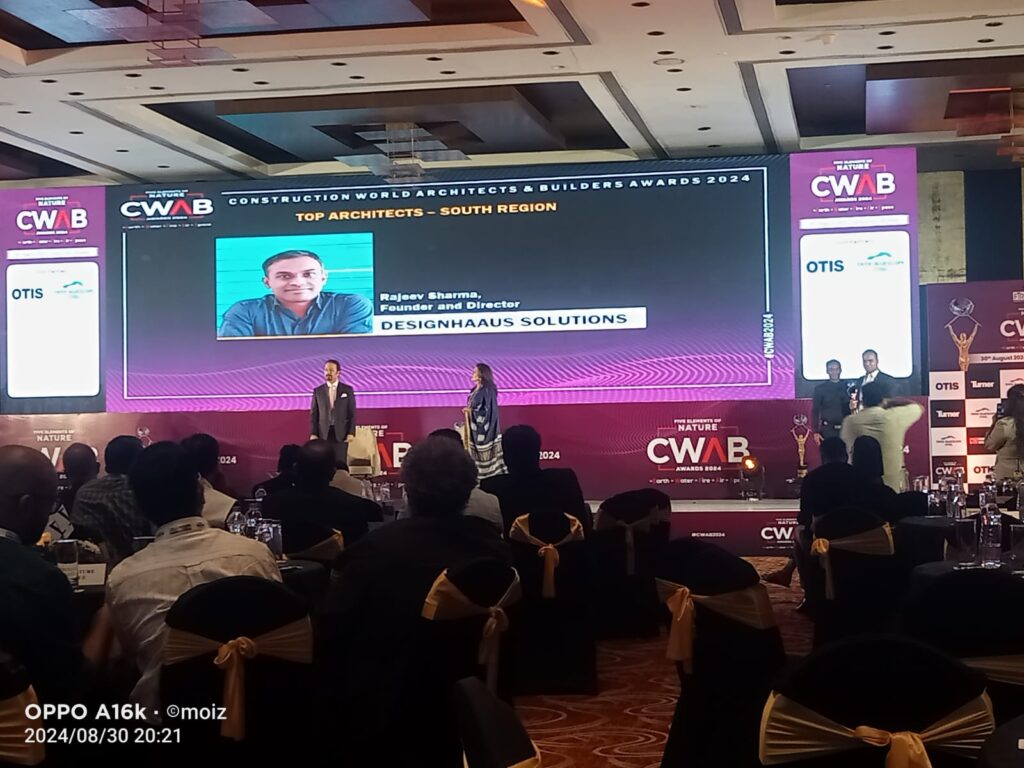
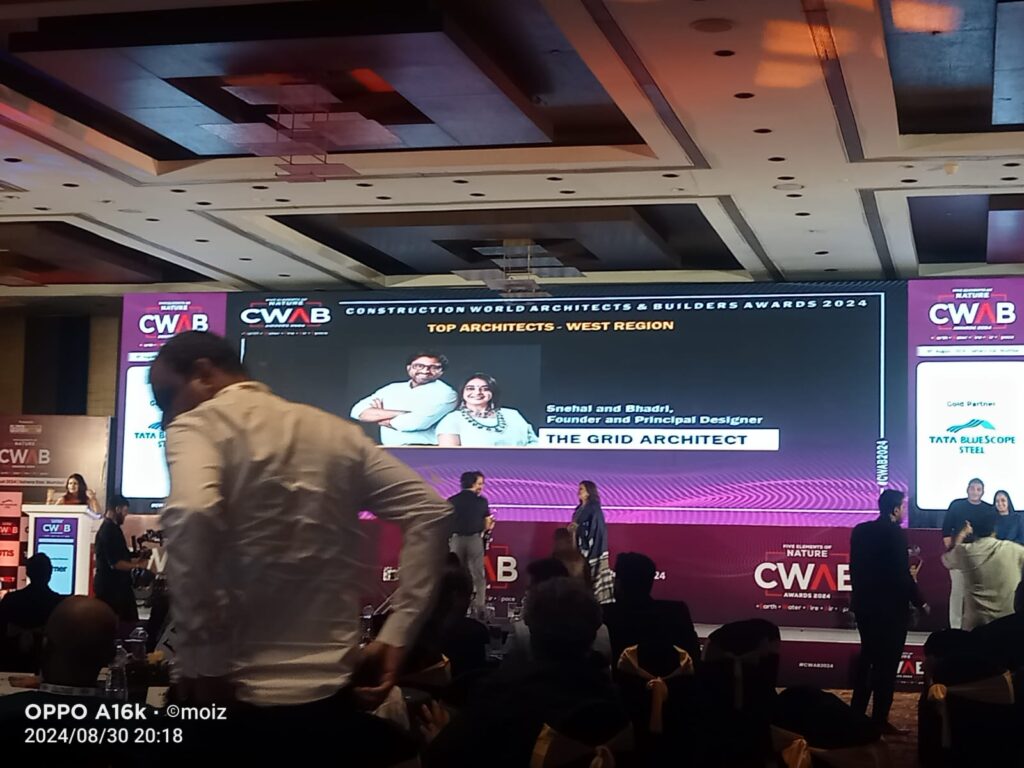
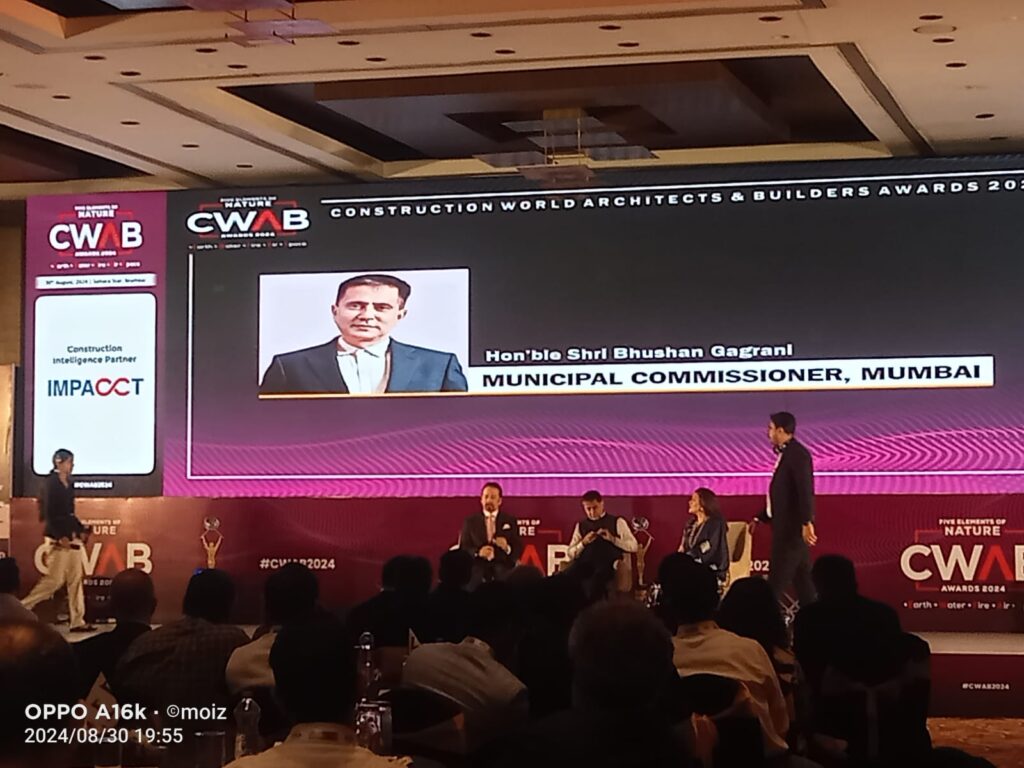
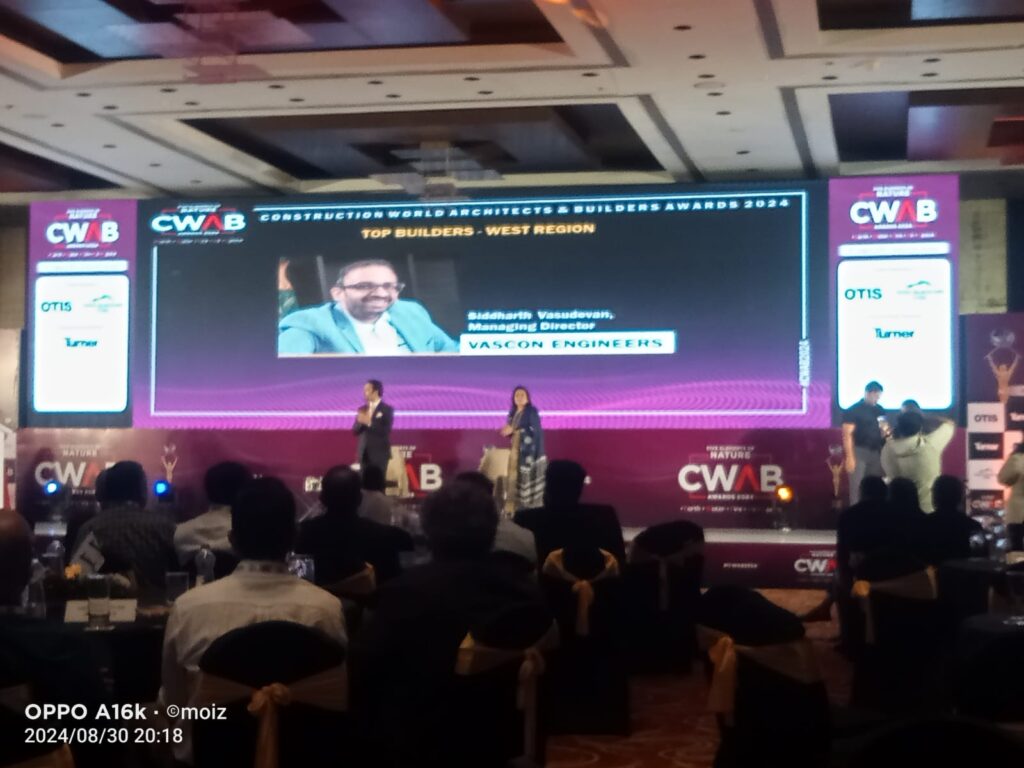
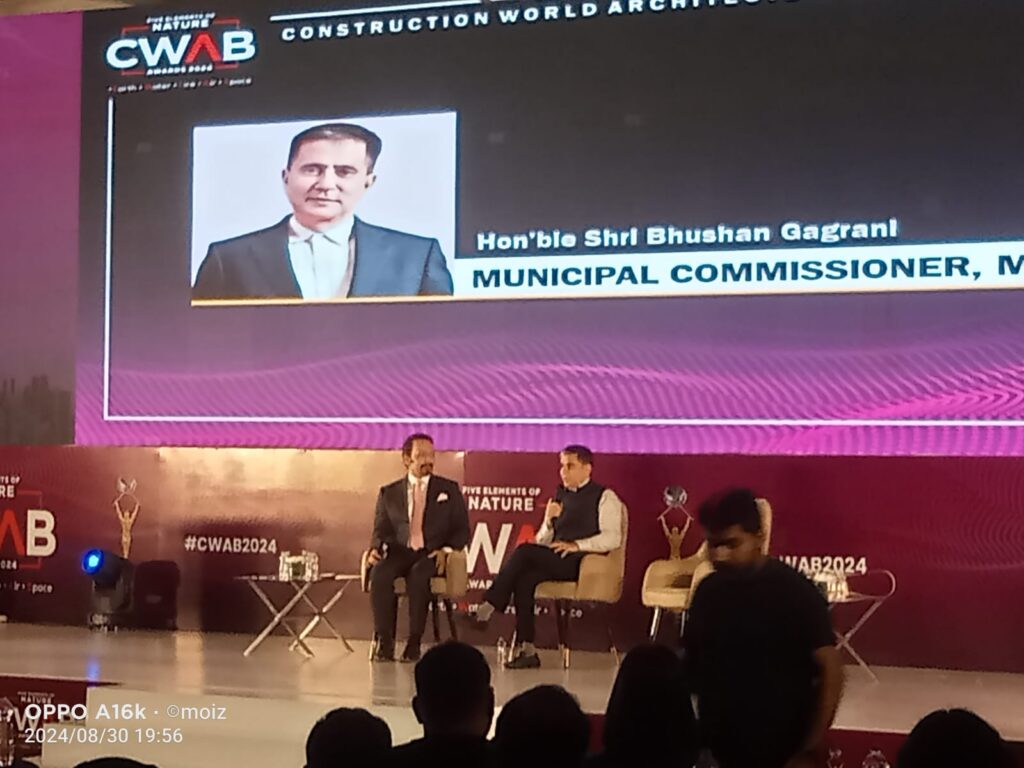
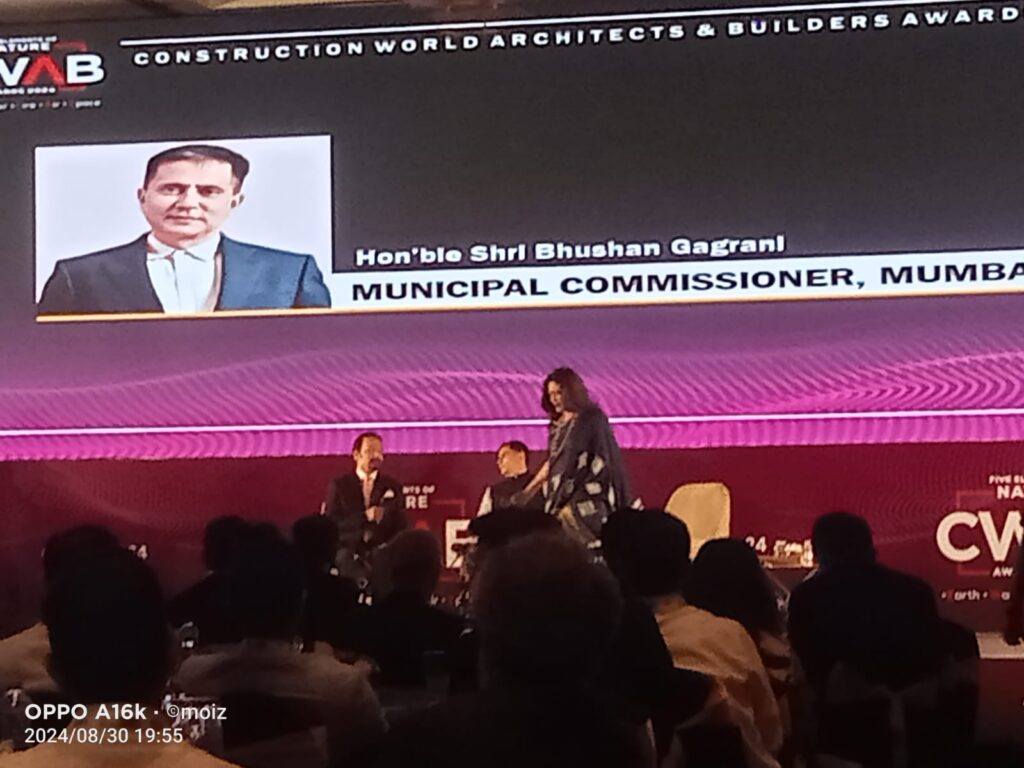
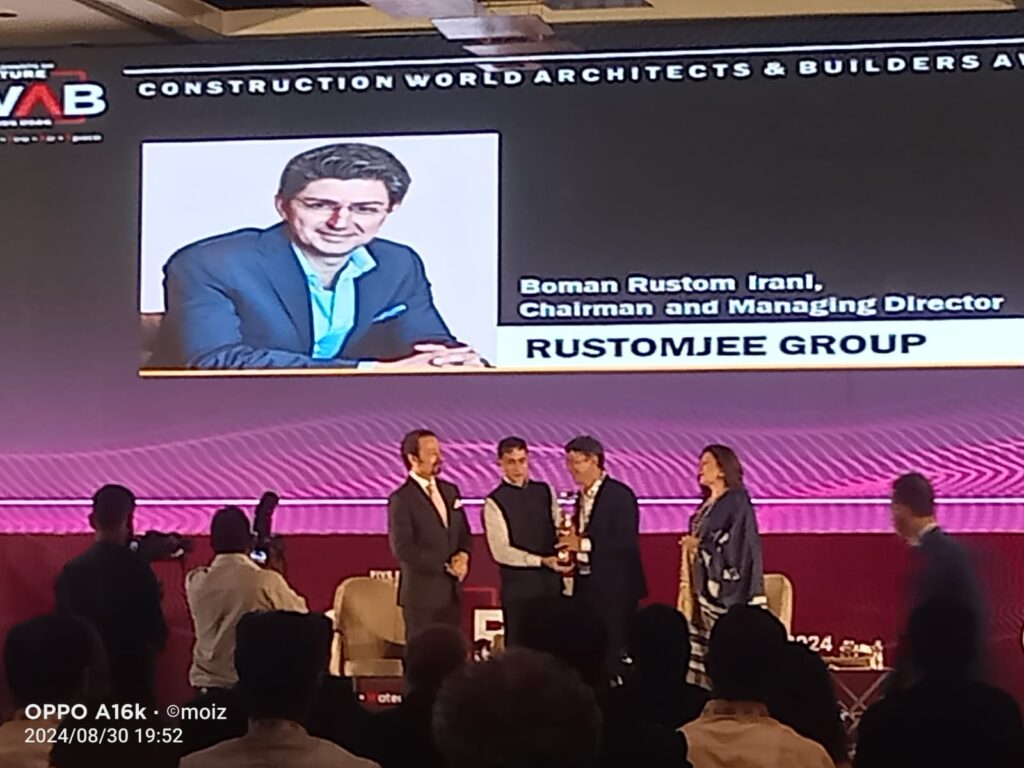
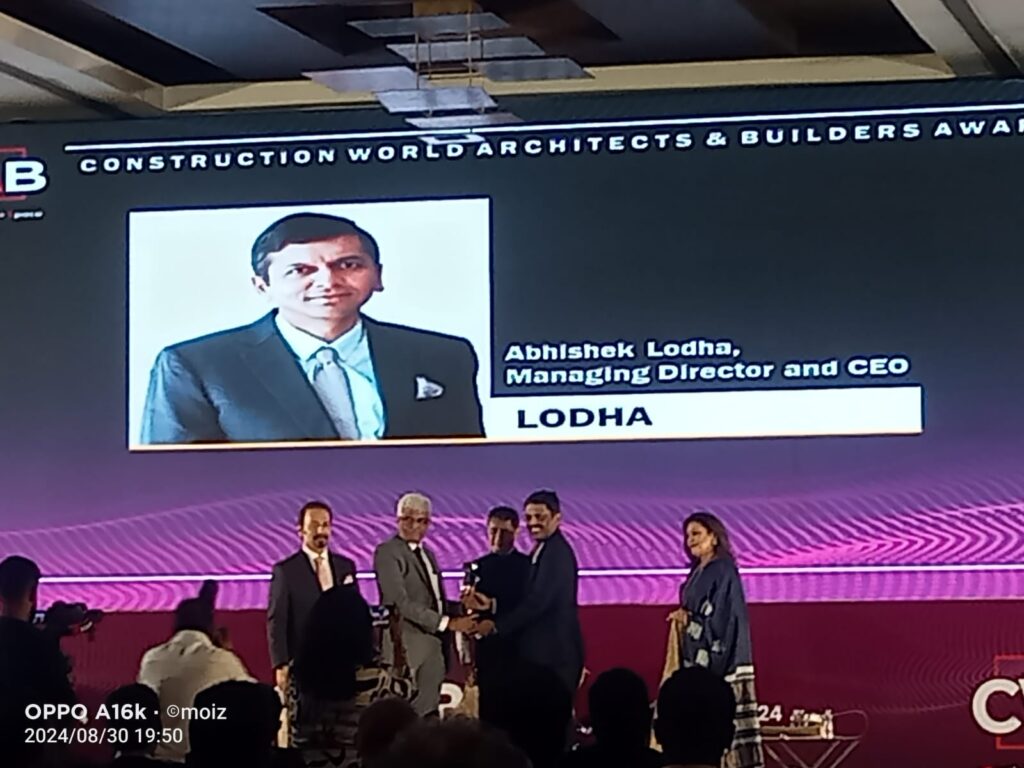
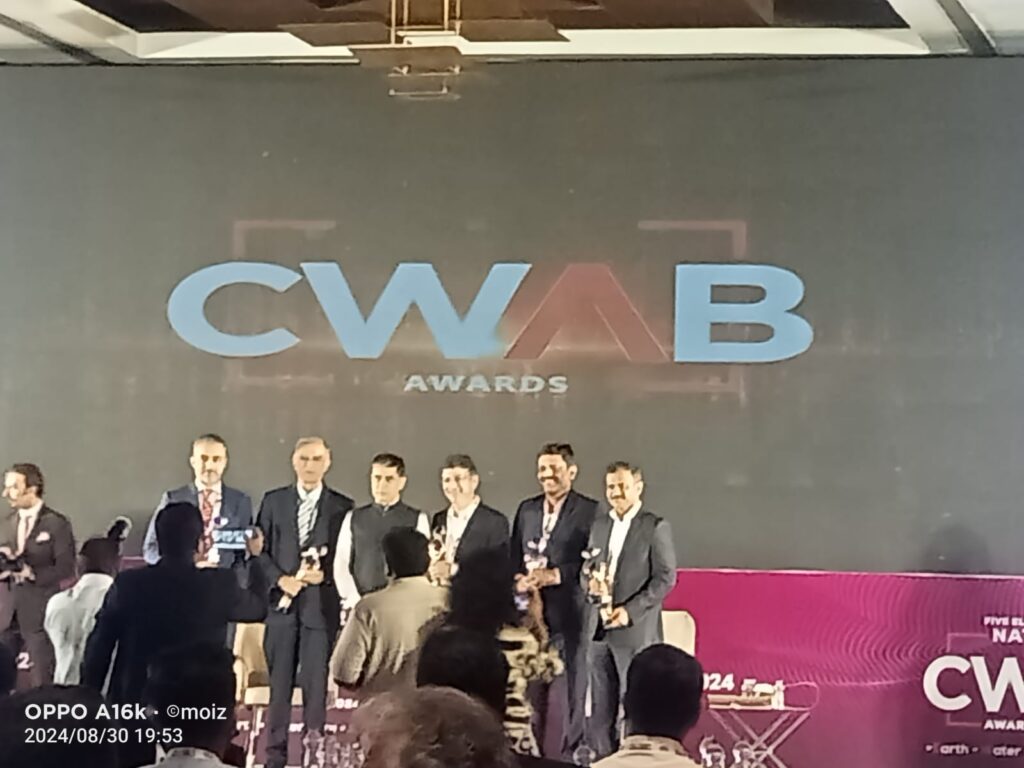
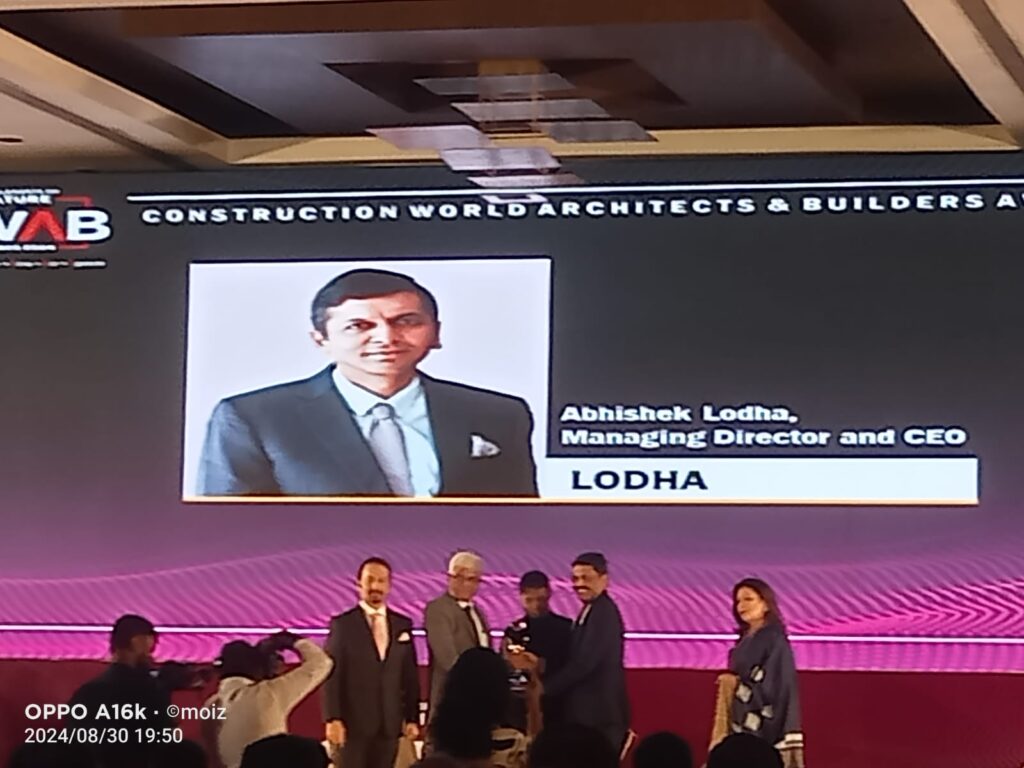
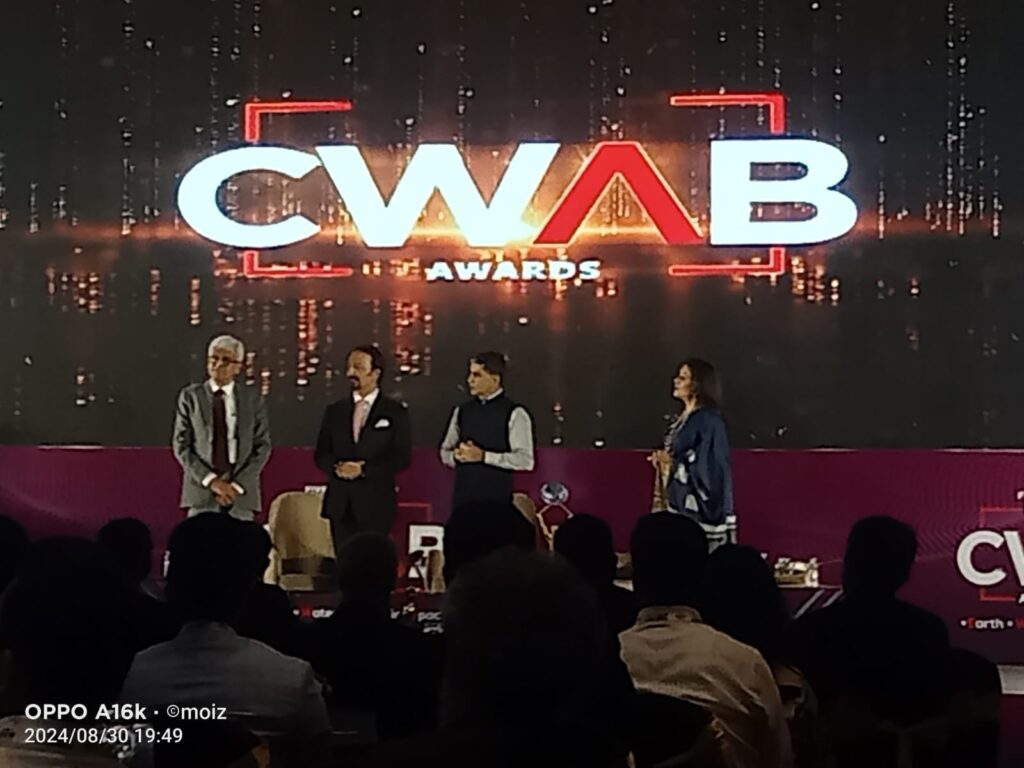
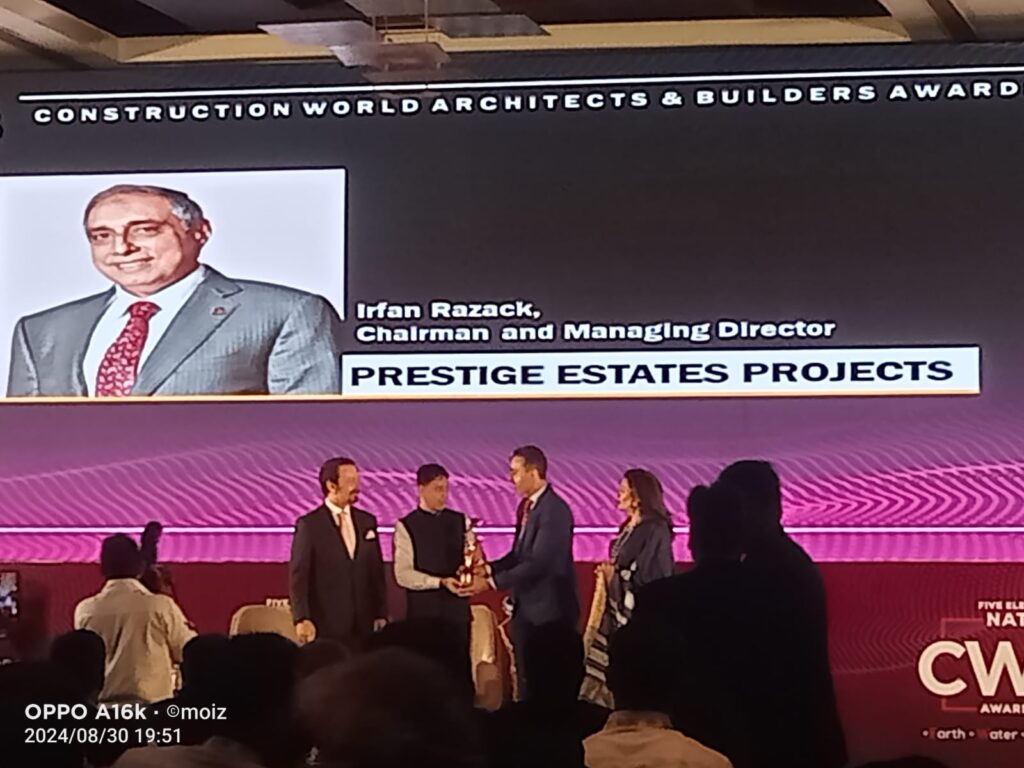
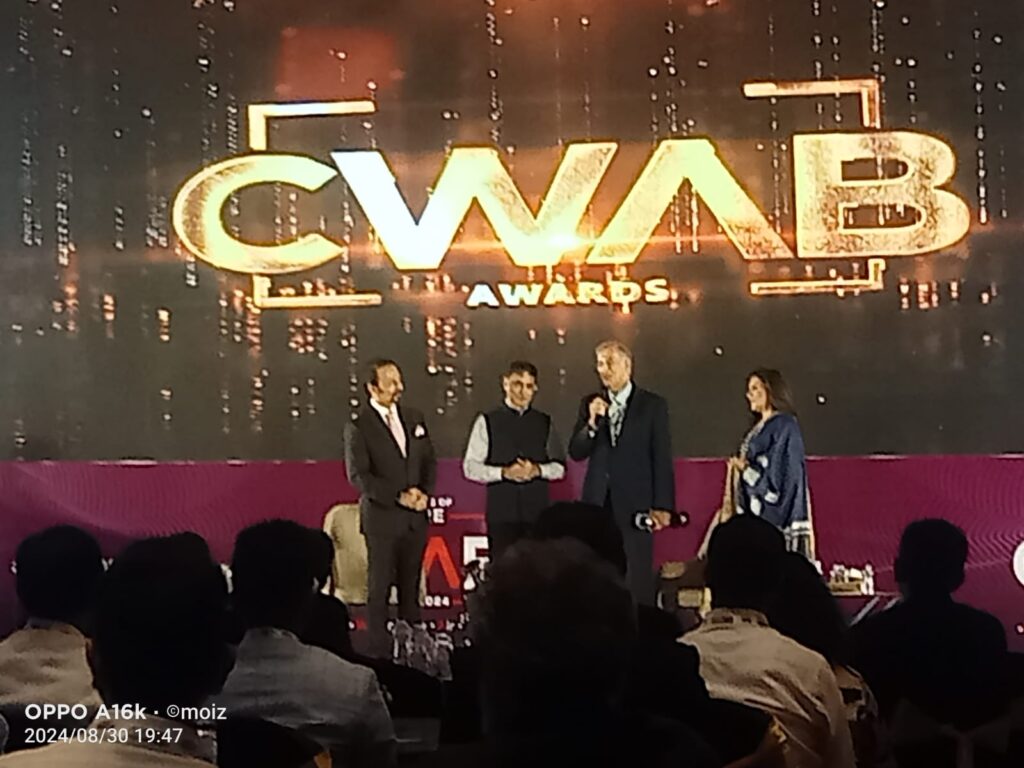
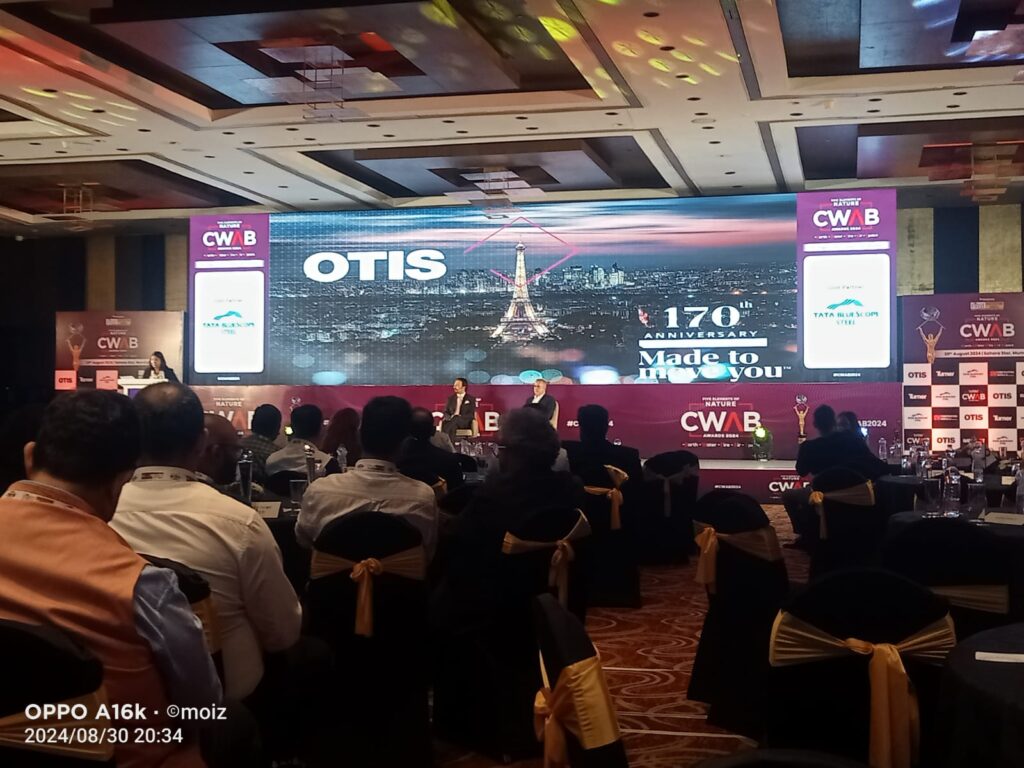
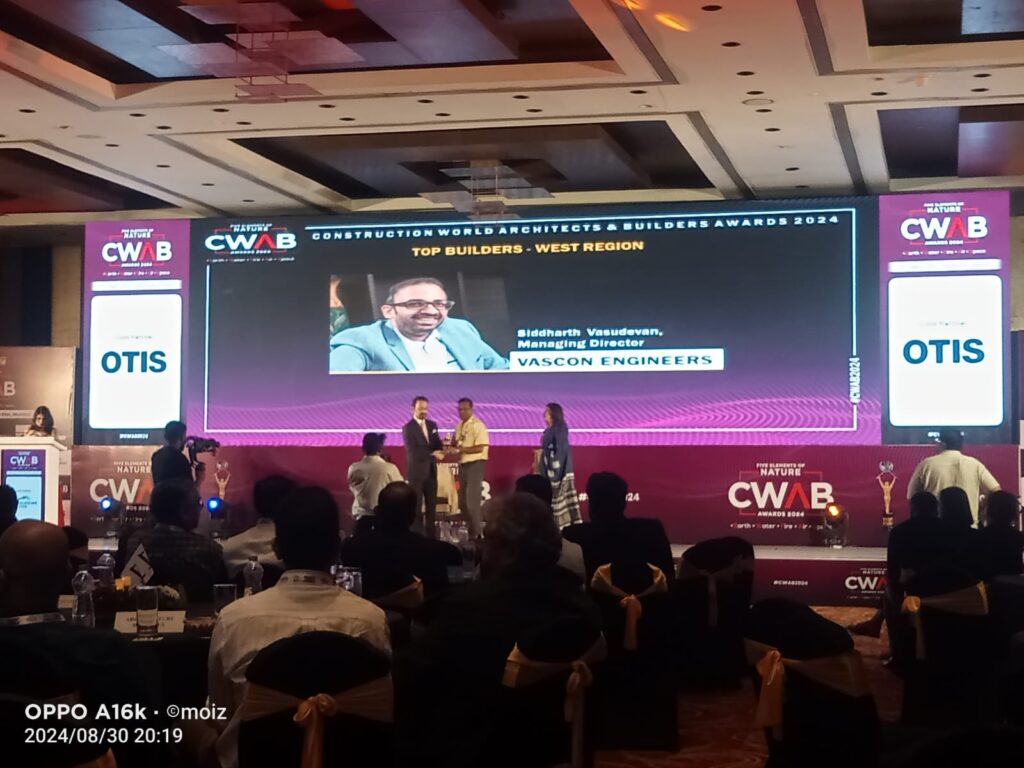
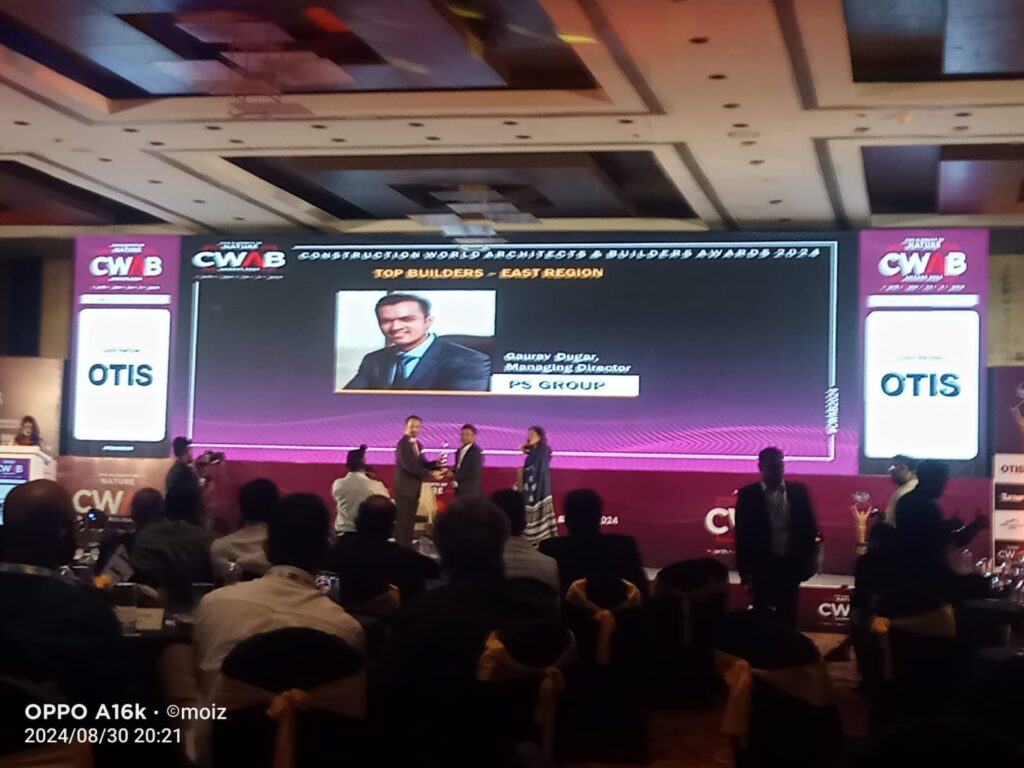
CWAB, the Construction World Awards for Architects and Builders. This year the CWAB was at the Sahara One International Hotel, located at Chhatrapati Shivaji International Airport.

The registrations began at 5:30 pm and the award function started sharp at 6:30 pm. It was a delight to watch some of the prominent architects and builders at the awards. The awards night began with a video message by the Governor of Maharashtra who could not attend due to a visit of PM Narendra Modi. The governor congratulated all the participants and winners for the Construction World award with the 5 elements of nature Earth, Water, Fire, Air and Space as a theme.

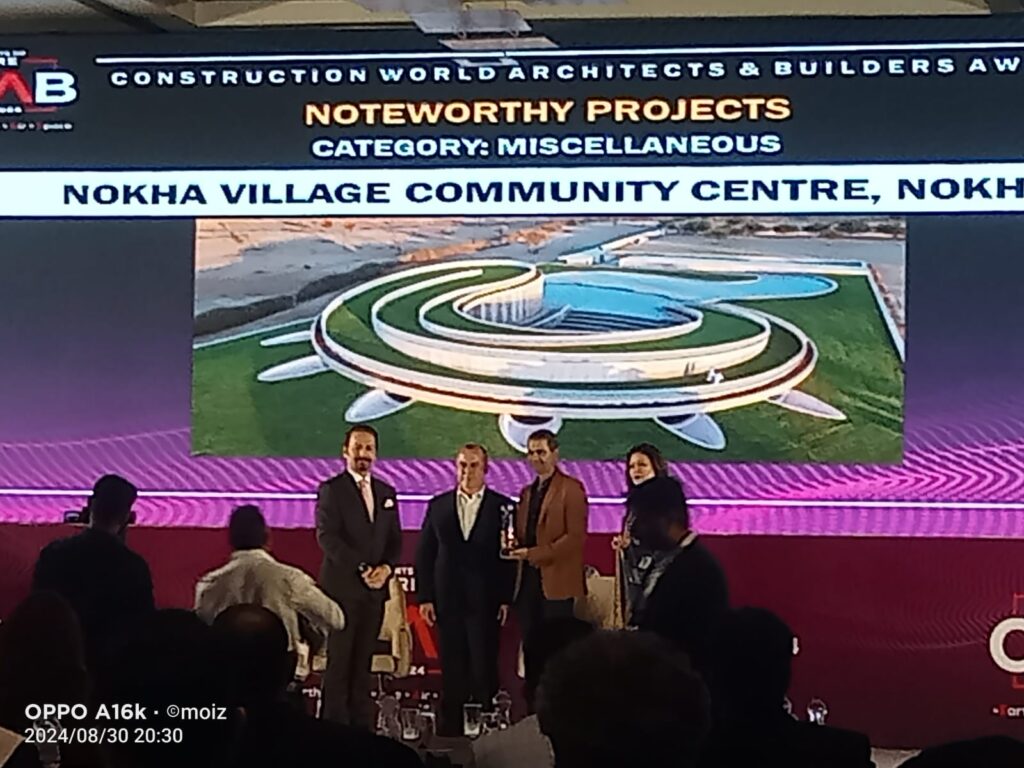
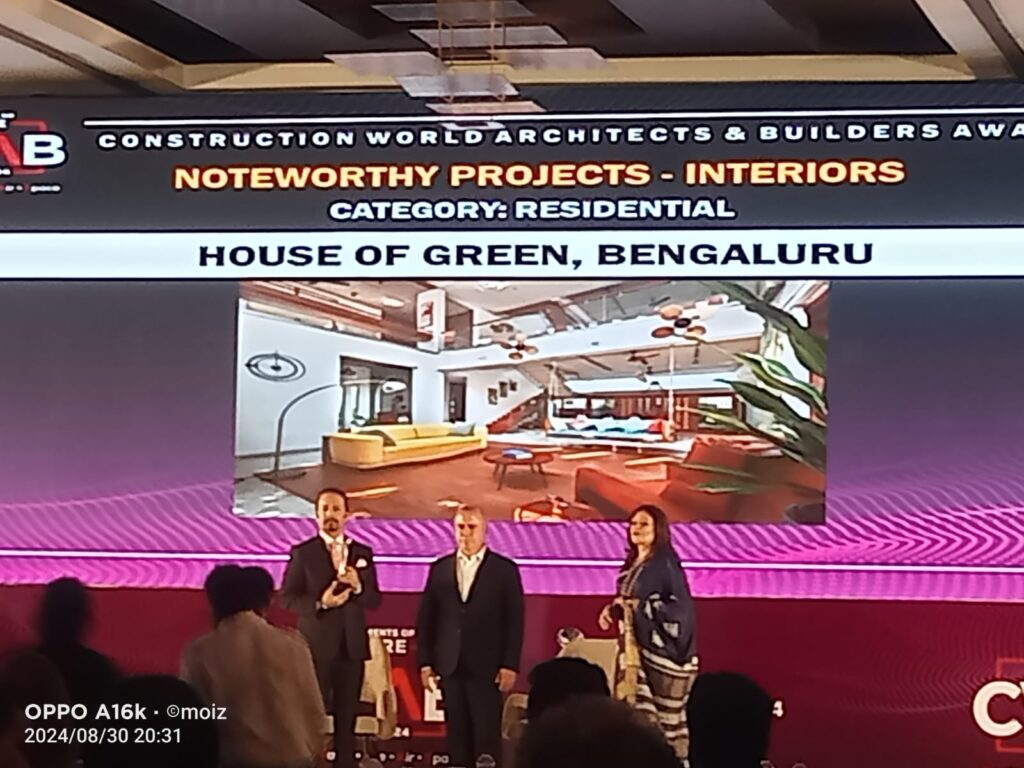
Top-notch architects were present and awards were given to architects who have built these prestigious projects. A keynote by Municipal Commissioner on the development of the city and how the future of city planning should shape the way citizens commute, live, educate, work and spend time with their families.

At the end of the program, there was a dinner and cocktail for all art and architects to interact.
Boski Kubadia is a true example of Nari Shakti with a paintbrush and a canvas of life.

Written courtesy – Sharvaree Katdare and Moiz Mamoowala

Q1- Can you tell us a bit about your background and how you got started in both painting and textile art?

A1- I am a textile designer, painter and a qualified interior designer which adds value to my art on fabrics. My journey in painting and textile art began with a bold fusion of these materials and a desire to blend them with vogue.

Q2- What materials and techniques do you prefer to use in your textile art compared to your painting?

A2-I use a variety of mediums like oils and acrylics when I paint. For textiles, I prefer natural fabrics and conventional printing techniques, often bestowed with hand-painted elements.
Q3- How do you plan to connect your paintings with the world of fashion?

A3- I aim to twirl my paintings into textile designs, inventing rare prints for fashion. By mingling my imaginative vision with fabric design, I want to concoct couture that bouts my art and begets palpitations in fashion.

Boski exhibition at Jehangir Art Gallery.

Q4- How did you balance family responsibilities with pursuing your art?

A4- After marrying, I undertook my onuses and upthrust two children while working on my art at night. Despite challenges, I secured admission to a prestigious college like Sir J. J. School of Art. I completed my B.F.A textile balancing my responsibilities diligently. In my journey, there were times when I ambled solo, at phases I found my husband by my side, walking hand in hand, offering his support.
Q5- How did selling your first painting impact you?

A5- My first painting was sold for Rs. 45,000 in 2012 was significant to boost my confidence, validate my efforts and motivate me to continue.

Q6- How do you see yourself as a global painter?

A6- I see myself as a global painter by blends diverse artistic influences while incorporating conspicuous Indian flavours into my work. This permutation acknowledges me to cartel with a wide scion and patron idiosyncratically to the unanimous art fraternity. Given an opportunity, I would like to cavalcade my art in numerous other countries.

Q7- How has studying Jainism affected your art?

A7- Jainism has deeply influenced my art by introducing me to its simplicity, non-violence, and intricate symbolism principles. These constituents have stimulated me to embrace leitmotifs of coherence and scrupulous tessellations into my oeuvre, elevating my artistic mien, cultural accretion and philosophical gravity. I have also drudged on other foci in the past like Swara, Kamasutra, Motherhood, Womanhood, and Navrasa apart from Jainism and will endure the work in my imminent new ideas.

Q8) As a painter what is your best genre for painting?

A8- I began reading and accepting the diverse styles of many painters, among the Indian painters, the paintings of Shri Raja Ravi Verma, K. K. Hebbar, A. A. Almelkar, charmed me a lot and painters outside India, like  Van Goh, Monet & Picasso etc. When I understood the folk art of India, I found myself in it. In my paintings, one can notice a new style I have originated with a foretaste of the myriad folk art of India.

Jehangir sees a new season of art shows.

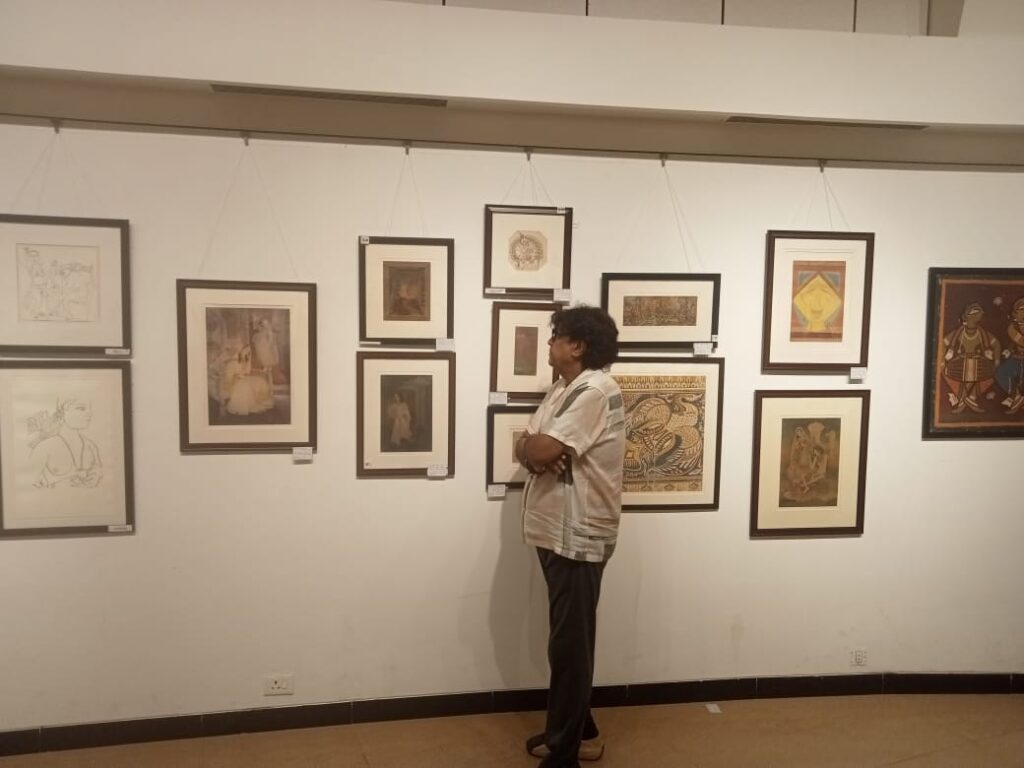
A Bengali art inheritance from the Rabi Art Gallery, founded by Rabi Paul. Currently managed by Somnatha Paul, I am here with the man who has a collection of painting which are varied and have a long history to share. He shares his vision with Mr. Tagore, he has a strong personality and has done more than 5 – 6 shows a year. He chose Jehangir Art Gallery, since it has a ready market and a good reputation. He explains why it is important for today’s art collectors to ensure they get the correct audience.

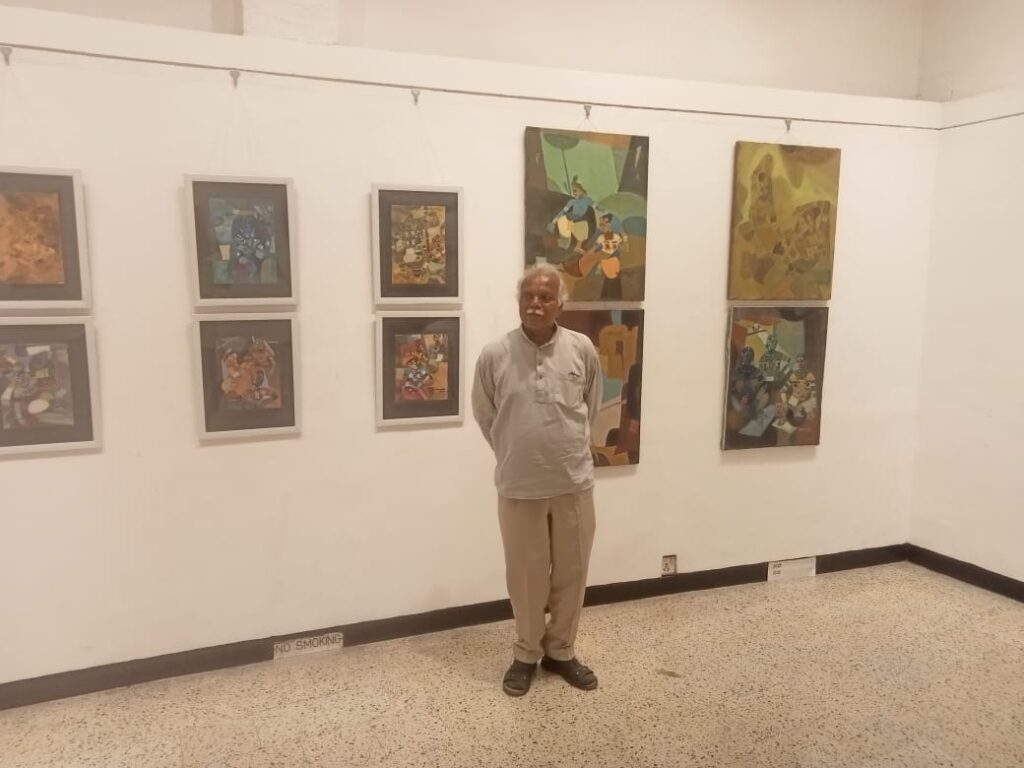
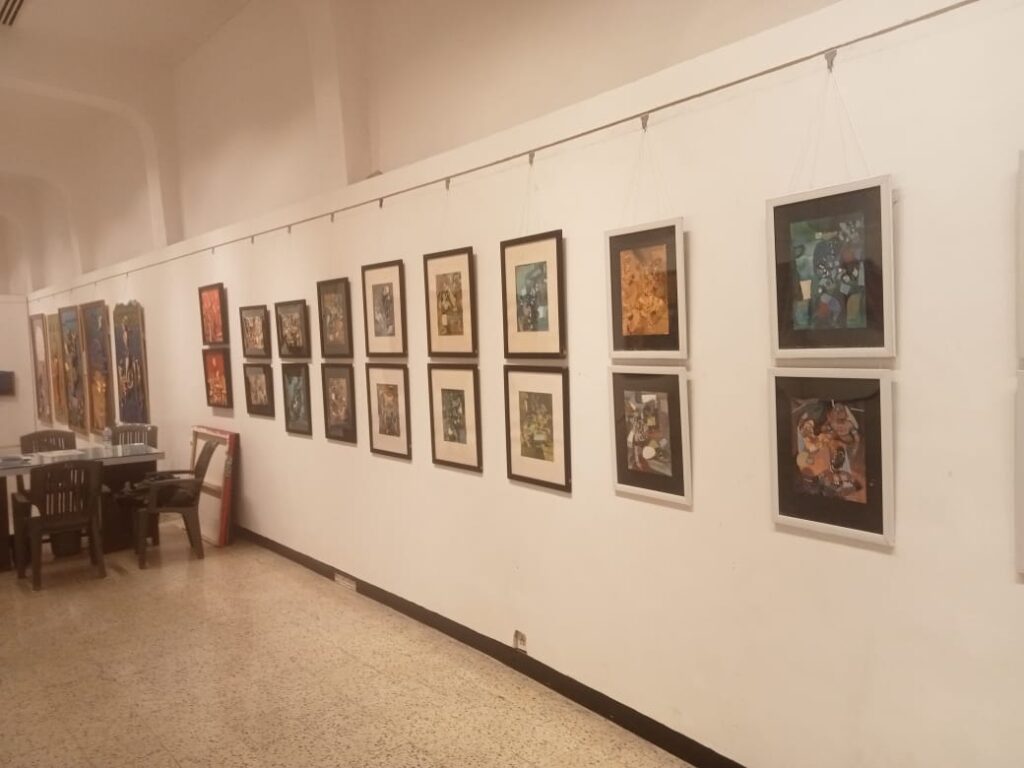
From a village near Gulbarga, were R. Biradar Halvi and Nijalingappa B who have put up a show which consist of abstract and village scenes. They have a history of working with S M Pandit a renowned artist who had made many master pieces. The abstracts use a color theory and color palate which describes one’s mood, personality and the one that complements the ambience.

Artist Ravi Lole, has a unique concept of the 5 elements or the Pancha Tatva that bring life or form a life. These elements form a unique concept of life, the art showcases the life forms in the shape of Jal, Agni, Prithvi, Vayu and Akash these have been balance of human body and yoga.

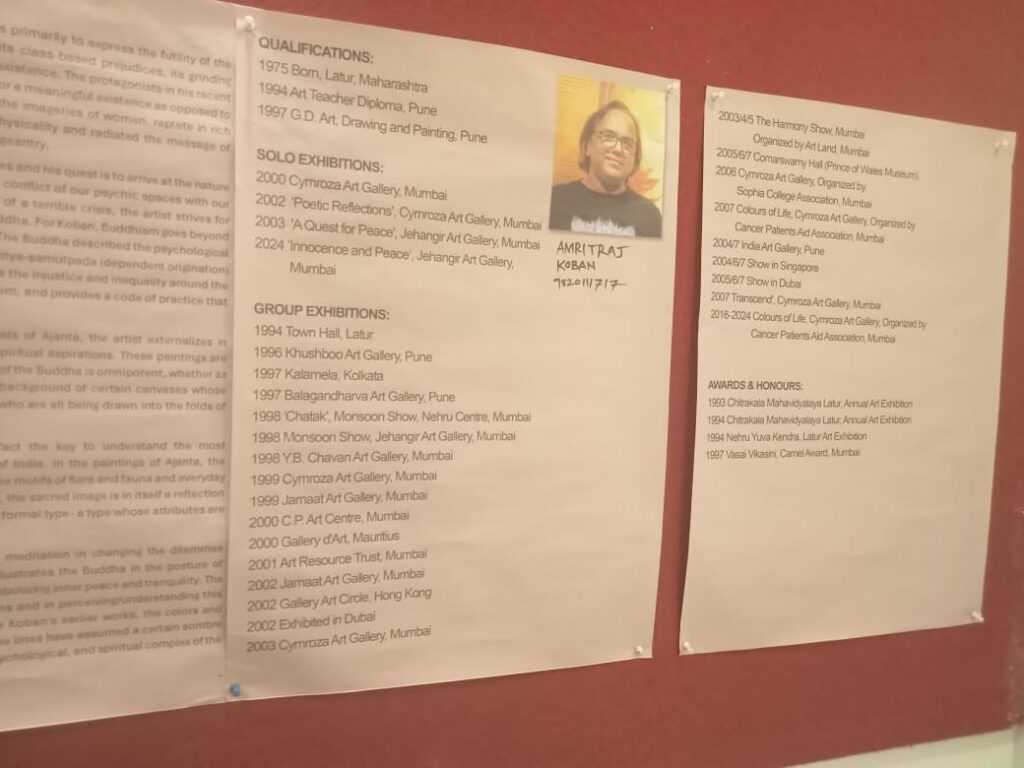
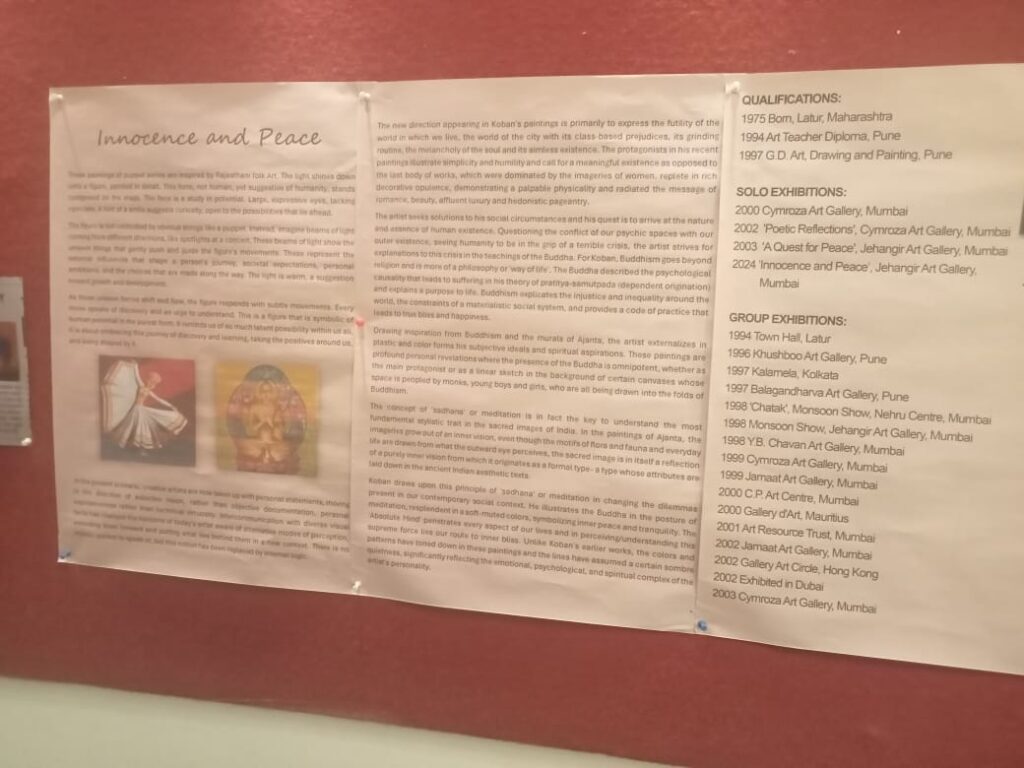
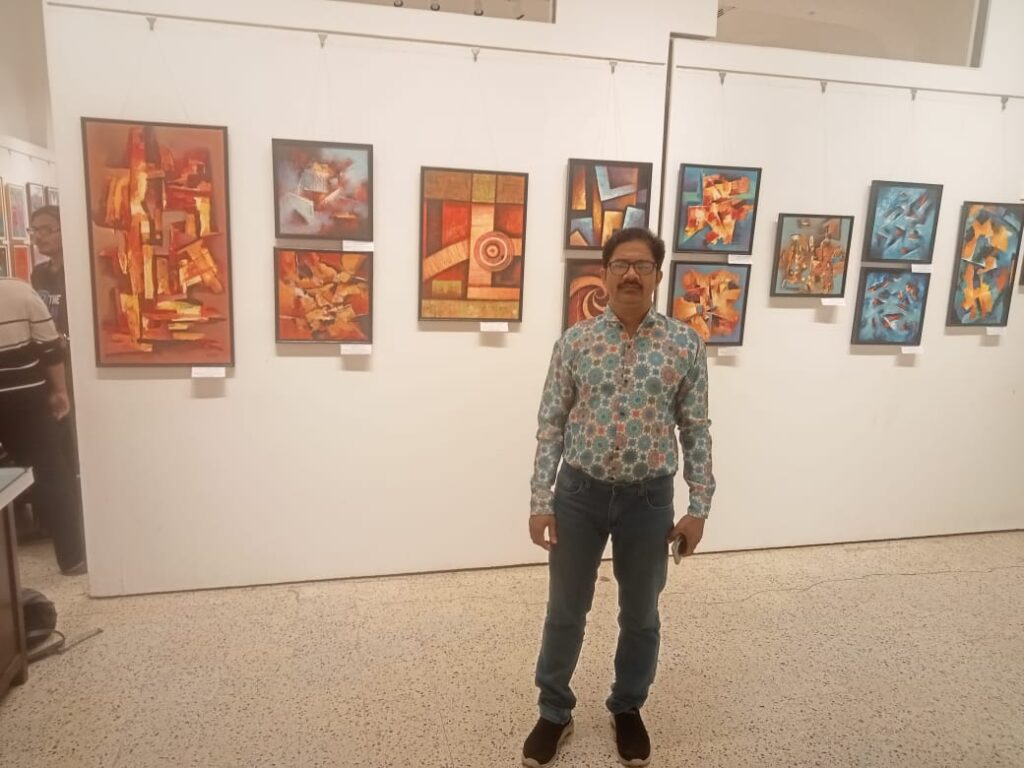
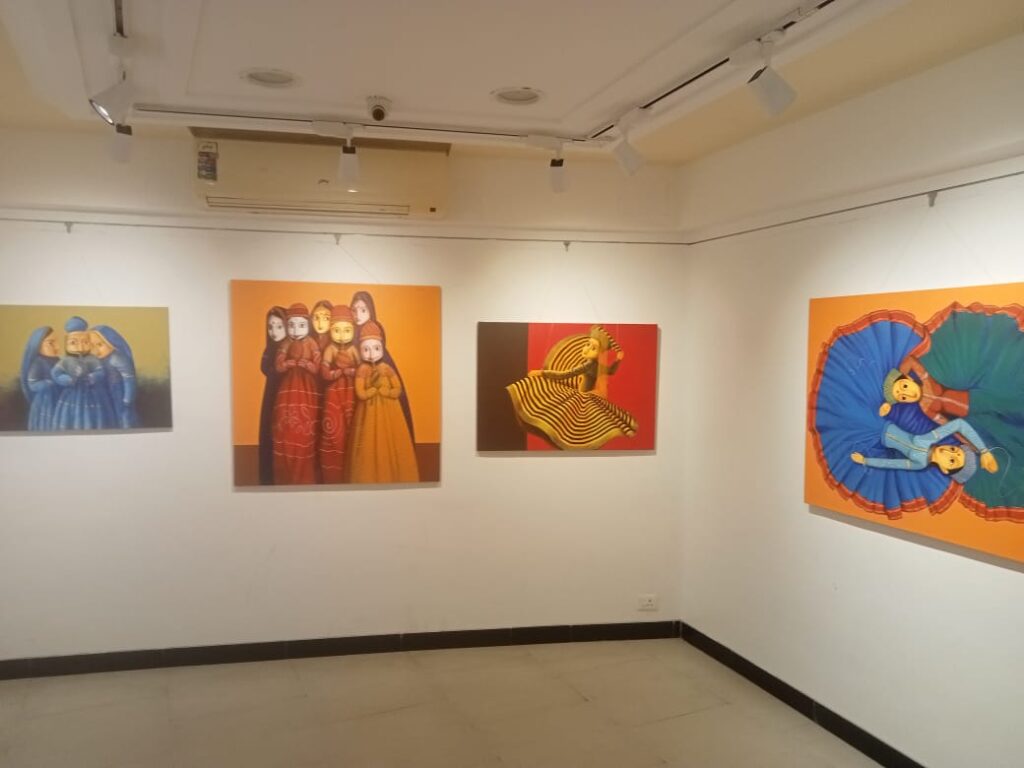
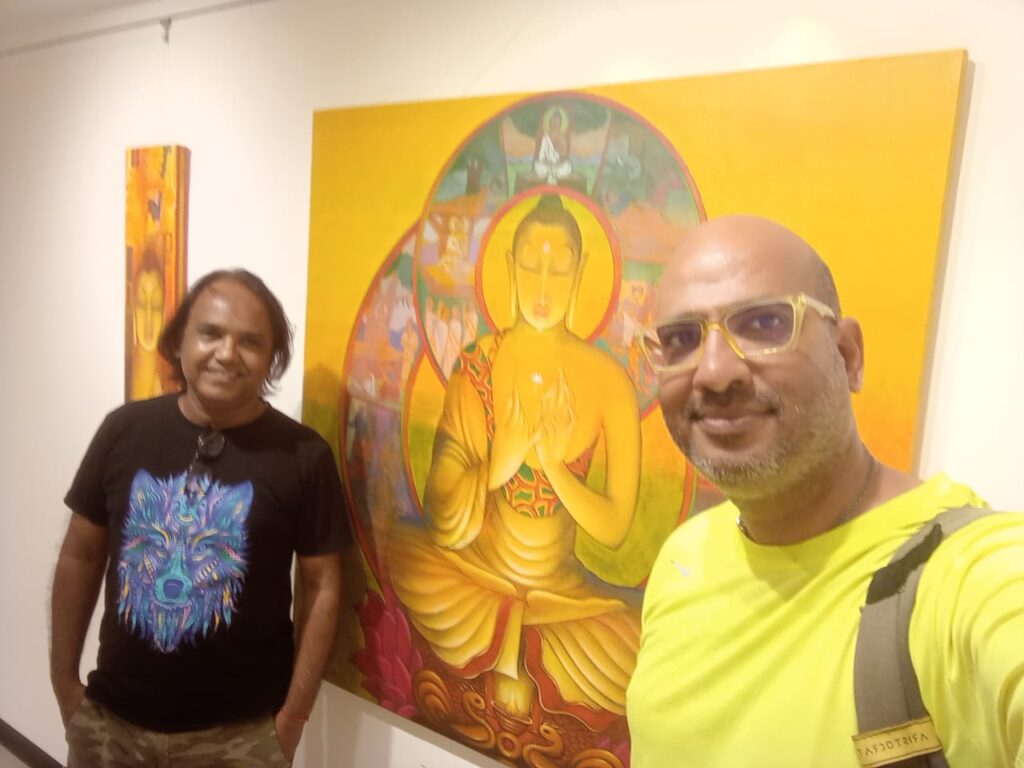
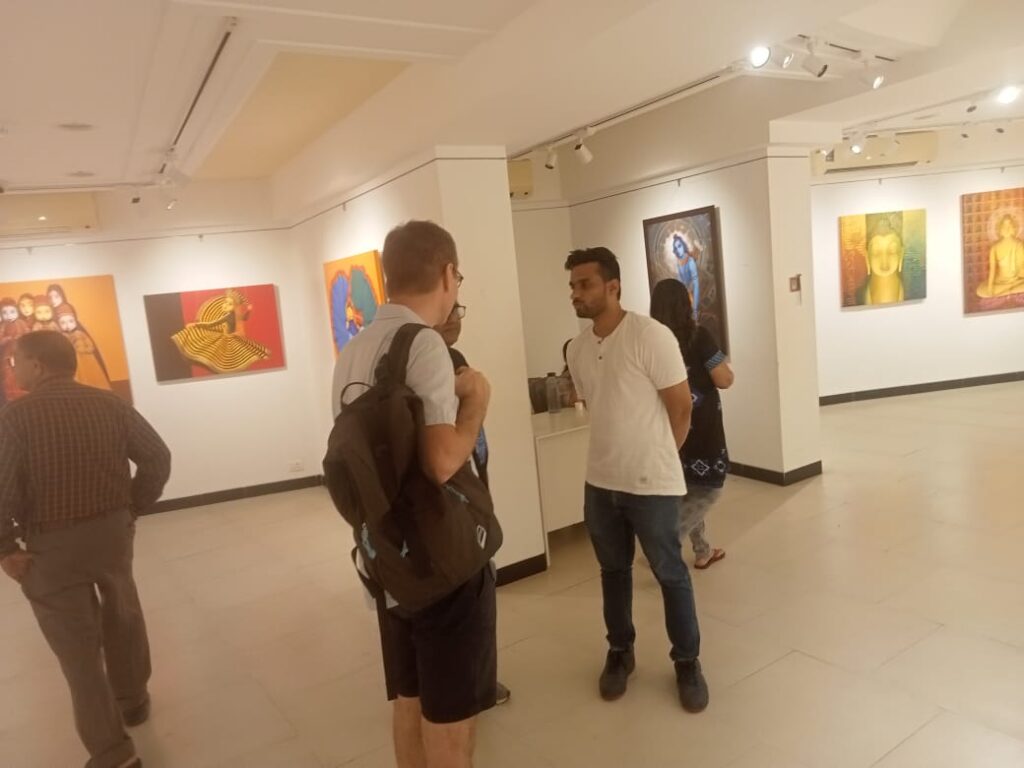
Artist Amritraj, explains his vision as a Buddha in calmness, as Buddha’s Tirthankara and many moments in life of Buddha along with a few Ganesha paintings. He has put his efforts in puppets from Rajasthan and explains how he found a puppet lying distorted and he restored the same and then though of making these lovely paintings to help us recollect when we saw these puppets at circus’s or handloom exhibitions.

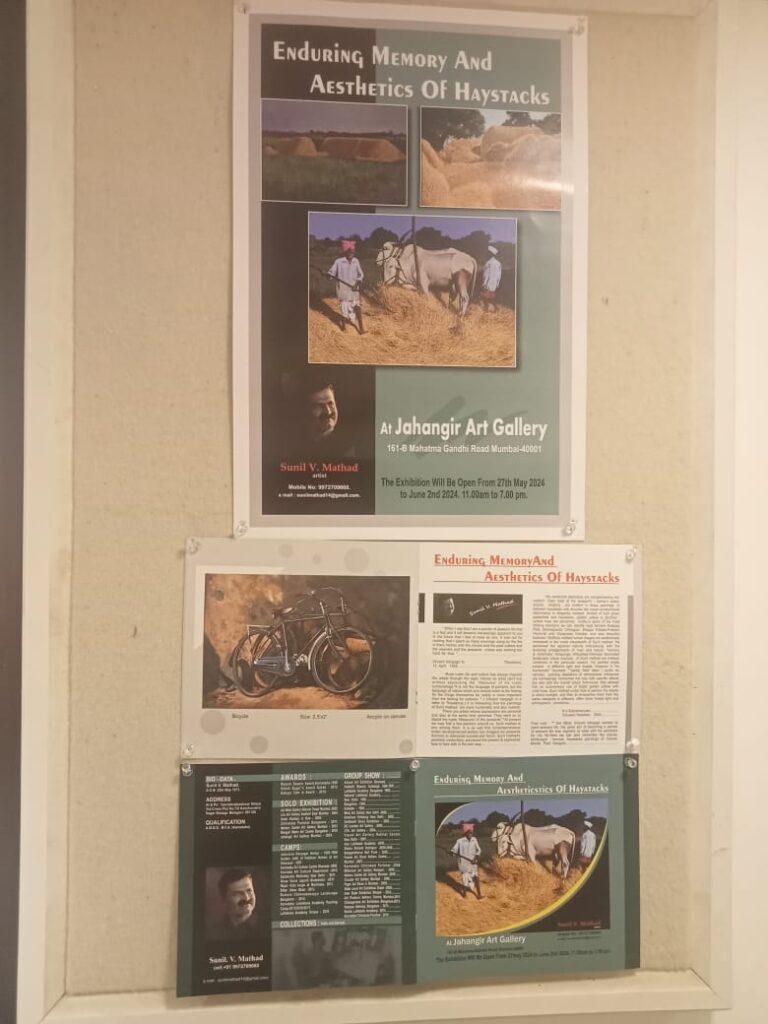
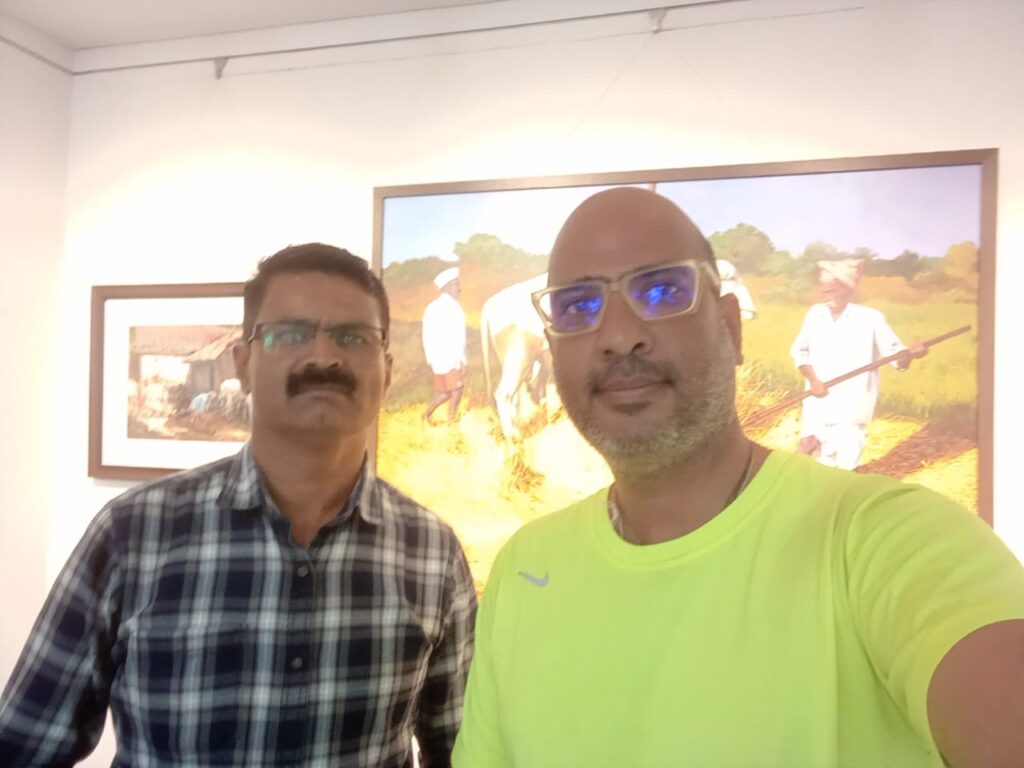
Artist Sunil Manthan explains his life story in a haystacks paintings promoting agriculture and the farmers prospective. Having emotions of his own grandfather as a farmer and will have the zeal to paint realistic haystacks, cows, bicycles and farming landscapes. Artist Sunil has done more then 12 shows all across India and now aims at making haystacks as a signature paintings.

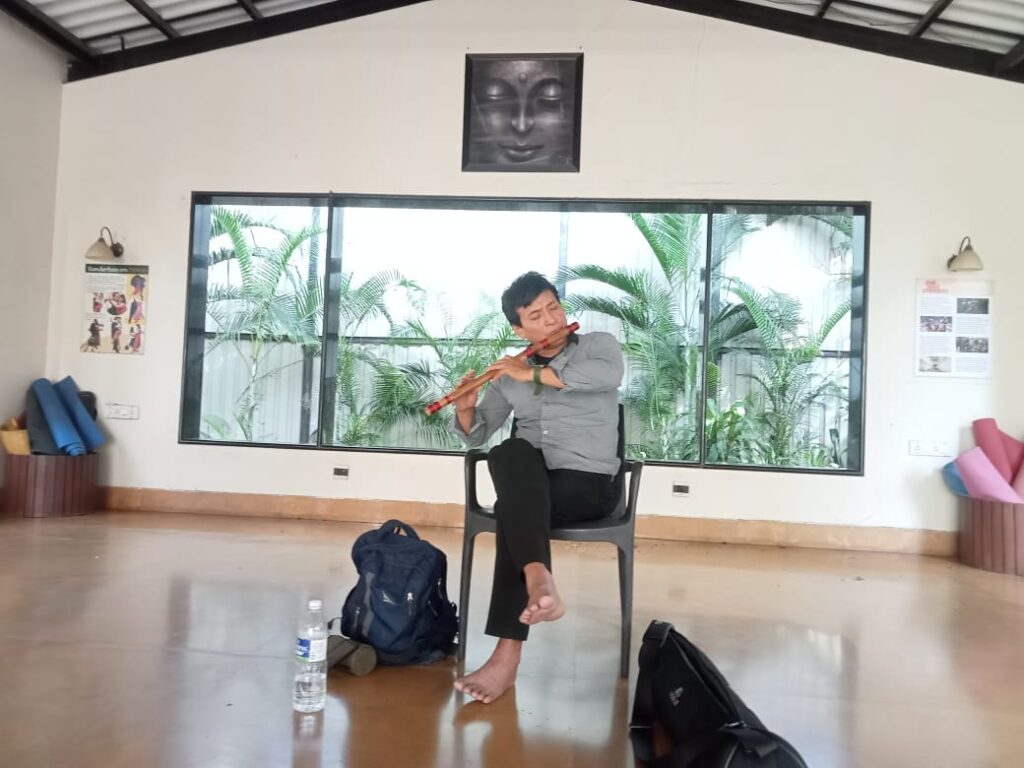
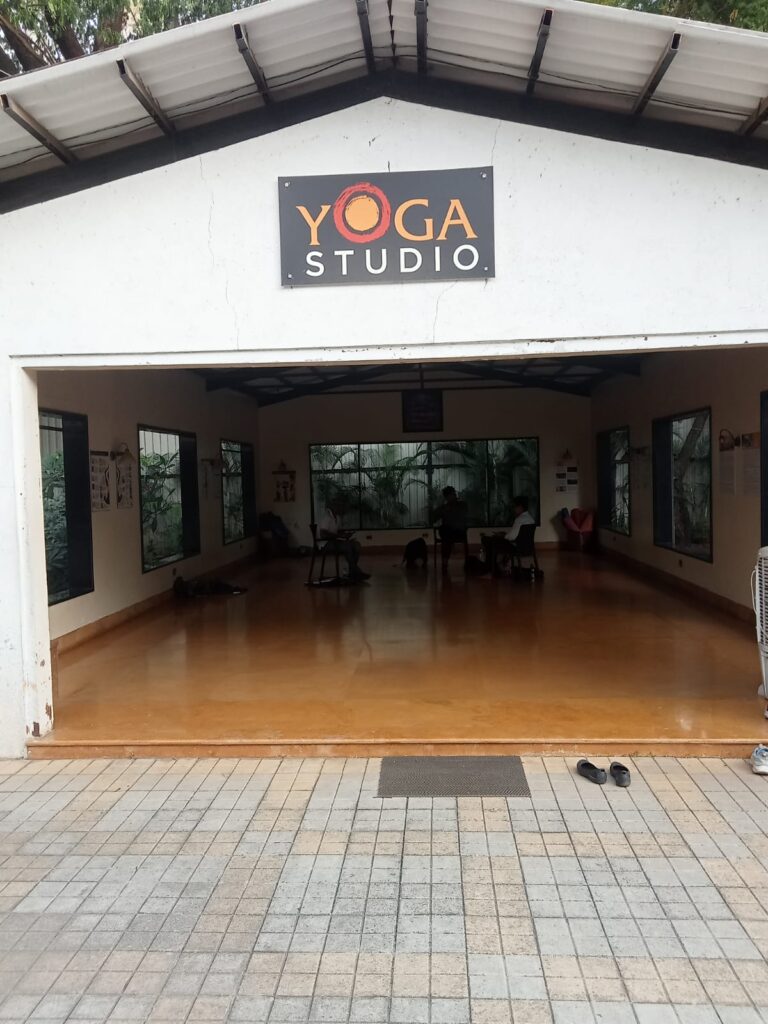
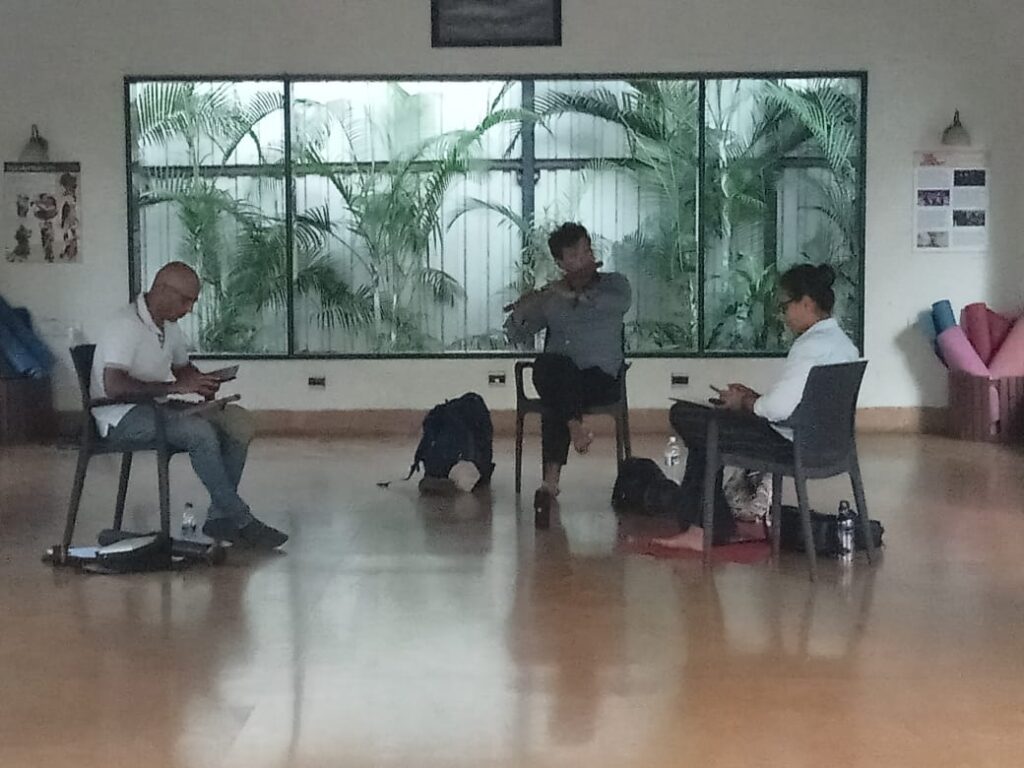
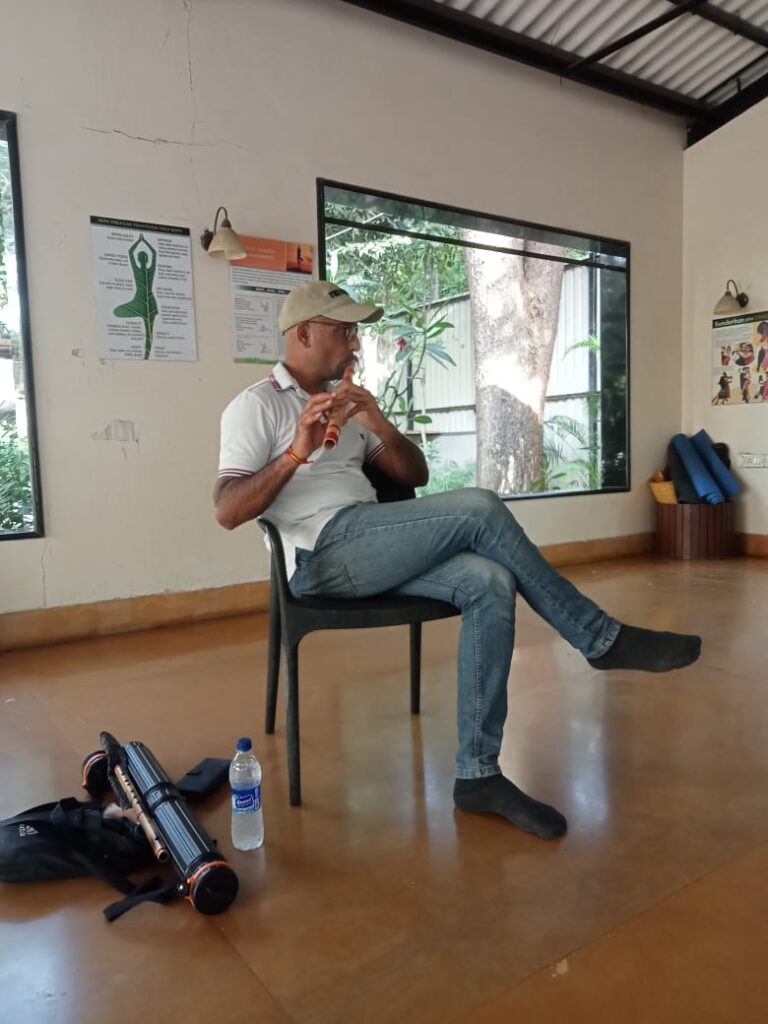
Flute meditations / lessons from RK Bikramjit Singh at the Yoga Studio, Koregaon Park, Pune.

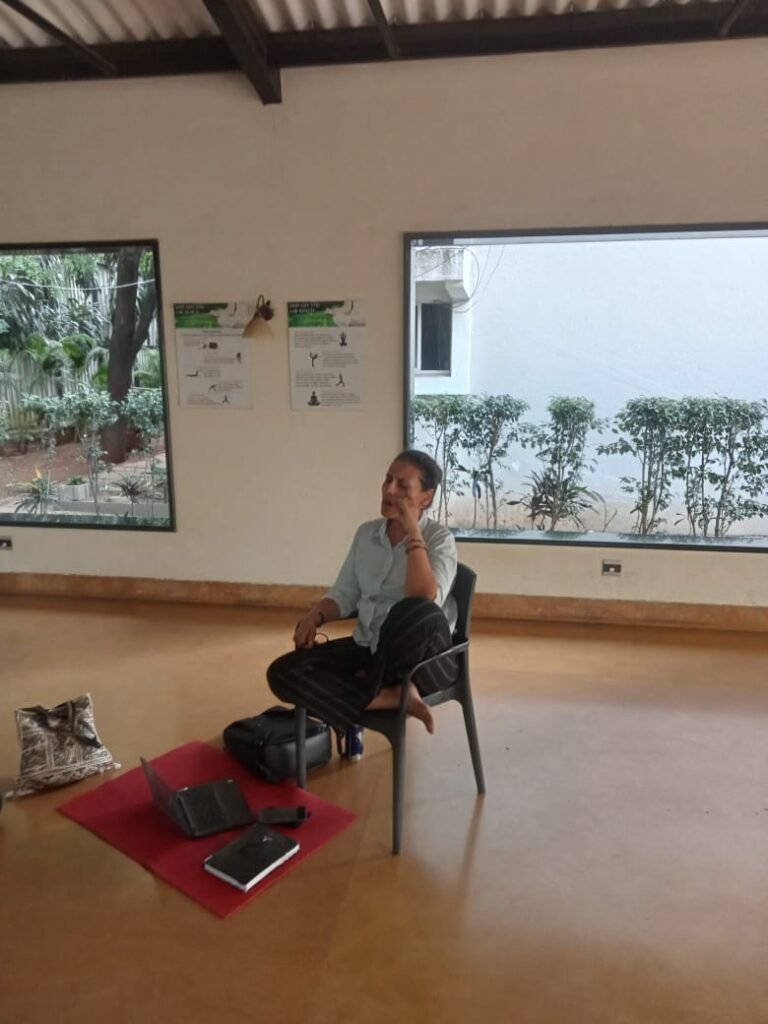
Meeting Mr. Dilip Goradia, a music enthusiasts at Koregaon Park. He is a kind person who has led to his circle of musicians at the Flute Meditation at the Koregaon Park. It is on every Wednesday and Saturday, RK Bikramjit Singh flute master trains and practices with Mr. Dilip Goradia and Arunima.

A long story now unfolds of the star musician RK Bikramjit Singh, he hails for Manipur a land of sports. He was fond of football and played for several years, unfortunately having an injury in this leg which led how to learn music.  He was always fond of tabla and drums but destiny bought him to play the flute. His fame has reached to many of the theatre and film producers. Bikramjit explains how he had a stardom of 15 years and now he is at the yoga studio and has started the flute meditation which helps learn flute.

Mr. Dilip Goradia, a true fan and a pure disciple of Bikramjit, he met him in 2009 at a music concert and all the guests were given a CD and a wooden flute. He listened to those CD’s for many years until he finally met Bikramjit again and started to learn the flute. He has now joined the flute meditation and is also playing the flute along Bikramjit. This is a miracle and makes us believe in our goals.

Arunima is a vocalist from west Bengal, she has a great voice and is living the dream of being a musician at the flute meditations.  Bikramjit also has a degree in environment research and studies from Savitri Bai Phule University.

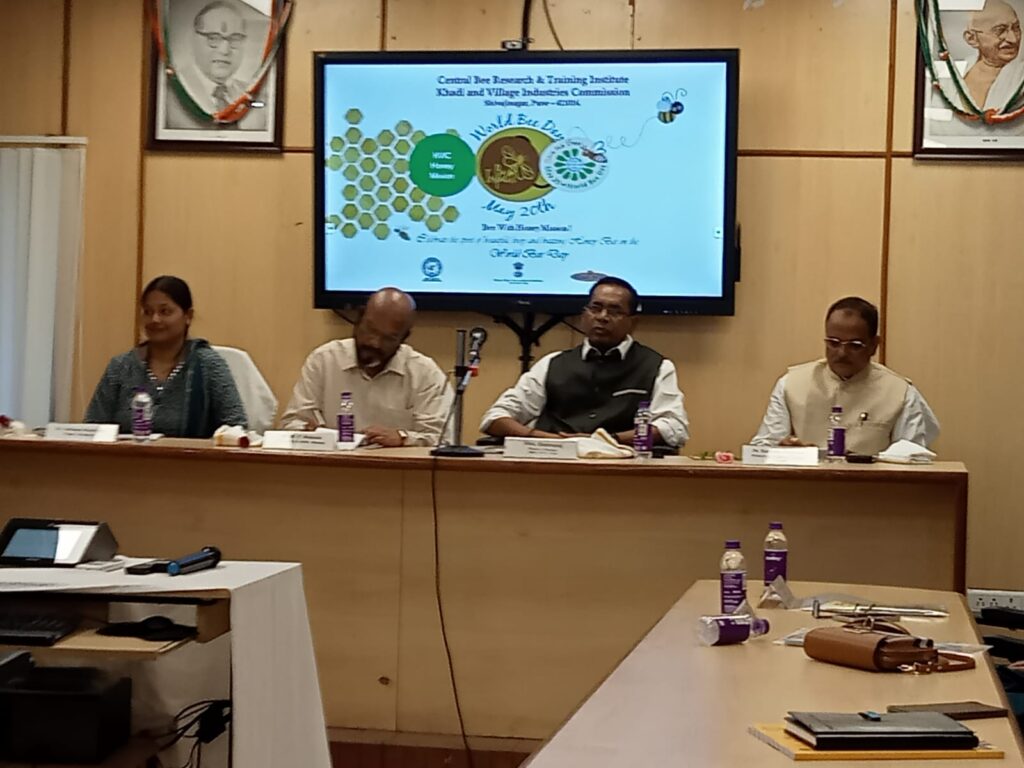
World Bee Day, sees an architectural interest, new pets are stingless bees.

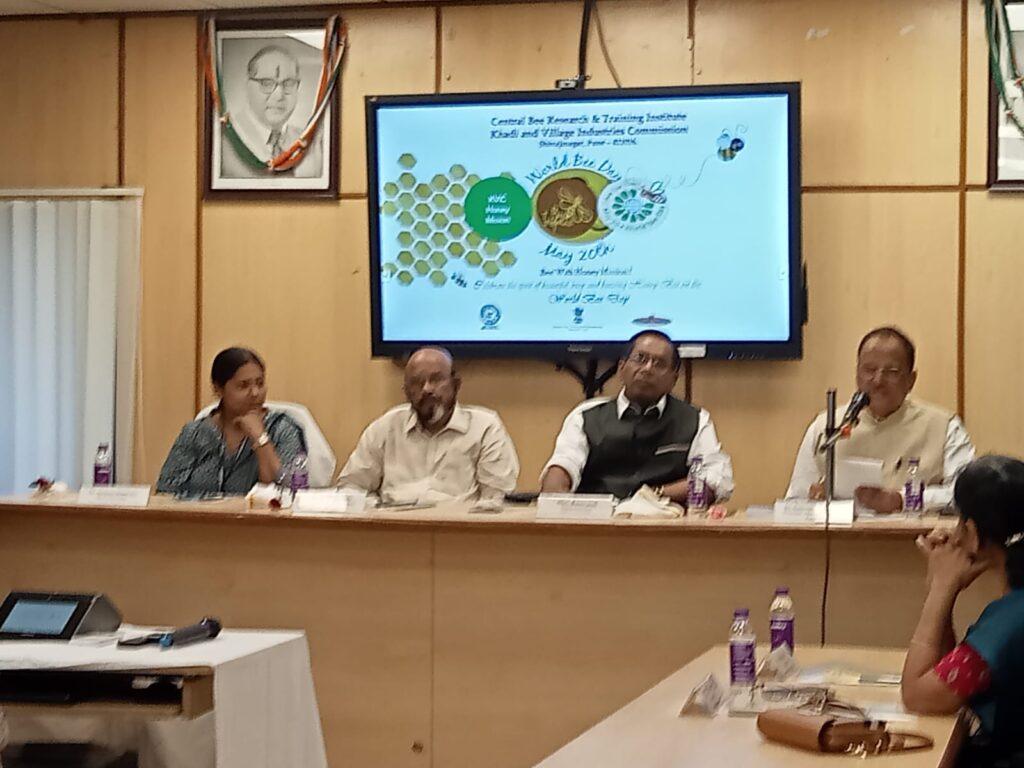
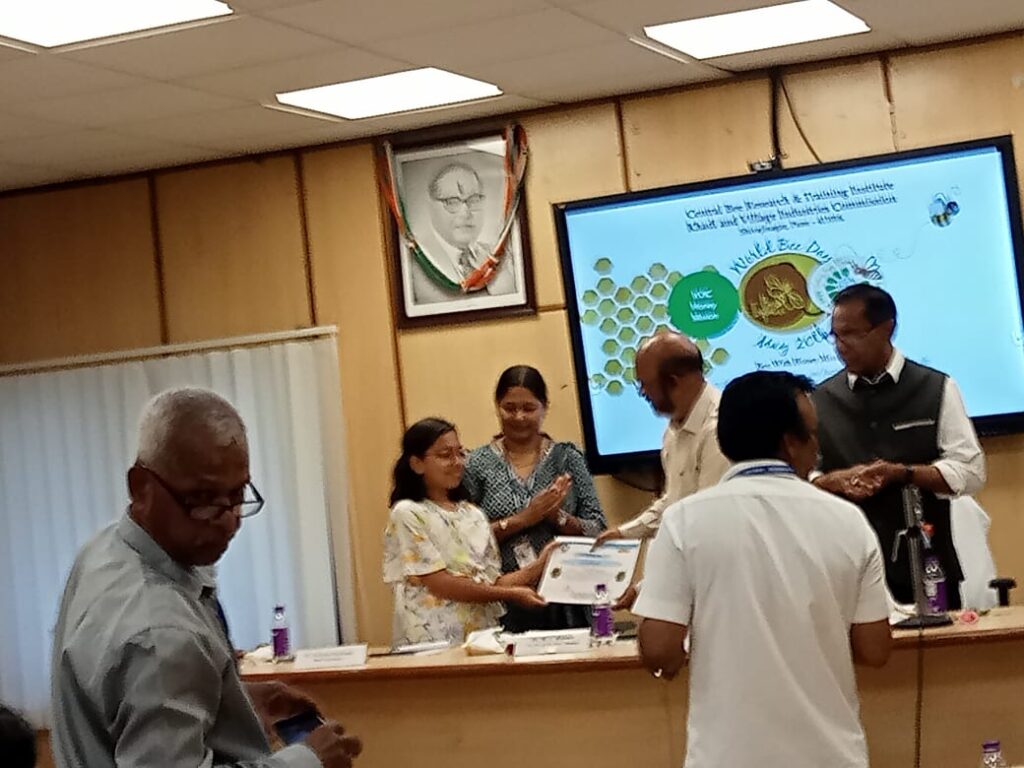
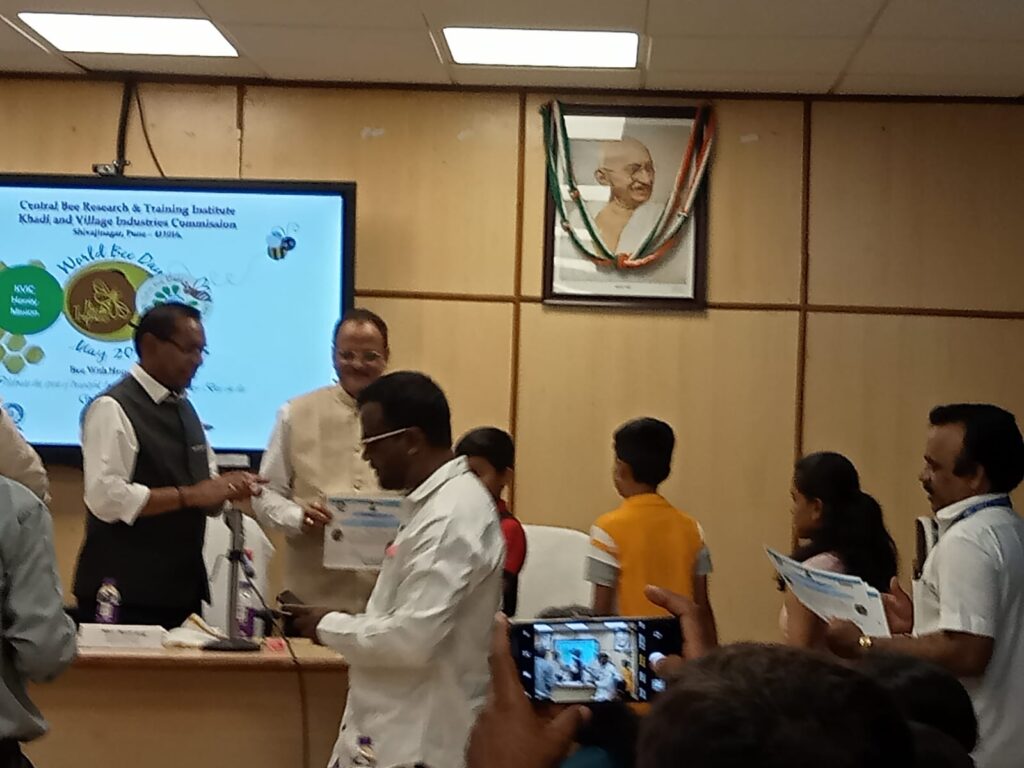
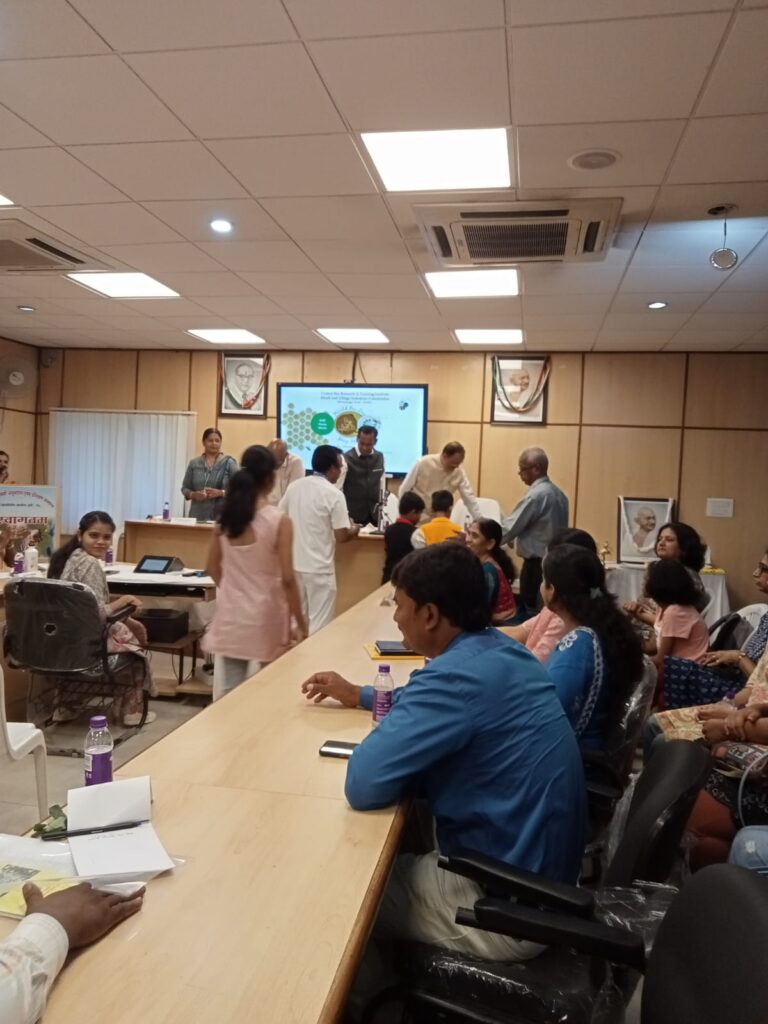
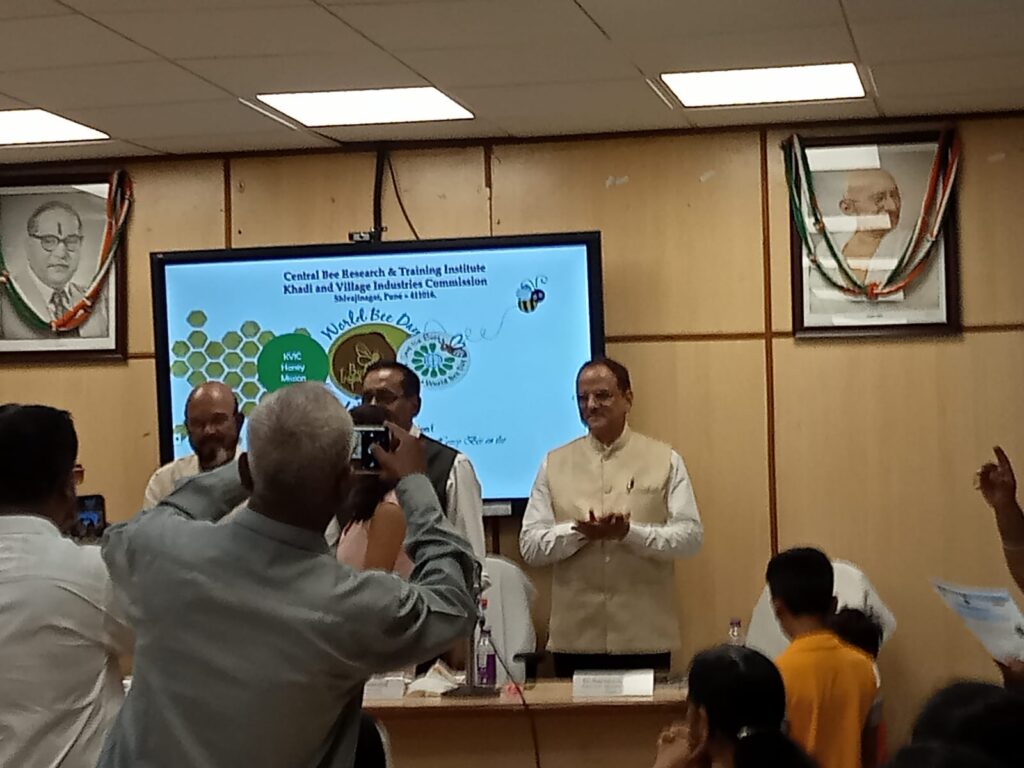
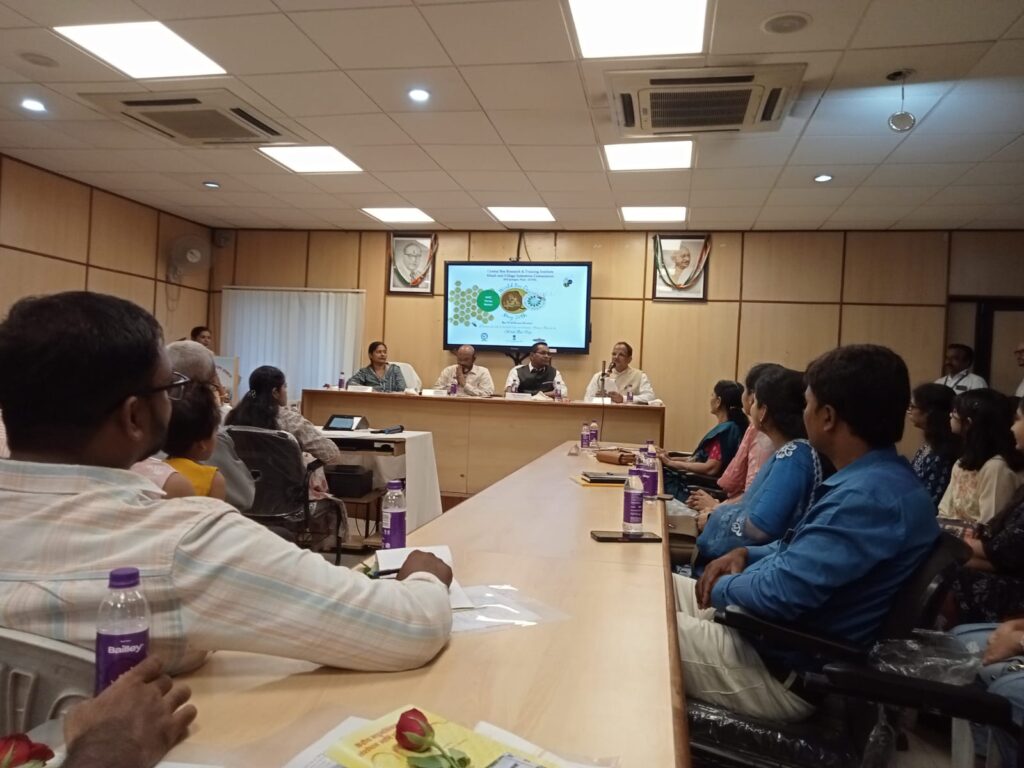
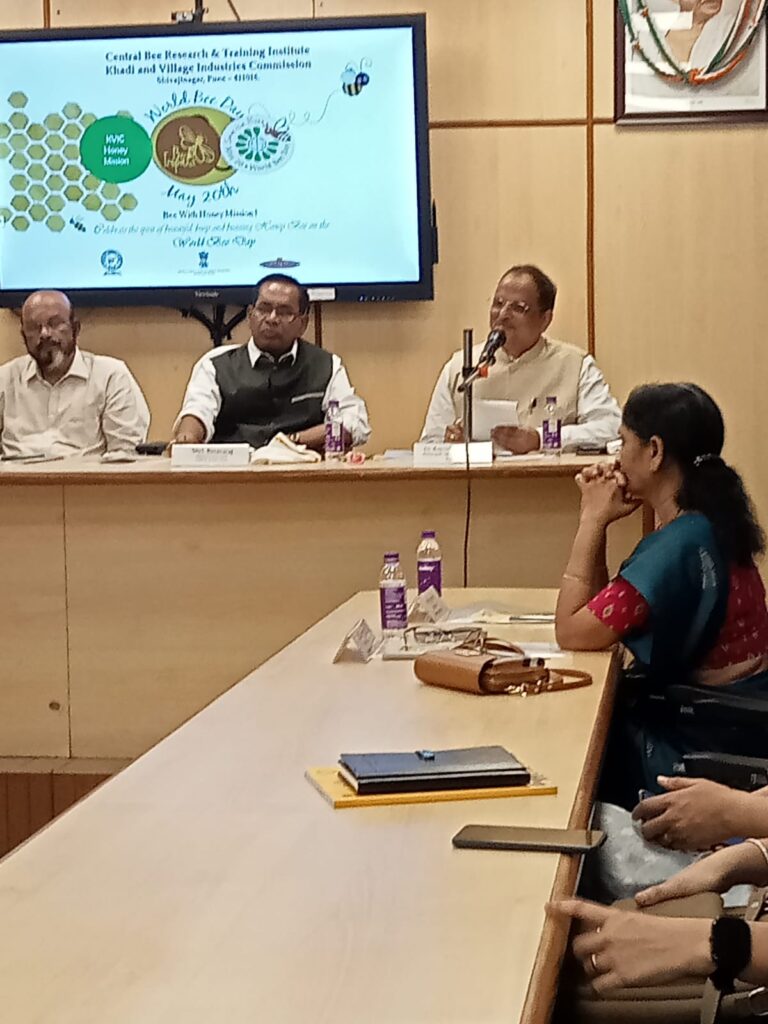
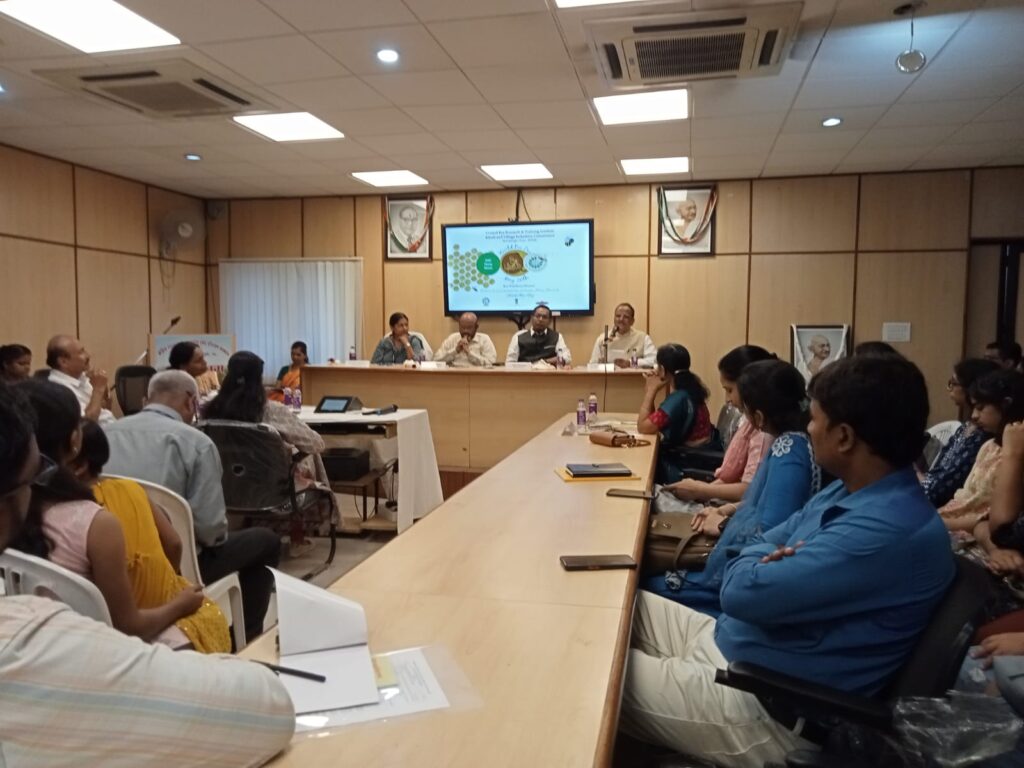
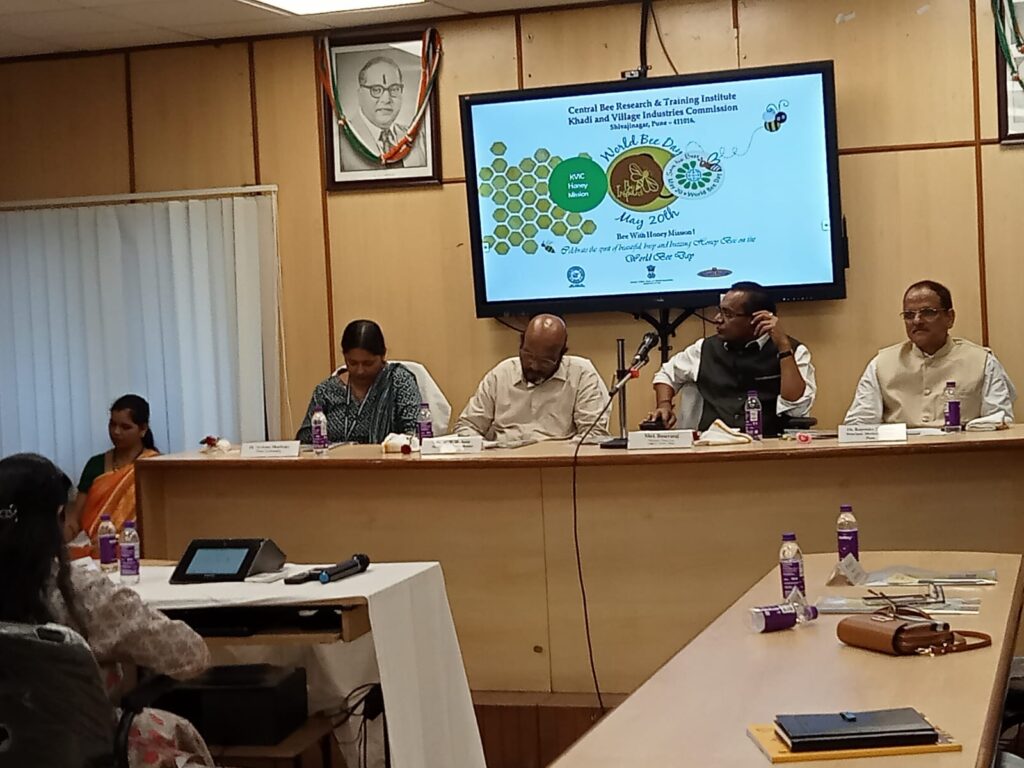
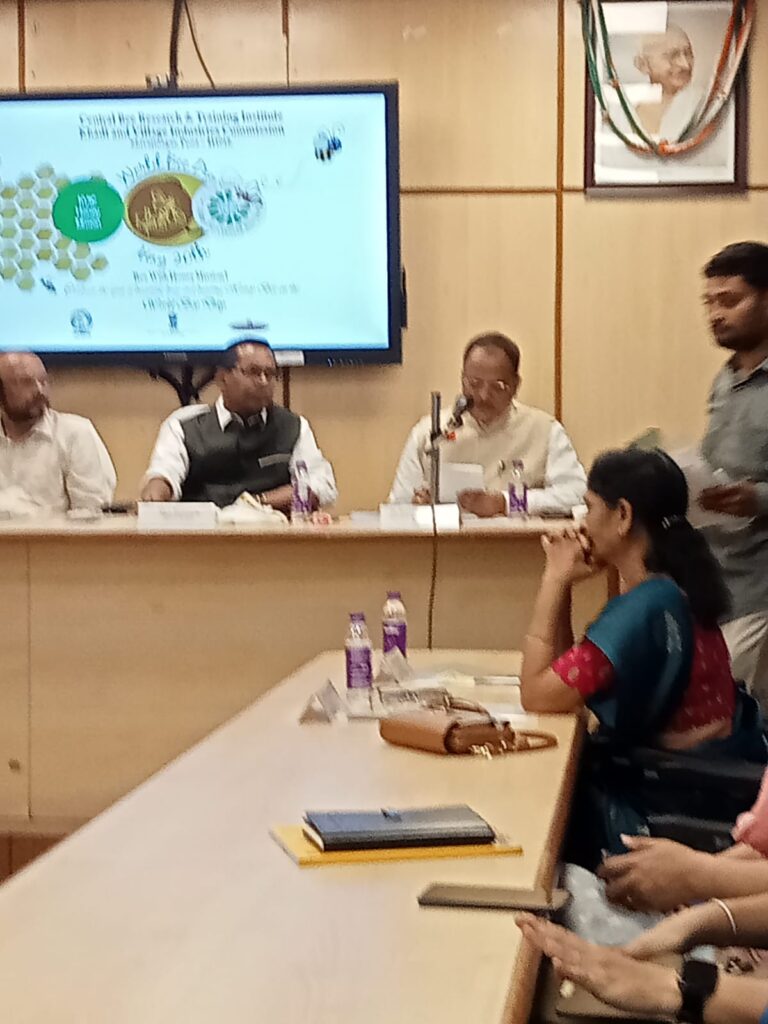
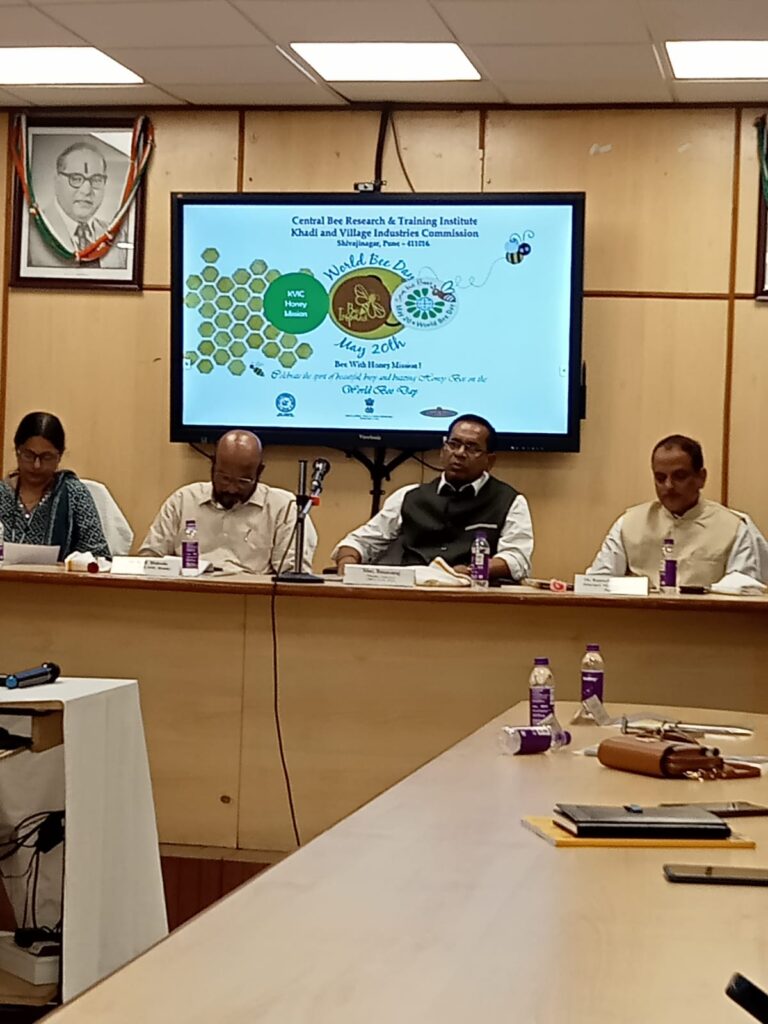
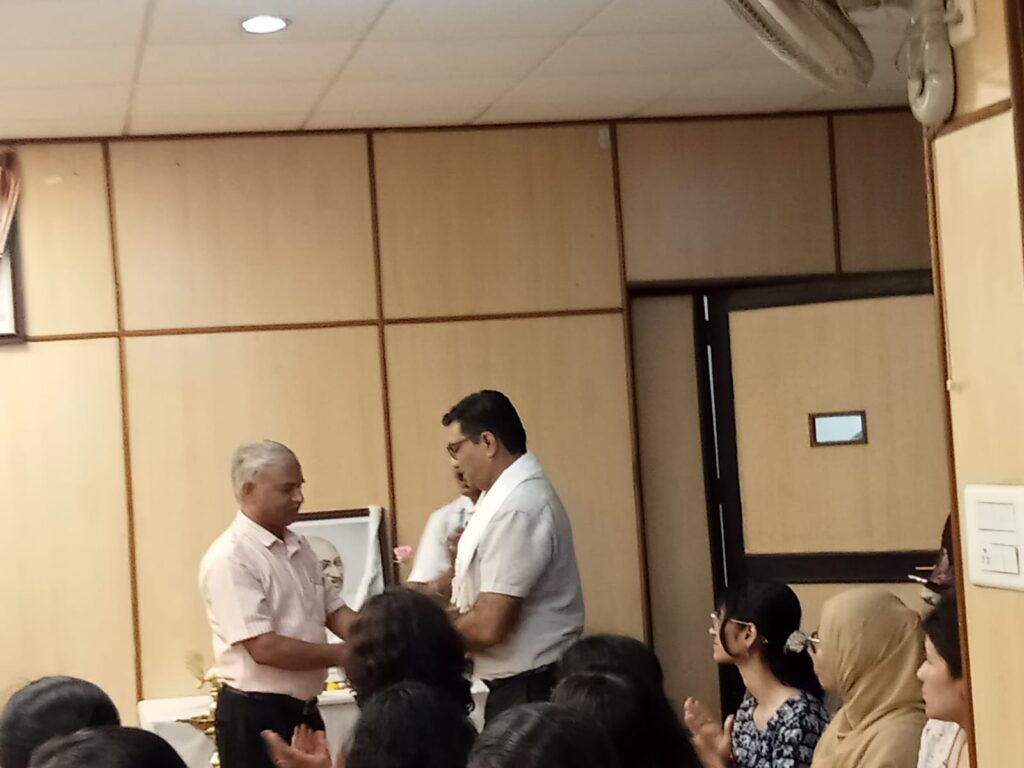
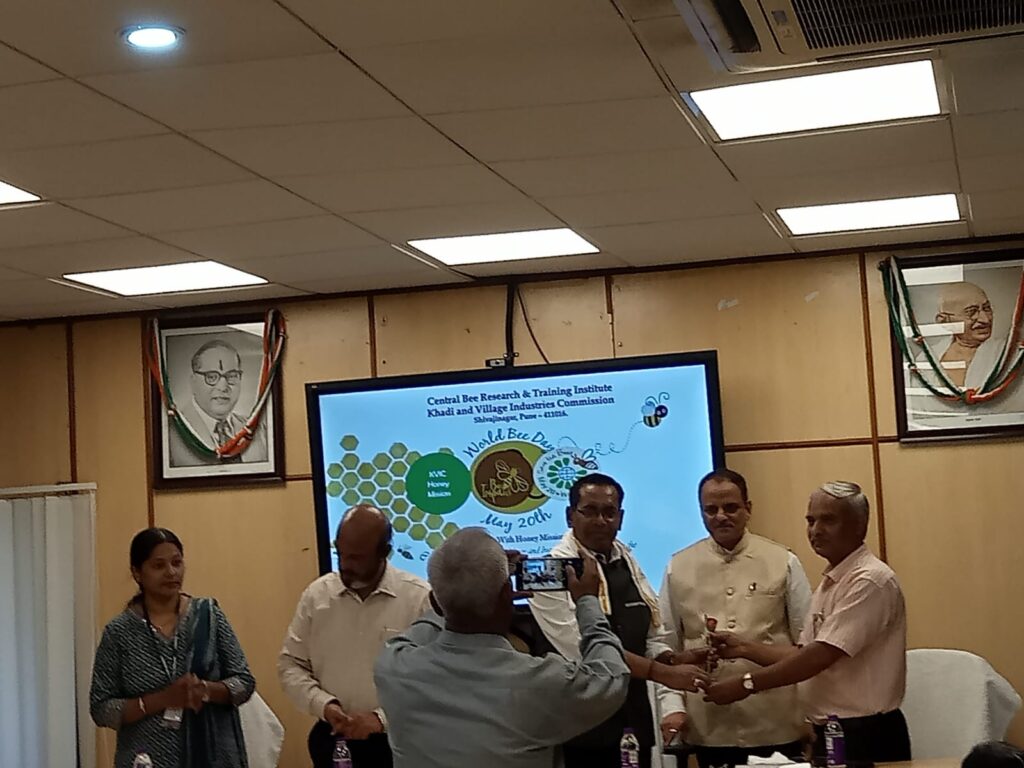
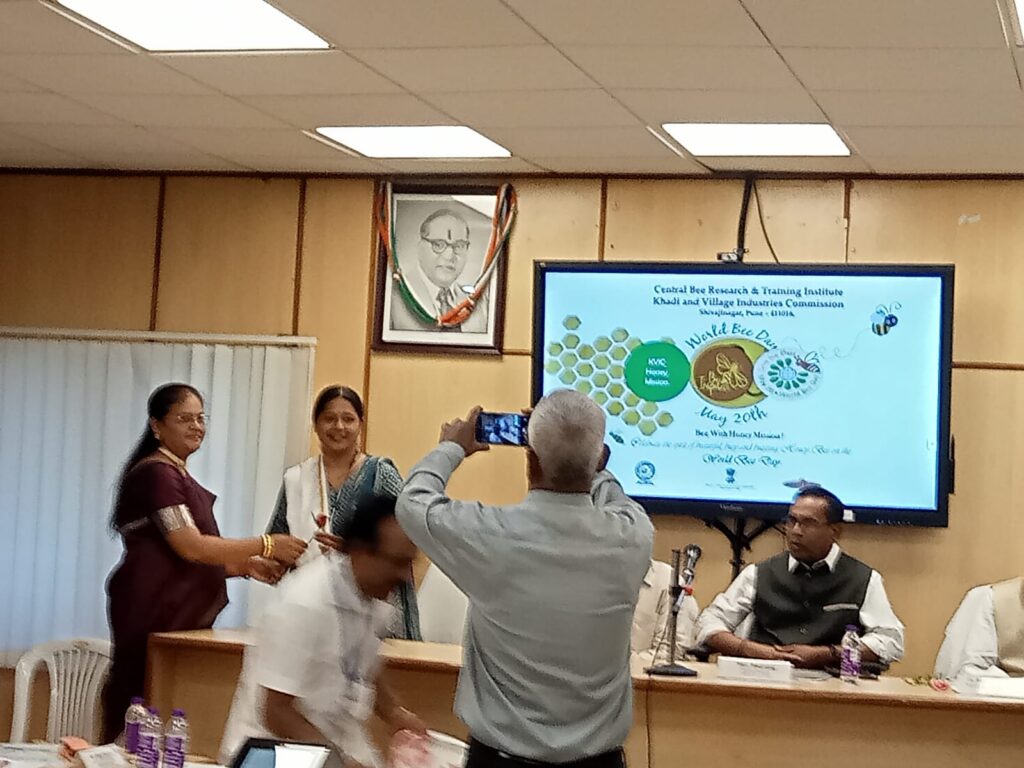
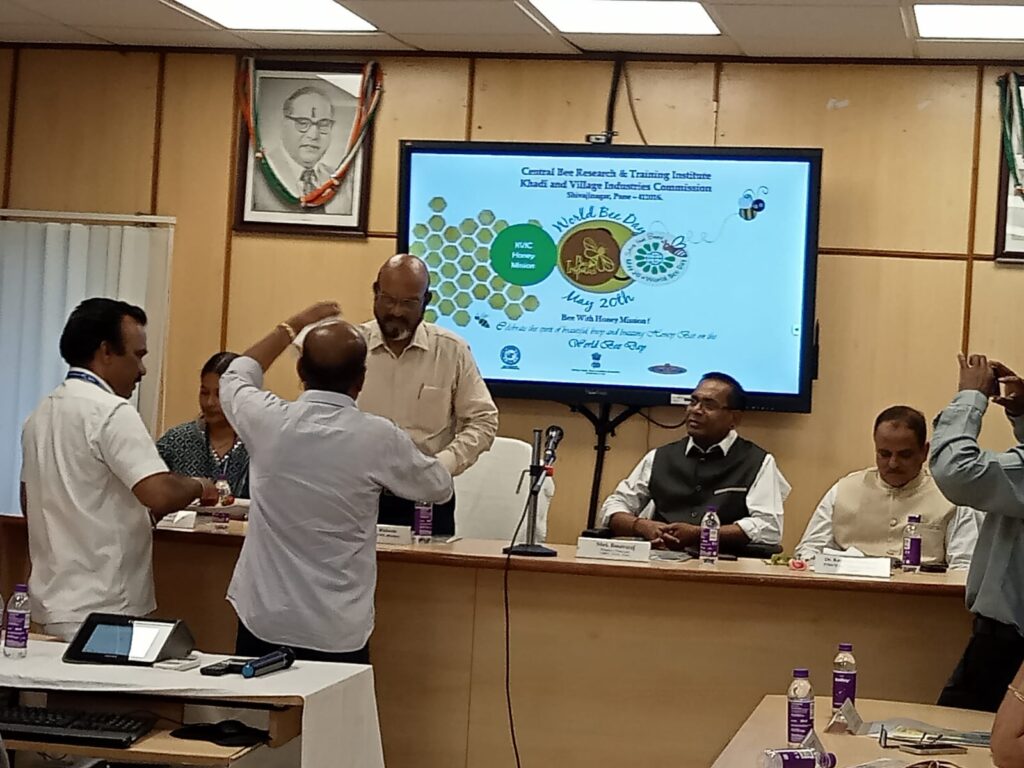
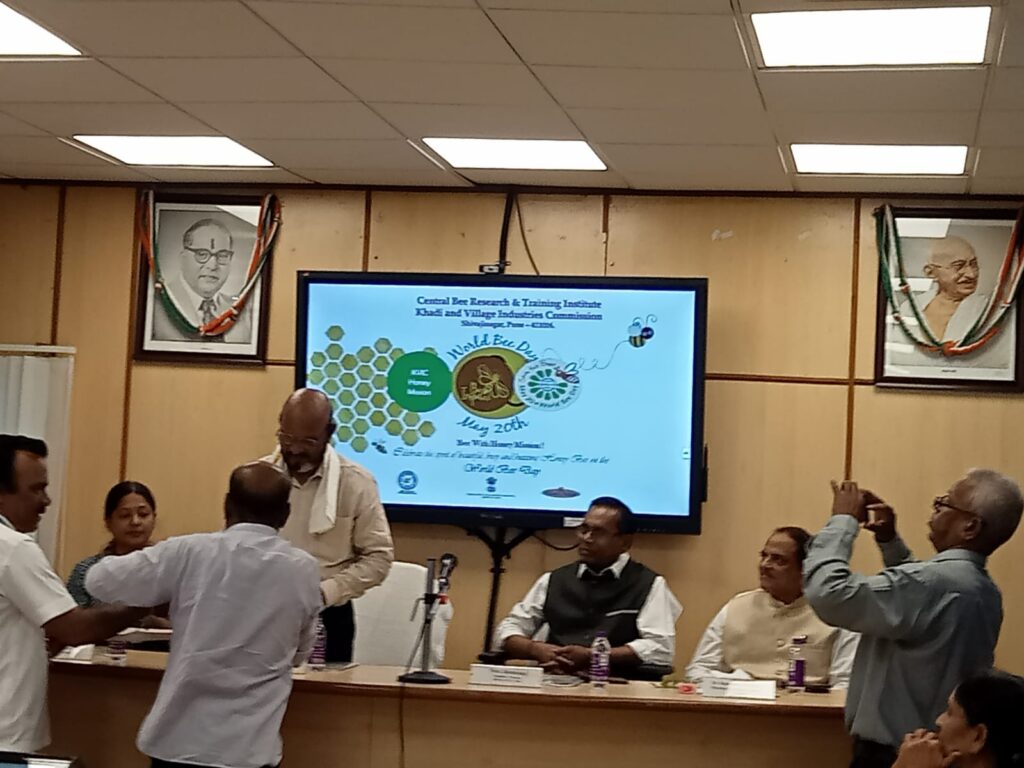
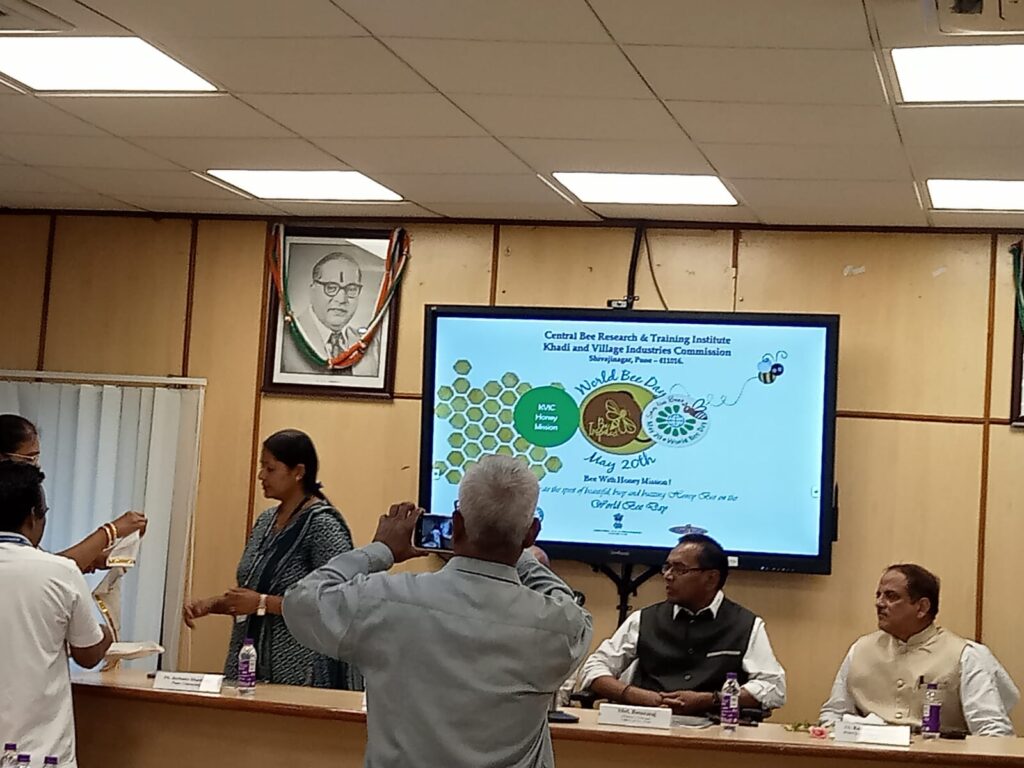
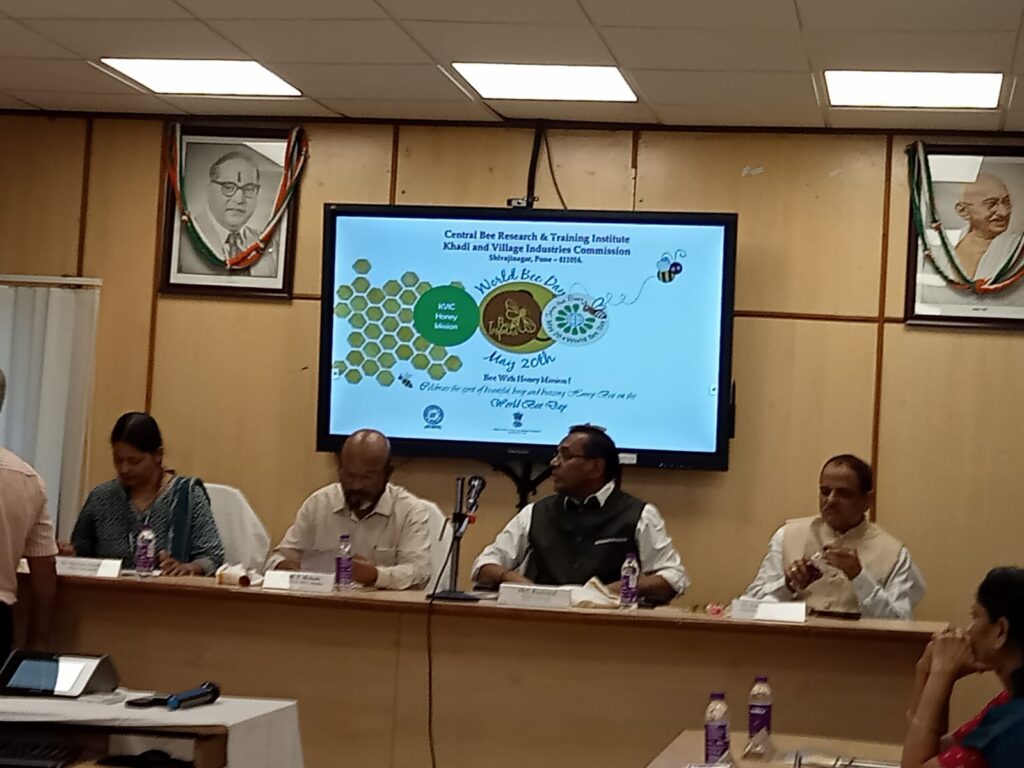
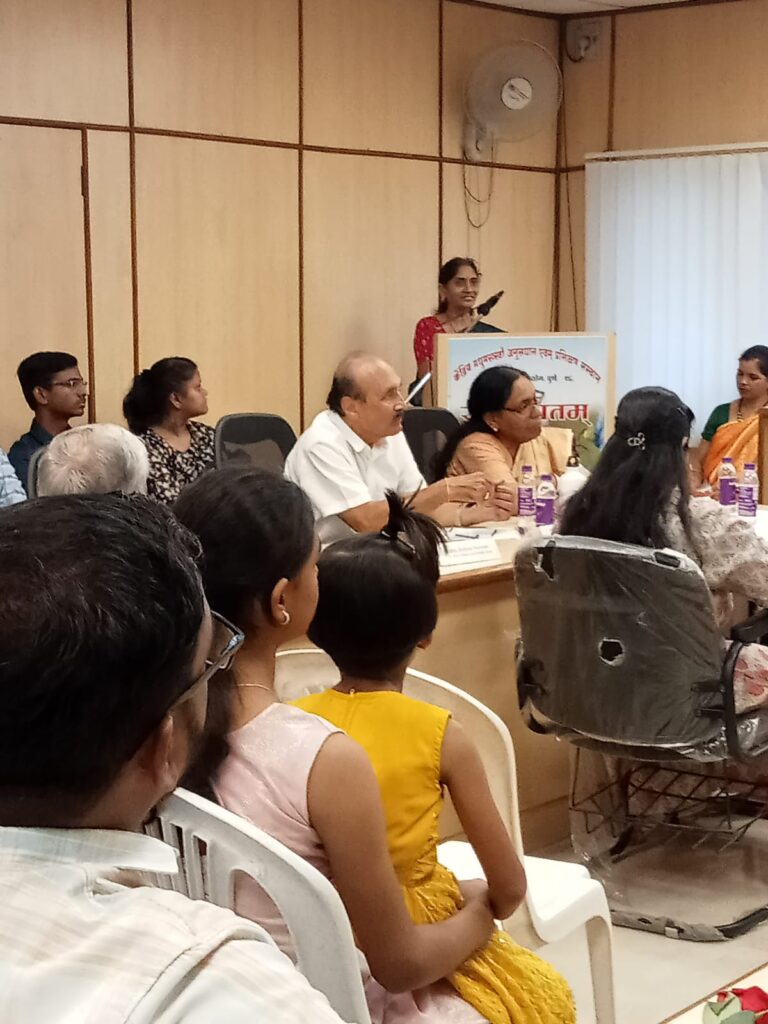
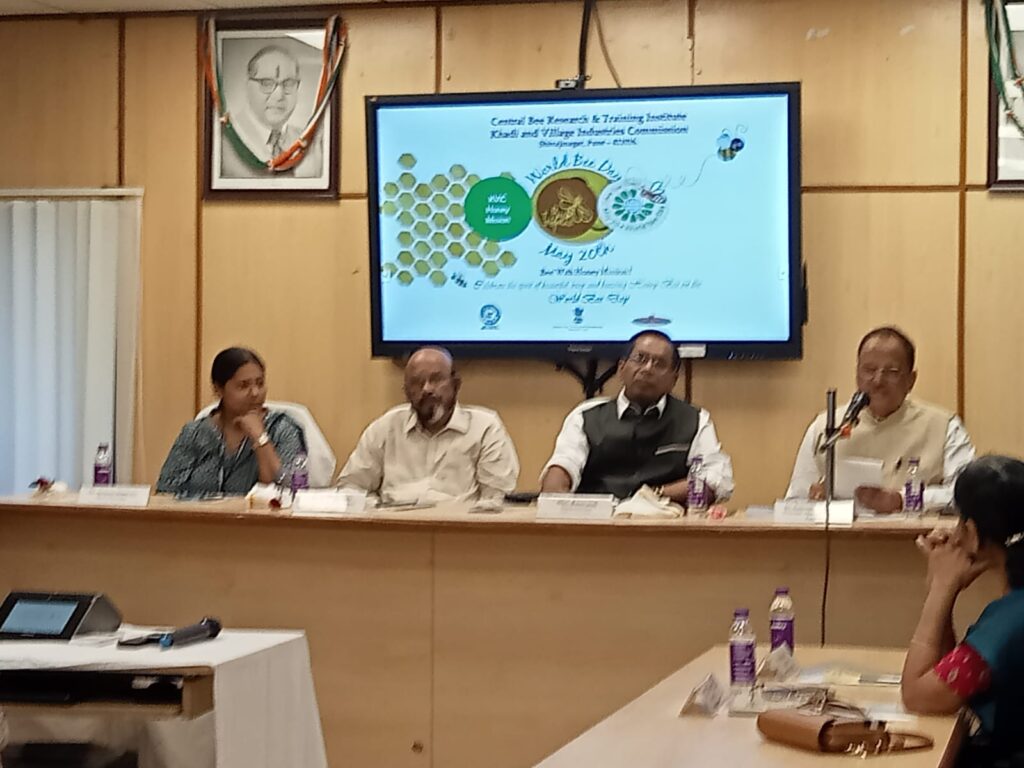
The world has seen a new horizon on this world honey bee day. I am here at the Central Bee Research Institute at Pune. The day has begun with registrations and everyone has been handed a rose, schedule, notepad, gunmcha (handkerchief), and a pen. All have gathered at the conference hall of the Central Bee Institute; the Gandhi photo has been flowered and lite.

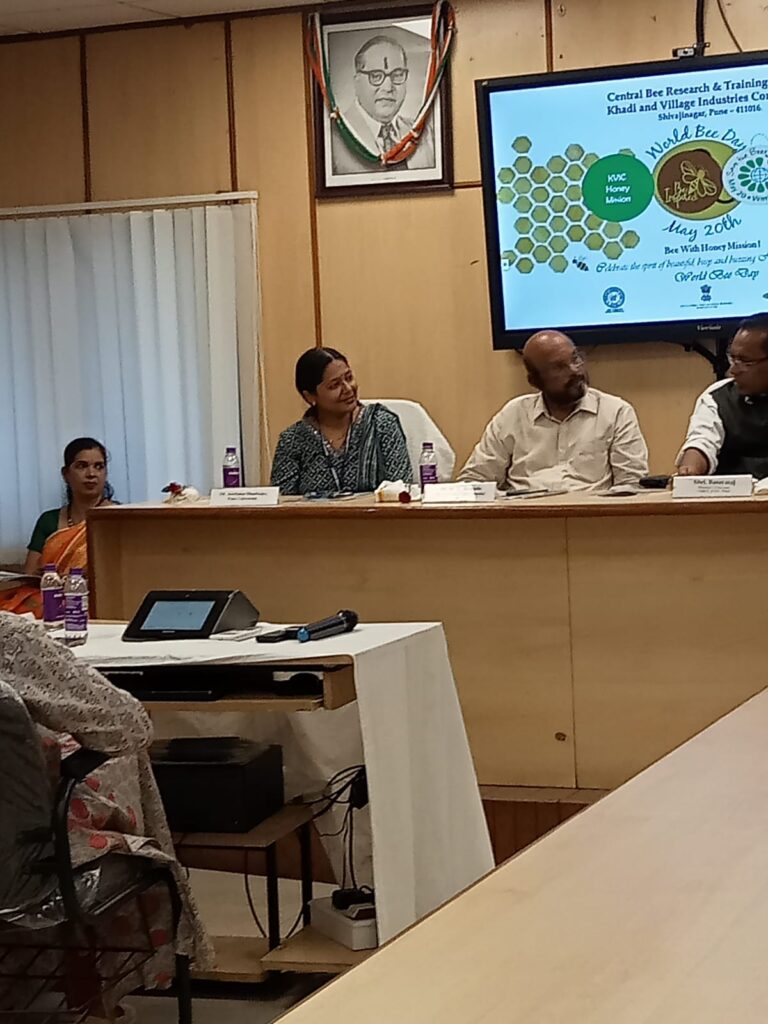
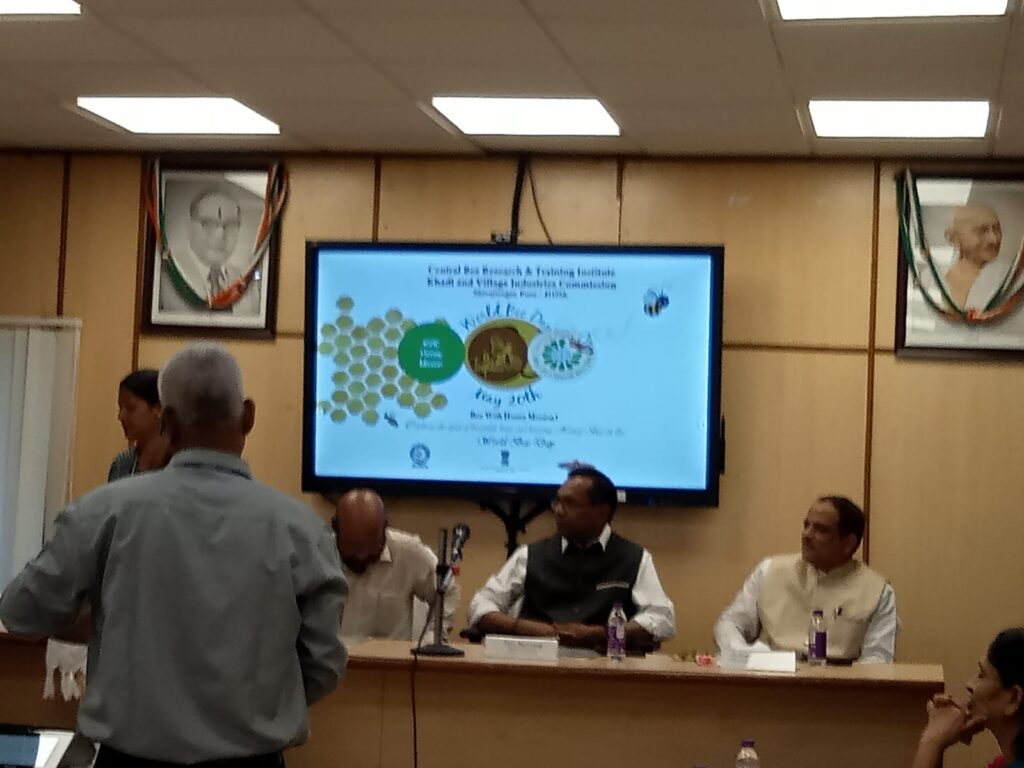
The program has been enlightened with an introduction of our esteemed guests who are Principal Modern College of Commerce, Arts and Science, Shri Dr. Sanjay Kharat, Director CBRTI, Shri Basavaraj, Pune University, Shri Archana Sharbidre.

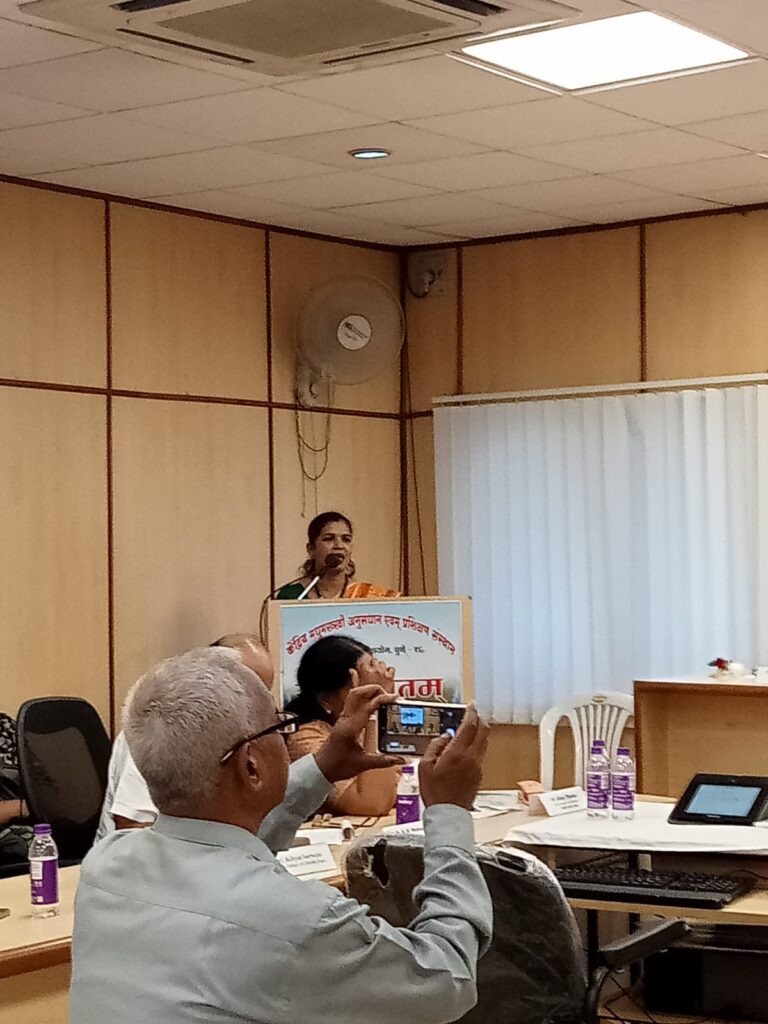
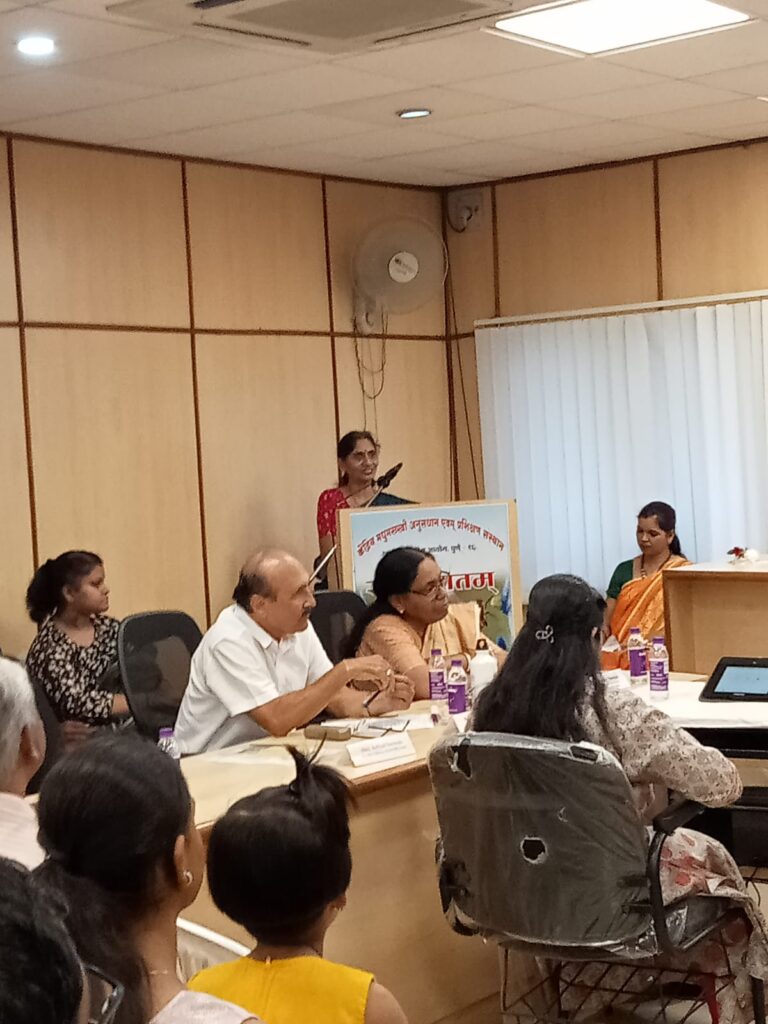
The day began with a note on Bee Keepers and why this day has been celebrated by Dr. Laxmi Rao. She gave a synopsis of the why UN has given a special day for bee keeping to bring awareness among the globe on the birthday of Shri Anton Jonsa a bee keeper who had setup bee apiary and apiculture at Slovakia. Then making a point of making an awareness of how one can keep bees safe without cultivating or keeping bees, is by planting the trees, using bee friendly pesticides, buy honey and keep environment clean. She also clears up our minds for modern urban planners and rural developers to have bees as pets just like the other pets (stingless bees), Apis Trigona is such species which is stingless and has a supreme quality of honey.

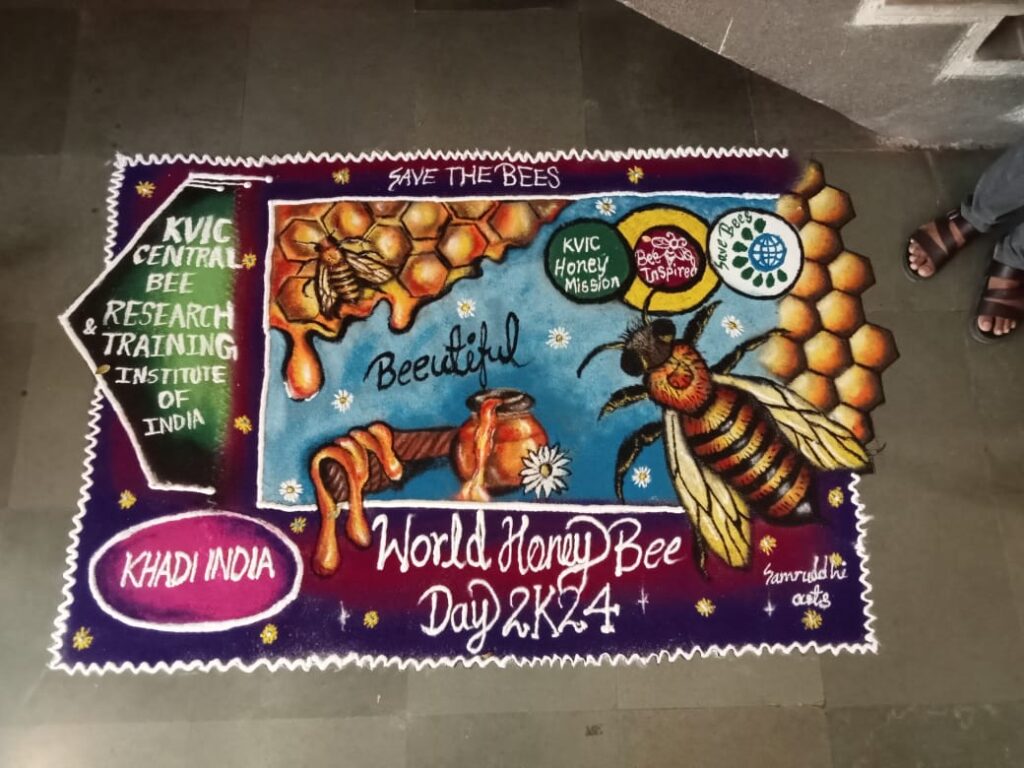
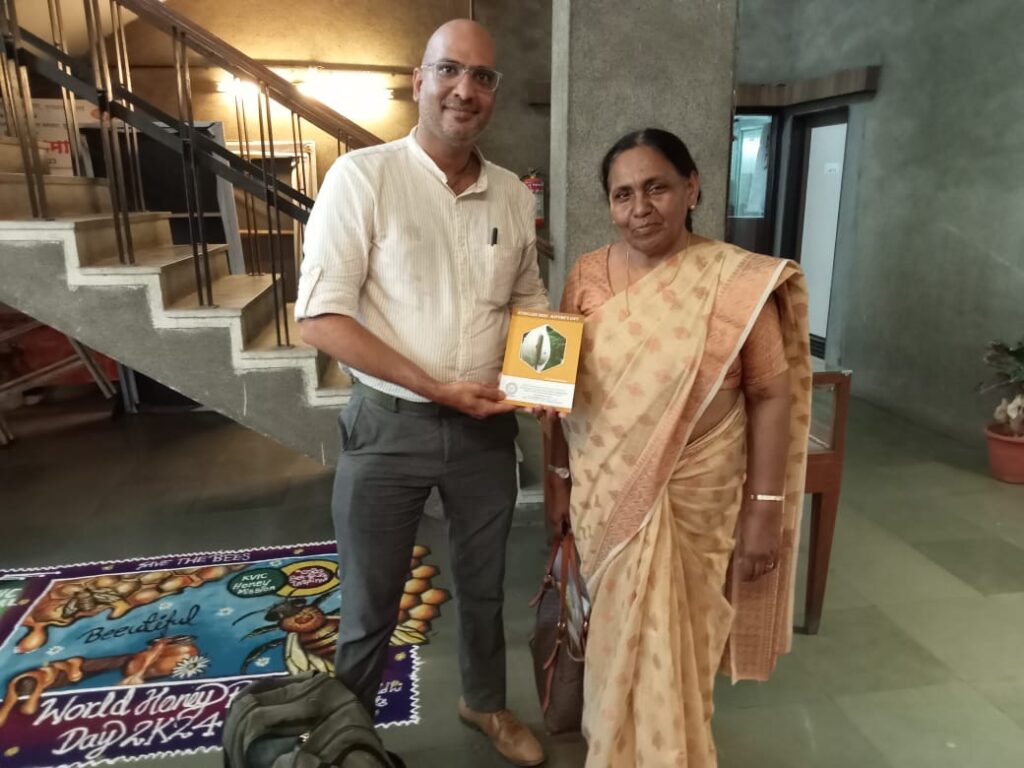
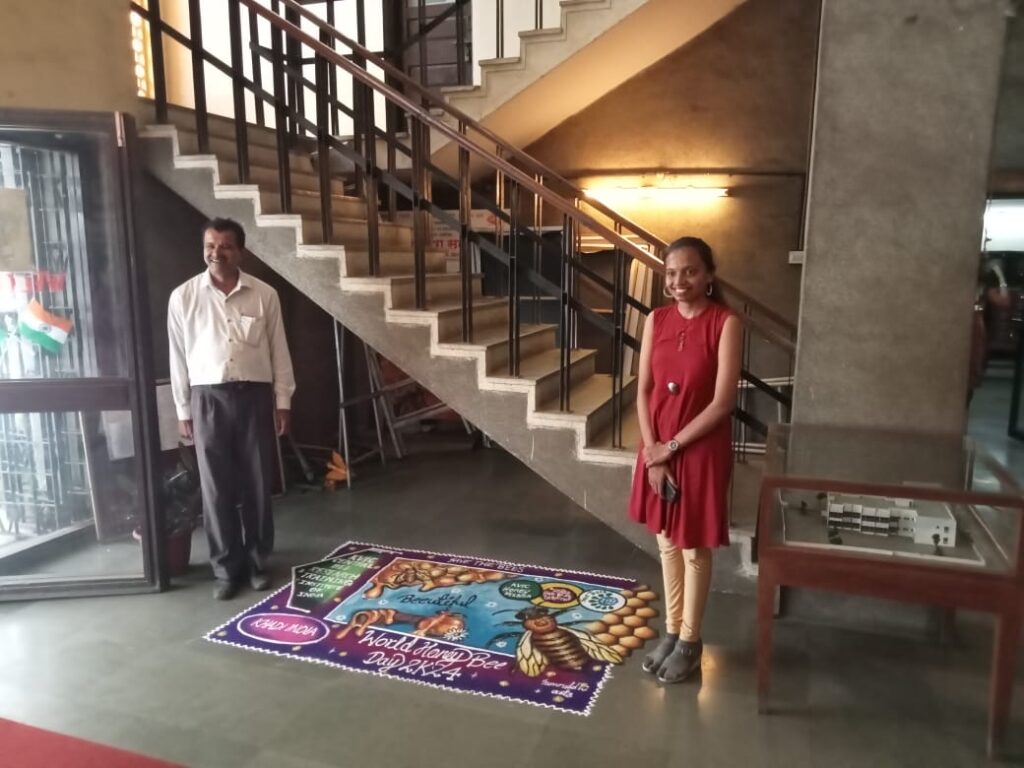
Dr. Sanjay Kharat, proves to be bee friendly and wants a bee healthy nation and environment. He explains his passion for education and how he wants his students to learn about the bee apiculture which can help setup at his institute of Agriculture and Biotechnology at Paud, further announcing a collaboration for promotion for fashion designing with khadi produce. He also expresses his proud moment about his student Samrudhi who had made a rangoli art on the World Honey Bee Day. He also explains how he wants to make this bee keeping a larger preposition in the education of agriculture and zoology.

This gives us urban and rural planners, a new landscaping idea with bee gardens and bee friendly planning. Now new startups will spring in the architectural and art world of making bee hives within our habitat regardless of profit, which can be planned at a later stage in collaboration with CBRTI and bee keepers.

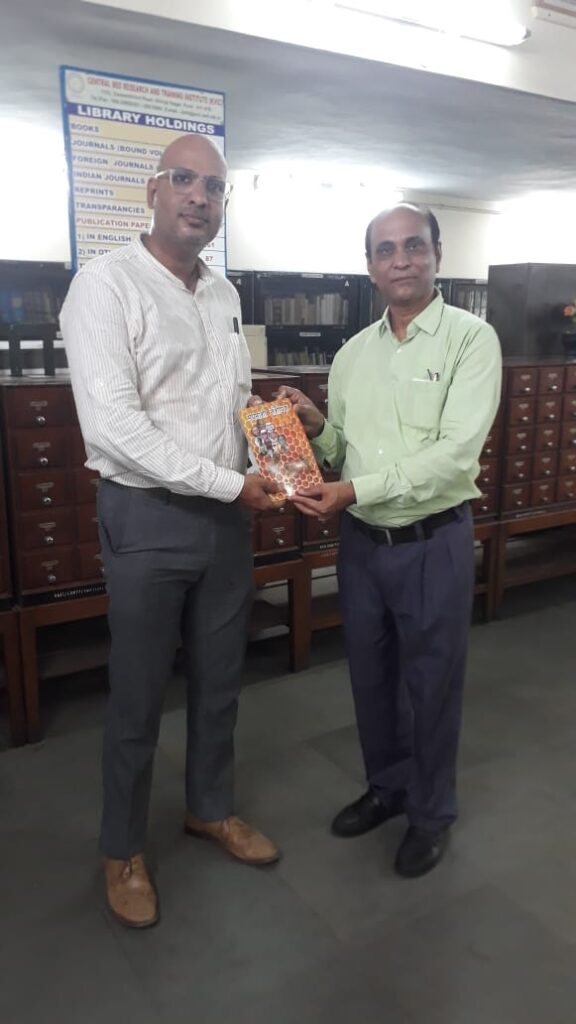
Dr. Daisy Thomas, deputy director, CBRTI has been researching on stingless bees and how they have differently been the good bees among all the species. She presents the different characteristics of these bees, the flora and fauna, how the bee boxes are different from the other bees (Apis Cerana), She mentions travelling to various locations in India and making these bees prominent with her research. The stingless bees are Tetraloguna, Eight named species of stingless bees are known from the Indian subcontinent: Lepidotrigona arcifera (Cockerell), Lisotrigona cacciae (Nurse), Lisotrigona mohandasi Jobiraj & Narendran, Tetragonula aff are found in the Indian Subcontinent. Meliponicultura, as the production of this honey is called, began over three thousand years ago.

The honey was used extensively by Mayan healers to treat eye, ear, respiratory, digestive, and postpartum conditions, and still is in many communities today. Its color varies depending on the native flowers visited by these bees, ranging from nearly transparent to dark amber, and it features more nutritional and curative properties than honey from the common honey bee.

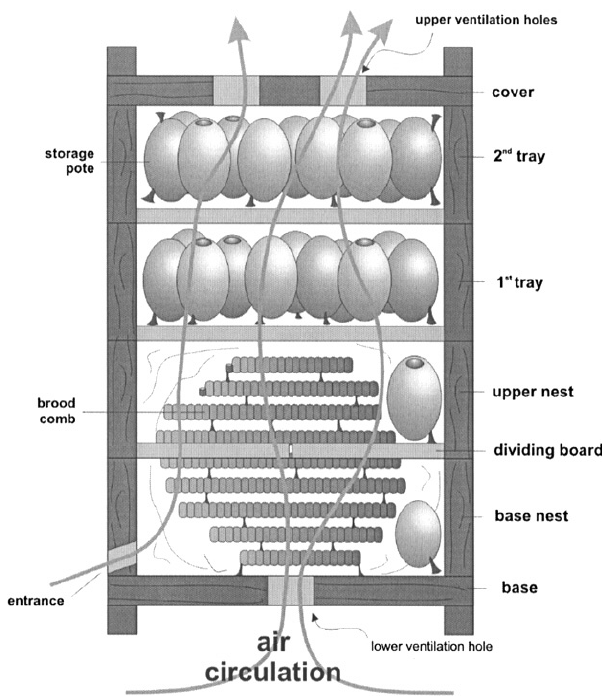
Interestingly stingless bees do their nesting in broken trees of coconut, pipes, majority of stingless bees favor nesting in pre-existing cavities within tree trunks or branches. Further launching her book on this day, about stingless bees available at the library of CBRTI.

Dr. Sunil Pokare, former director of CBRTI, attends the afternoon session to help us understand more deeply about the celebration of world bee day. He shares about his attendance at the post office for launch of post cards by the Indian Postal Service marking this day of bees, apart form that he also shared his collection of stamps, letters of the bees from his collection. He also shared a few moments of his experiences at CBRTI and his early days as a bee scientist. He has published a book on bee keeping with autobiography of prominent bee keepers in Marathi and has a few Bee enthusiast who want to translate it in different languages.

After which many prominent personalities were invited to explain the stingless bees and their nature. Mr. Umesh Patil who has 250 colonies of bees has explained about the features of stingless bees and how they are arranged on a single wall with a pipe. The entrance pipe is used for bees and there are nine security bees who refrain entrance. He explains the process of the stingless bees honey collection.

To ease the process there are flow hives which has no need to dismantle the hives and remove the frames for extraction. No smokers, no centrifugal extractors, no back-breaking work of pulling honey supers. Instead, you just turn a lever which opens the channel within the honeycomb and the honey drains to a pipe at the back of the hive directly into your container of choice. Meanwhile, back in the hive, the bees are virtually undisturbed as the honey drains from under their feet. When you’re finished draining you just turn the lever back and the cells are reset and ready to be refilled. The bees then uncap the combs and start again without being disturbed.

Our very own Mr. Kamble a bee keeper explains his journey of transformation for a farmer to a bee keeper and how he has been praised and better his life. Kamble was assigned a bee box to be installed in a sugar factory at Atgaon near Latur, this factory is in a dilapidated condition and was an impossible task to reach or develop any bee colonies. But Kamble showed his grit and made it happen. Dr. Basavraj, further explains his recent visit to Kamble’s village or forest to inspect the bee colonies.

A master trainer Mr. Hemant Kumar Dumbre, who recently joined the institute in January 2024, explains his challenges of teaching good bee management practices to bee keepers and how that has helped them achieve increased honey produce. He began b y writing to different institute in England to send books on bee keeping.

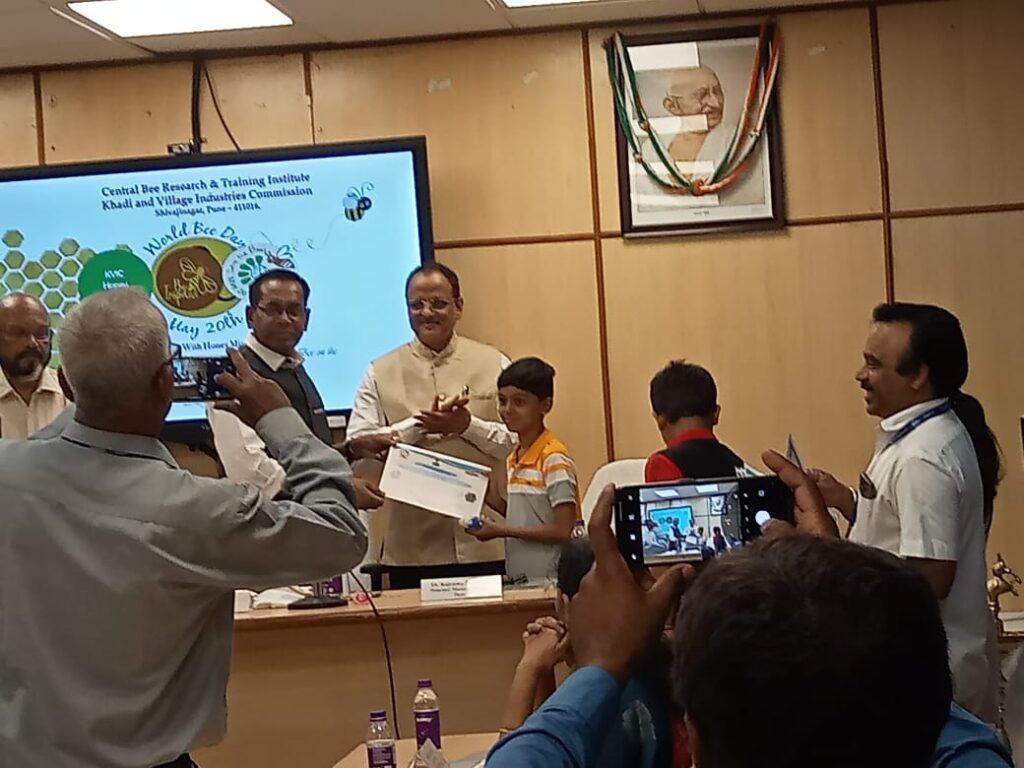
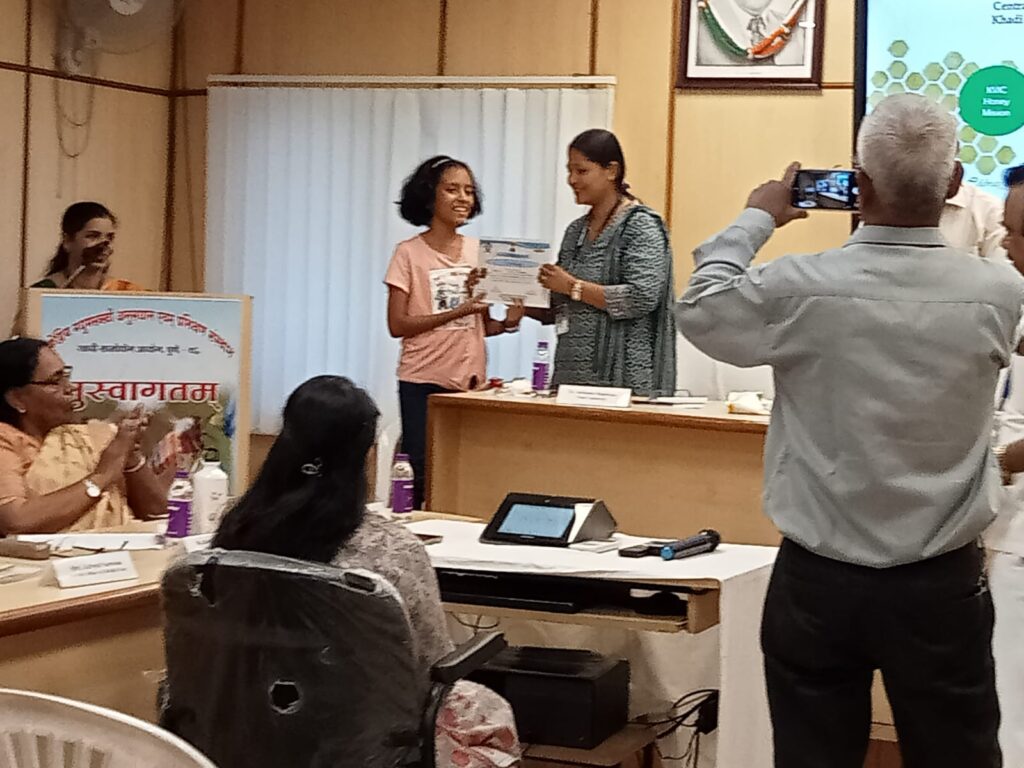
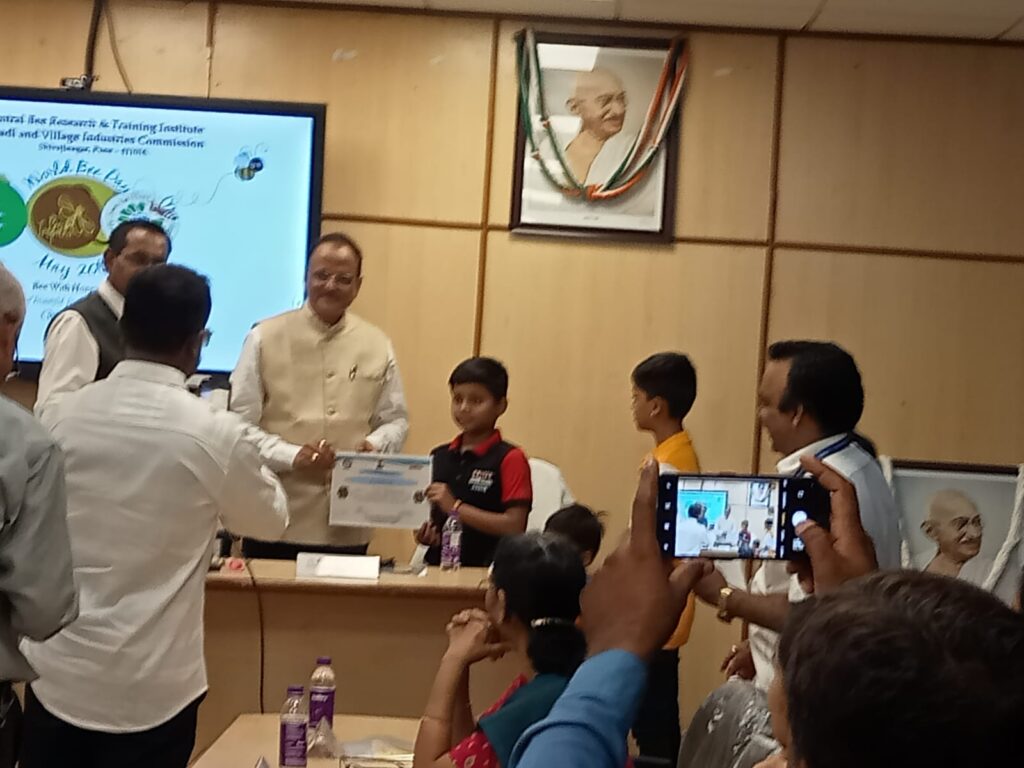
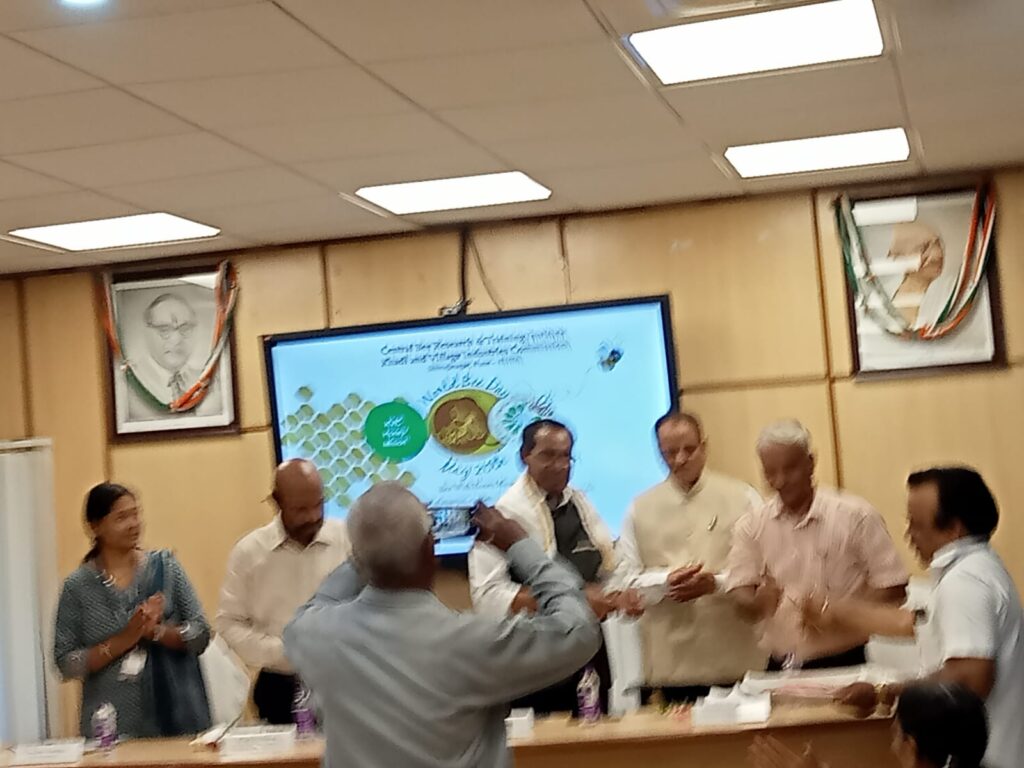
For a lighter moment Samrudhi recites a poetry on bees which explains why bees are important, their roles and all of us should own a bee box. A few kids were felicitated and all interns were given a honey bottle.

A national anthem to end this lovely session, this day will be a memorable one for all of us. Hoping to see many such occasions.

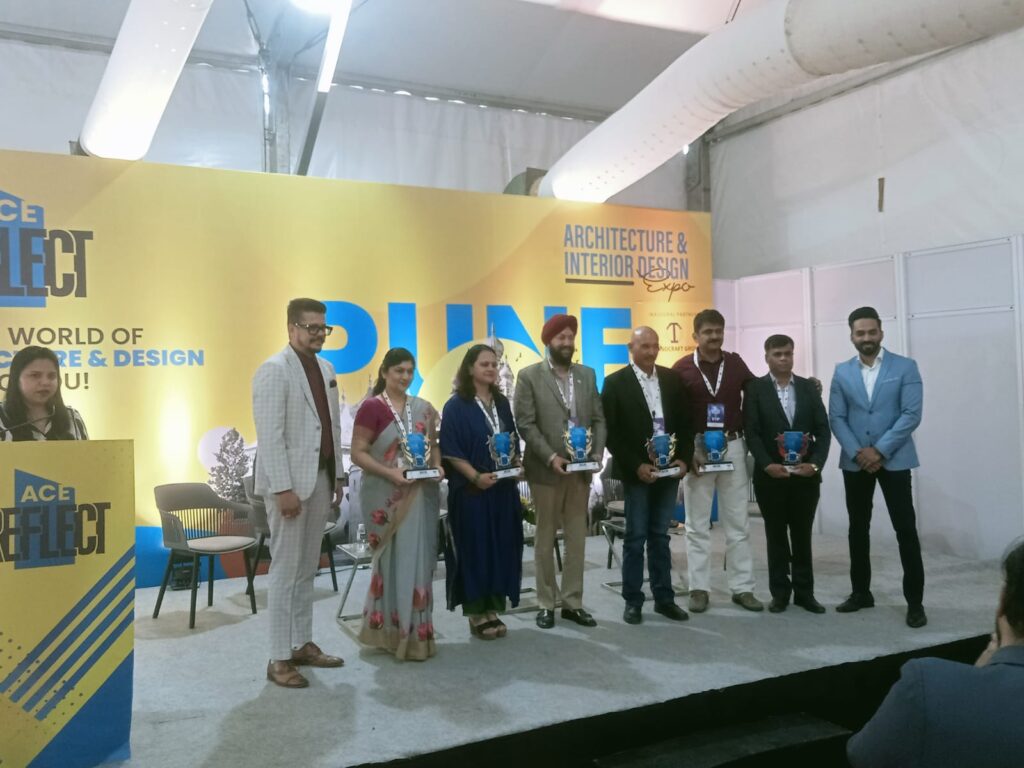
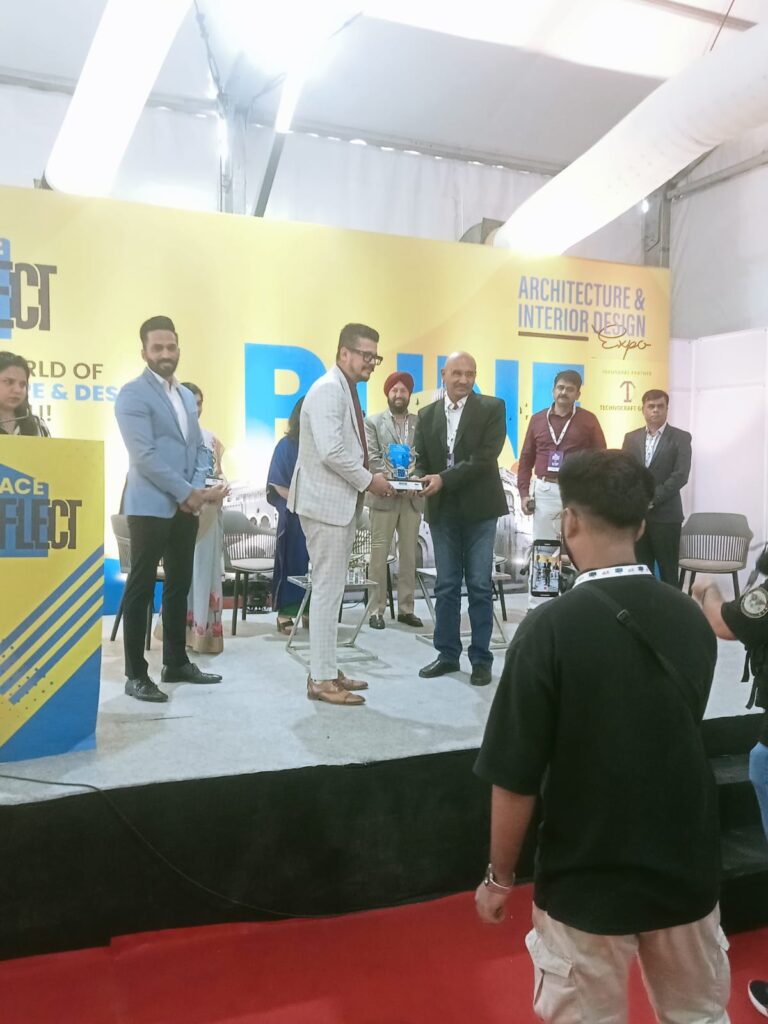
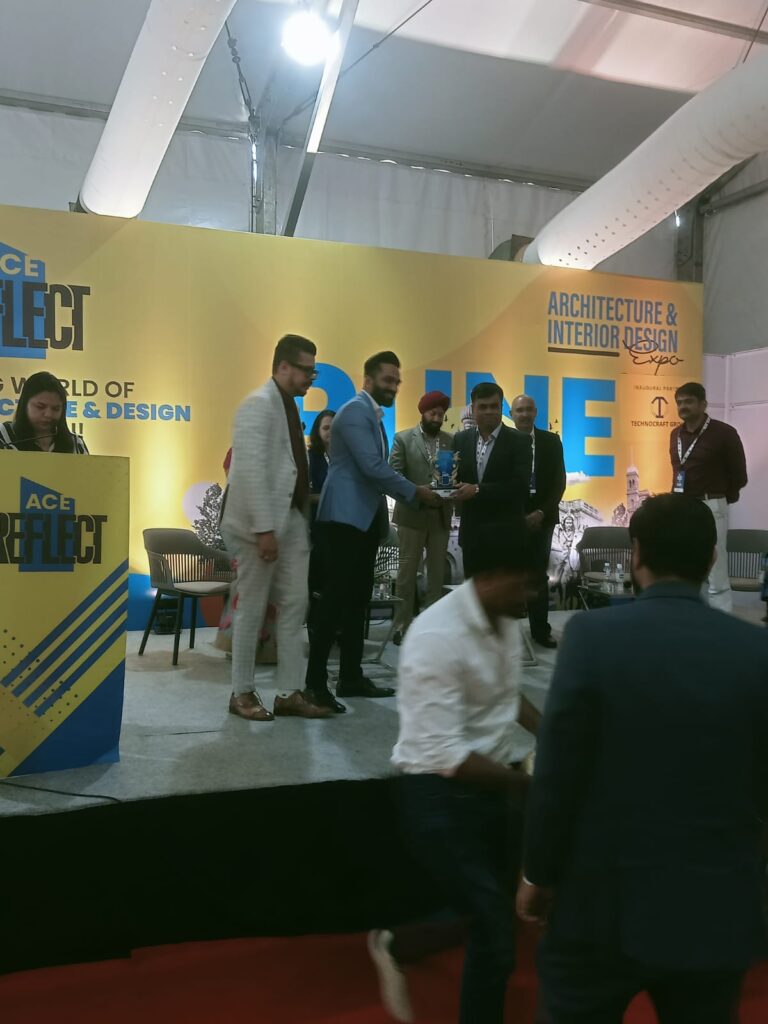
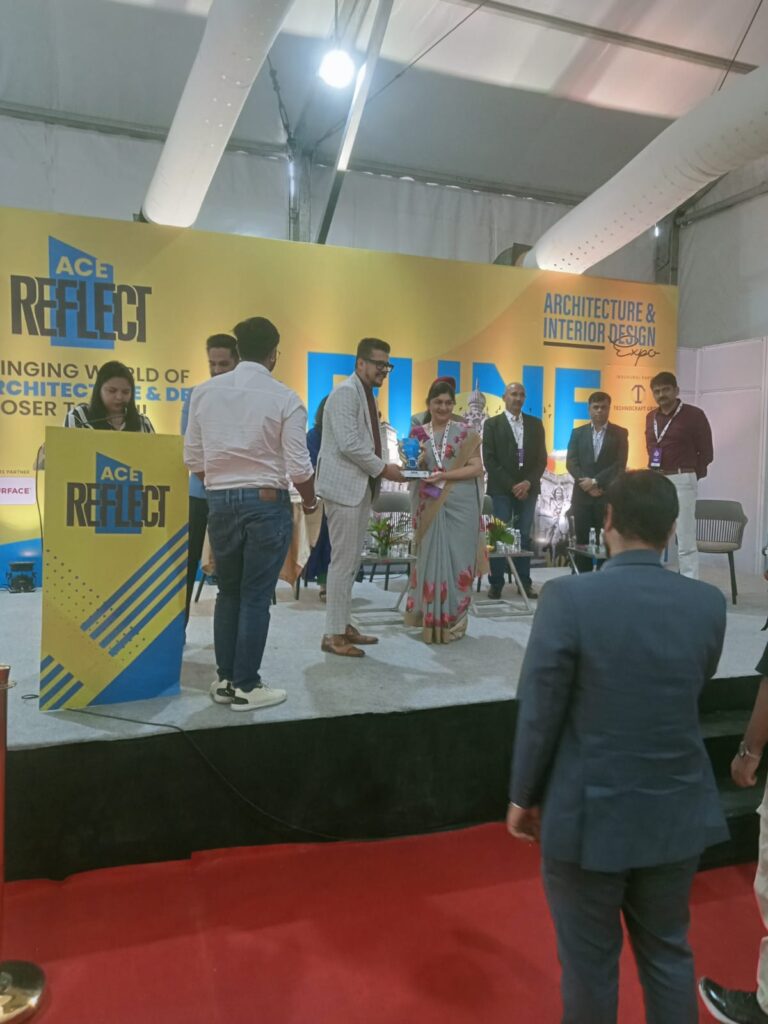
ACE Reflect makes its way to Pune.

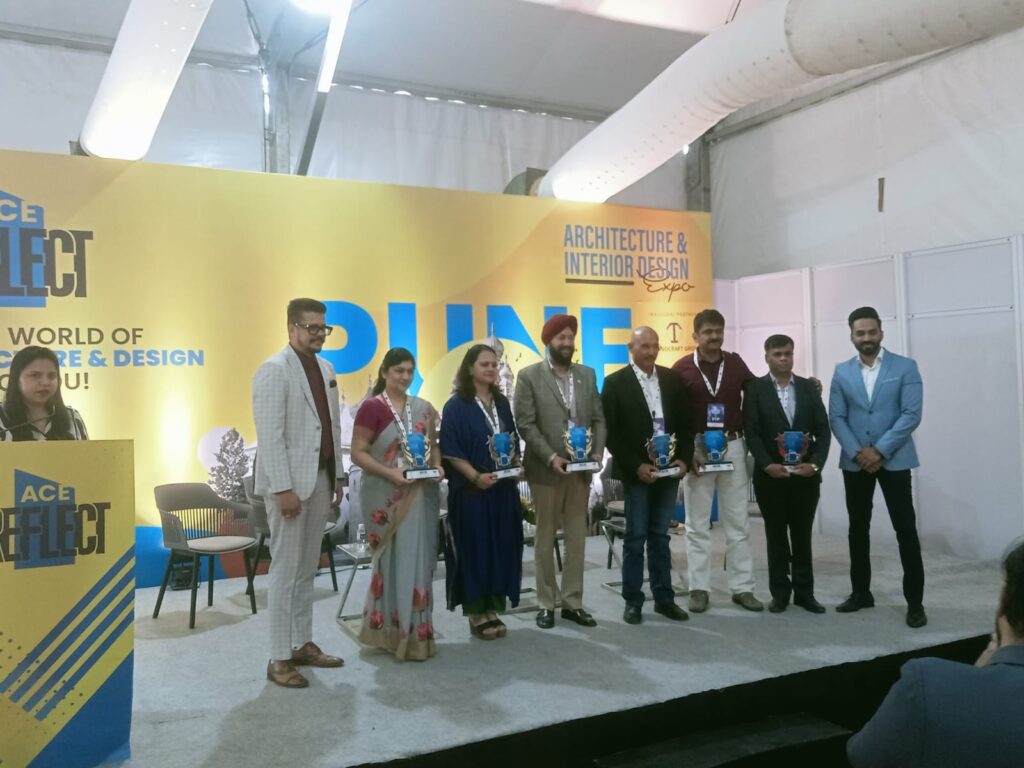
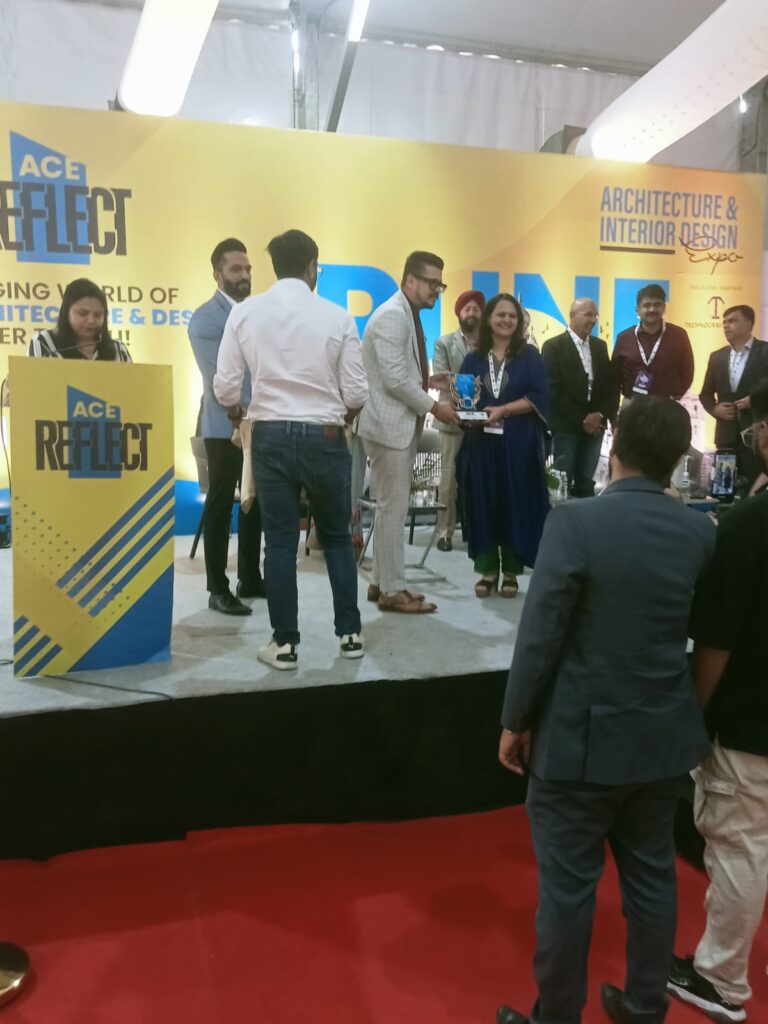
The ACE Reflect has made its way to Pune, finally there is some architecture appreciation in town. This time none other than Agriculture College Ground has hosted this event at their ground at Sachin Nagar. You will find the best of materials here and will make your project more robust and attractive with adding these materials and new age technology.

A panel discussion which helped to know the new ideas and construction needs for a city like Pune to discover these there were prominent speakers from the industry. Making a big point to encourage international collaboration for technology and professionals. This will give a cutting edge or sharp building strength to train internal as well as external consumer about new nuances. Among a few points discussed were keeping in mind space constrains in urban areas one has to tackle difficulties of installation and operation of large sized equipment’s.

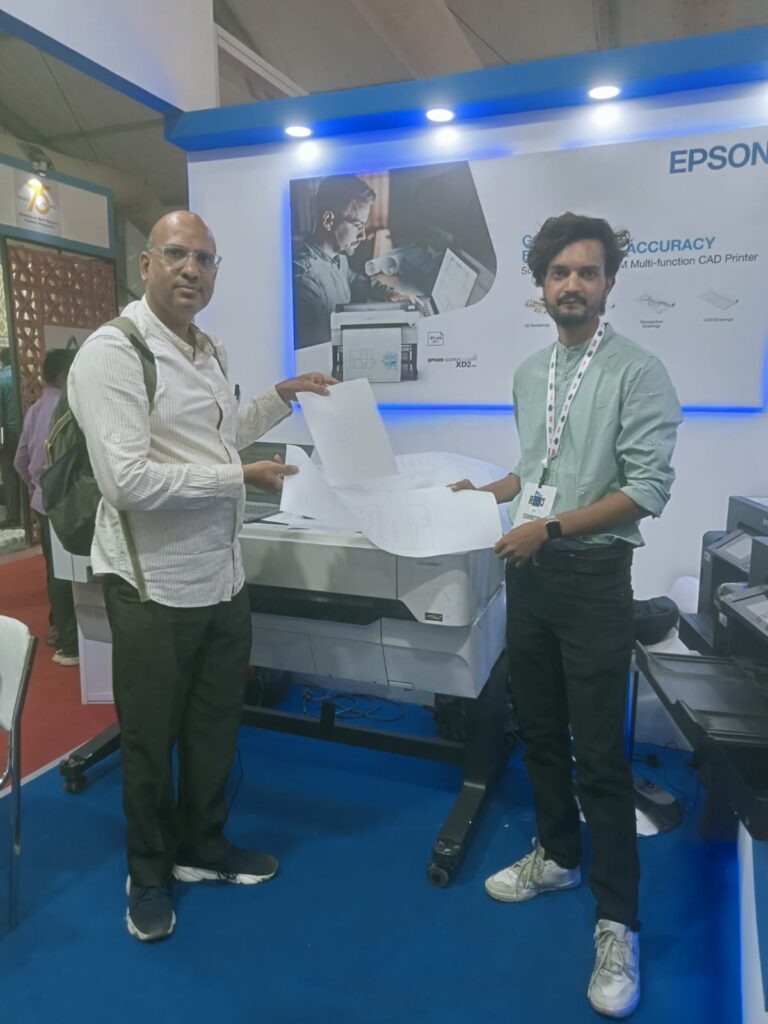
There were many stalls which offered unique products one among them was an Epson Plotter and printer service provider. They gave free sample prints to Govt. departments, visitors, architects, interior designer, which are of good quality but I could not print my drawing of bus depot, since it was made fit to size and it was printed so small that we could not read the text printed on paper.

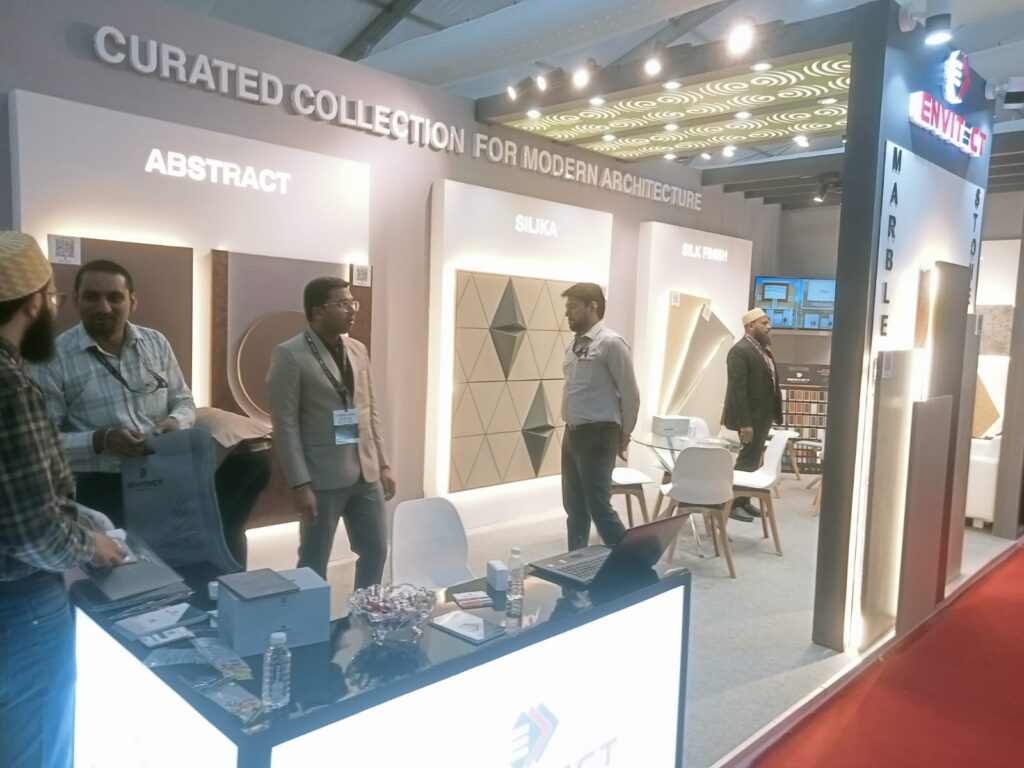
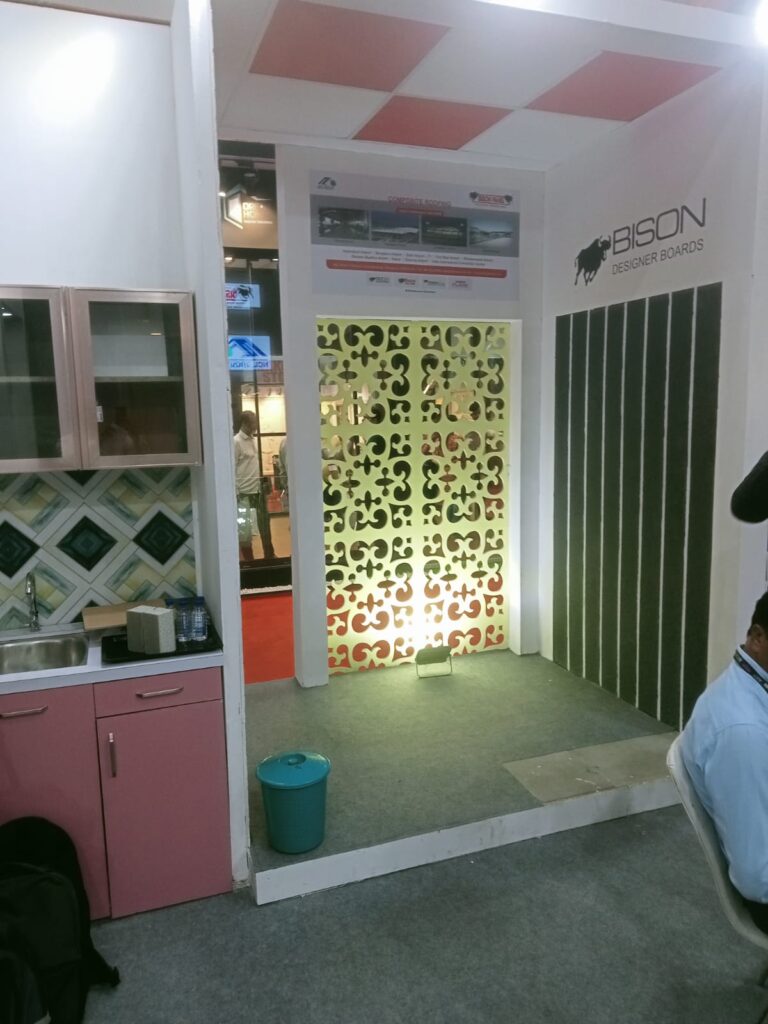
A new form of Aluminium Composite Panel that is used to face lift interiors or exterior walls, these are fire resistant and water proof. Aesthetically used on doors, windows, partitions, wardrobes, tables, wall murals or even an exterior board or signage.

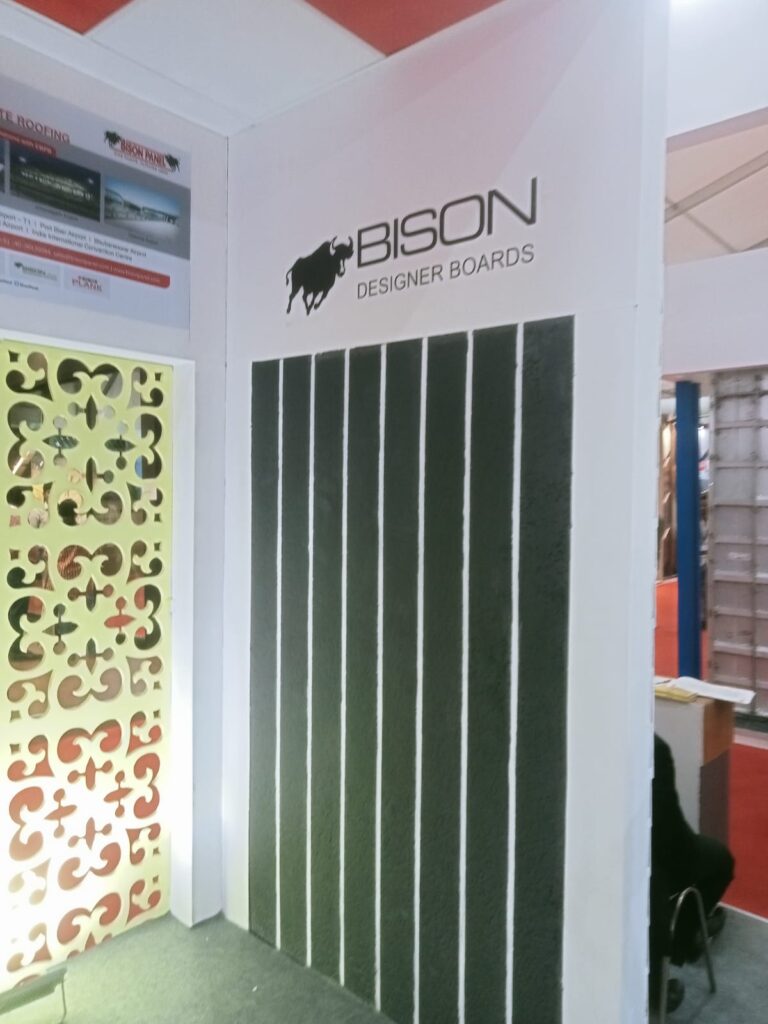
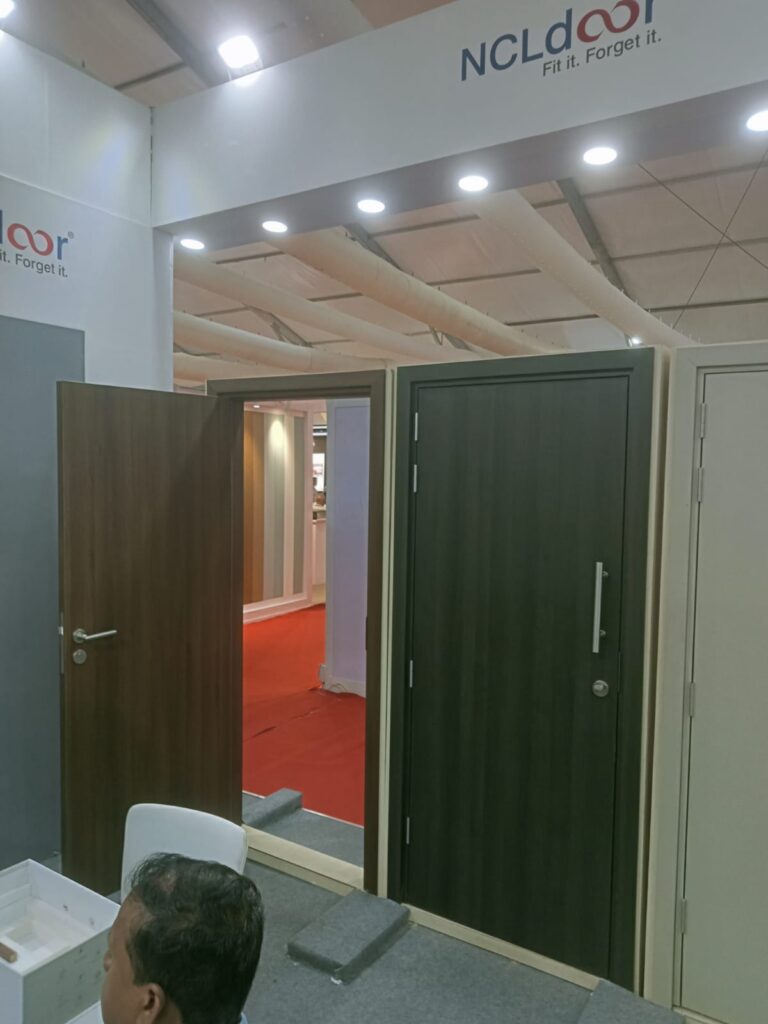
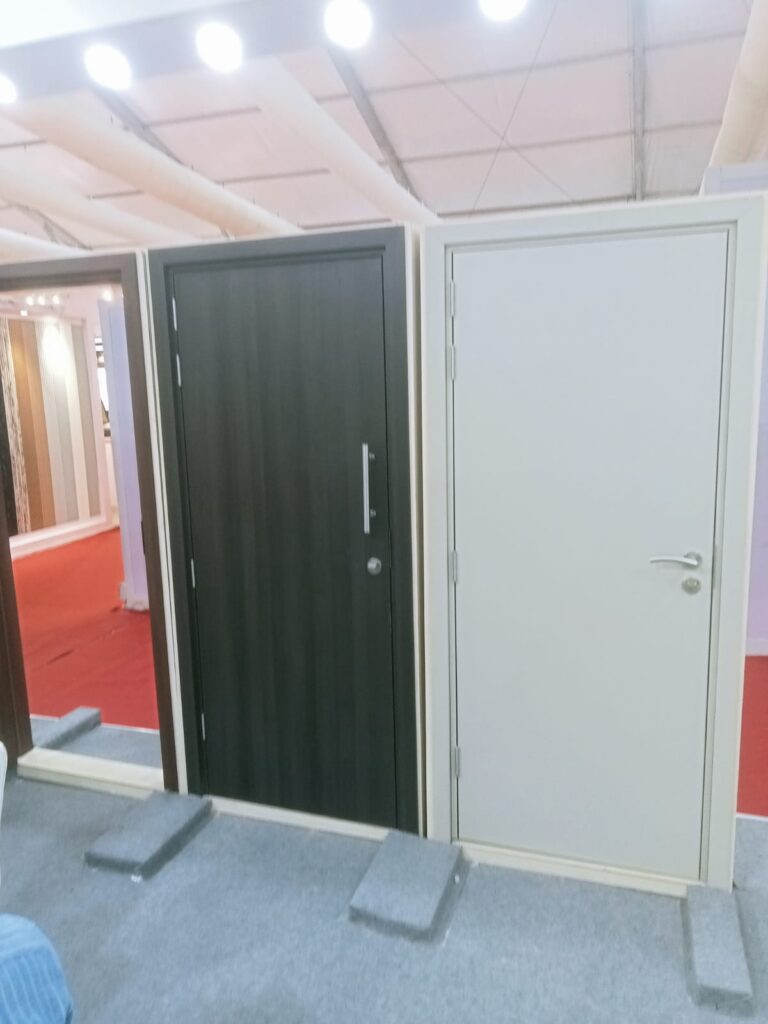
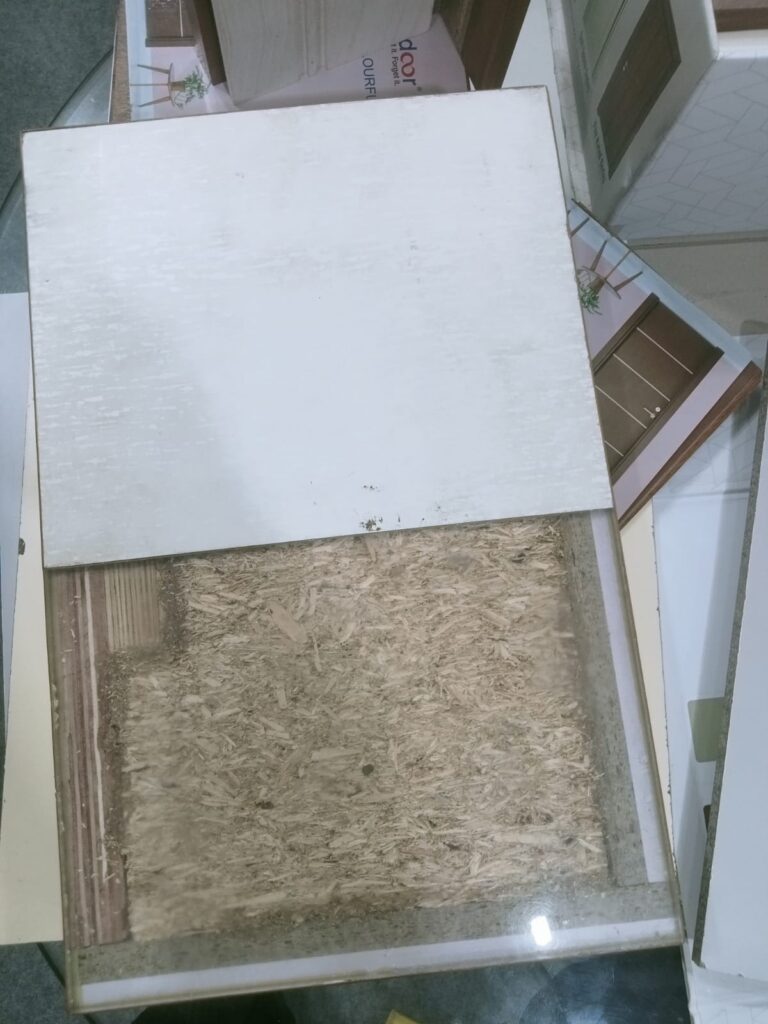
NCL Doors, Bison Panels and Concrete blocks were an interesting product to view these can be used as ceiling, floor, wall partitions and roofing solutions. Door panel and doors have a unique feature of hollow with bee mesh and solid with wood dust, these doors can be of various colours and sizes.

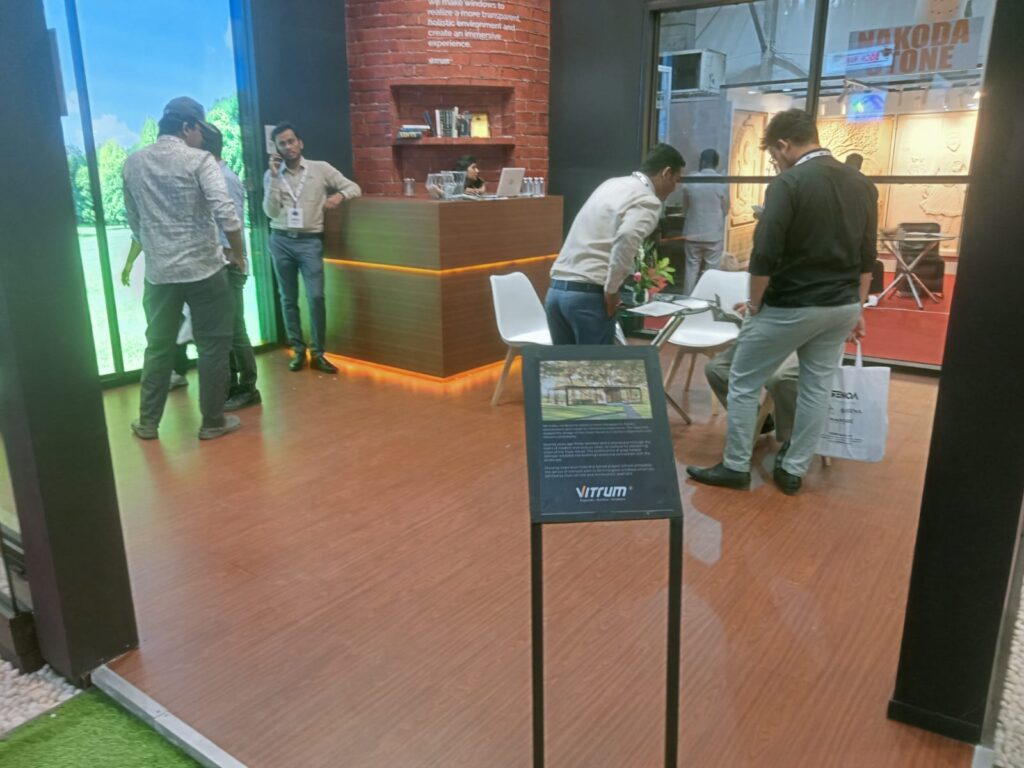
Vitrum a new age sliding door and window solution they have a feature of door lock only on pulling the lever. This guarantees the residents don’t lock themselves out in the balcony since most of Pune residences have sliding doors in the balcony with locking only on one side. The sliding can be made hydraulic and may add new feature of remote controlled or automatic setup.

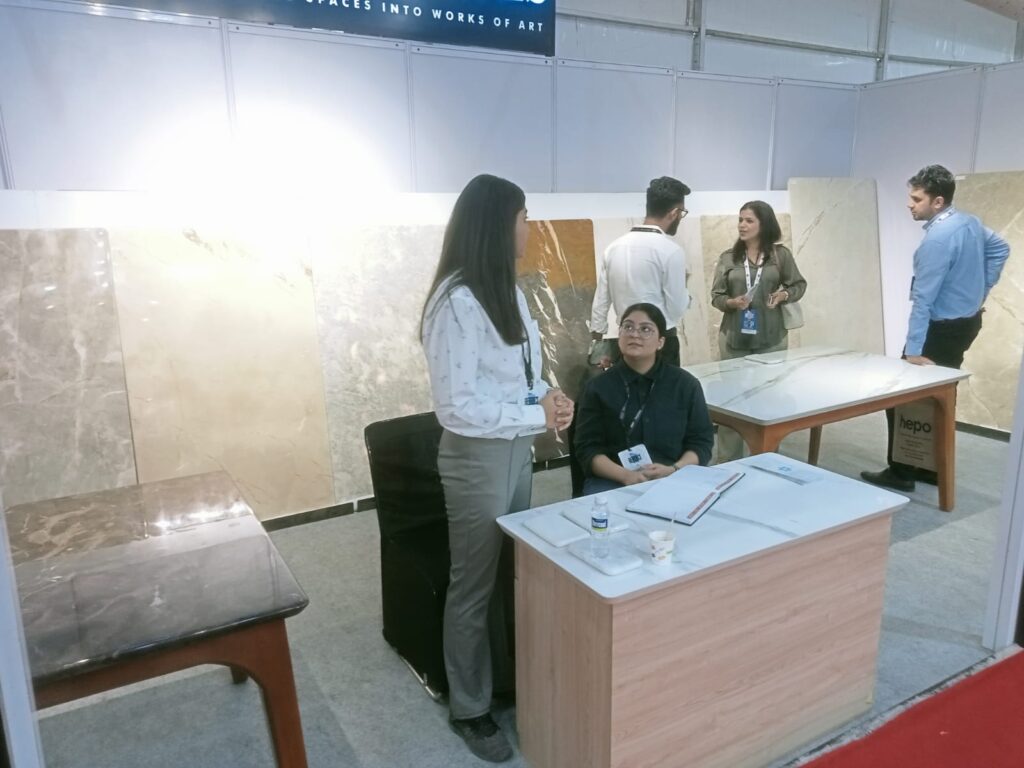
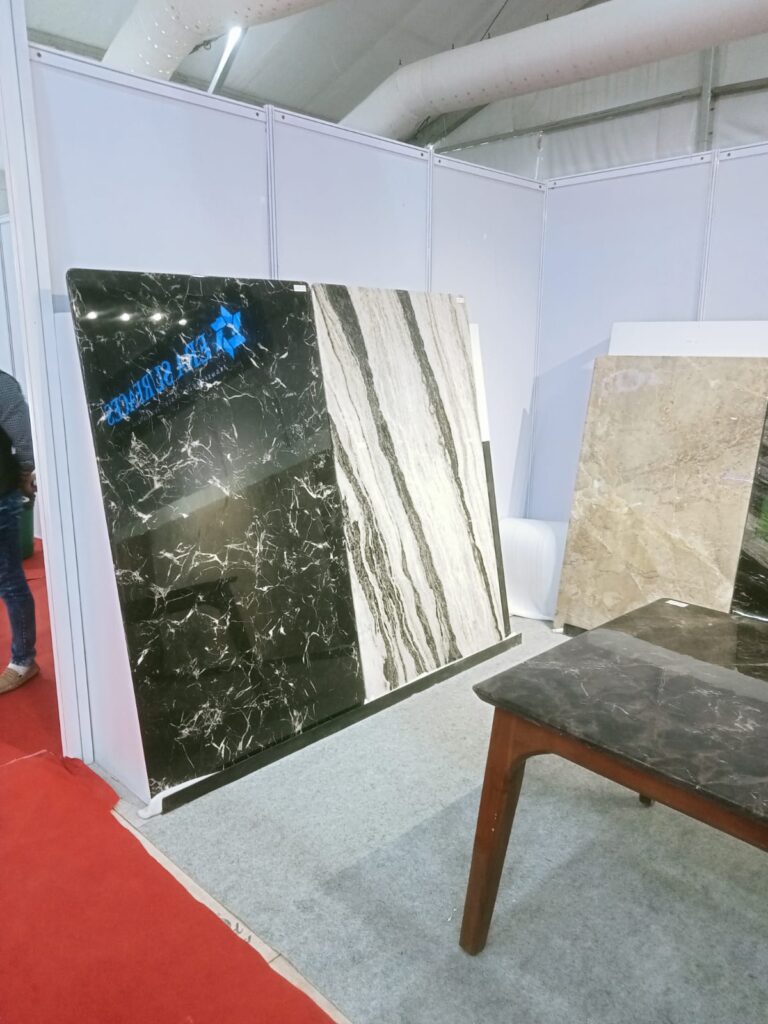
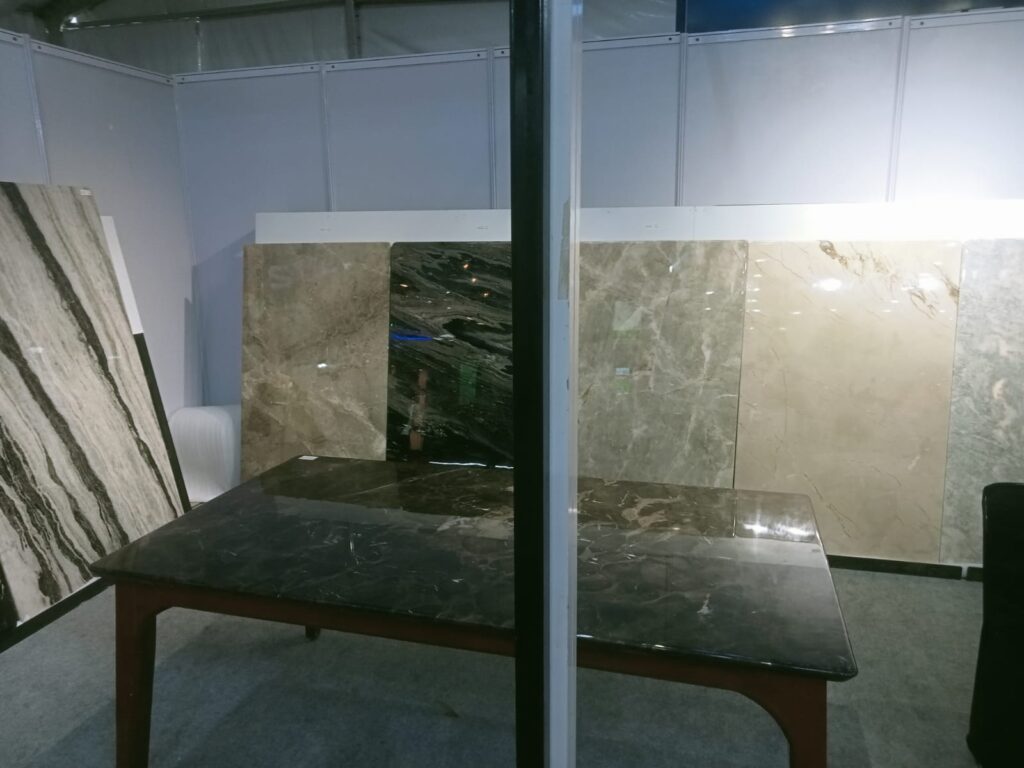
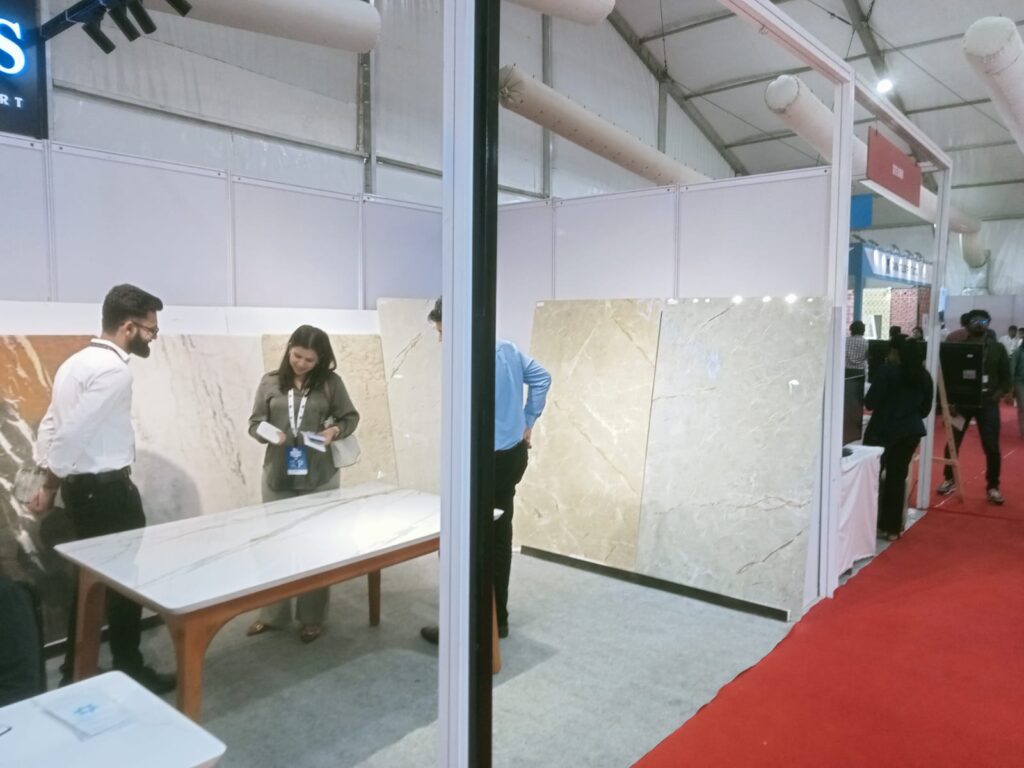
A new range of table tops have sprung at most lucrative prices, these are available in marble and ceramic. With more than 10 – 12 shades and can be customized as per ones needs, these are ready made table tops which have been carefully polished, coated for restaurant or dinning or conference use. They can also be used in labs of large biotech parks or even food testing labs.

 If you have a big garden or a bathroom and want to add a pool or a jacuzzi, Aqua Shark provides wide range of imported and Indian solutions. Located at Banner they are giving these services to best of builders and are very lucratively priced. Make your homes and surroundings more interesting.

A few Alu-form work brands have come to Pune to make way towards new-age construction techniques. These form works help in fast-track your construction without brick laying and less curing time.

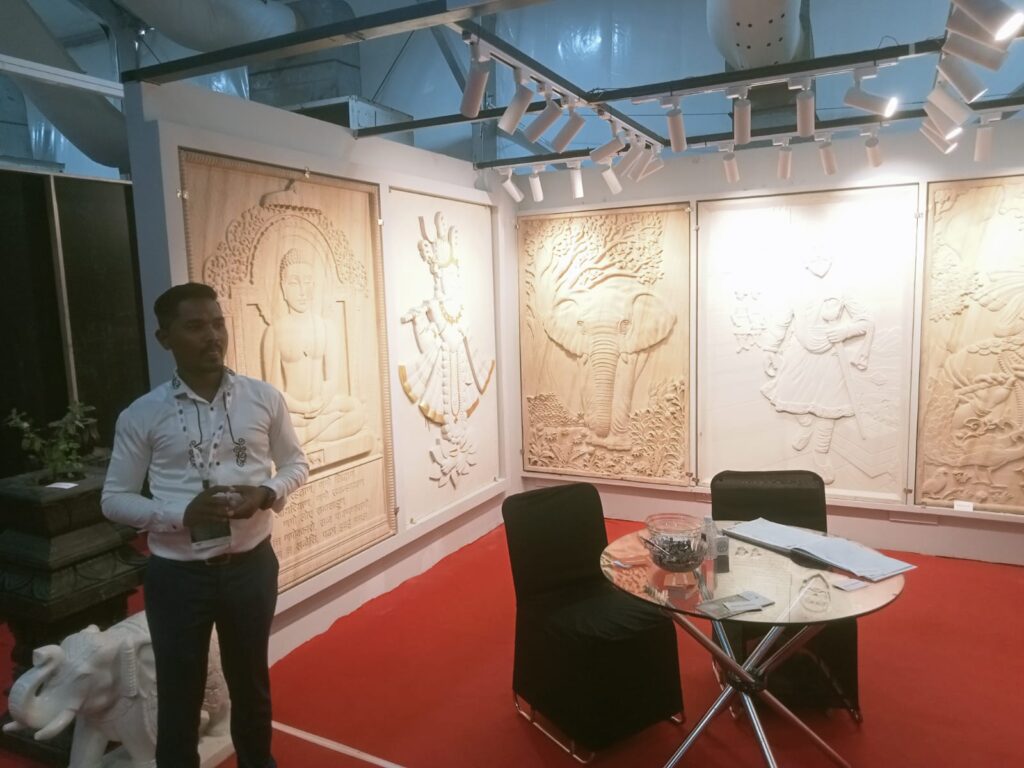
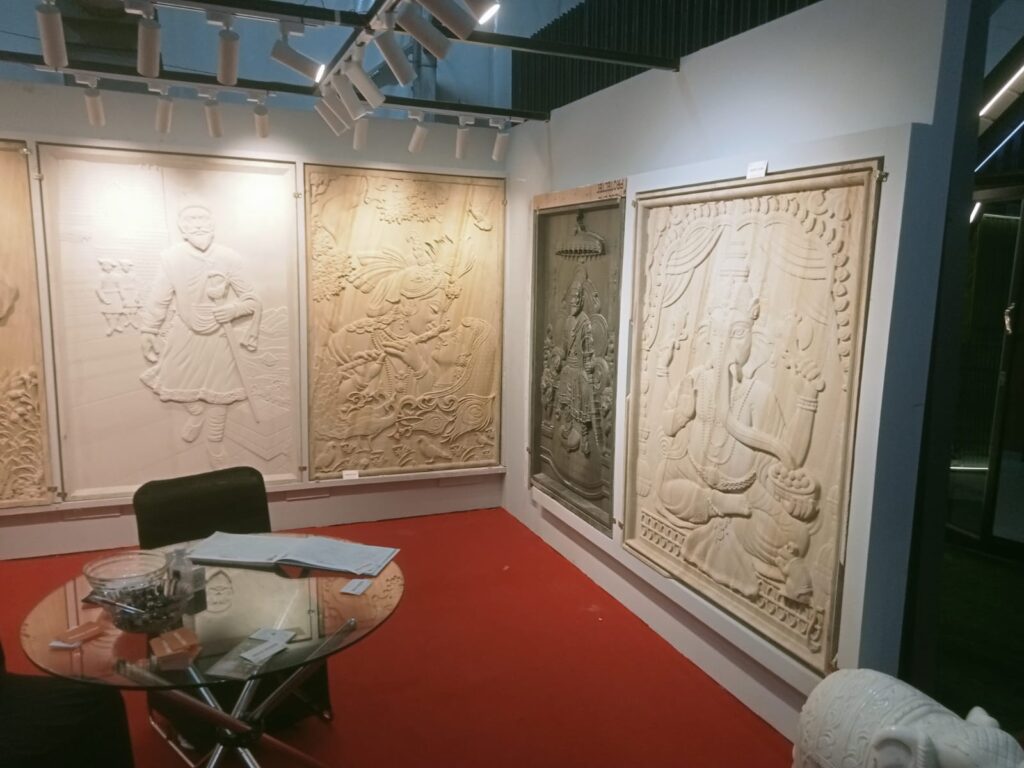
Stone decorative have become a part of our culture and have a new dimension with CNC cutting of 3D effects. Nakoda Stones has marble, sand stone material and can do CNC on any surface or any design.

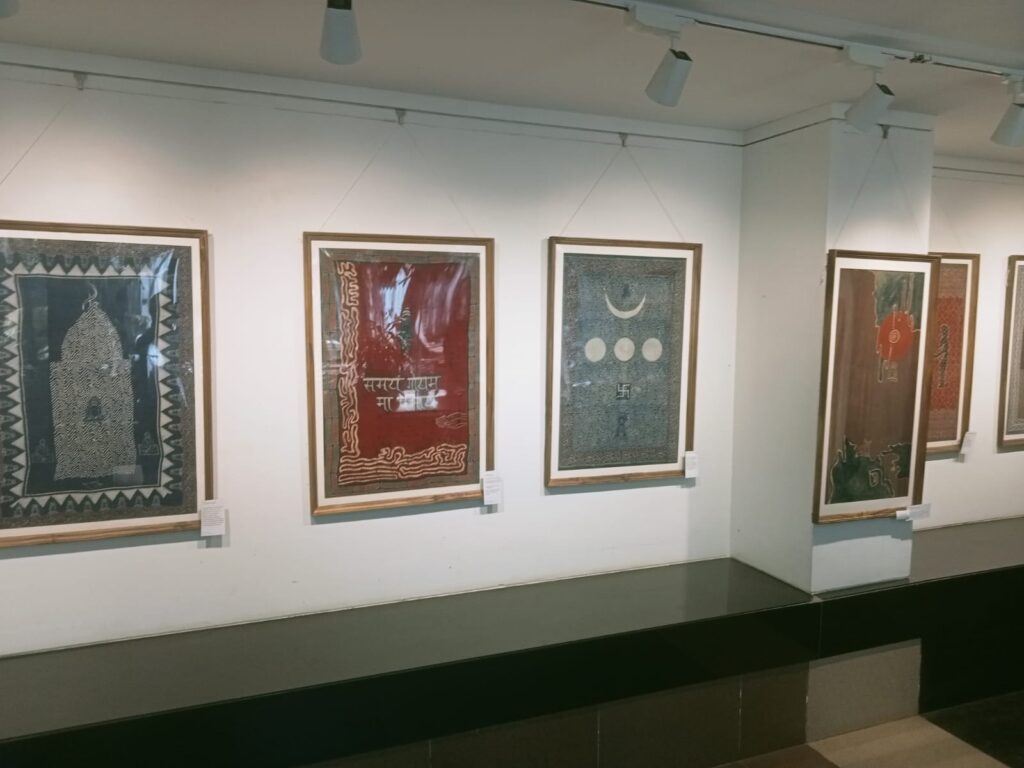
Jainism finds a new art form by Boski and Radha Krishna play a new tune with Gopal.

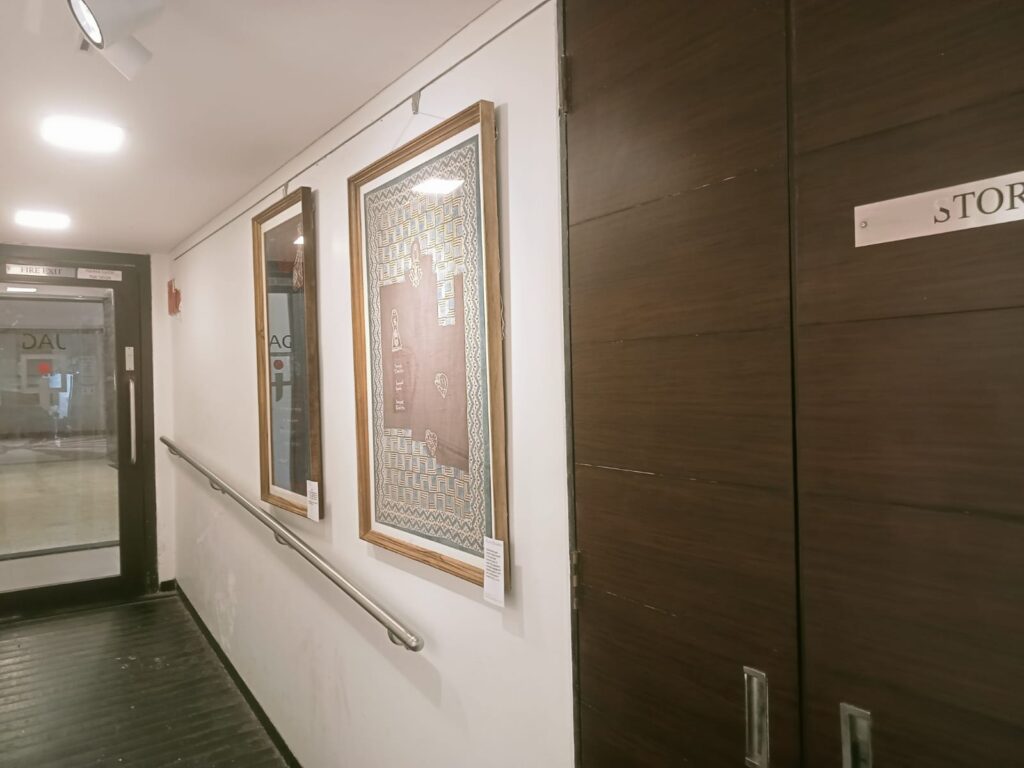
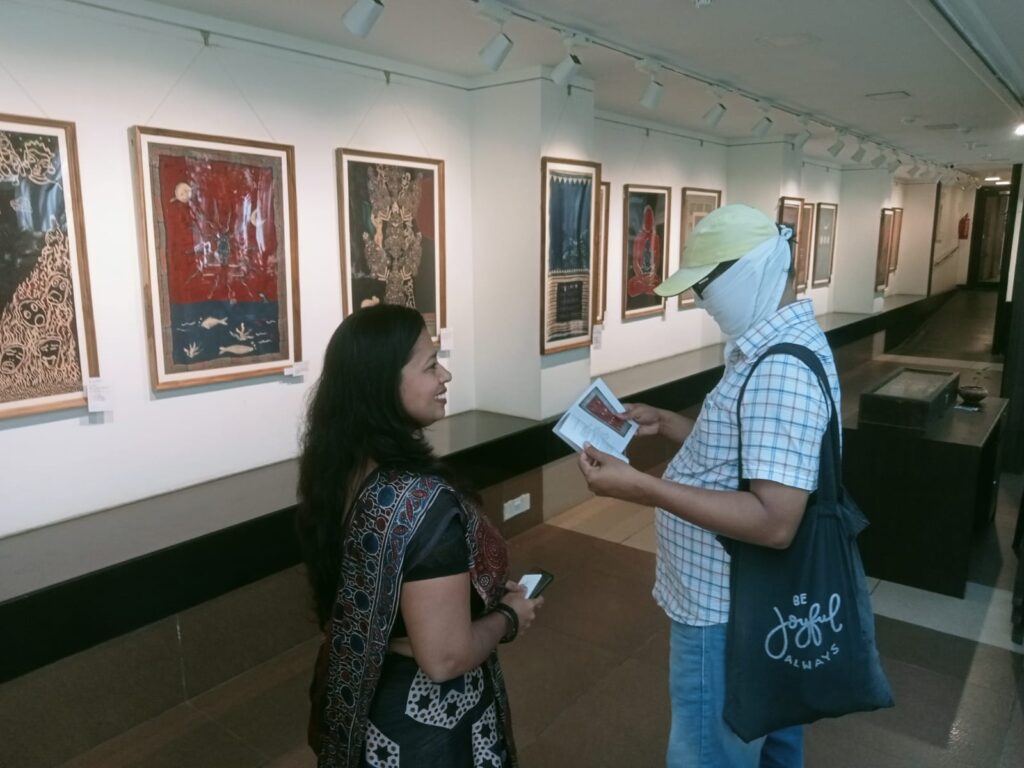
Boski Ashish Kubadia brings out natural colors on silk and this time it is on Jainism. She has a life full of experiments and most of it possible because of a lovely husband. She started her career after an early marriage, she enrolled in an interior design course at a Ghakopar College. She then pursued her portfolio and was selected for textile design at the Sir J. J. School of Art. She made several design on textile for sarees and other textile paintings. She got admission after 7 attempts since she was from the open category.

Then enrolled in a course on Jainism, where she learned about tirthankara and the birth of (Rishabdeo) Adheera Bhagwan at Ayodhya. Boski means divine and purity, hence the purest silk was named Boski. She stated that since the Boski is one of the few fabrics that has a long and rich history due to which it is one of the most expensive fabrics in the world. It is said to have originated from China and discovered by a royal empress when a silk cocoon fell in her tea one afternoon. She has created a series of Jainism paintings which are made from wooden blocks, natural colors on silk. Jainism believes in ahimsa hence have used modal silk. These paintings have given a dimension to art and medium making the nuances in textile explore this new form of art. She is keen on doing a few more exhibitions and is also open to give a demo of the painting.

It’s a pleasure to view paintings from Gopal Ch. Naskar, he has added music to the love of Radha – Krishna and created this art pieces. Each of these paintings have been made in a series of musical and animal characters depicting a group of musicians and one as a divine love of Radha and Krishna. Gopal has incorporated these paintings with musical instruments and have spent time with musicians who have helped him in creating these unique paintings. Expressing this form of love which has known no boundaries and a devotion to music and art giving a rich history of mythology.

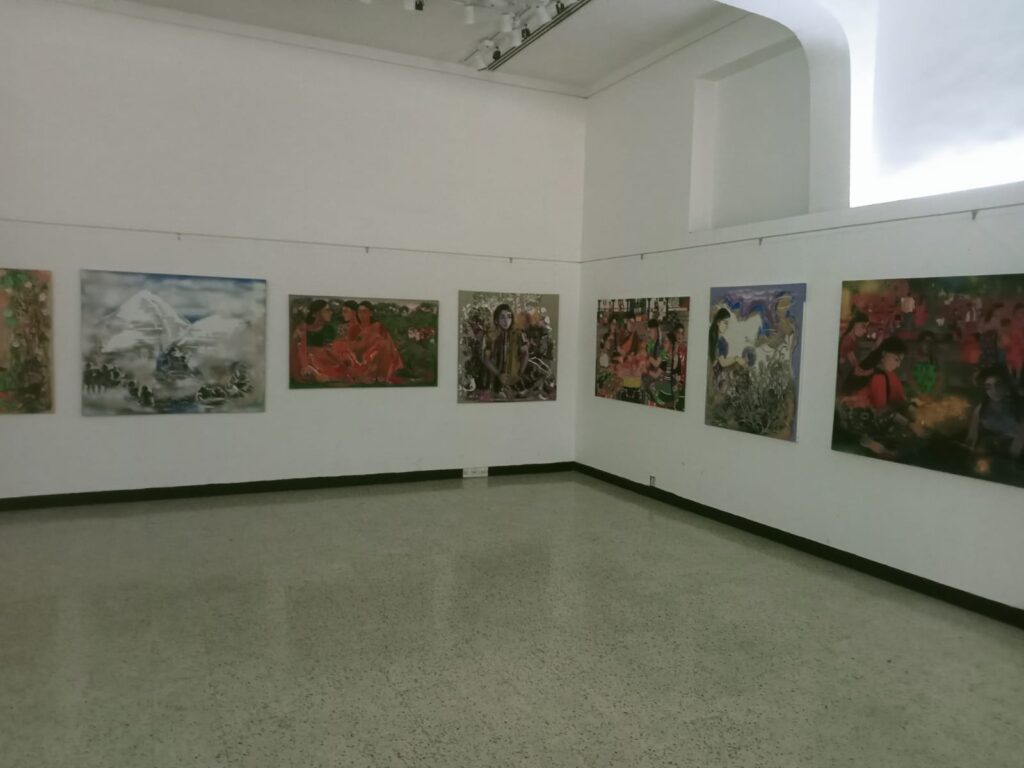
Amid Elections Jehangir Art Gallery display solidarity in Art.

Shivlal Saroha a painter from Delhi, who spent his early days in dire straits. He recalls keeping a sketch book handy while his struggle and keeping his head high to fulfil his dream to become an artist. Shiv has a unique style of abstract with animal and figurative art to showcase new age ideas through oil, acrylic, charcoal and mixed materials. He has been all over India and has done many solo exhibitions, a group exhibition and this is the second exhibition at Jehangir Art Gallery.

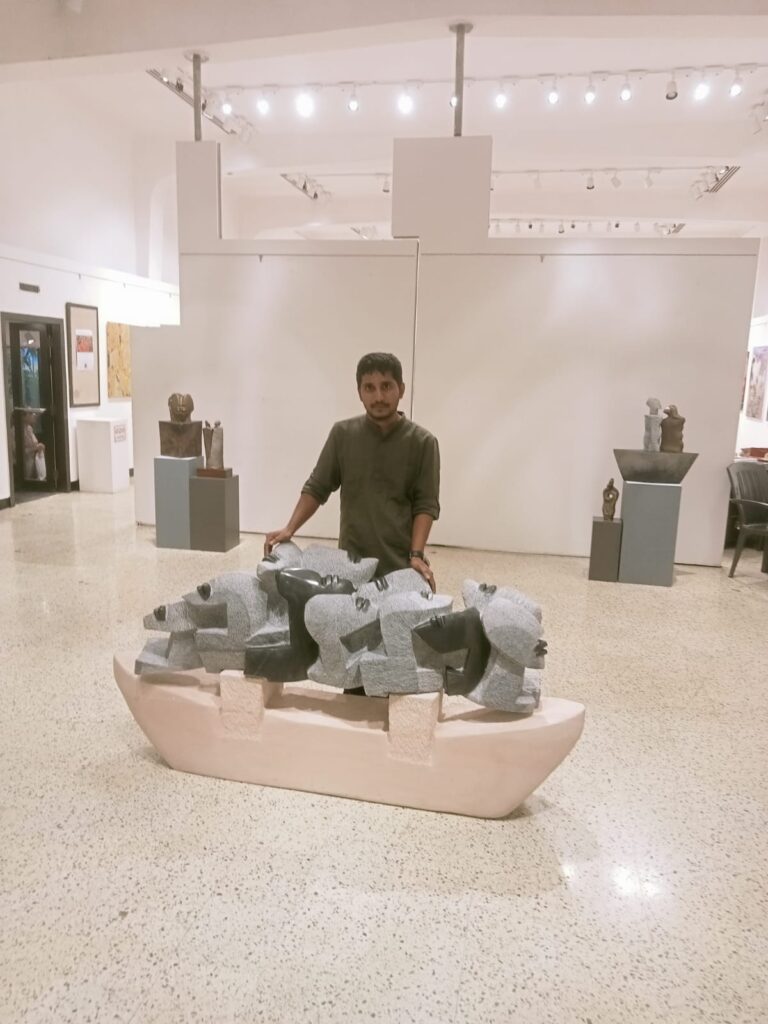
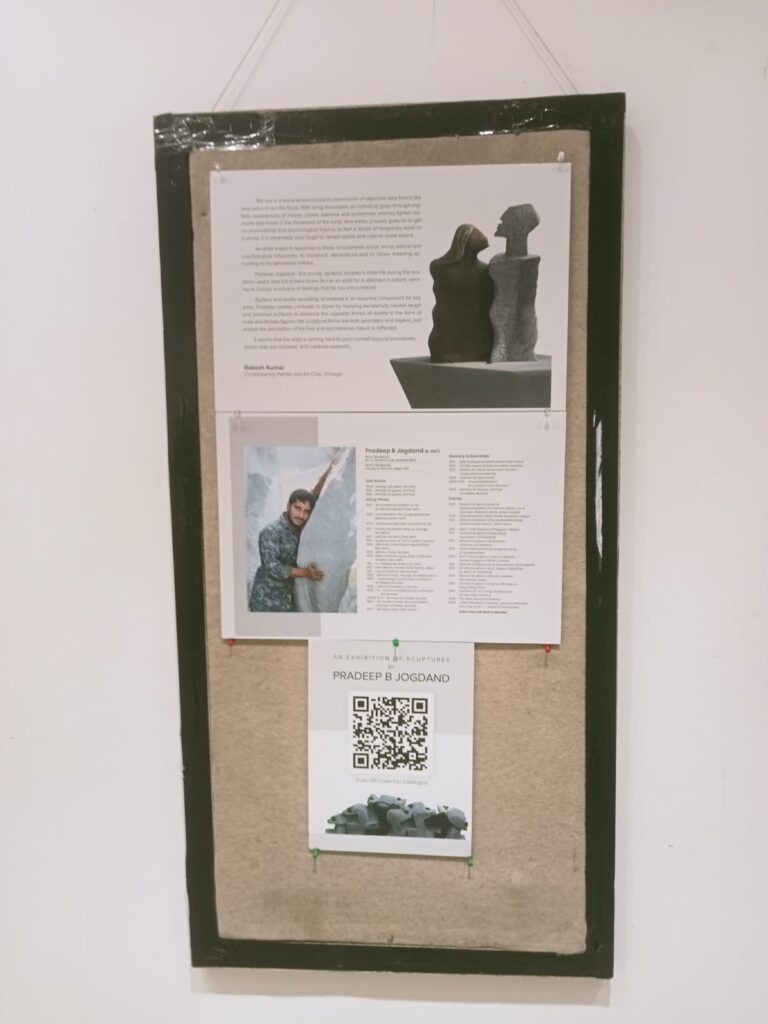
Pradeep Jogdand, is from Mumbai and has qualified from J J School of Art, sculptures represented as figurative pieces made from bronze, brass and marble or black stone. He has expressed his sculptures through male, female duality. He explains his style as a expression of relief from our day to day life struggles.

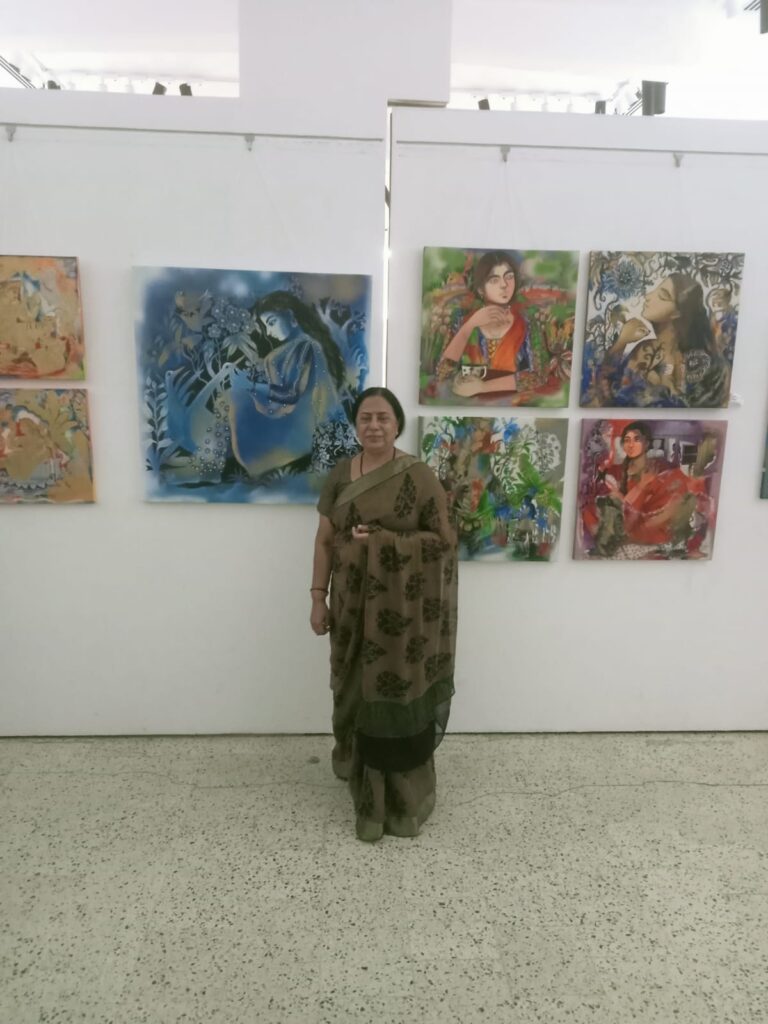
Anjani Reddy a born artist from Hyderabad has been painting or had the vision of painting or becoming an artist since the age of 9 yrs. She remembers people asking what she would like to pursue as a career and she confidently said artist. Being a Reddy and as per the tradition of the community children are given education at all cost even if it’s by selling a farm land.  She had an interview at Delhi competing P V Narsimha Rao’s daughter and she was selected to give that interview which was a big achievement. She started teaching at university and held many important positions in the university for art education. Having 29 yrs of experience as a teacher, she has described her passion for art same as her passion for food, she states she is fasting till she is satisfied with her art and colours. She has exhibited various works some a gold with knife painting technique showing the story of Ganesha, Krishna and a few moments she experienced while she was travelling or just events or moment she remembers in their life. Sitting with a few friends Mithu Basu has an artist movement which now building awareness of self-discovery of becoming artists.

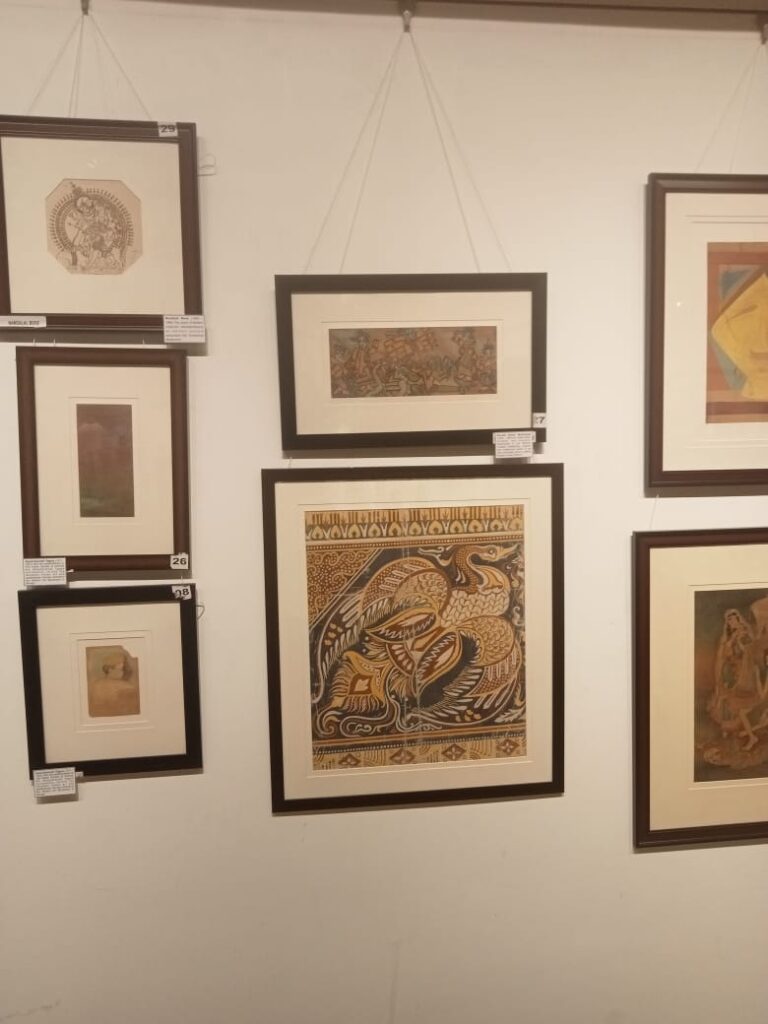
Gondwana Art Project, modern tribal painters group show by this Non-Profit has curated very rare pieces of art from different regions of the nation. Helping artist from the rural India to create a larger space or an art movement towards creativity and creating non bias for Indian folk-art vs the International folk art. Exploring animal and figurative these artists from the rural have found a new expression of art through geometrical or abstract form, regardless the meaning or the sense it gives an aesthetic appeal to the viewer or the creator and looking at being valued and not priced.

Mr. Sandeep Bhandari, founded this initiative since 2008 and now has become a large movement with 35 artist and many looking to collaborate. The foundation curate’s artistic works from Madhya Pradesh, Maharashtra and northern Indian region. Gondwana has many paintings from the curator’s collection and will have more ideological movement towards international accreditation or recognition.